zam wachsn
Regensburg (DE) - Winner
TEAM DATA
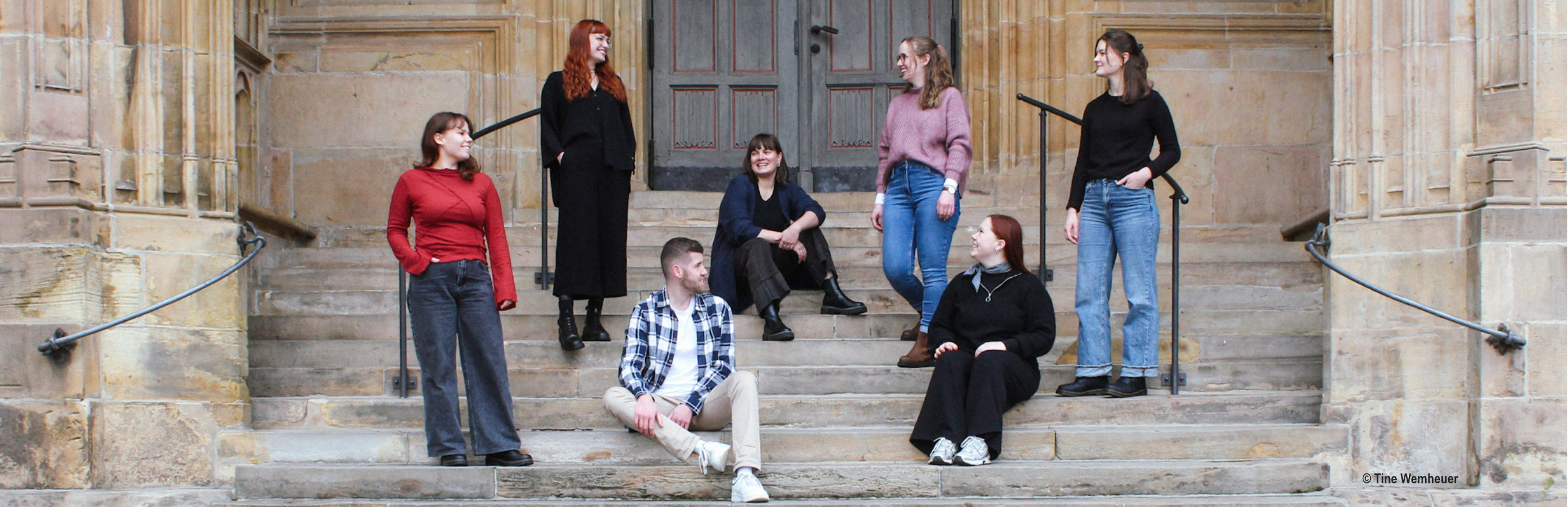
Associates: Mara Förster (DE) – architect
Contributors: Hannah Andree (DE), Maxima Schad (DE) – students in architecture, Johanna Kern (DE), Moritz Molitor (DE), Sabeth Rosenbrück (DE), Susanne Weppler (DE) – students in landscape architecture
zam.wachsn@gmx.de
See the complete listing of portraits here
See the site here
TEAM PORTRAIT
VIDEO (by the team)
INTERVIEW
Click on the images to enlarge
1. How do you define the main issues of your project in relation with the theme “Re-sourcing”? Re-sourcing thanks to nature, to social dynamics, to new materiality? In which way do you think your project can contribute to an ecological and/or social evolution? And in which way do you think your project can be called a “regenerative project”?
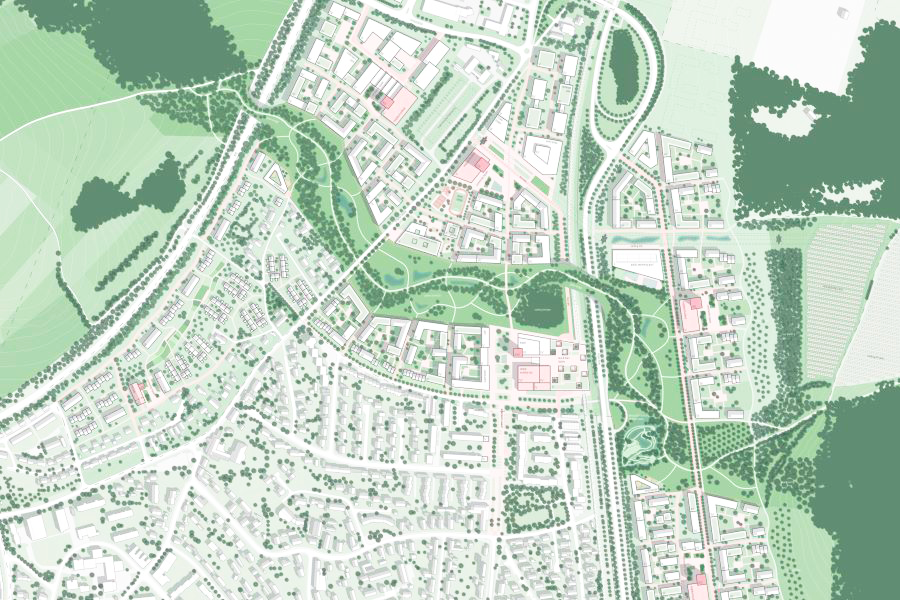
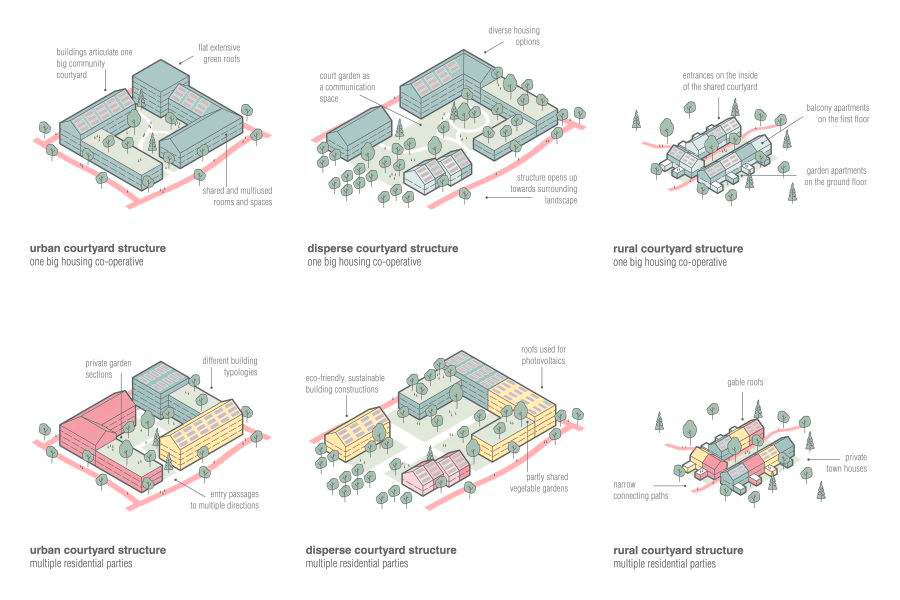
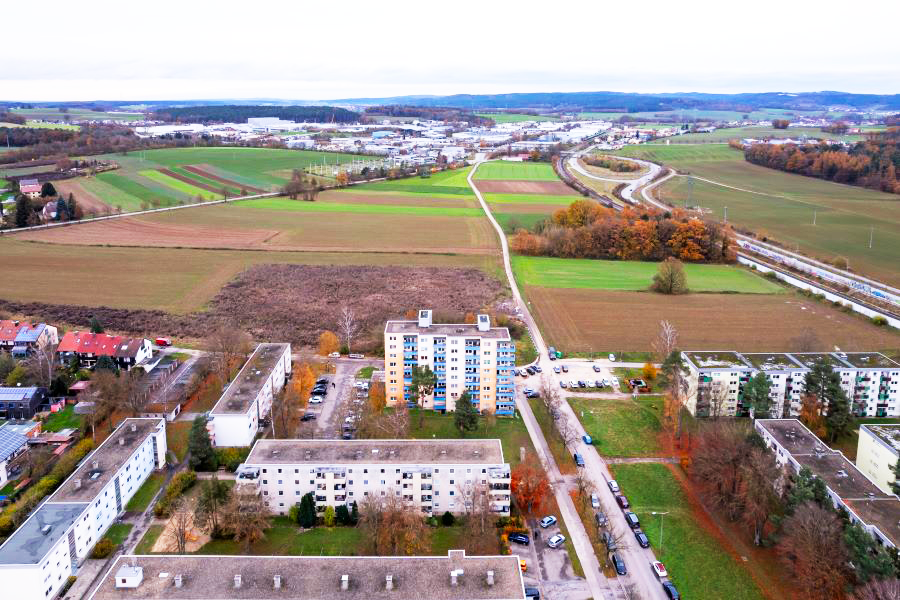
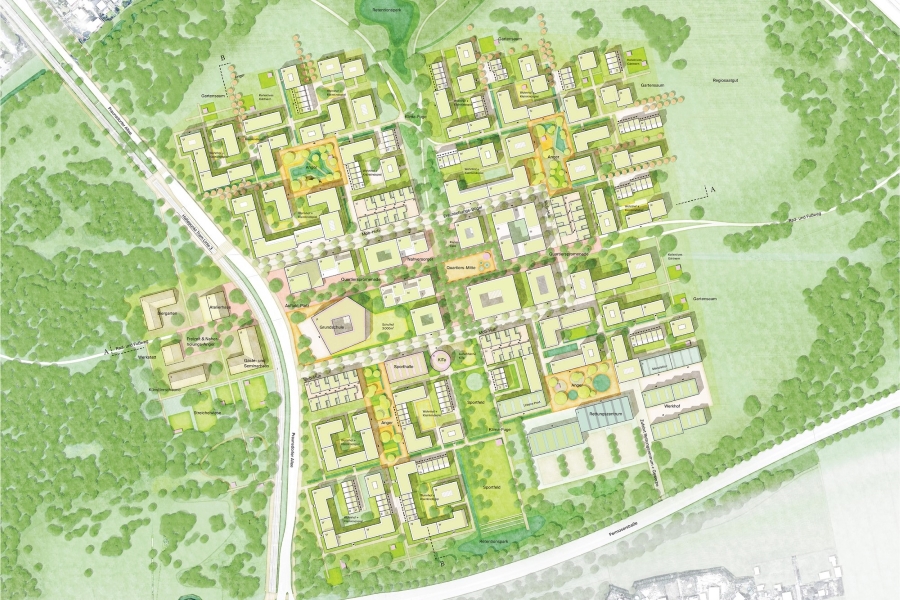
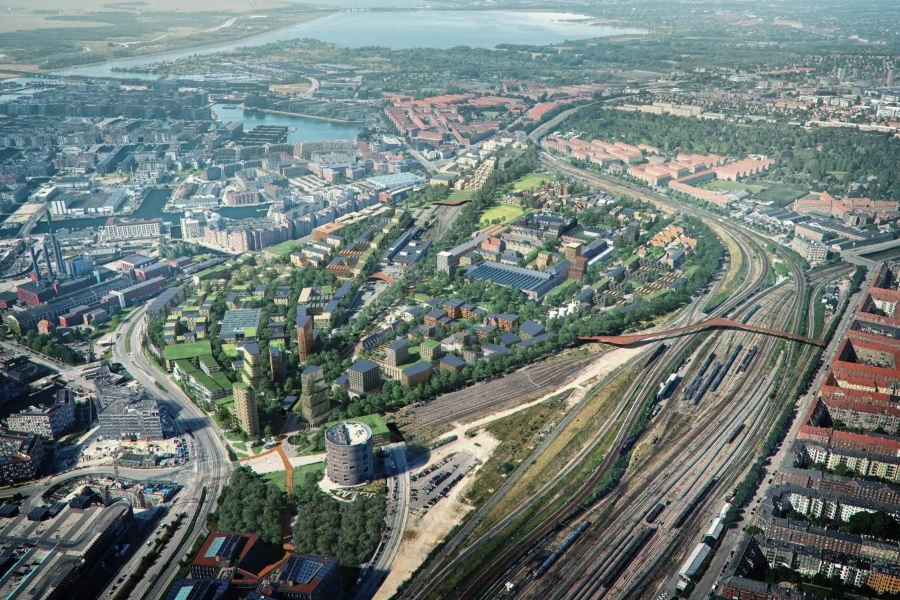
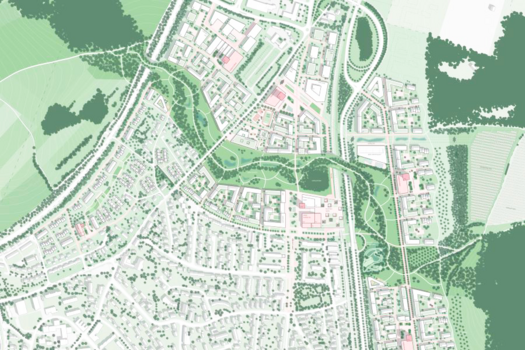
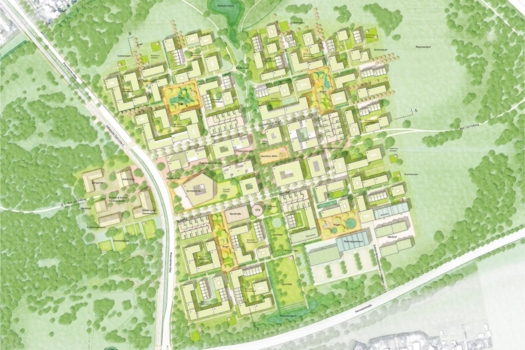
The “zam wachsn” concept is based on a careful analysis of the existing environment. Coexistence and communal living shape the design for Regensburg’s north. A compact construction leaves space for nature and shared areas. The horizontal landscape corridor links the existing biotopes and forests together. The architectural design respects topography and local characters while creating a strong sense of identity with the history of Regensburg.
2. How did the issues of your design and the questions raised by the site mutation meet?
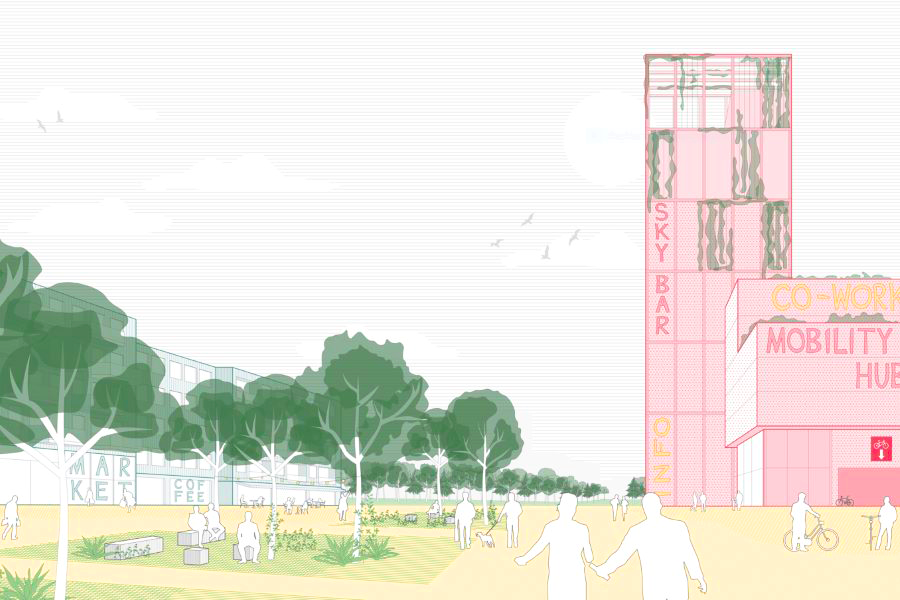
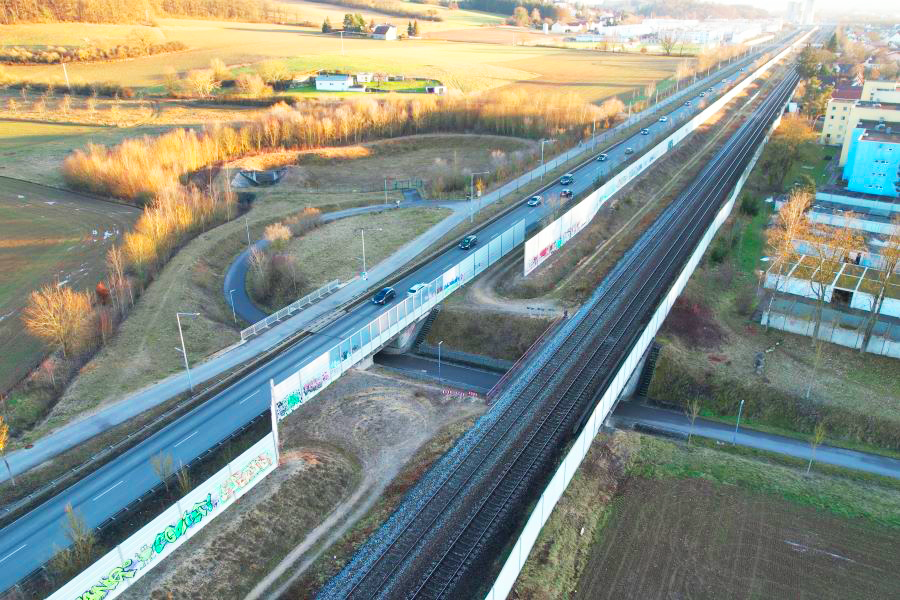
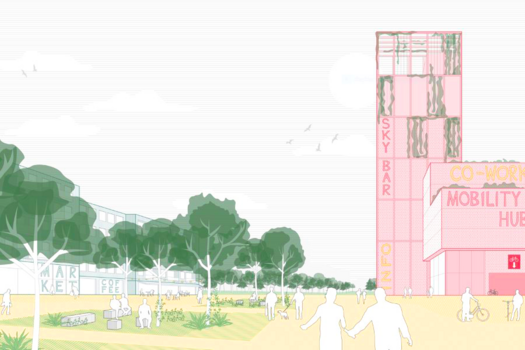
The intention of the competition was to create more living space in Regensburg and attract more workers through the new train stop and also a central mobility hub. In the context of resourcing, we set ourselves the goal of using the available space as effectively as possible. At the same time, the connection to the adjacent landscape areas is maintained by the green corridor.
PROJECT:
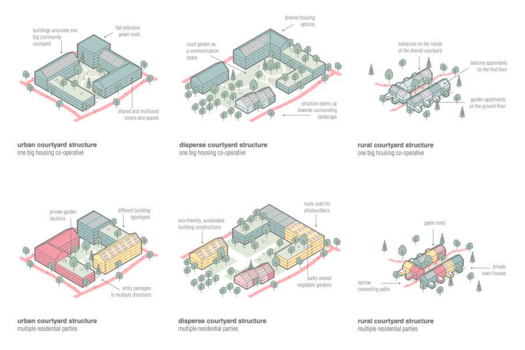
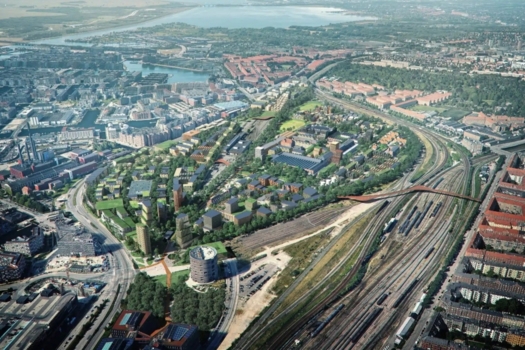
Future-oriented design and sustainability is part of our student identity. In response to some negative examples of urban expansion and anonymous housing estates, we aime to develop resilient and future-oriented proposals. As positive project references, we looked at “WoodHood” by ADEPT and “Quartiersinsel Heiterblick” by Cityförster and also at Jernbanebyen by COBE Architects.
SITE:
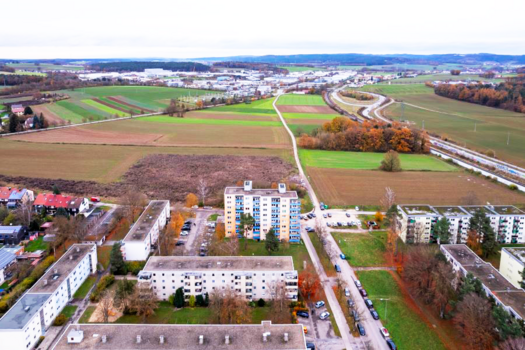
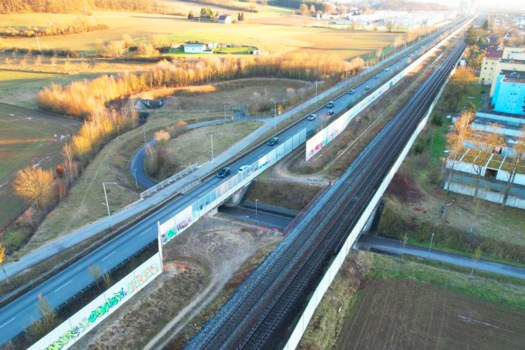
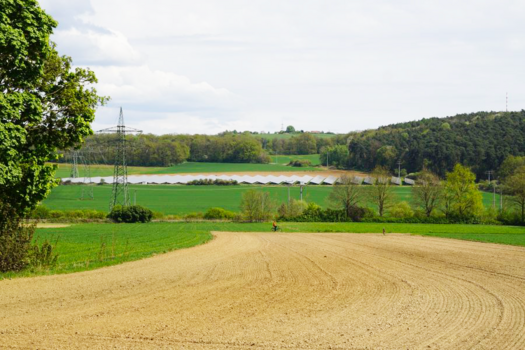
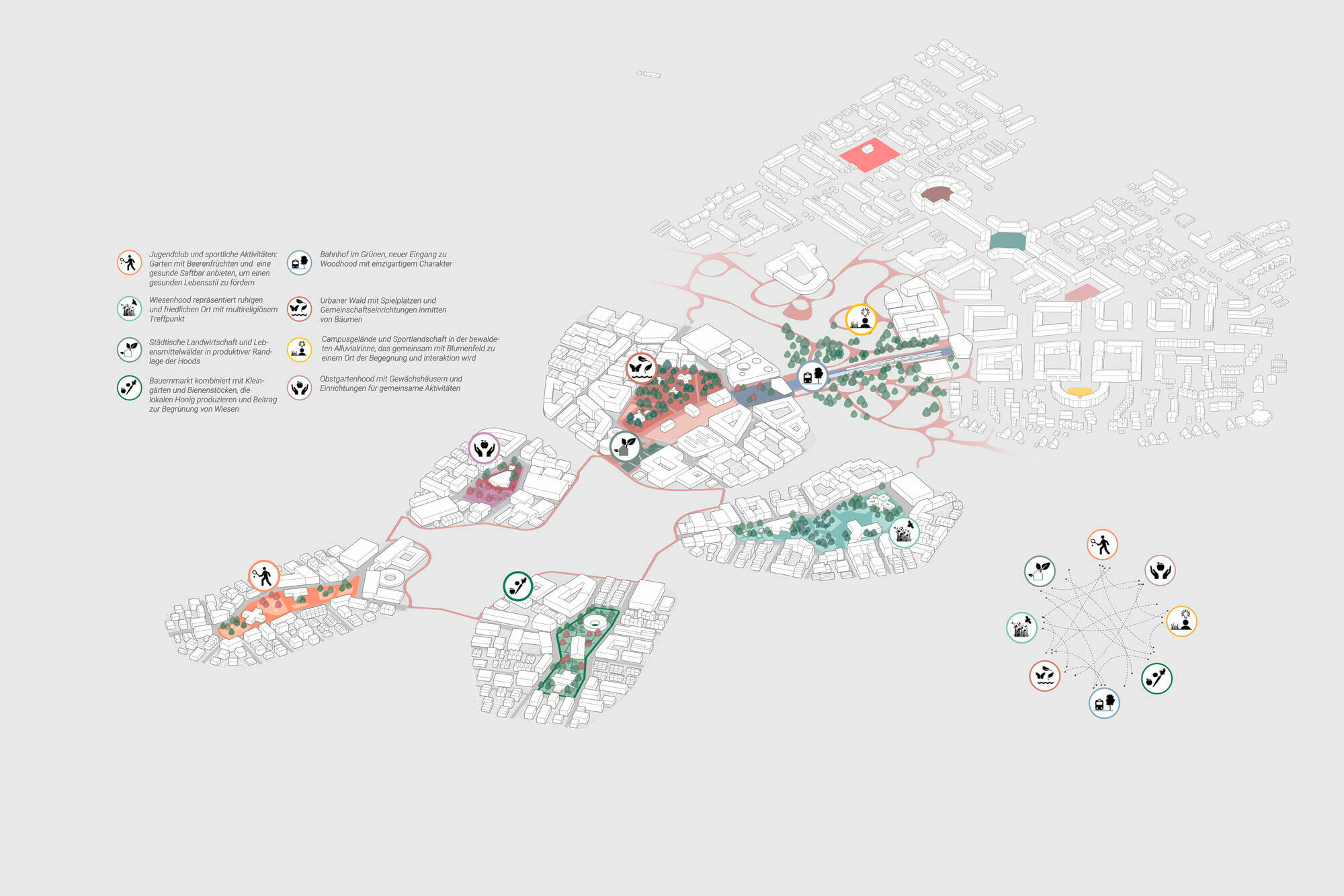
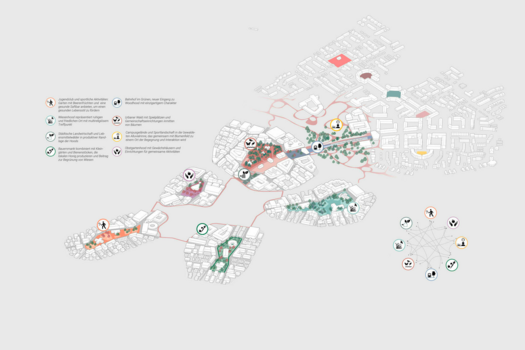
The decentralized neighborhood centers ensure that each neighborhood is internally consistent and self-sufficient. This makes the project well suited to being developed step by step. The core elements such as the railway stop, the school, and the large central mobility hub are planned for the first phase. Likewise, the green corridor is intended to be developed at an early stage so that it can grow and mature in its entirety.
REFERENCES:
The working group came together during an interdisciplinary module in our master's program (architecture & landscape architecture), although we also drew on successful collaborations from previous modules. The interdisciplinary approach had a positive impact on our design and workflow.
6. How could this prize help you in your professional career?
Absolutely. Precisely because we are all still at the beginning of our careers and will soon be applying for jobs after completing our master's degrees, this project can only be beneficial. The Europan events have also enabled us to make some valuable contacts.
TEAM IDENTITY
Legal status:
Team name:
Average age of the associates: 24 years old
Has your team, together or separately, already conceived or implemented some projects and/or won any competition? if so, which ones?
We have already worked on a few projects together in various constellations as part of our studies. However, these were rarely competitions. As working students, we have already gained some competition experience, but only won recognition in isolated cases.