Ce(ux) qui restent
Mantes-la-Jolie (FR) - Winner
TEAM DATA
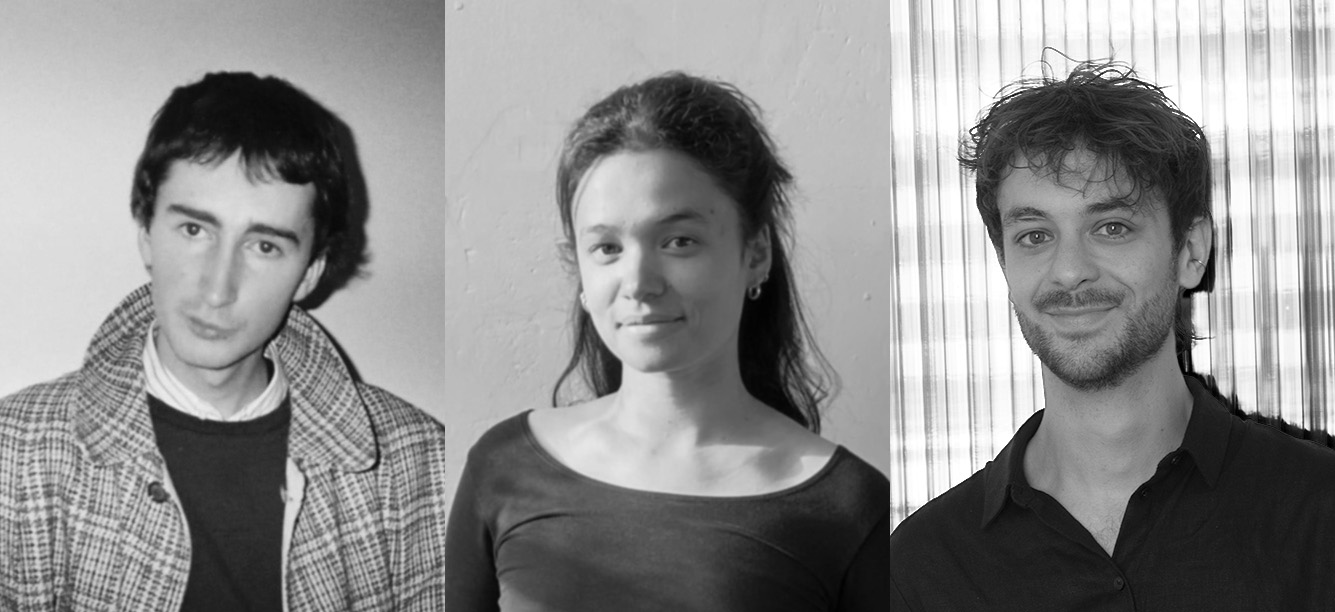
Associates: Vincent Prevost (FR) – architect and landscape architect, Camille Ginest (FR), Thomas Flores (FR) – architects and urbanists
Contributor: Richard Dmitri Hees (DE) – PhD on Pollution and Cost optimisation
thomas-flores@outlook.fr
See the complete listing of portraits here
See the site here
TEAM PORTRAIT
VIDEO (by the team)
INTERVIEW
Click on the images to enlarge
1. How do you define the main issues of your project in relation with the theme “Re-sourcing”? Re-sourcing thanks to nature, to social dynamics, to new materiality? In which way do you think your project can contribute to an ecological and/or social evolution? And in which way do you think your project can be called a “regenerative project”?
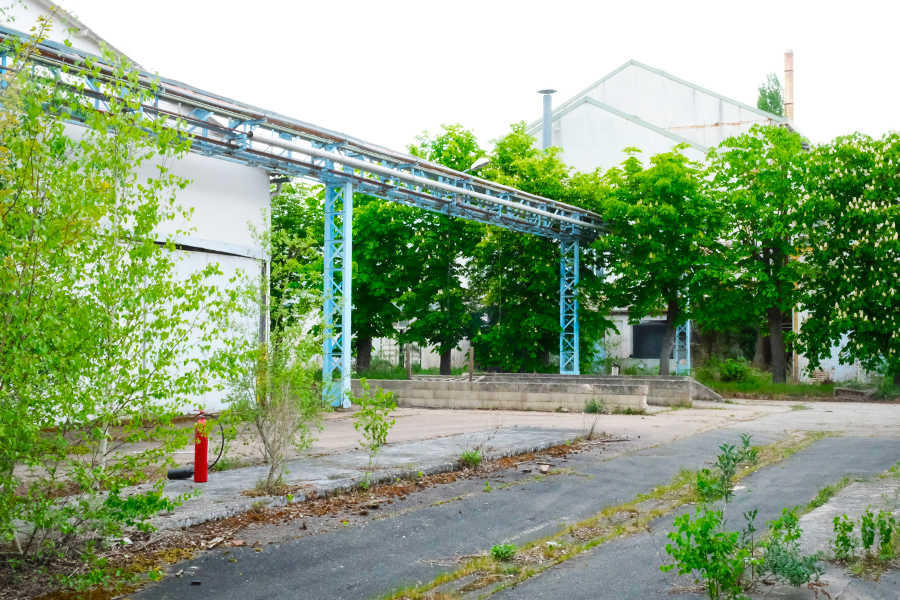
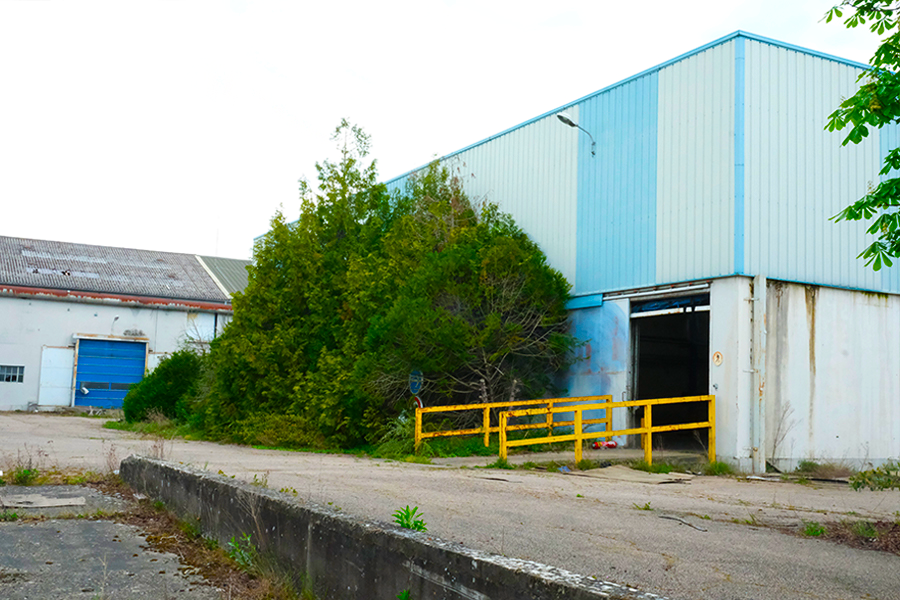
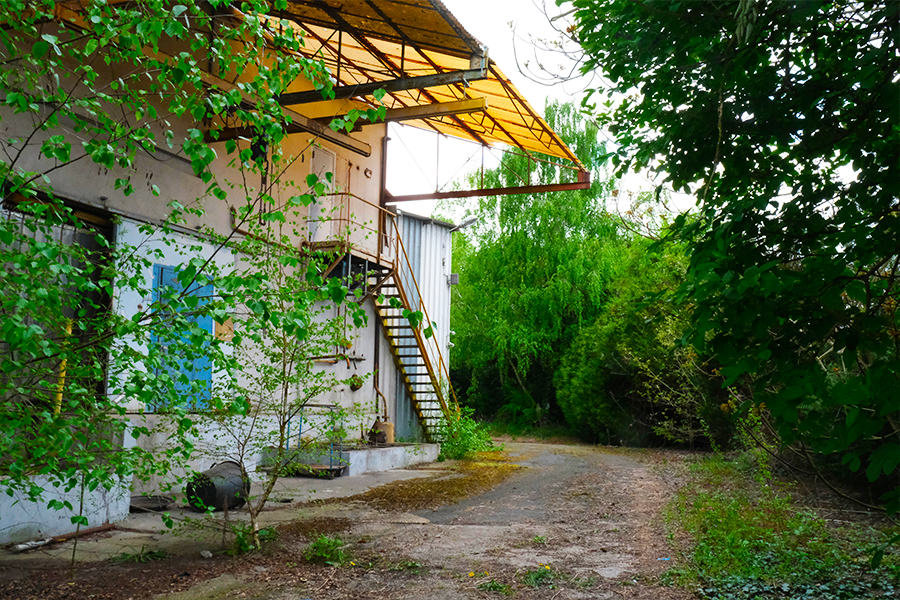
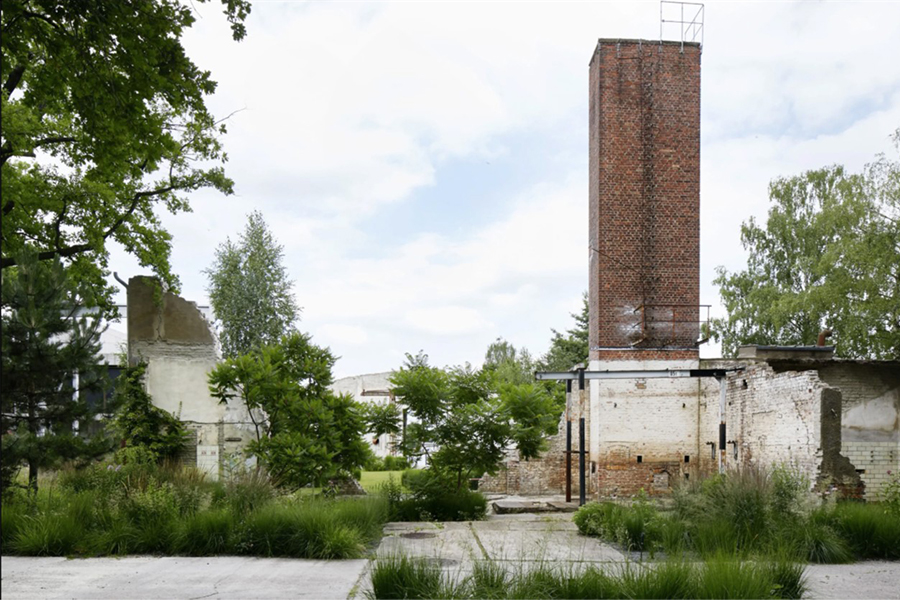
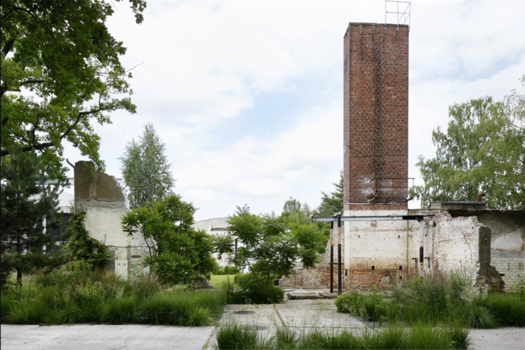
As a former active component of the beating heart of the Seine’s industrial valley, the city of Mantes-la-Jolie inherits a site marked by ambivalence: the abundance and richness of its built industrial heritage stand in opposition to the economic and ecological constraints imposed by massive soil pollution. Our project places this ambivalence at the core of a spatial strategy, combining the mapping of a toxic ecology with the logistics of excess material.
2. How did the issues of your design and the questions raised by the site mutation meet?
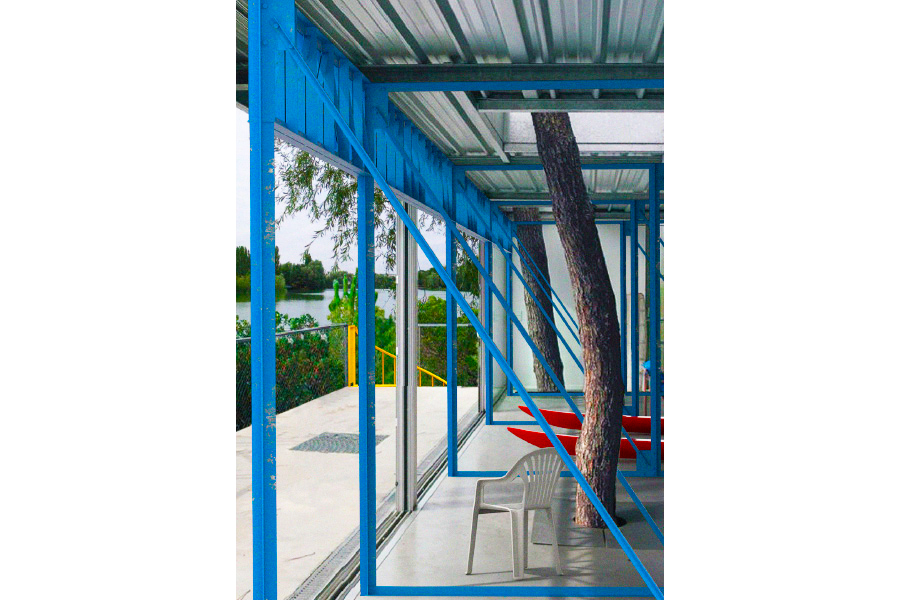
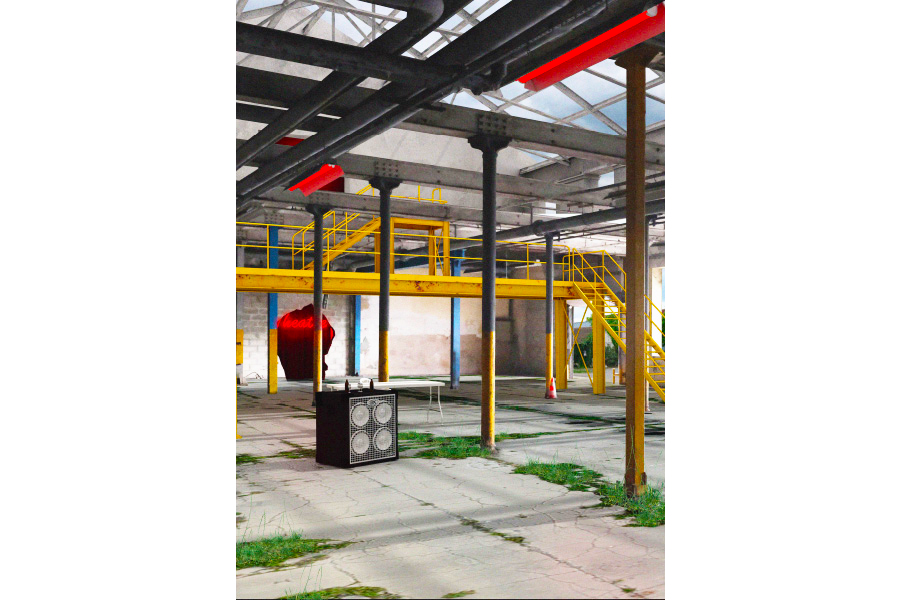
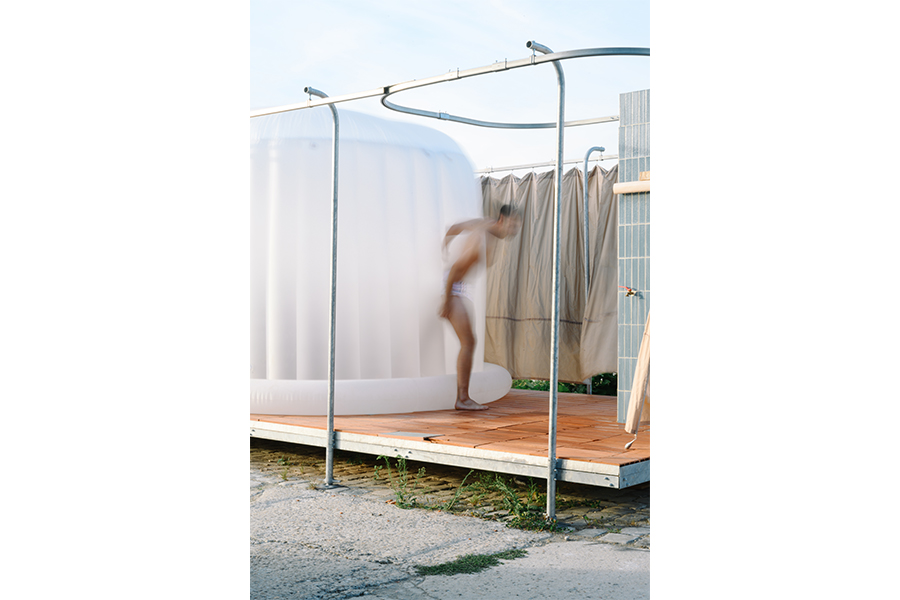
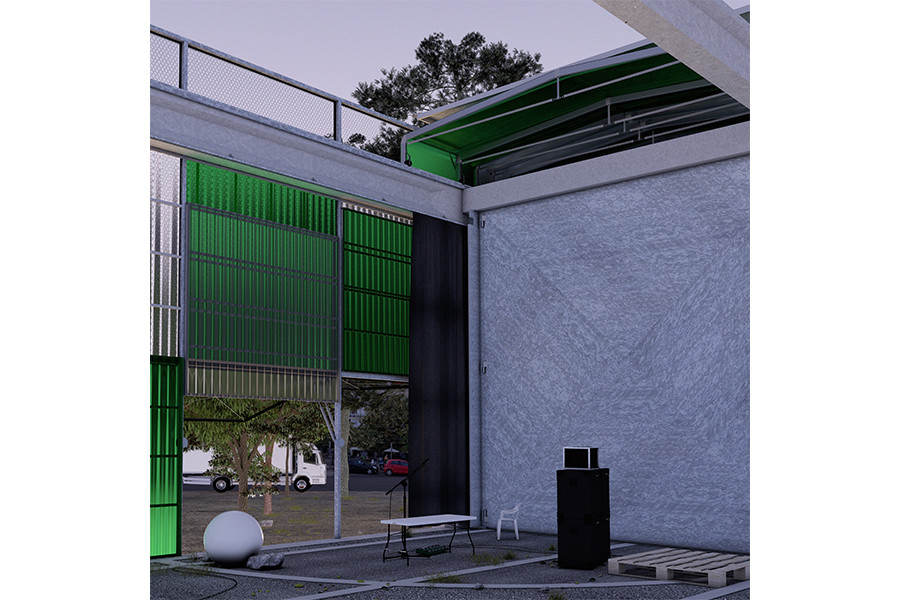
The very high cost of remediating the site requires a tactical approach that makes it possible to question the city’s operational priorities. Through a historical, morphological, and technical reading of the existing built fabric, our project proposes to bring back to light the spatial and landscape structure of the 19th-century paper factory, through three spatial scenarios around which a progressive reappropriation of the site is articulated.
PROJECT:
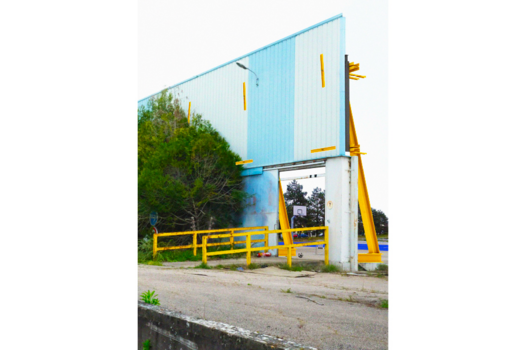
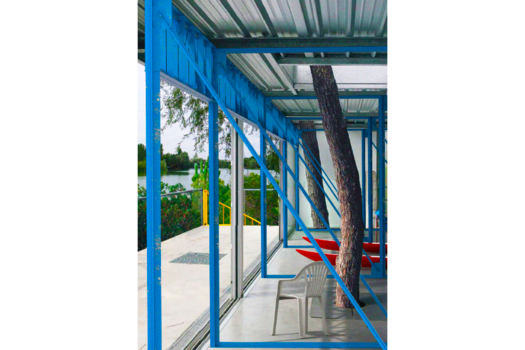
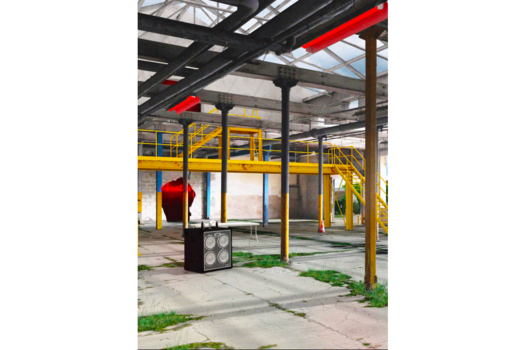
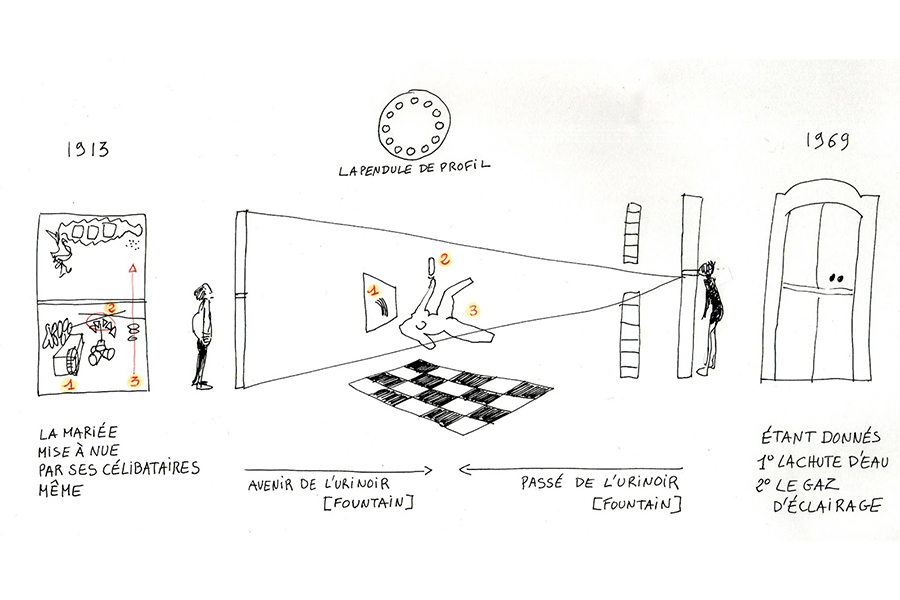
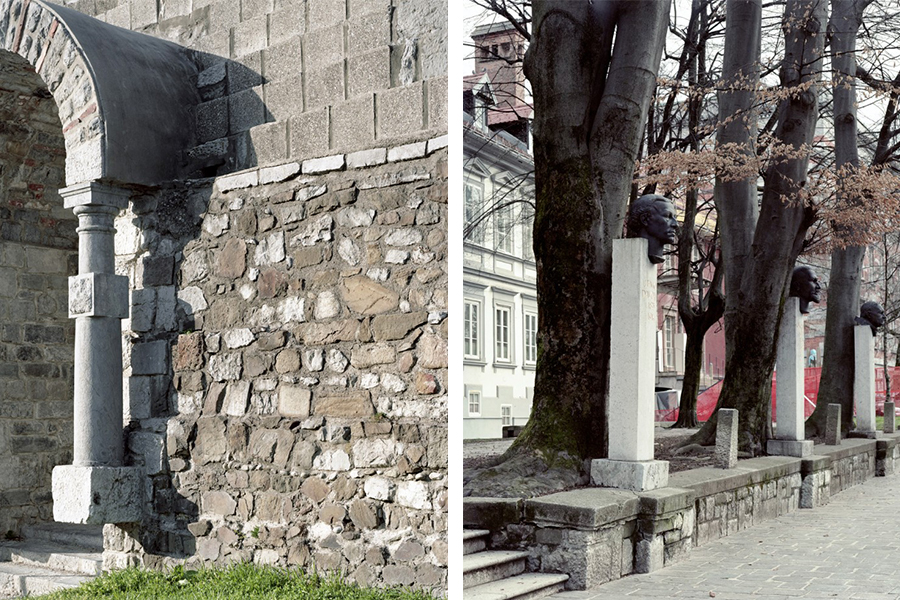
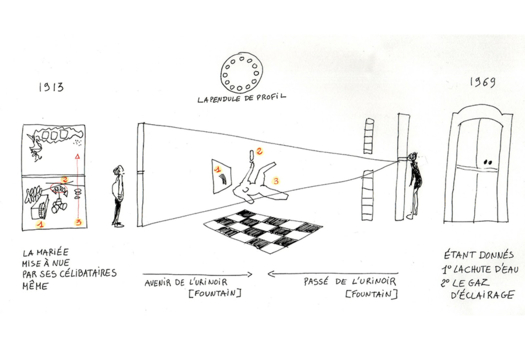
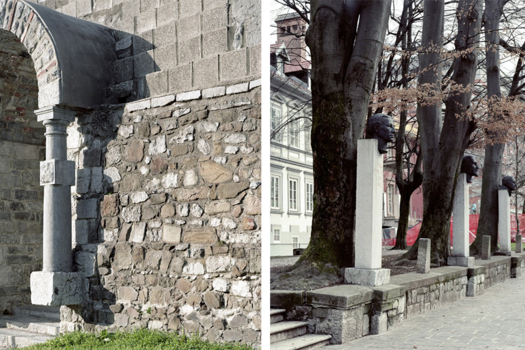
We have encountered these issues through our collaborations with architecture and urbanism offices where we have worked, whether at the urban scale—through the analysis and integration of historical morphologies into new plans—or through material research focused on the repurposing of architectural elements. In this context, the work of the Slovenian architect Jože Plečnik is a key reference, finding contemporary relevance in practices such as that of Berlin-based architect Tanja Lincke.
SITE:
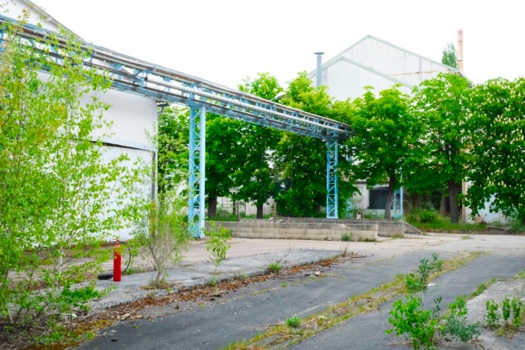
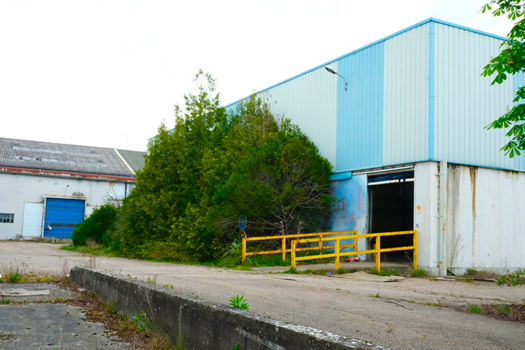
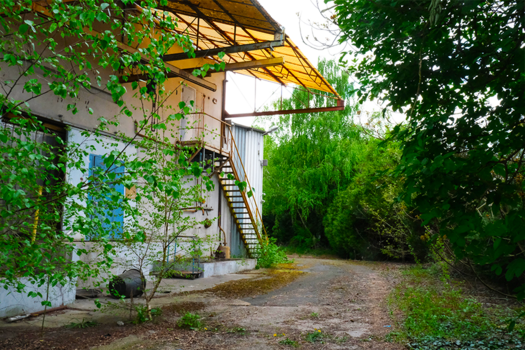
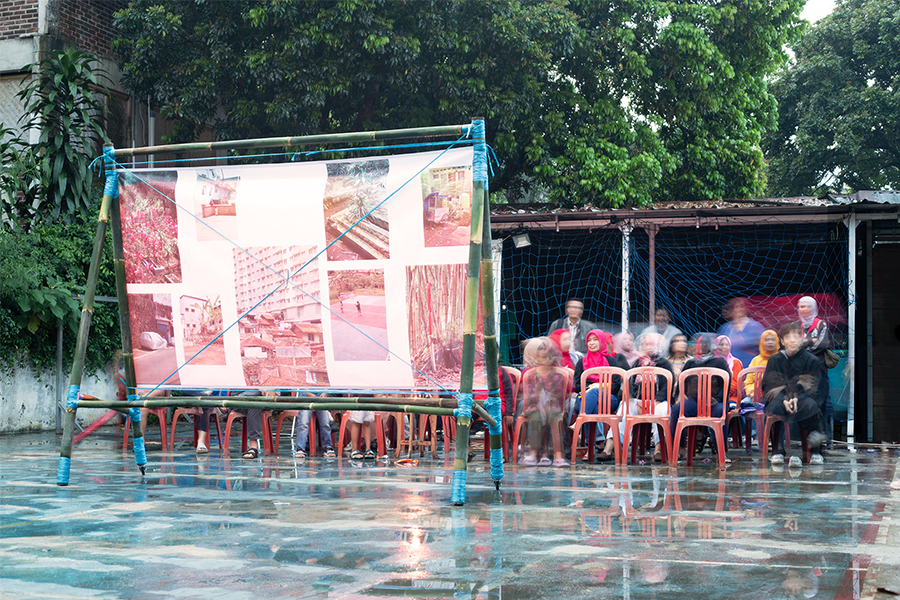
Through the three scenarios of our project, we propose a spatio-temporal phasing of the site, distinguishing operational zones in the short, medium, and long term. For each of the three scenarios, the project identifies specific groups of stakeholders with the aim of funding public space: while the first “quick win” scenario involves the city and local associations, the second engages real estate developers responsible for housing construction, and the third calls for metropolitan-level participation.
REFERENCES:
We met at the Paris-Est School of Architecture (EAVT), where we graduated in 2022. Since then, we have continued to collaborate through Europan; our “Special Mention” in Madrid during the E17 session encouraged us to take part again two years later. Vincent has a background in landscape design and works as an architect, while Thomas and Camille were trained at the intersection of urbanism and architecture. For this project, we expanded the team to include an asbestos pollution researcher, Richard Hesse, whose expertise helped us address the specific challenges of the site.
6. How could this prize help you in your professional career?
This winning prize is an important step toward the foundation of a collective practice. Firstly, through the connection it provides with a potential client, but above all in the public tender format, which we aim to integrate into future projects. Thus, we believe that the network of practitioners that Europan has built over more than 20 years of activity provides a solid foundation for exchanging knowledge, fostering collaboration, and developing innovative urban and architectural approaches.
TEAM IDENTITY
Legal status:
Team name:
Average age of the associates:
WORKS: