Cultural Archipelago
Amersfoort-Stadhuisplein (NL) - Winner

TEAM DATA
Associates: Maria Vittoria Tesei (IT) – architect urbanist, Flavio Martella (IT) – architect
m2ft.architects@gmail.com / info@m2ft-architects.com / m2ft-architects.com
See the complete listing of portraits here
See the site here
TEAM PORTRAIT
VIDEO (by the team)
INTERVIEW
Click on the images to enlarge
1. How do you define the main issues of your project in relation with the theme “Re-sourcing”? Re-sourcing thanks to nature, to social dynamics, to new materiality? In which way do you think your project can contribute to an ecological and/or social evolution? And in which way do you think your project can be called a “regenerative project”?
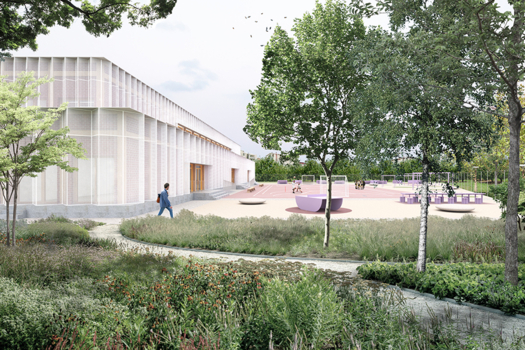
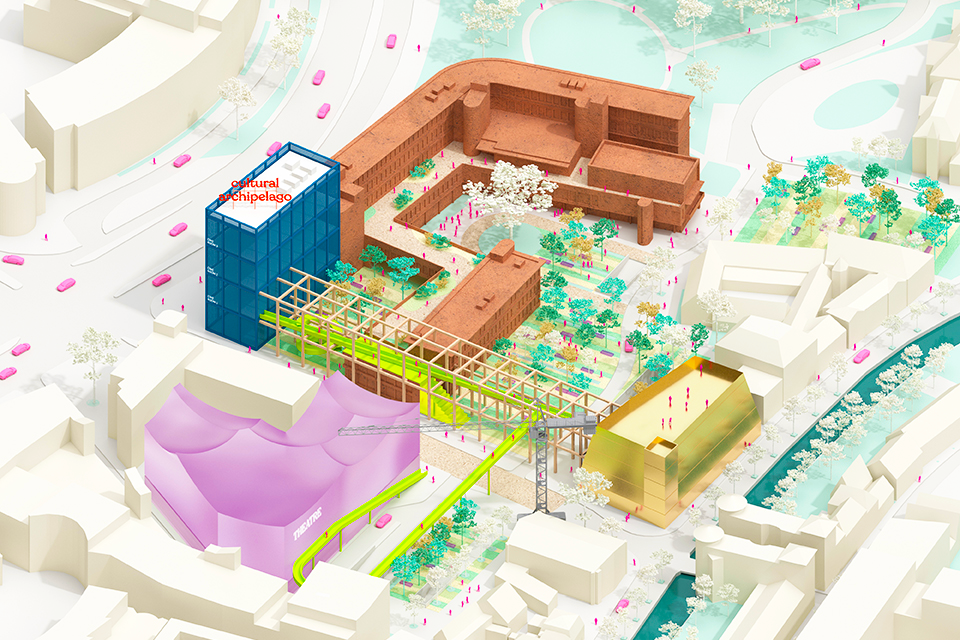
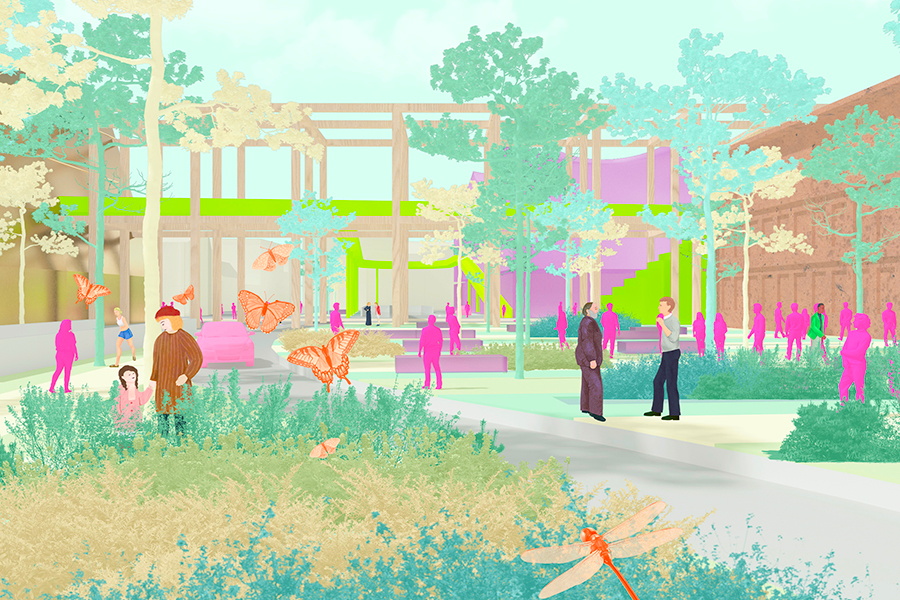
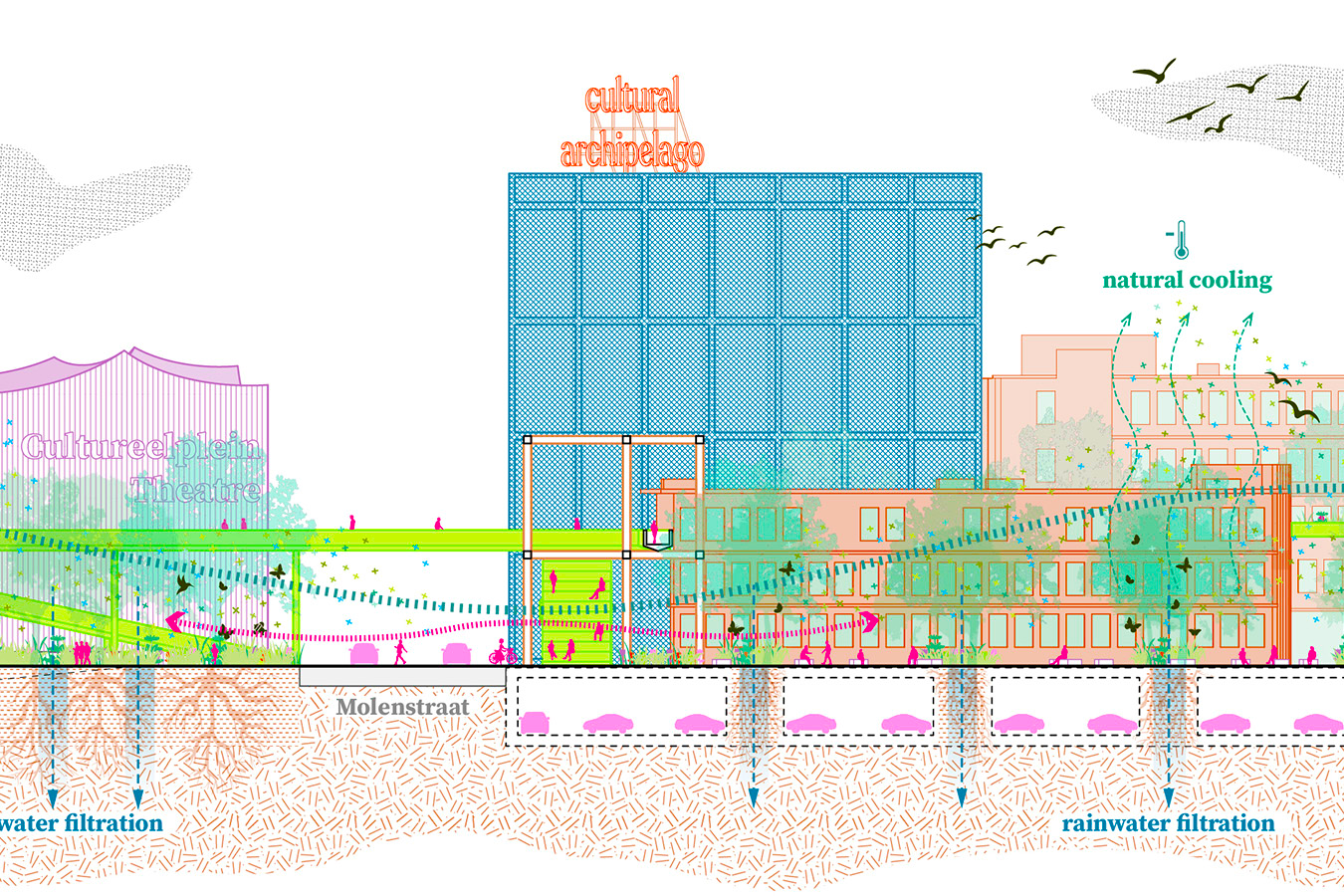
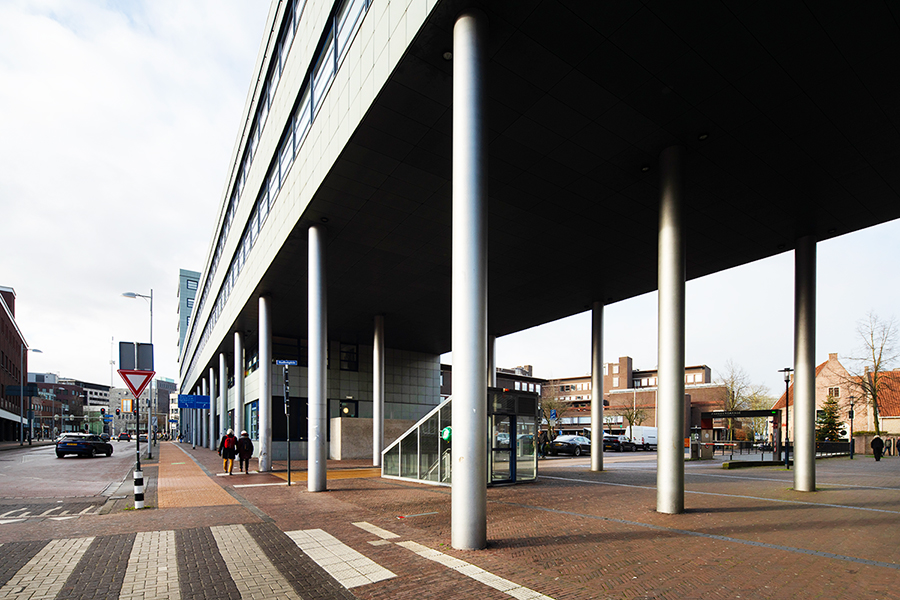
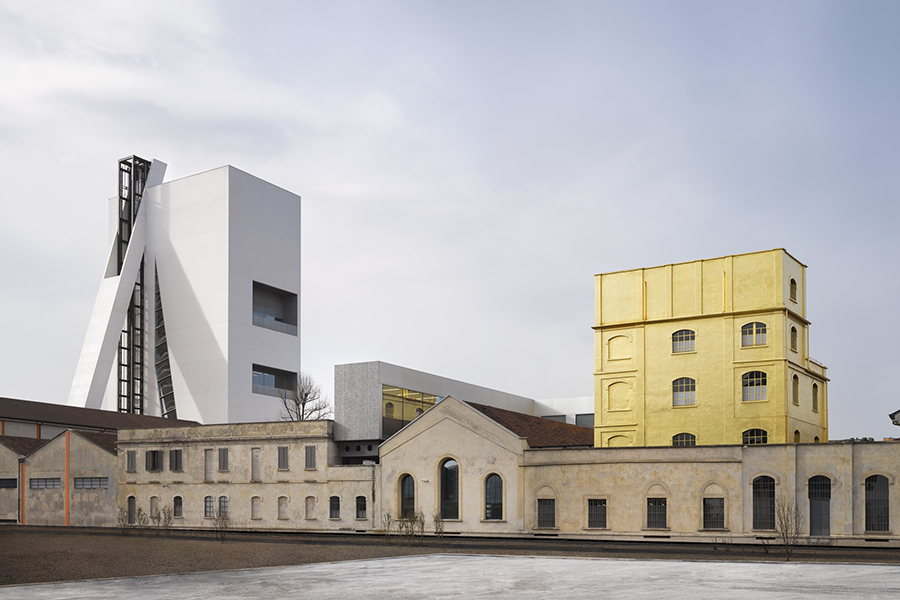
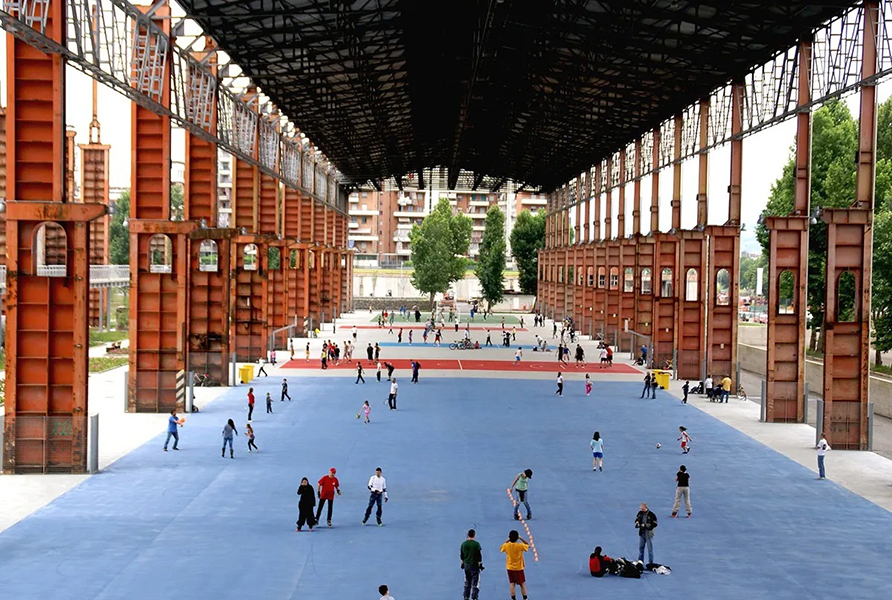
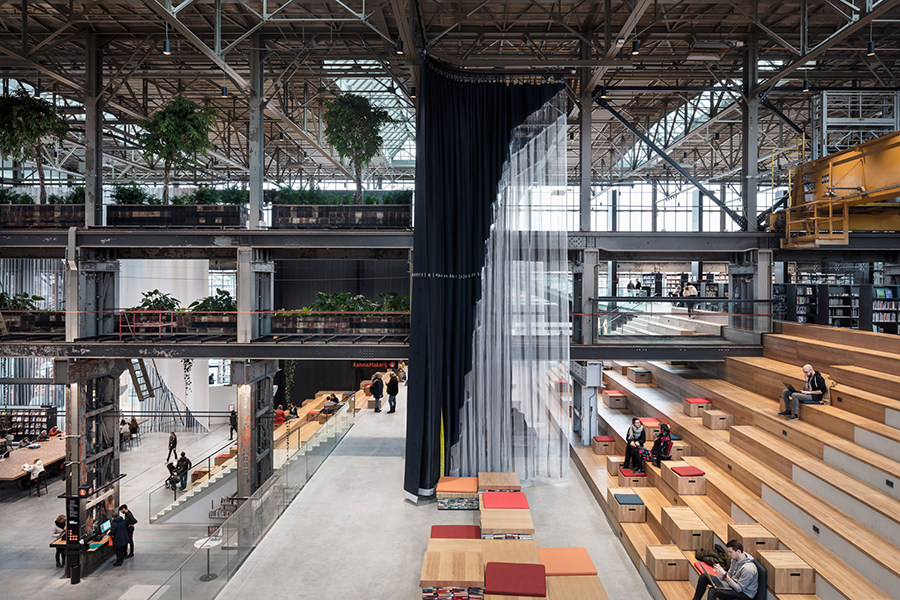
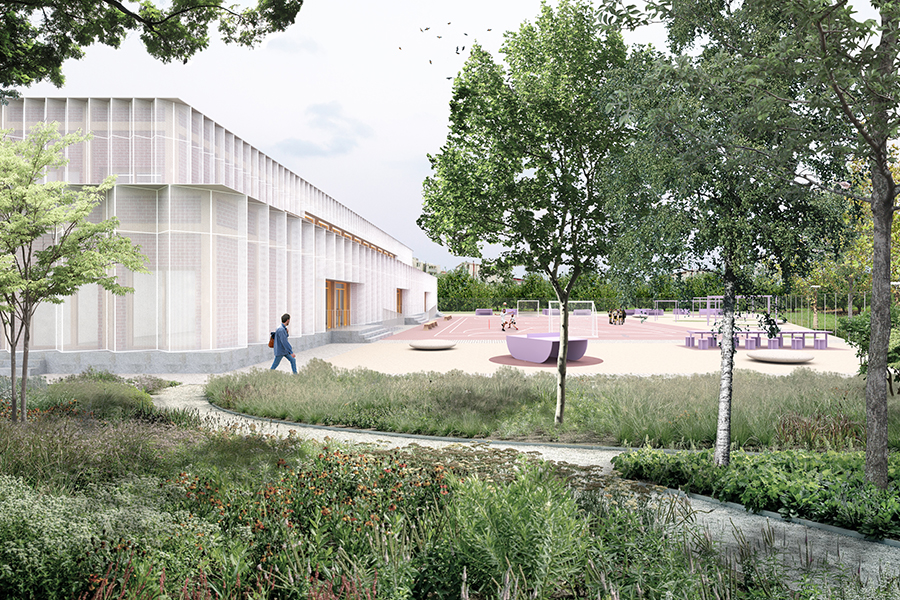
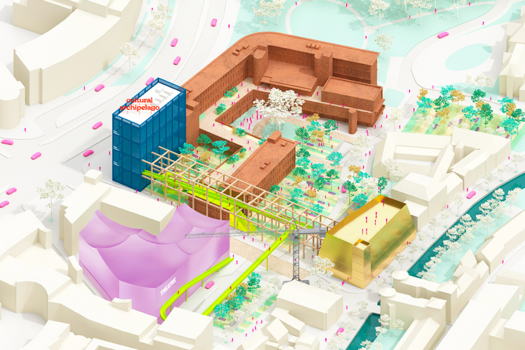
Our project defines re-sourcing as reusing existing buildings, heritage and latent landscapes. It re-sources from social dynamics by creating a cultural archipelago connecting institutions, citizens, and emerging actors; from nature through soil regeneration and biodiversity; from material cycles via adaptive reuse. It is regenerative as it creates ecological, urban and social value through time.
2. How did the issues of your design and the questions raised by the site mutation meet?
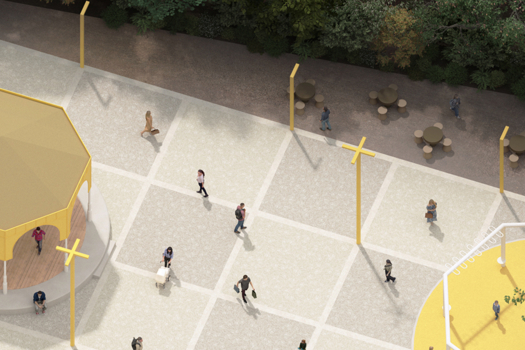
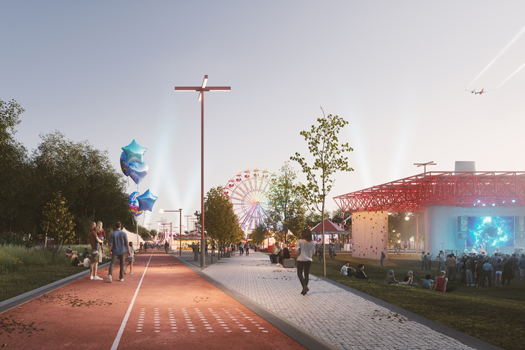
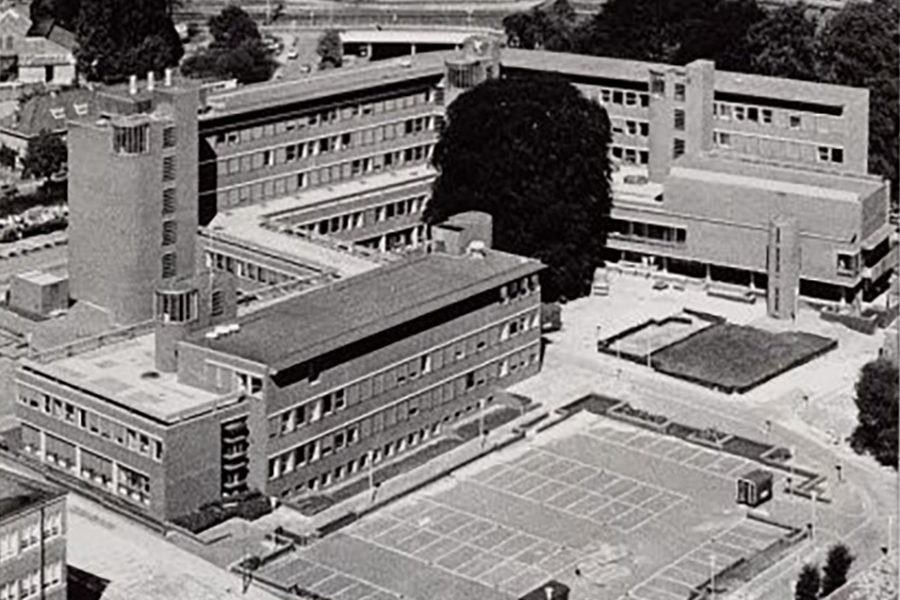
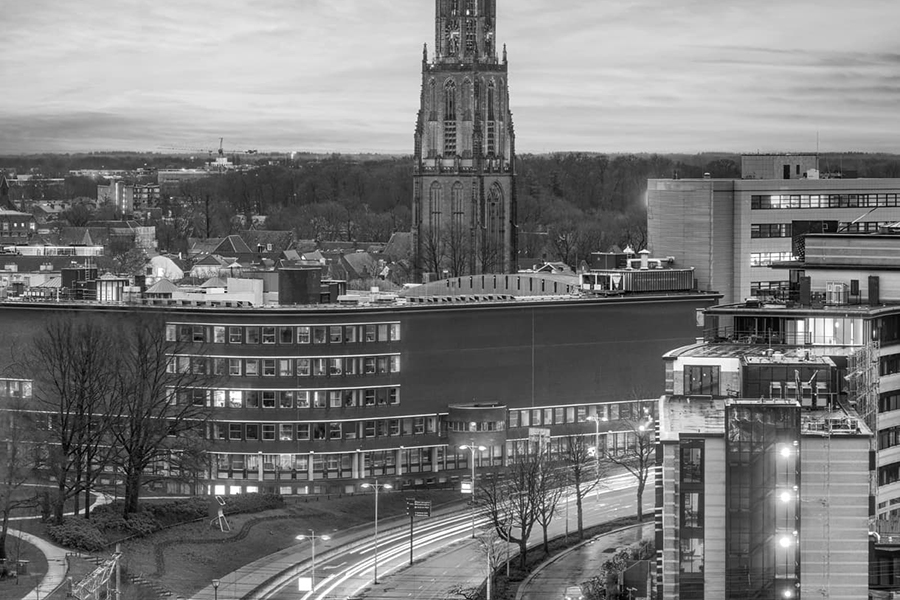
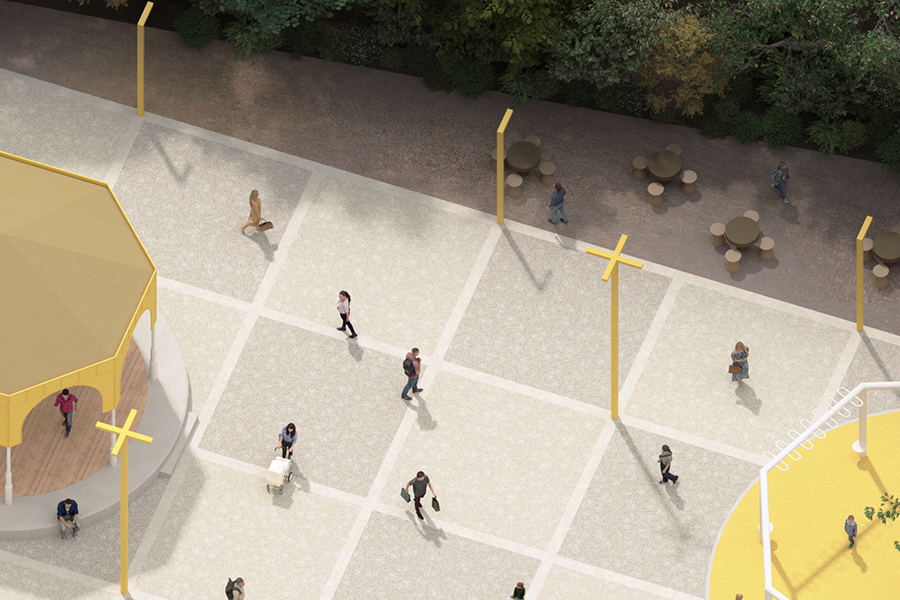
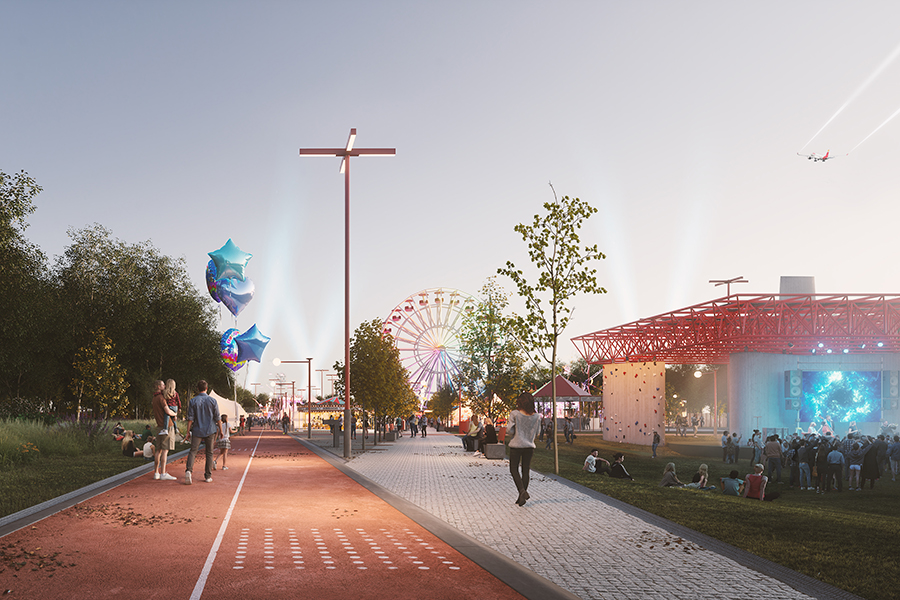
The project responds to the site’s mutation through an open framework that turns fragmentation and obsolescence into connectivity and opportunity. Existing buildings and residual spaces become adaptable resources, supporting a phased transformation where programs, social uses, and public landscapes can evolve, overlap, and adjust over time to changing urban and cultural dynamics.
PROJECT:
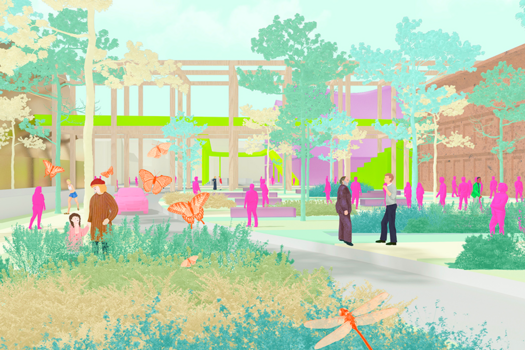
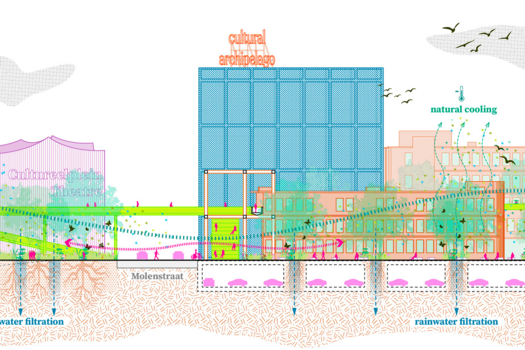
Yes. Our work builds on continuous research into regeneration, reuse, and urban transformation. We often engage critically with theories and practices of incremental change, circular construction, and cultural-led renewal, informed by both contemporary European projects and broader debates on memory, sustainability, and the city as a process rather than a finished object.
SITE:
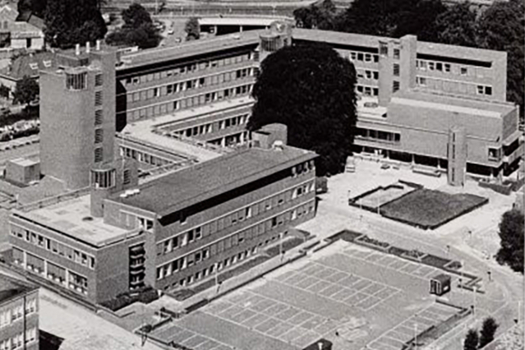
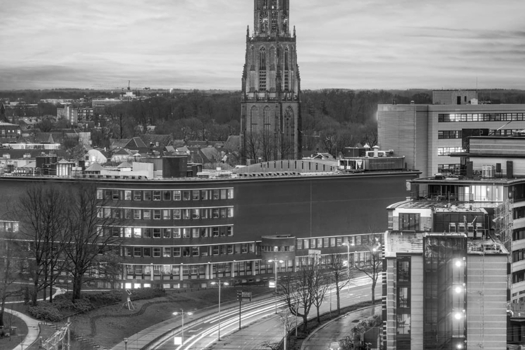
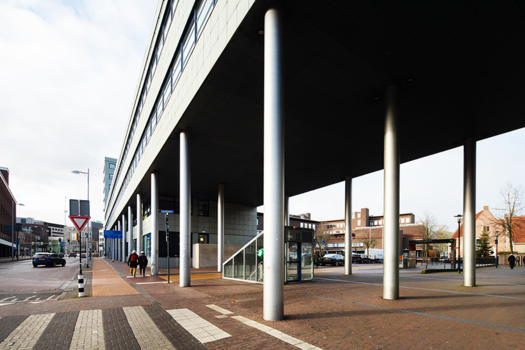
The project is conceived as a negotiated, time-based process. Its phased structure allows public institutions, cultural actors, and private stakeholders to progressively engage, test uses, and co-define spaces. Strong architectural and identity-driven gestures provide a clear framework, while adaptable programs and public management ensure cooperation, viability, and long-term shared ownership.
REFERENCES:
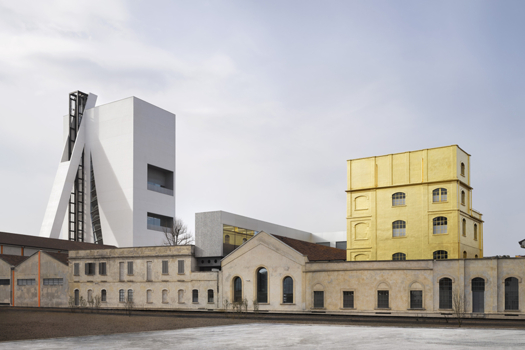
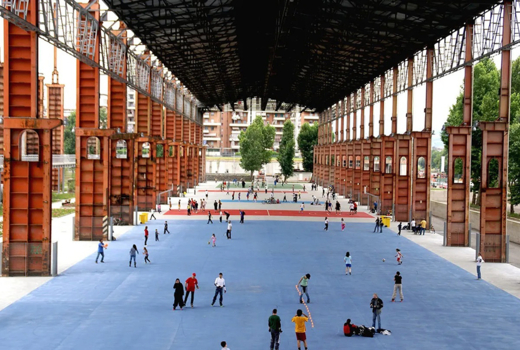
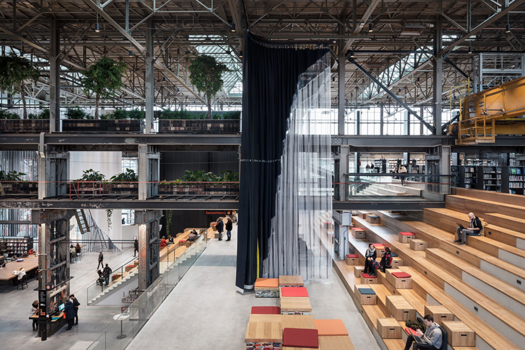
We have been working together since 2018 under the name “m²ft architects”. We mainly work through international public competitions, as an interdisciplinary laboratory that combines architecture, urban planning and public space design, combining design practice with ongoing theoretical and technological research.
6. How could this prize help you in your professional career?
Absolutely! All the more so if we can establish a lasting dialogue with the municipality of Amersfoort to continue developing this project together and deepen its challenges and complexities.
TEAM IDENTITY
Legal status: collective (Maria Vittoria Tesei, Flavio Martella)
Team name: m²ft architects
Average age of the associates: 35 years old
Has your team, together or separately, already conceived or implemented some projects and/or won any competition? if so, which ones?
We participate almost exclusively in international public competitions. In recent years, in addition to a second prize and a special mention at Europan 17, we have won several prizes and awards and implemented projects, including: First Prize for the regeneration of the Sant’Eligio district in Martina Franca, Italy; Second Prize for the urban regeneration of the Monte Ortobene ZPS in Italy; Second Prize for the construction of a Park with a Fairground in Madrid, Spain; First Prize for the construction of the G. Marconi secondary school in Battipaglia, Italy; Third Prize for the construction of the E. Fermi secondary school in Scandicci, Italy; and several other awards...
WORKS: