De Pedres, Pans!
Barcelona-La Font del Gos (ES) - Runner-up
TEAM PORTRAIT
VIDEO (by the team)
INTERVIEW
Click on the images to enlarge
1. How do you define the main issues of your project in relation with the theme “Re-sourcing”? Re-sourcing thanks to nature, to social dynamics, to new materiality? In which way do you think your project can contribute to an ecological and/or social evolution? And in which way do you think your project can be called a “regenerative project”?
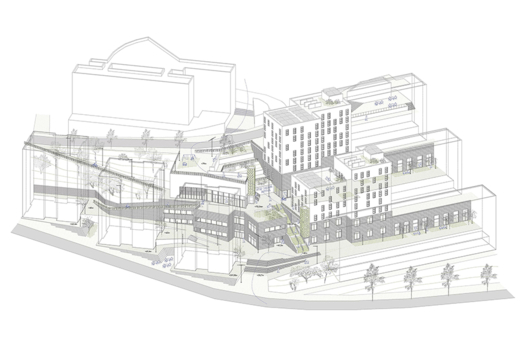
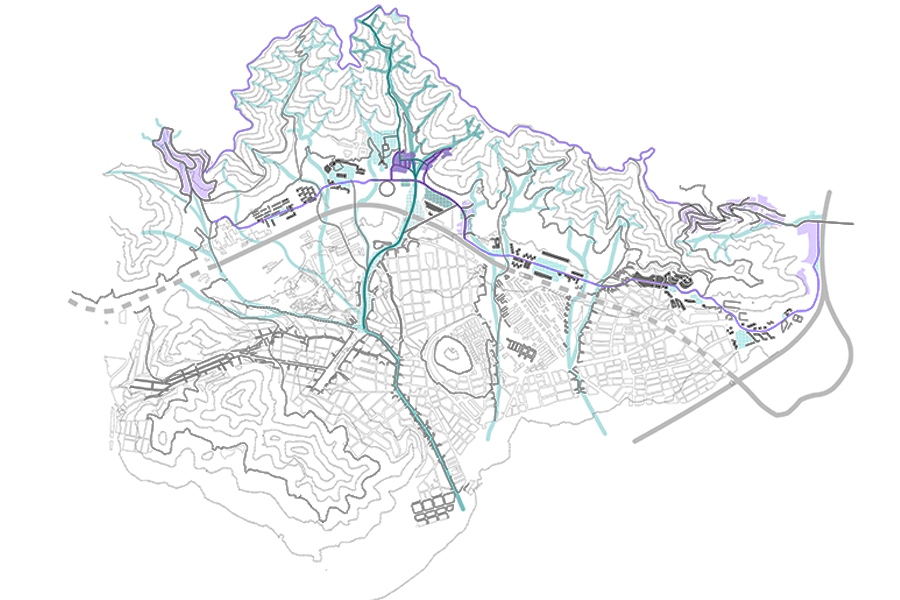
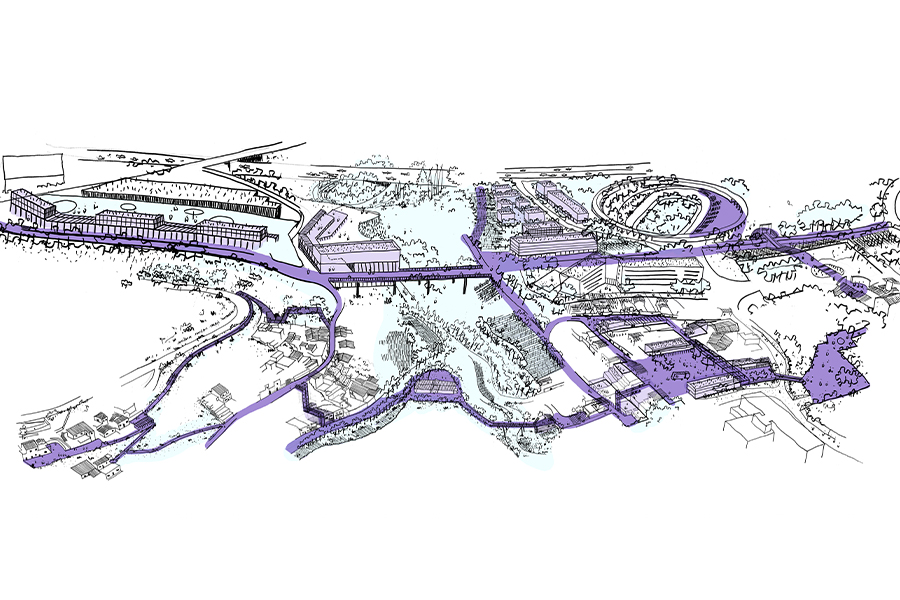
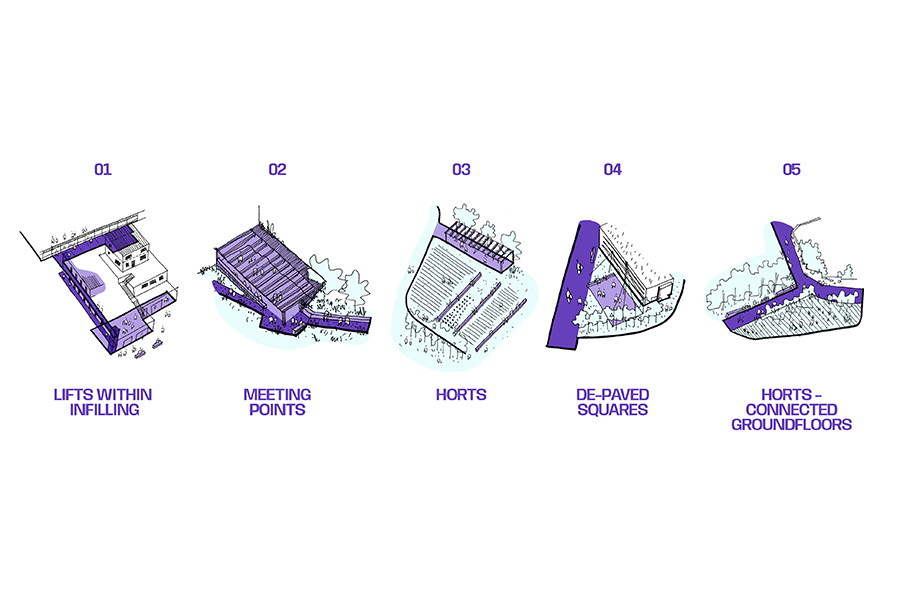
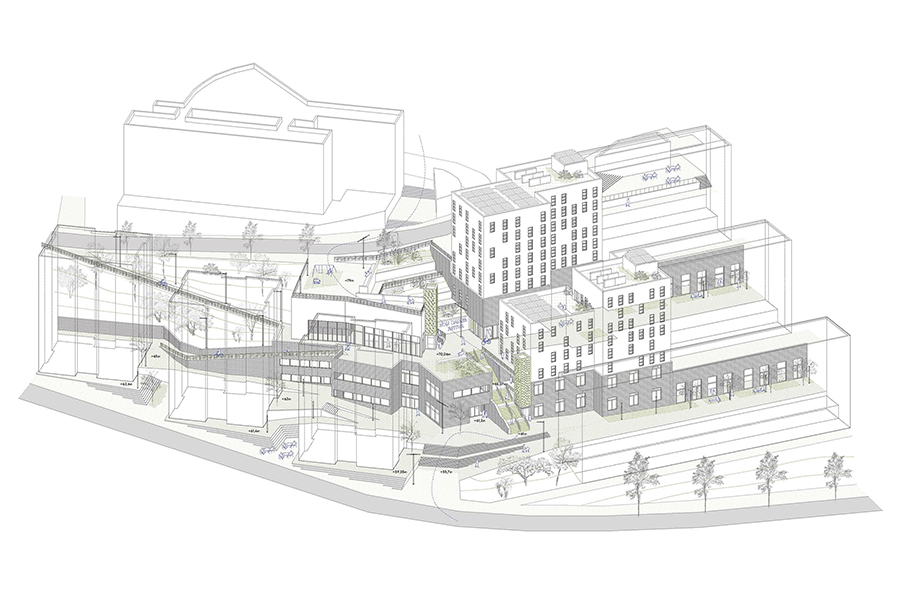
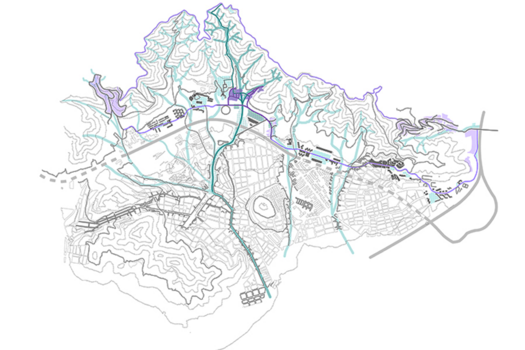
The project re-sources natural flows, social structures, and urban continuities by reopening torrents, restoring neighbourhood links and reusing grey infrastructure. A systematic and territorial approach to community-led action throughout the Collserola foothills has La Font del Gos as its focal point, employing closed-cycle logics of water, soil, materials, and social dynamics to ensure its regenerative outlook.
2. How did the issues of your design and the questions raised by the site mutation meet?
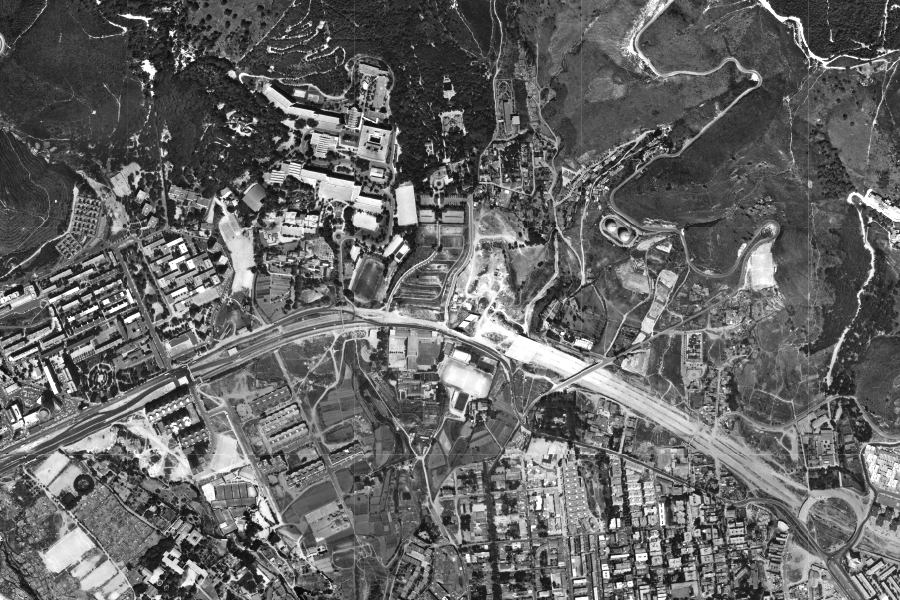
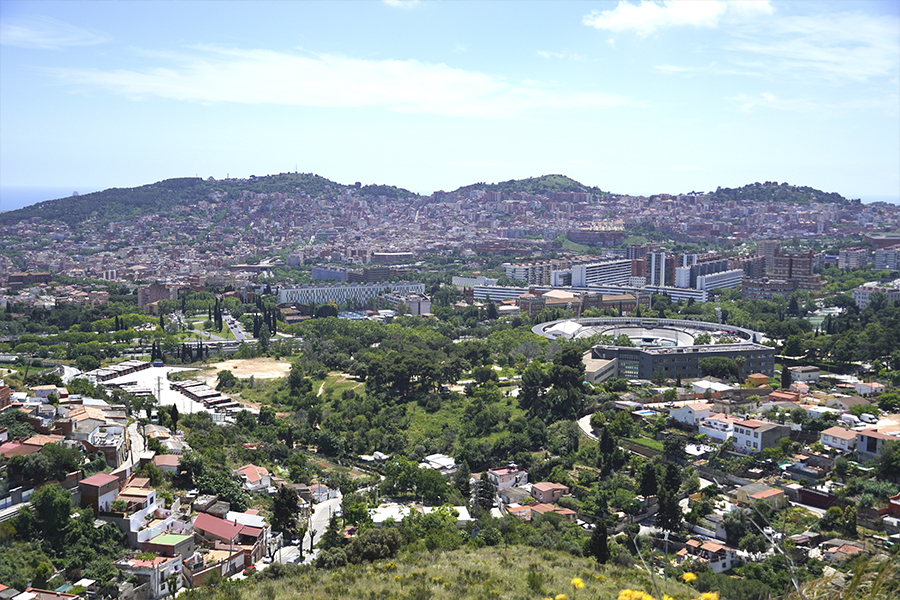
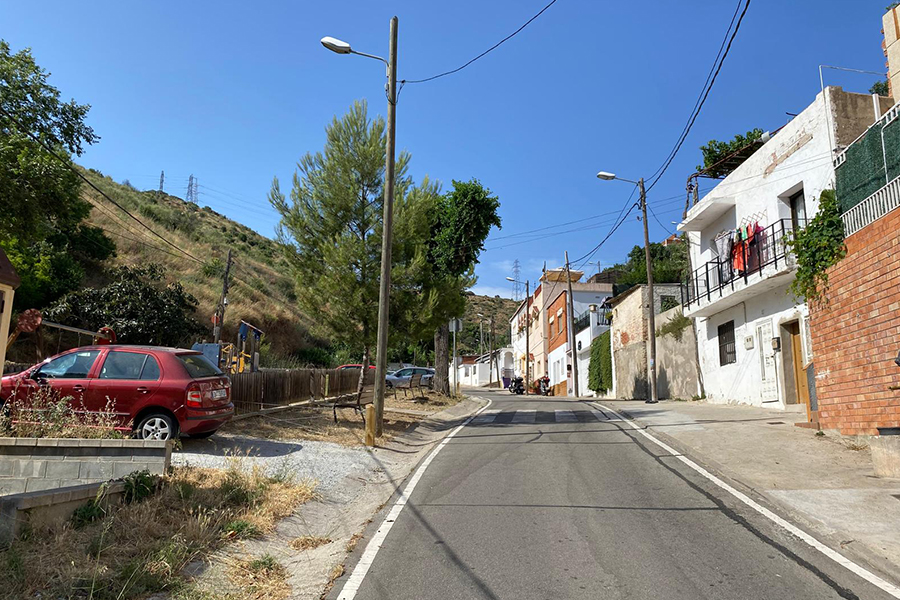
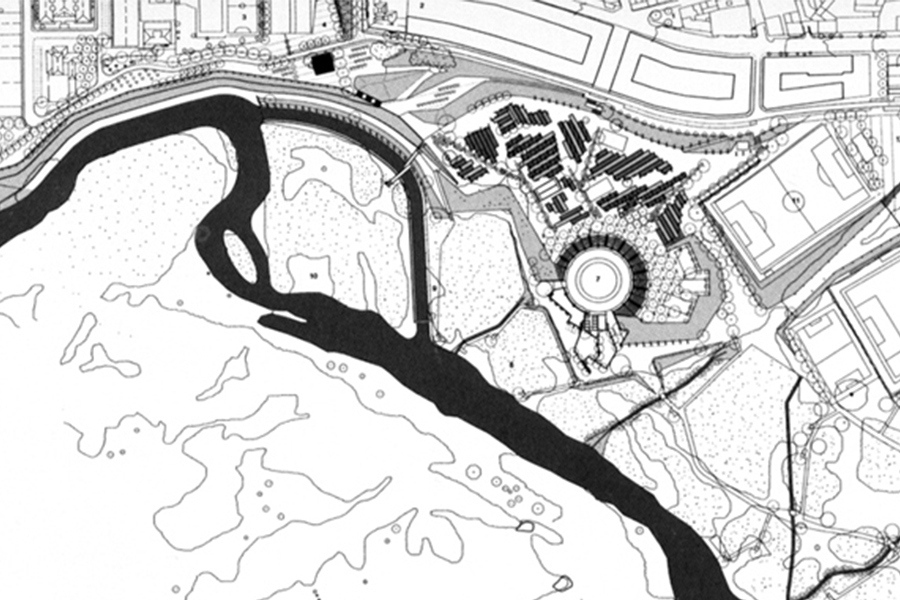
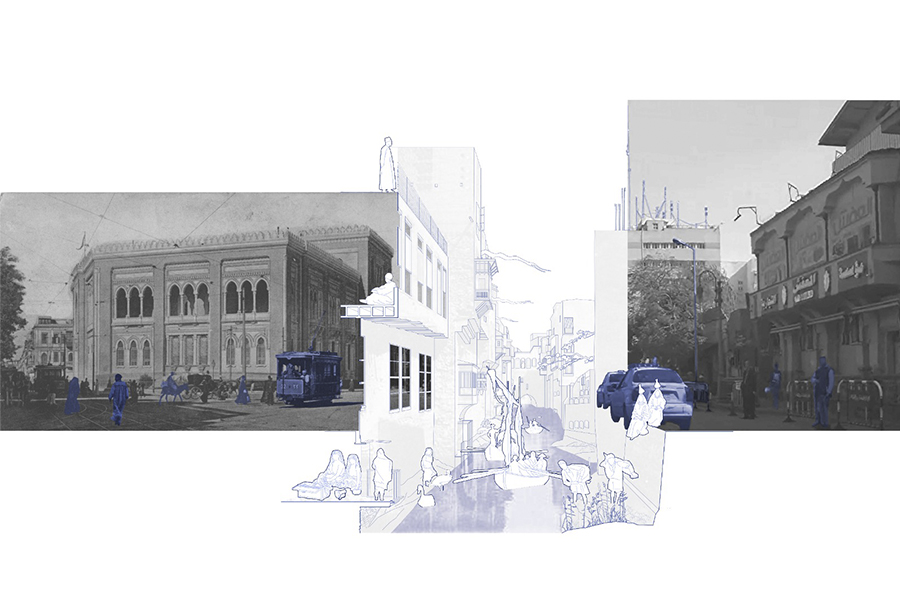
The site’s isolation from the city, its fragmentation, steep topography, and obsolete infrastructure challenged our goals of reconnecting ecological flows and social networks. The torrent offered a natural spine, while underused roads provided the opportunity to create a system which combined natural and social dynamics.
PROJECT:
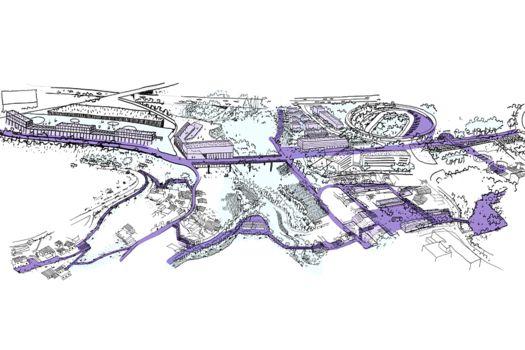
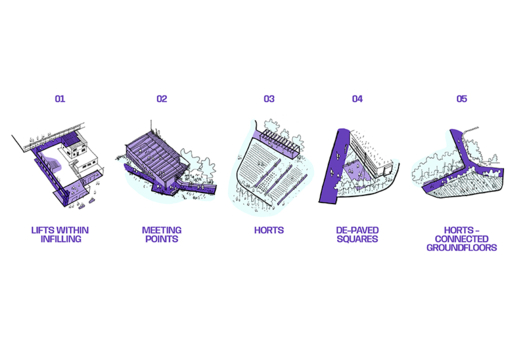
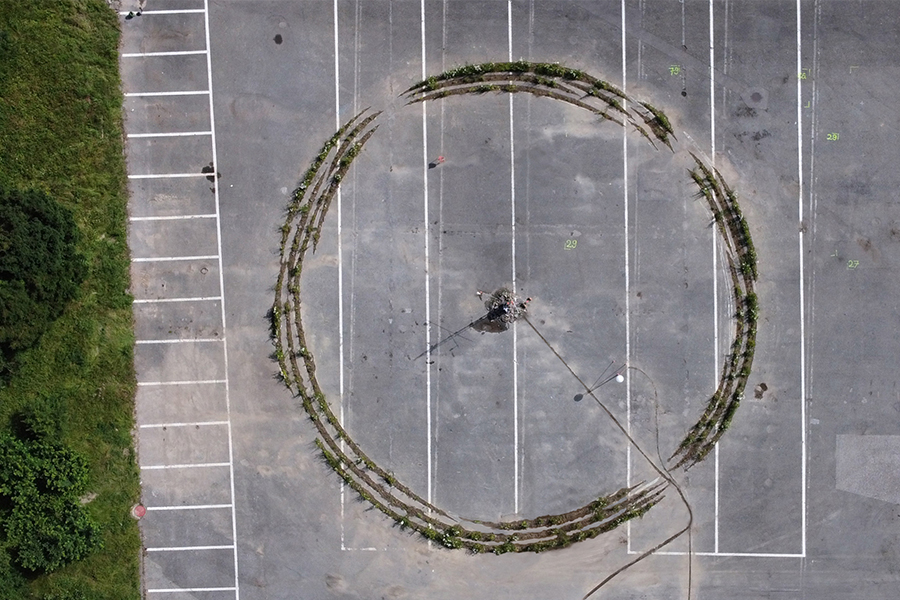
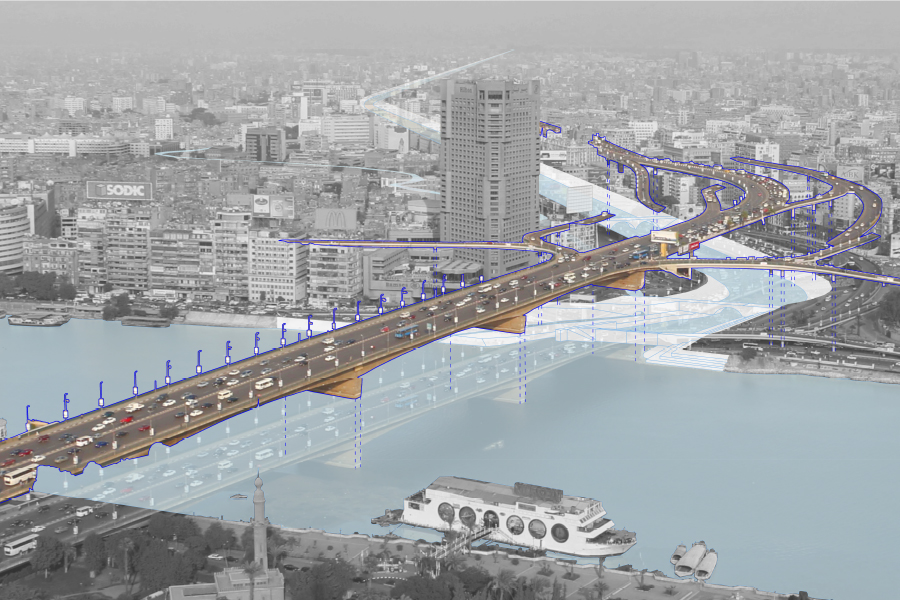
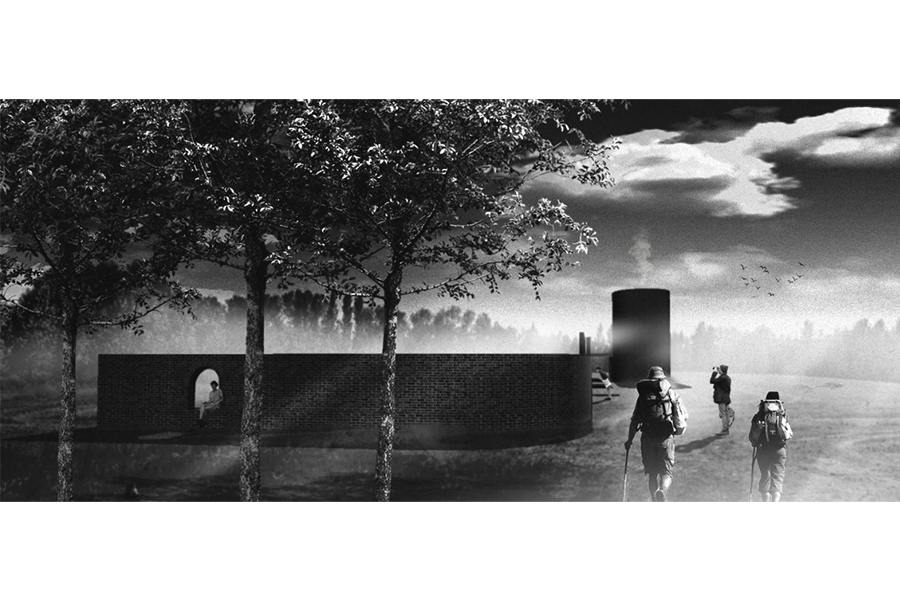
We drew on previous work, both in our doctoral research and professional experience, by involving water-based urbanism, productive landscapes, and urban regeneration. References include projects that promote the recovery of natural soils sealed by urbanisation processes, the coexistence of architectural interventions with water, and the synergy between natural routes and mobility infraestructures.
SITE:
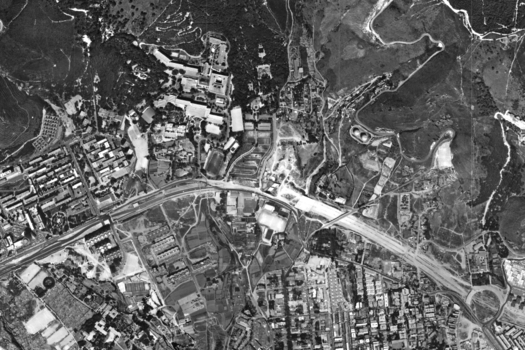
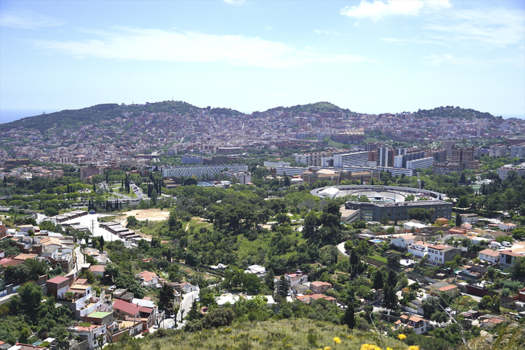
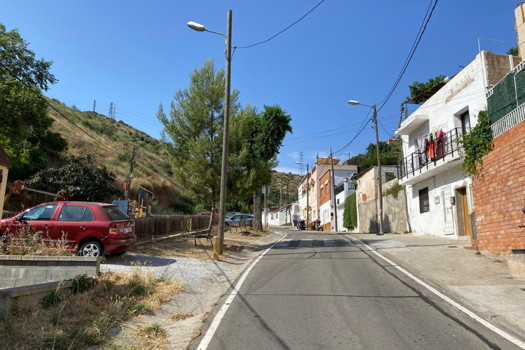
Implementation is phased and negotiated. Participatory design with stakeholders and public agencies alongside public-private collaboration enables gradual transformation, shared stewardship, and long-term outlook. Phases focus on establishing a bridgehead through the encounter between an urban and a natural axis, which anchors the site to allow for community-led actions throughout La Font del Gos.
REFERENCES:
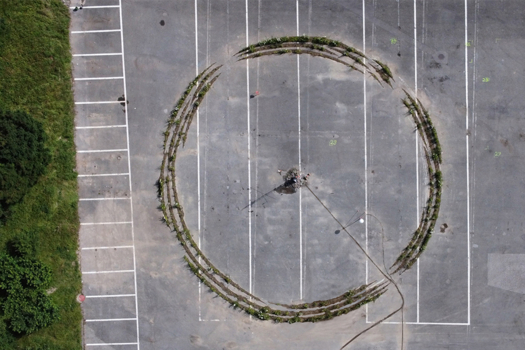
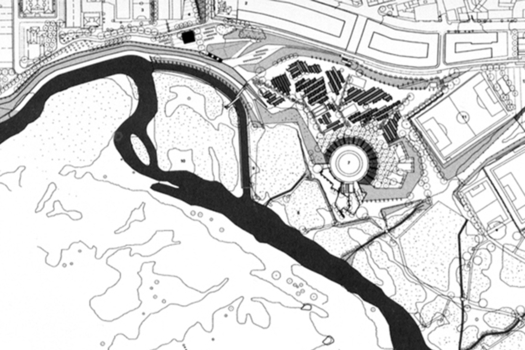
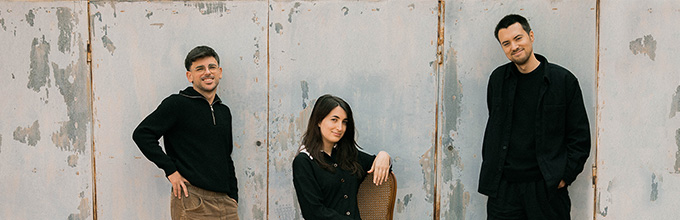
The team was formed by combining complementary interests: urban insights, landscape ecology, architecture, planning skills, and a shared interest to contribute to the future of the collective spaces of our city of Barcelona. This mix allowed us to address ecosystemic spaces linked to hydrology in tandem with public spaces that are designed to integrate urban structures transformations and social processes.
6. How could this prize help you in your professional career?
The prize strengthens our professional visibility, supports future collaborations, and reinforces our capacity to work on ecological and community-driven urban transformations, as it gives us confidence in our approach in tackling related challenges both in research and practice-based endeavours.
TEAM IDENTITY
Legal status:
Team name:
Average age of the associates: 29 years old
Has your team, together or separately, already conceived or implemented some projects and/or won any competition? if so, which ones?
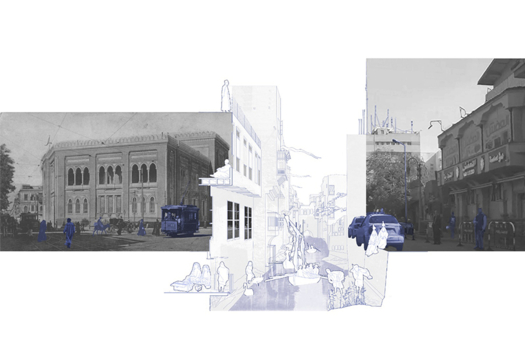
The team shares a multi-disciplinary skillset, recognised through several awards. The first prize in Architecture by the Güell and Nando & Elsa Peretti Foundations in collaboration with the Reial Academia de Sant Jordi recognized urban insights. The first prize “Local Barcelona” in the HISPALYT 2020 edition acknowledged architectural know-how. Doctoral research into site-specific urban green was presented in 2024 UN-Habitat’s World Urban Forum in Egypt.
WORKS: