HYLLIE TEGELSTIG
Malmö (SE) - Winner
TEAM DATA
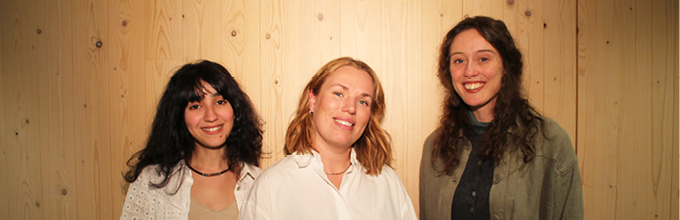
Associates: Elise Cervin (SE), Therese Östman (SE) – architects, Sara Lalmi (FR) – urban planner
Contributors:
Filippa Leitz (SE) – student in landscape, Louise Åström (SE) – student in architecture, Iris Molendijk (NL), Razan Albunayah (SE) – designers, Johan Stohne (SE), Philippa Clarén (SE) – artists
elise@tonrum.com
See the complete listing of portraits here
See the site here
TEAM PORTRAIT
VIDEO (by the team)
INTERVIEW
Click on the images to enlarge
1. How do you define the main issues of your project in relation with the theme “Re-sourcing”? Re-sourcing thanks to nature, to social dynamics, to new materiality? In which way do you think your project can contribute to an ecological and/or social evolution? And in which way do you think your project can be called a “regenerative project”?
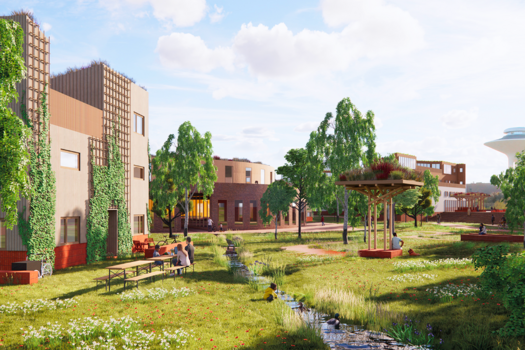
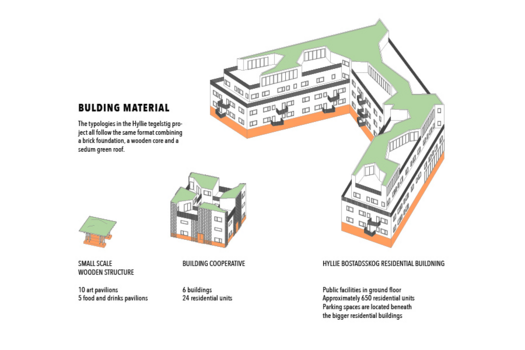
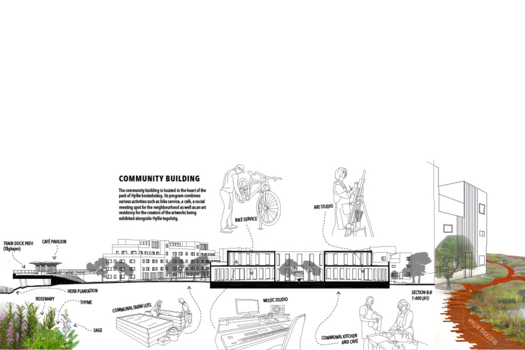
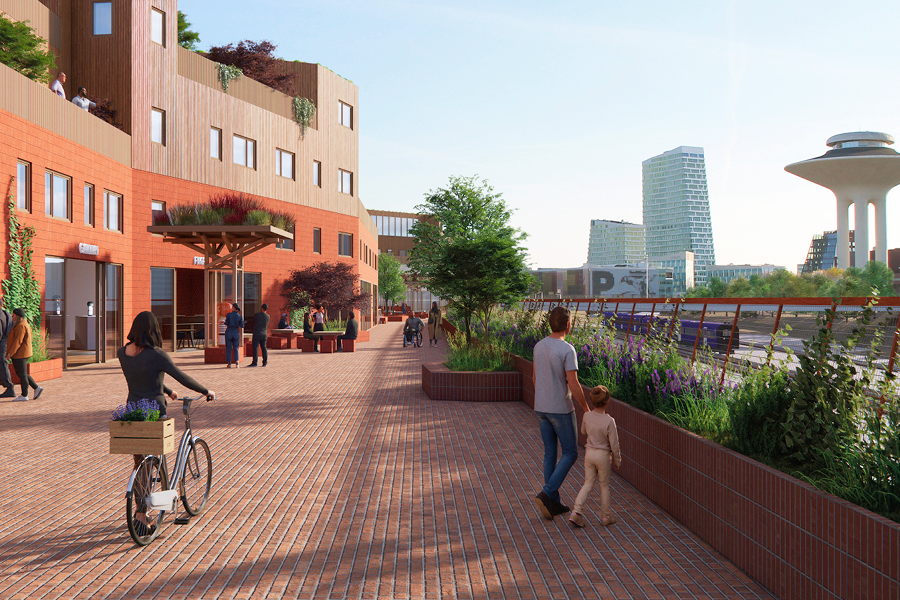
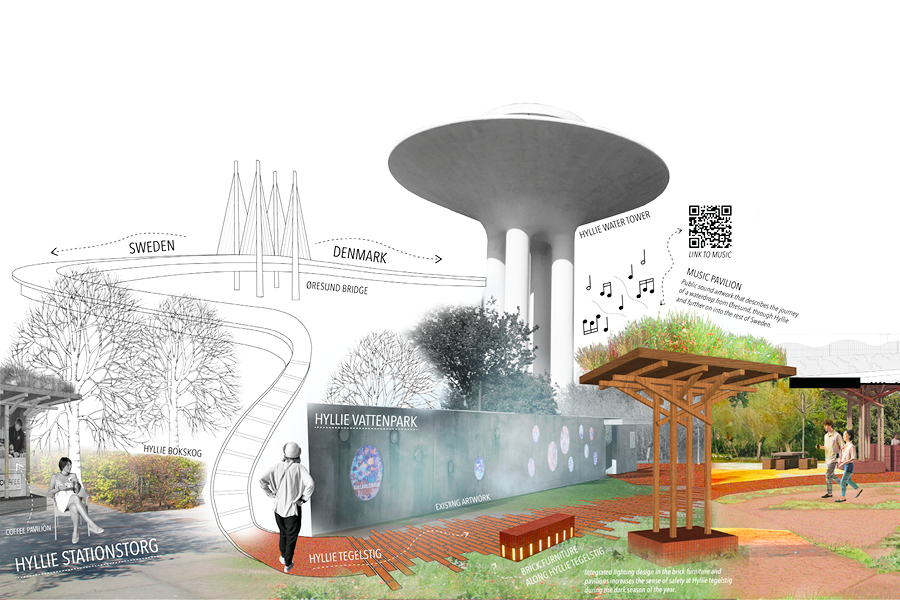
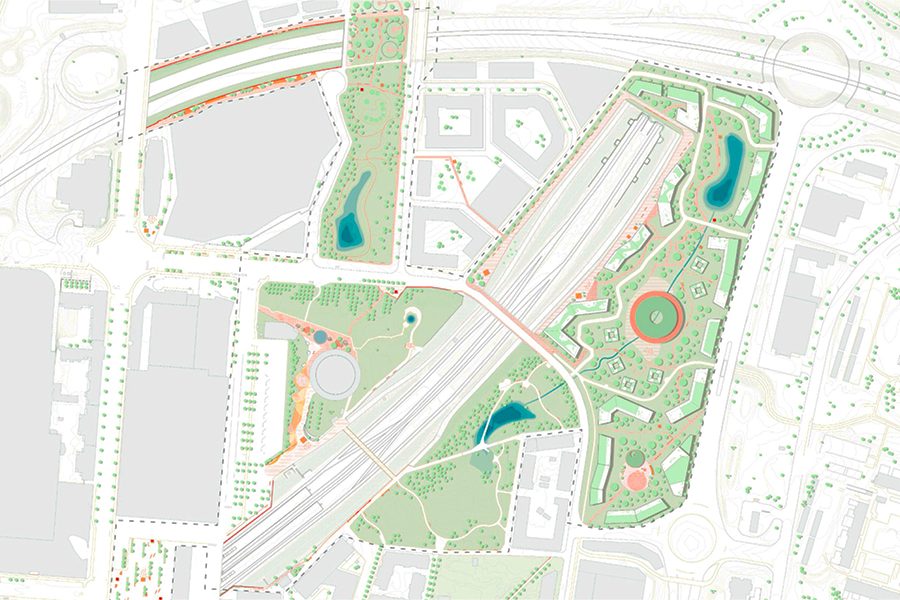
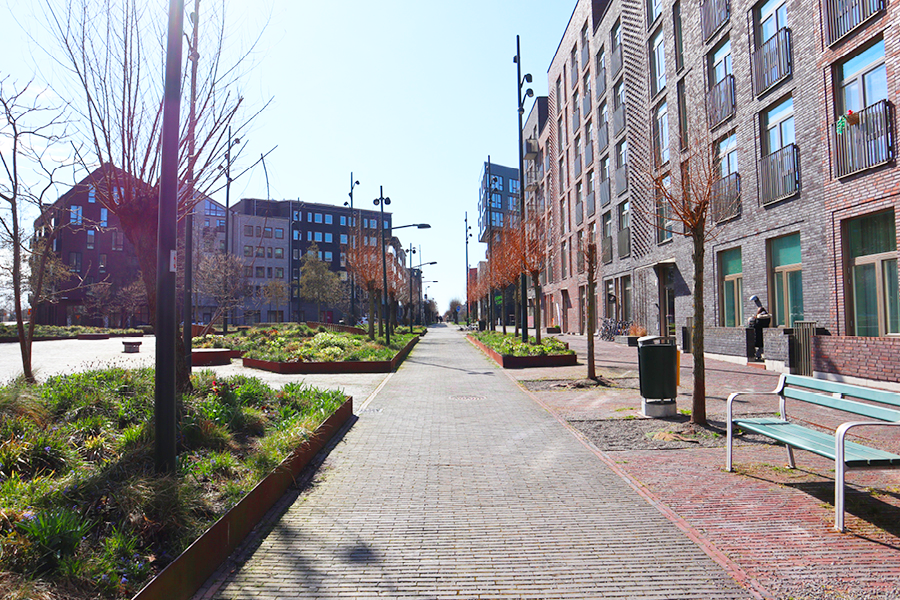
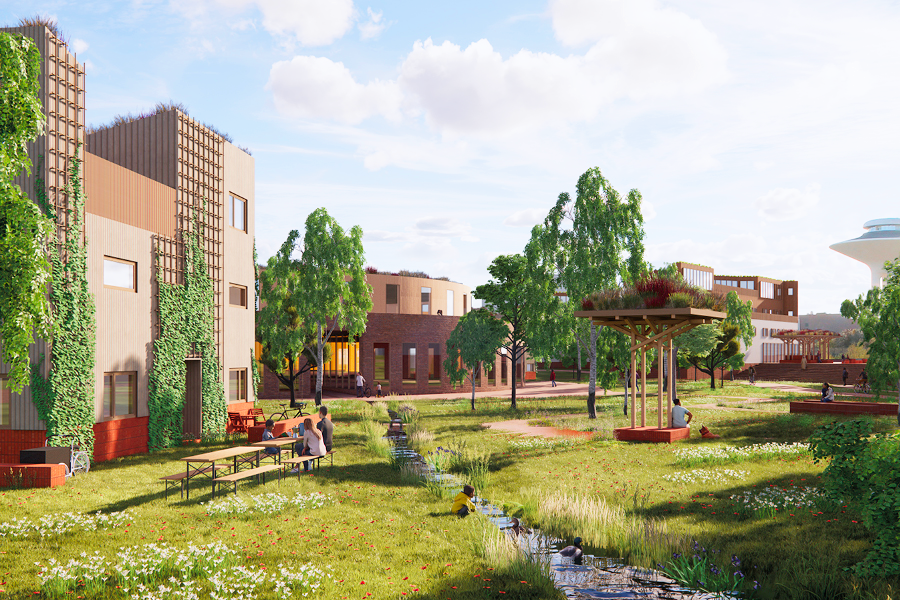
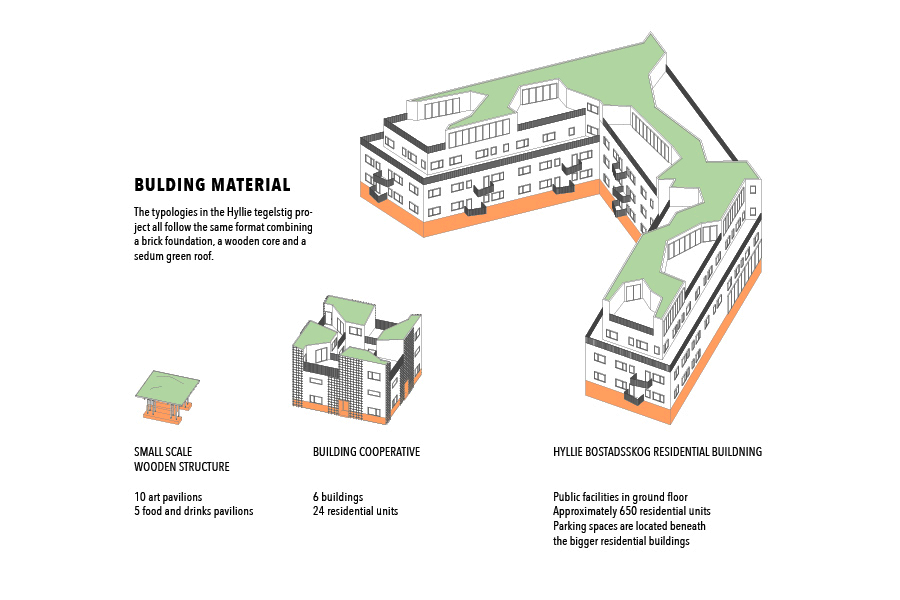
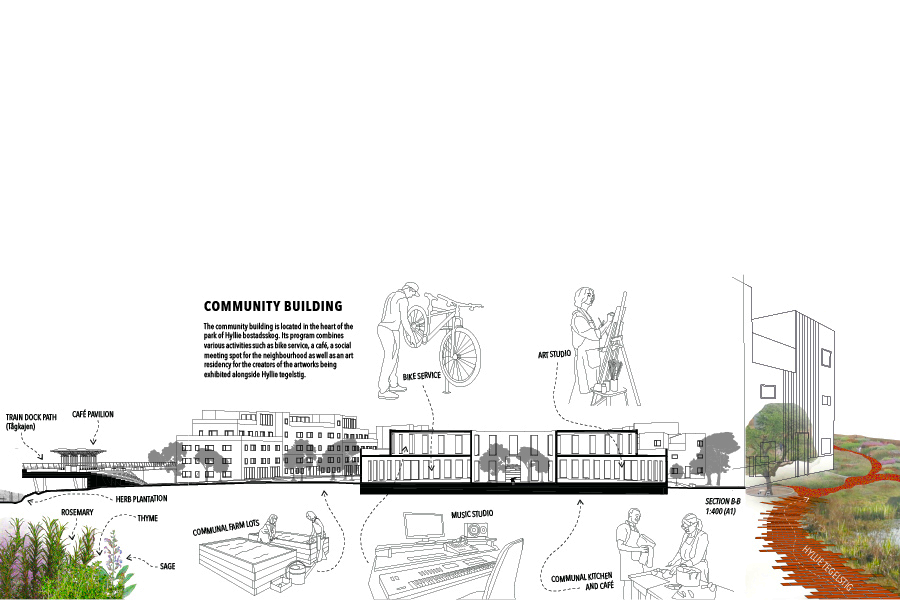
By introducing a community-driven process, the concept of Hyllie tegelstig is based on the reuse of existing social infrastructure in the area. Through a collaborative working model, local stakeholders, associations and residents of all ages will be engaged in the evolution of Hyllie’s urban spaces through recurrent workshop sessions and site management. The brick material is another example of how the proposal adapts to the competition theme, since brick holds a deep cultural and architectural significance in Malmö and the wider Skåne region. The brick path, which has given the project its name, flows through Hyllie like a thread connecting greenery, landmarks, artworks, housing and enterprises. The approach of linking varied experiences into a coherent context, will contribute to a better understanding of how the neighborhoods of Hyllie are connected. Civic engagement combined with municipal and business cooperation will generate a sustainable management of Hyllie which eventually will create a regenerative process of lasting and vibrant urban spaces.
2. How did the issues of your design and the questions raised by the site mutation meet?
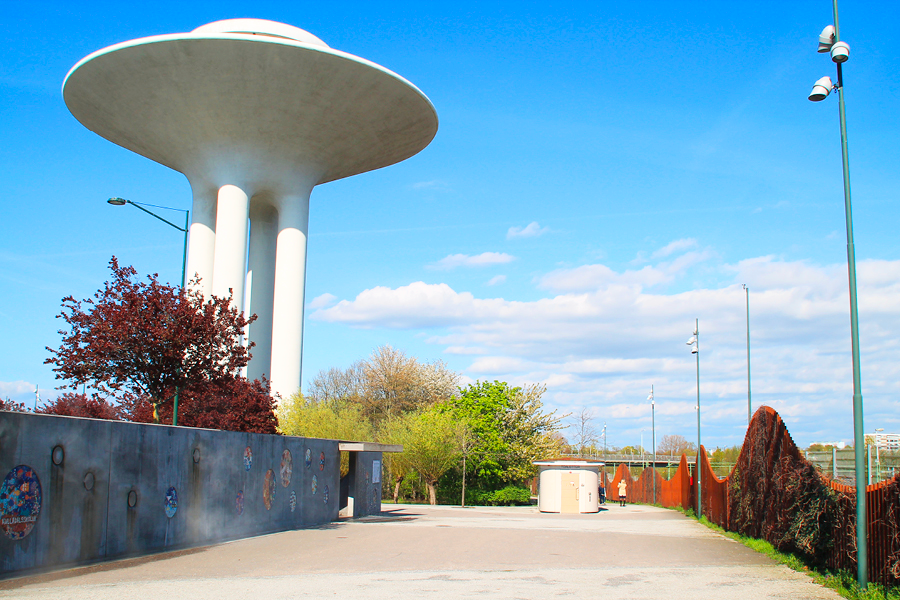
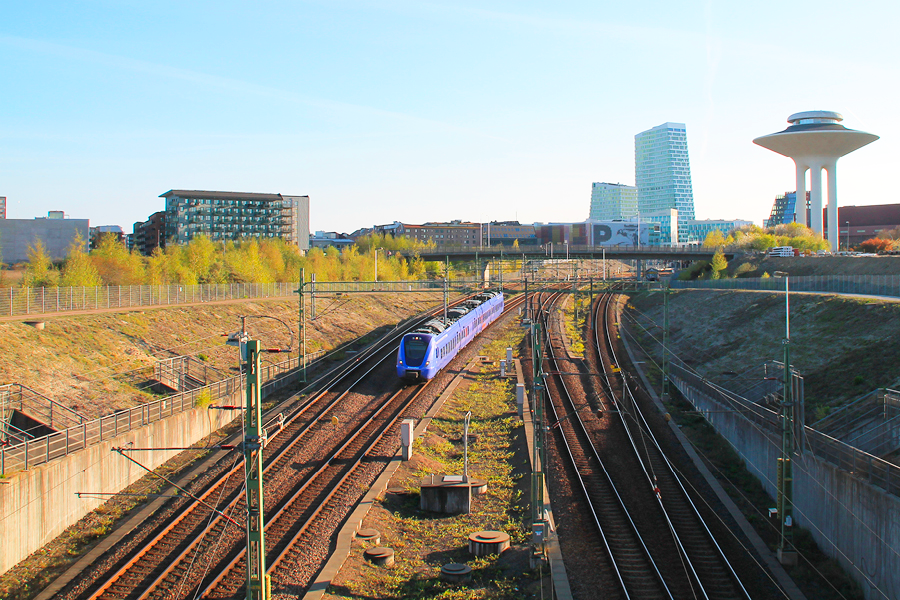
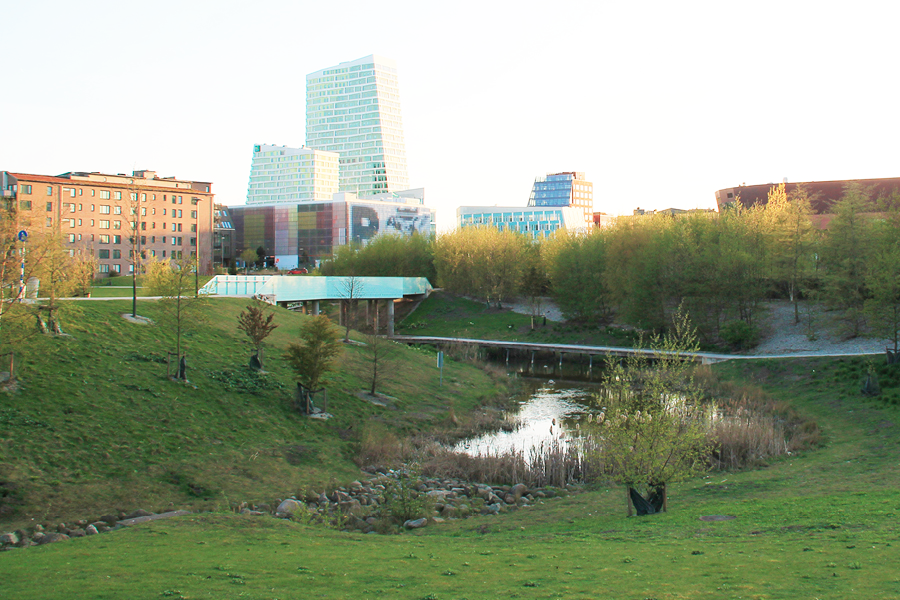
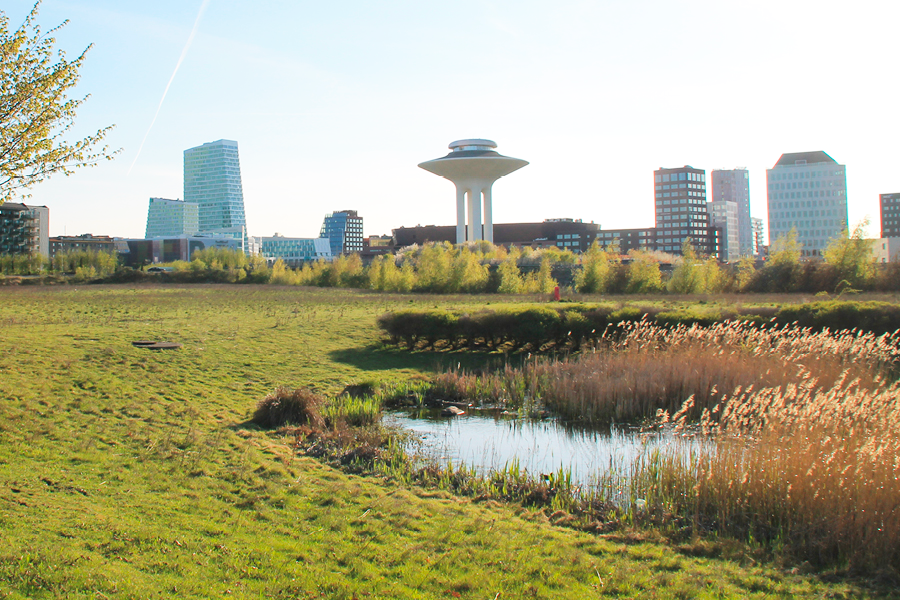
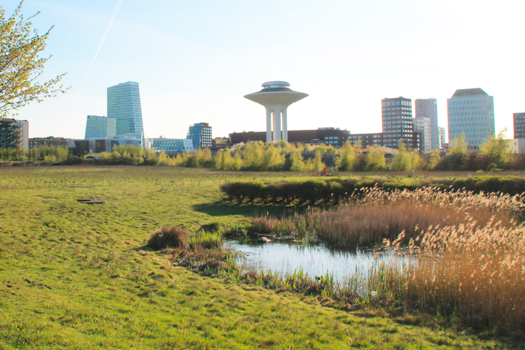
Rather than hiding the barrier of the railroad, this project aims to highlight Hyllie’s unique spatial quality as a transport node linking Sweden to Denmark. This project therefore enhances the railroad instead of excluding it. The landmark of Hyllie’s water tower is readapted and highlighted in a set of reoccurring pavilions proposed along the brick path. Another example of how the project highlights existing structures is the development of the green areas, which are reminiscent of the time when Hyllie was characterised by farmland. Therefore this project focuses on readapting the landscape into a continuous green corridor translated into an urban context.
PROJECT:
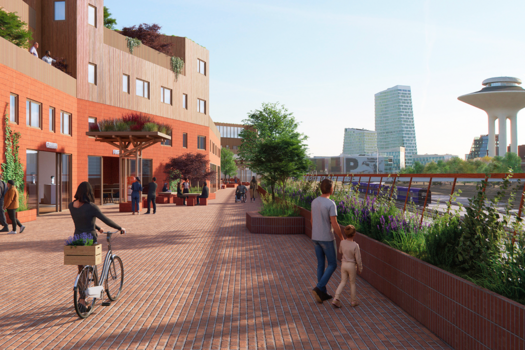
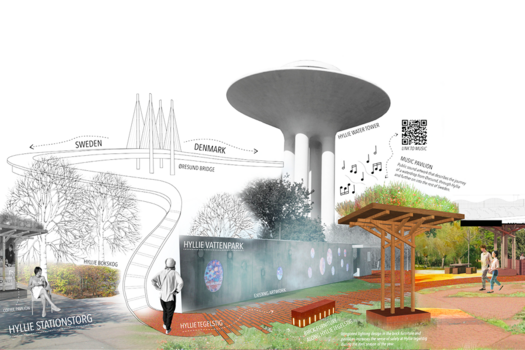
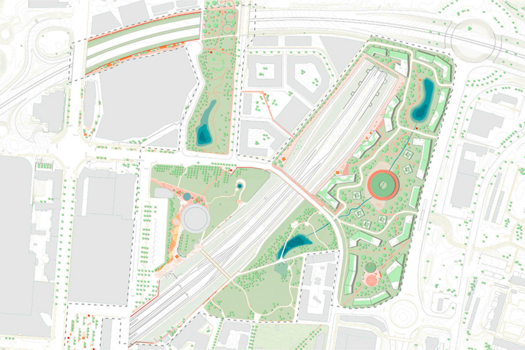
The team members have in different ways worked with urban development that includes perspectives such as civic engagement, site activation and sustainability. The theoretical framework is built on Danish psychologist Ingrid Gehl’s eight criteria for social sustainability, as well as the method of the Power of 10, initiated by the organisation Project for Public Spaces. The research was used as a starting point to address the need for a varied urban experience that supports people’s sense of safety and well-being. The team’s joint set of skills was important for the aim to create a proposal that would contribute to an inclusive and varied urban experience in Hyllie.
SITE:
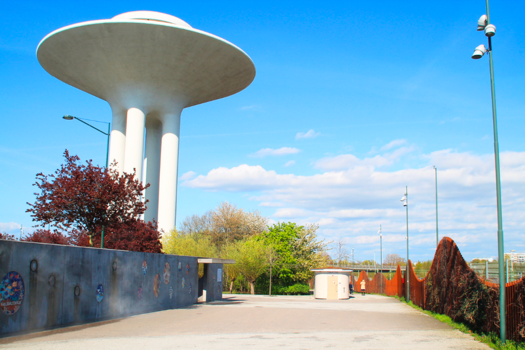
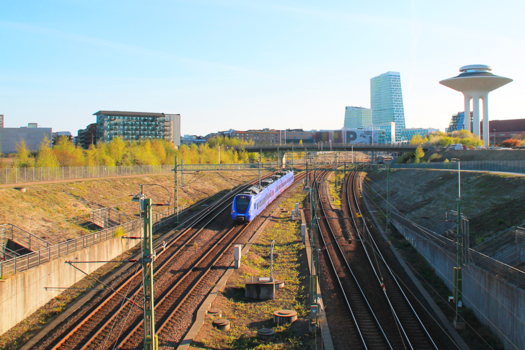
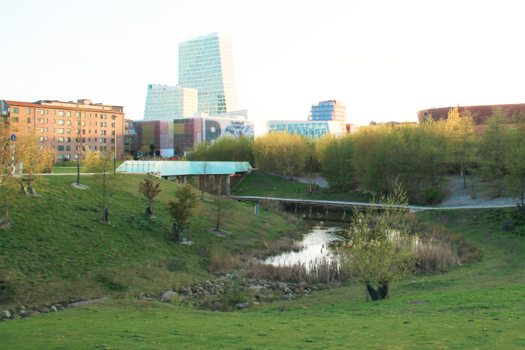
One crucial aspect of Hyllie tegelstig has been to reinforce local traditions and the existing social infrastructure in Hyllie and the Malmö region. In order to succeed with this goal, the implementation of the project focuses on a model that includes close collaboration through workshops and civic engagement with local stakeholders, associations, businesses and other groups from the Hyllie community.
REFERENCES:
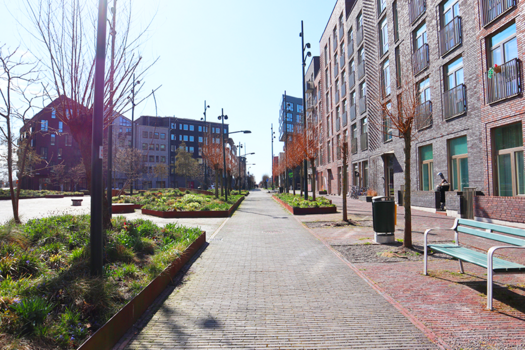
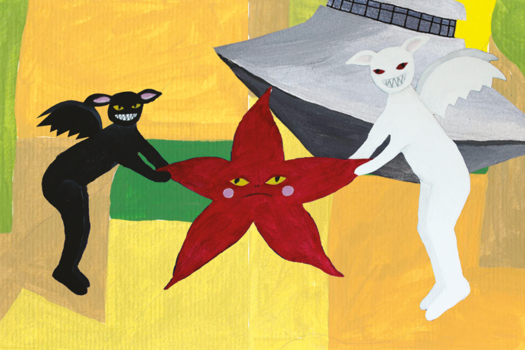
The team behind Hyllie tegelstig consists of people from different professional backgrounds. This corresponds to the core idea of the project as a promoter of public spaces characterised by variation and diversity. The profiles of the team associates, as well as the contributing team members, cover a wide range of skills including architecture, urban planning and development, landscape, lighting design, art and sustainability.
6. How could this prize help you in your professional career?
Europan is a brilliant opportunity to test ideas in a playful but yet serious context. We are delighted that the jury chose Hyllie tegelstig as the winning proposal in Malmö, since it might give us the opportunity to develop the idea further. Regardless of the result of this process, the prize has given us the courage to continue working for the development of inclusive urban spaces that promotes variation, playfulness and sustainability.
TEAM IDENTITY
Legal status:
Team name:
Average age of the associates: 30 years old
Has your team, together or separately, already conceived or implemented some projects and/or won any competition? if so, which ones?
Yes. The team members have individually conceived and implemented several projects within architecture, urban planning, and public space. Elise has worked with urban development within her own firm Tonrum and for the City of Stockholm as well as a producer at the public art festival Nobel Week Lights. Therese works as an architect at Maren Arkitekter, with a background in interior design and textiles and with experience from hands-on architectural projects such as participating in ARKNAT Västervik and conducting placemaking workshops together with the City of Stockholm at Sergels Torg. Sara has worked with urban and place development projects internationally at UN-Habitat and in Sweden and currently works as an urban planner at Sweco.
WORKS: