L'Emerveillement de la Libellule
Brignoles (FR) - Winner
TEAM PORTRAIT
VIDEO (by the team)
INTERVIEW
Click on the images to enlarge
1. How do you define the main issues of your project in relation with the theme “Re-sourcing”? Re-sourcing thanks to nature, to social dynamics, to new materiality? In which way do you think your project can contribute to an ecological and/or social evolution? And in which way do you think your project can be called a “regenerative project”?
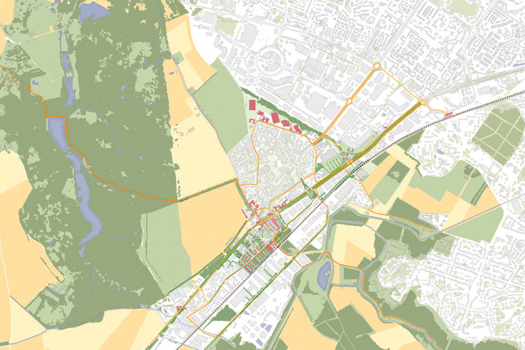
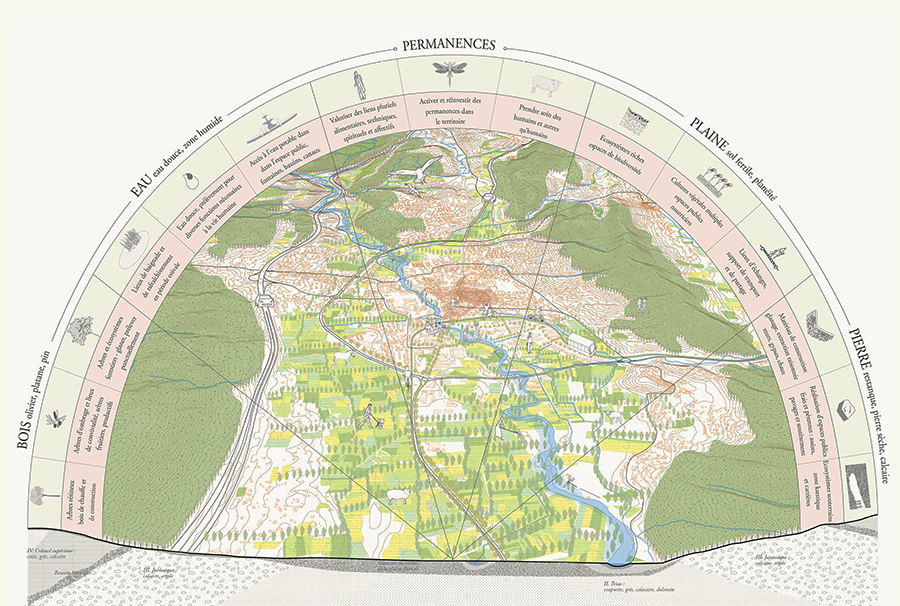
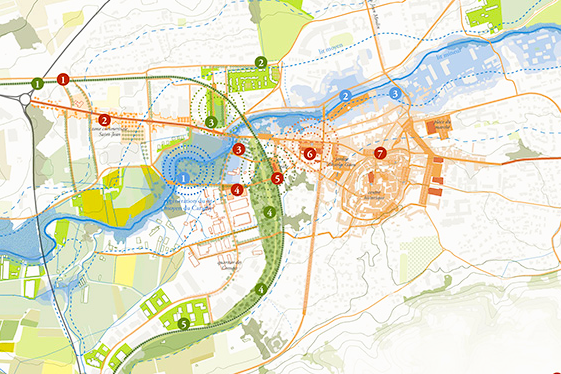
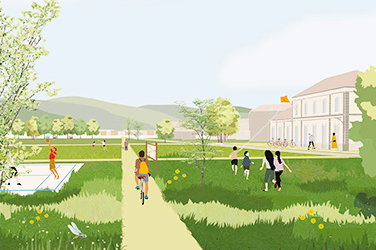
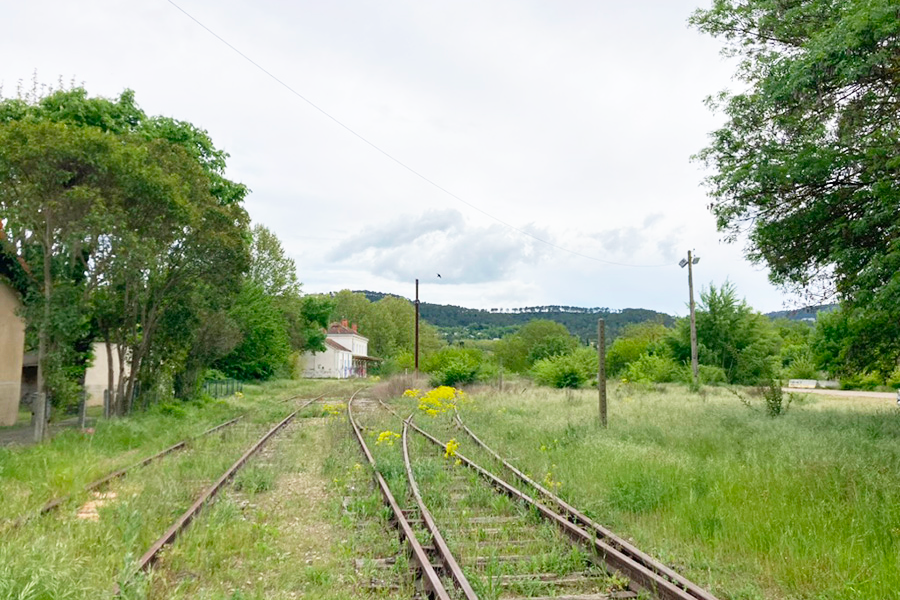
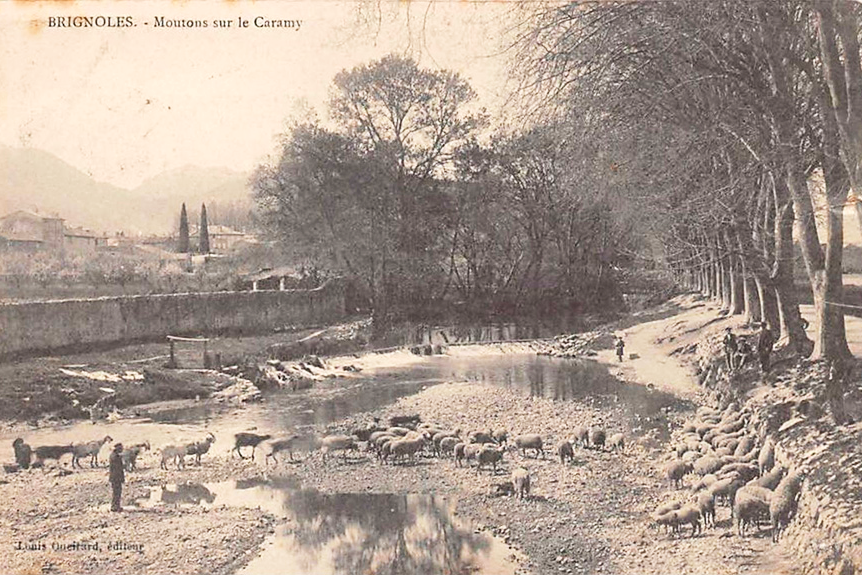
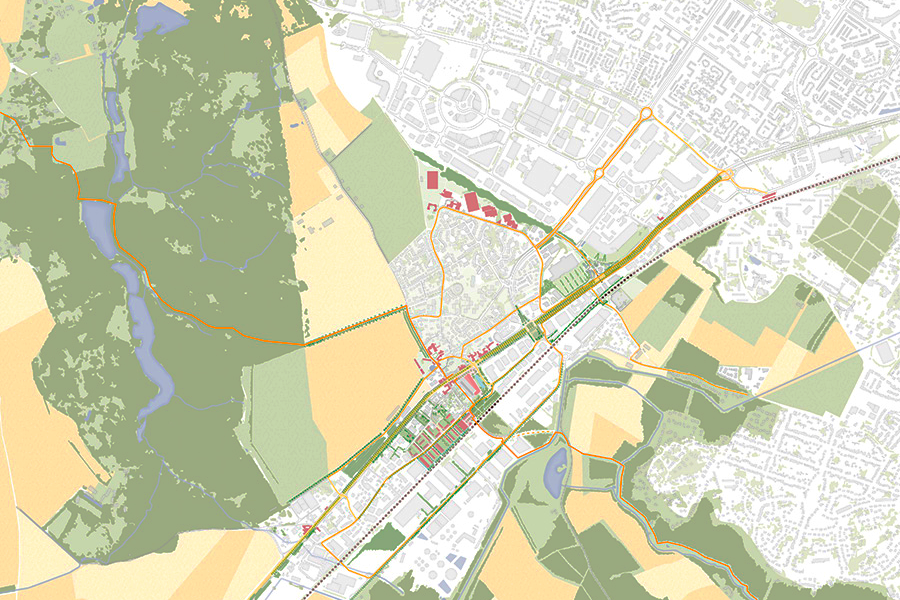
The project-process proposes an analysis of the slow evolution of the soil and its anthropised evolution (first natural, then cultivated, exploited, sealed). The project invokes the notion of ‘resourcing’ through natural dynamics such as soil rehydration or the preservation of agricultural land, and by strengthening social ties through the rehabilitation of railway heritage or the networking of public spaces.
2. How did the issues of your design and the questions raised by the site mutation meet?
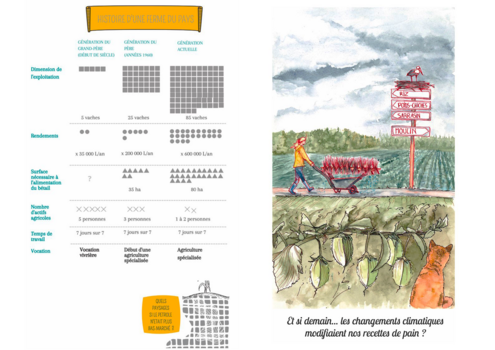
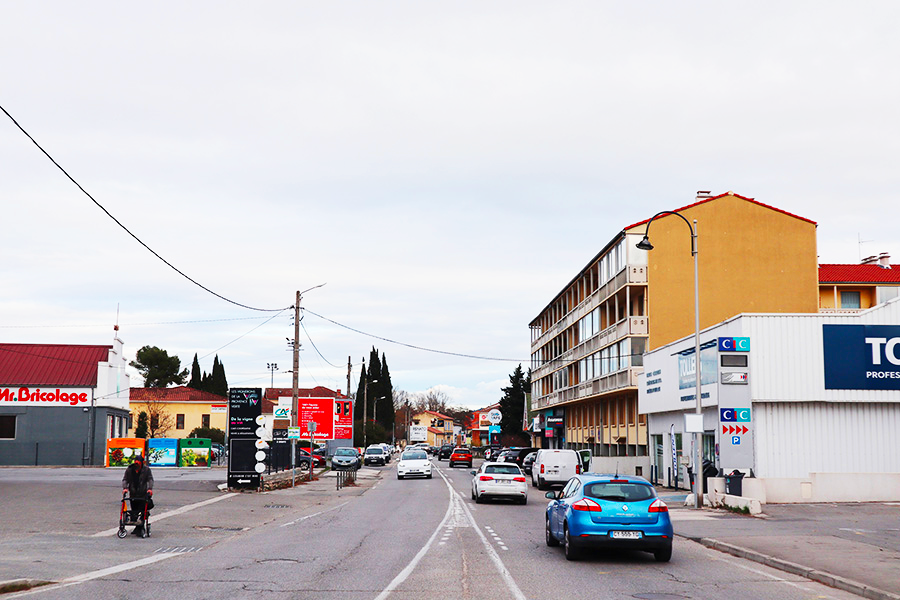
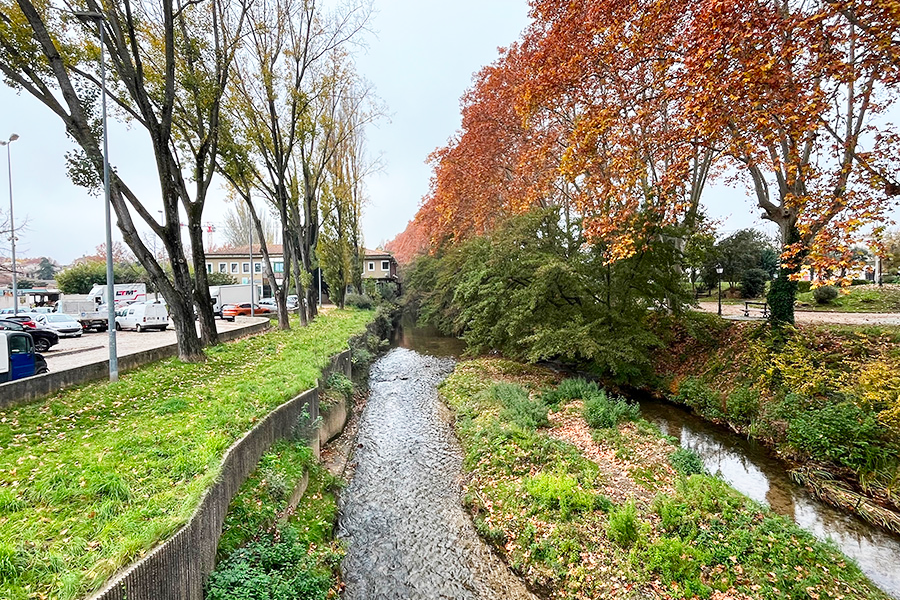
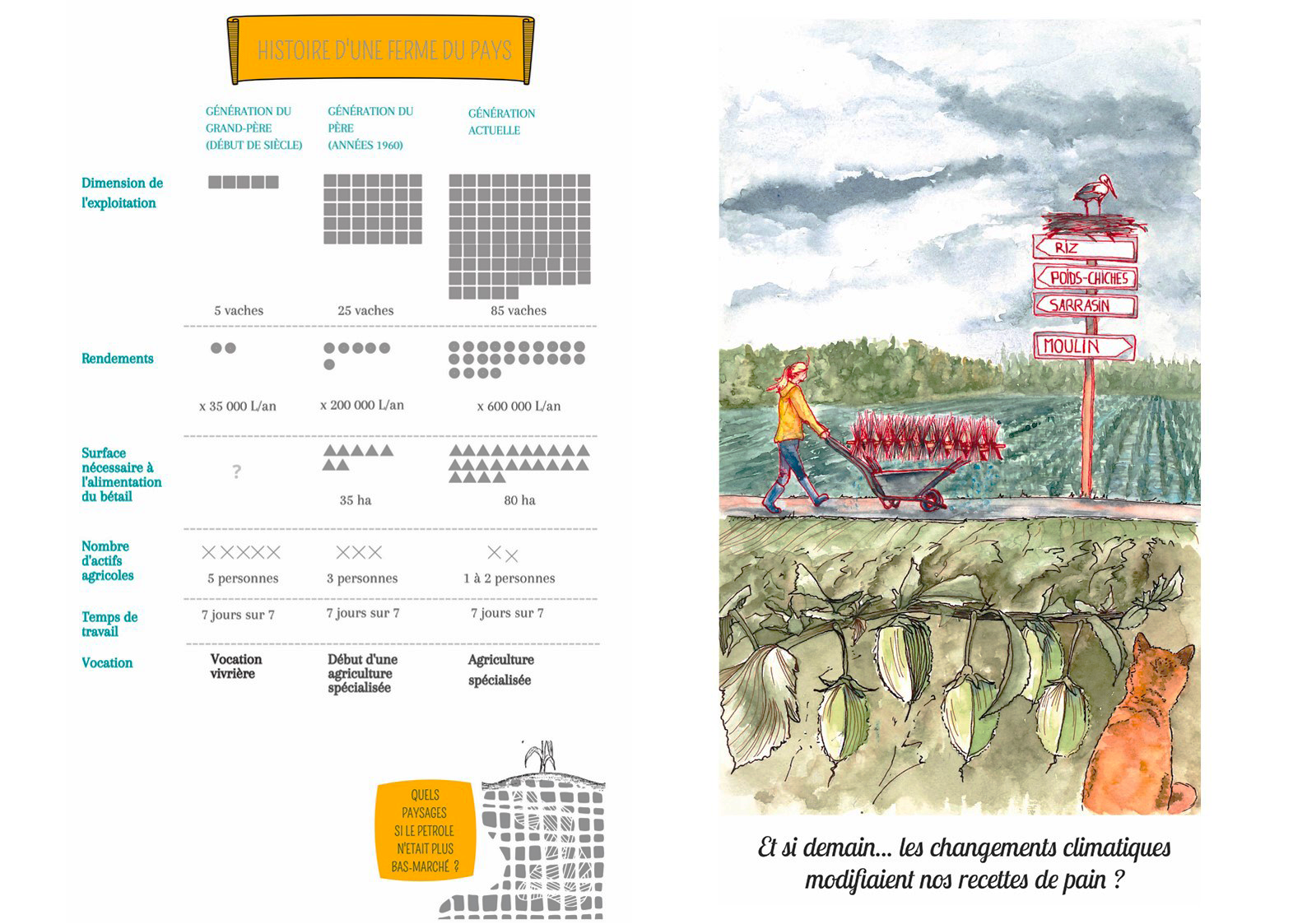
The situation in Brignoles raises current, almost universal issues: climatic hazards such as heatwaves and summer water shortages, social problems with the impoverishment of the town centre, agriculture struggling to renew itself... The entrance to the town, the site of Europan, is at the confluence of those issues. Through an in-depth understanding of the history of the area, the emergence of permanent features has made it possible to enhance a living metabolism.
PROJECT:
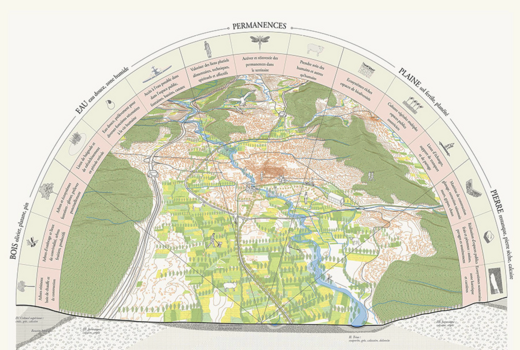
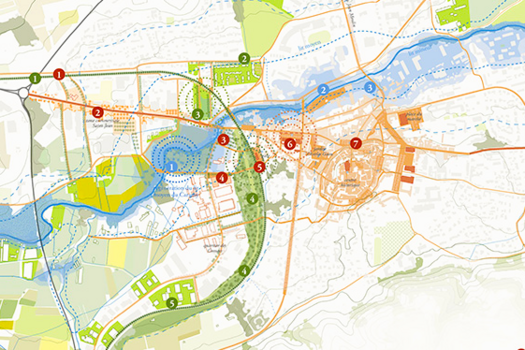
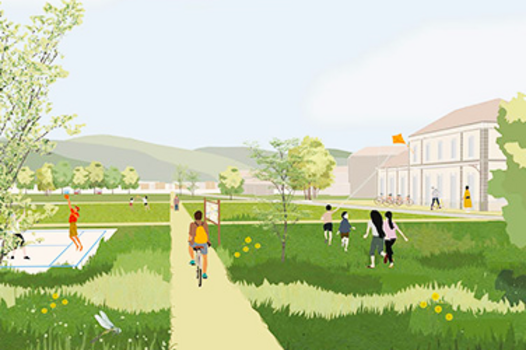
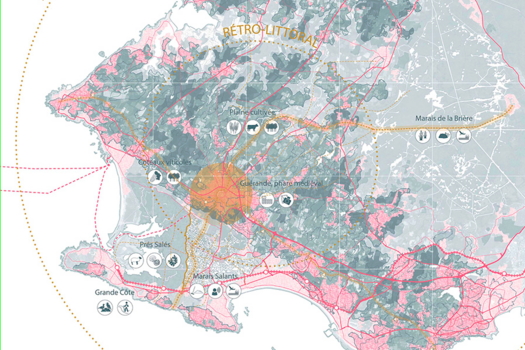
We collectively had the opportunity to examine these scales and issues through the teachings of the DSA and the agencies in which we work. The work of Paola Vigano, Fréderic Bonnet, A. Chemetoff inspired us in various ways. From a theoretical perspective, the work of C. Stepanoff, I. Illich, J. Zask informed our practice.
SITE:
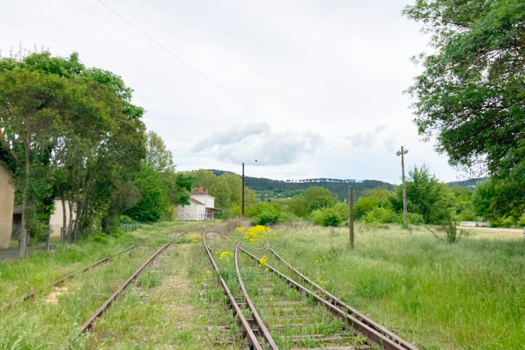
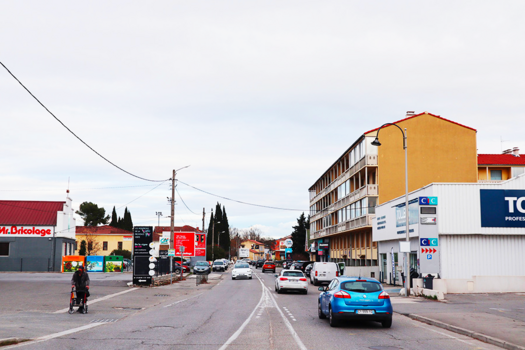
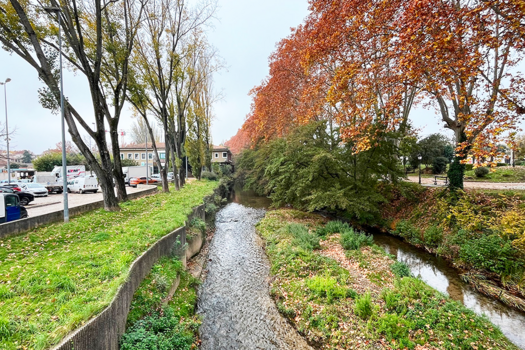
The operational follow-up will be the result of discussions with local stakeholders in order to arrive at an appropriate and context-specific response. The creation of a master plan for the western part of the city appears relevant in line with the studies already undertaken. We anticipated these follow-up actions, with initial phasing, methodological tools (local urban planning under review, ZAP...) and local partnerships (officials, services, associations…).
REFERENCES:
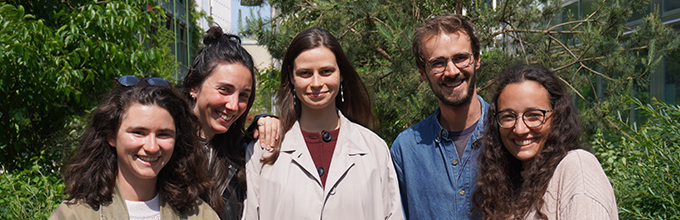
After studies in different architecture schools in France, we met at the Architecte Urbaniste course at the school of Paris-Est. We then moved on to offices with complementary skills in architecture, landscape, socially responsible real estate. After an Europan experience in 2023, our team continued to work together to bring complex, virtuous projects to a successful conclusion.
6. How could this prize help you in your professional career?
Europan is a significant lever in our professional careers for various reasons: -It is difficult for young urban planners to access commissions. The prize helps us to facilitate the implementation of projects with clients who are committed to a virtuous and innovative process. This reinforces the desire for a possible collective ‘alongside’ a salaried activity. -The collective dimension of the Europan community with young designers is stimulating and global.
TEAM IDENTITY
Legal status:
Team name:
Average age of the associates: 30 years old
Has your team, together or separately, already conceived or implemented some projects and/or won any competition? if so, which ones?
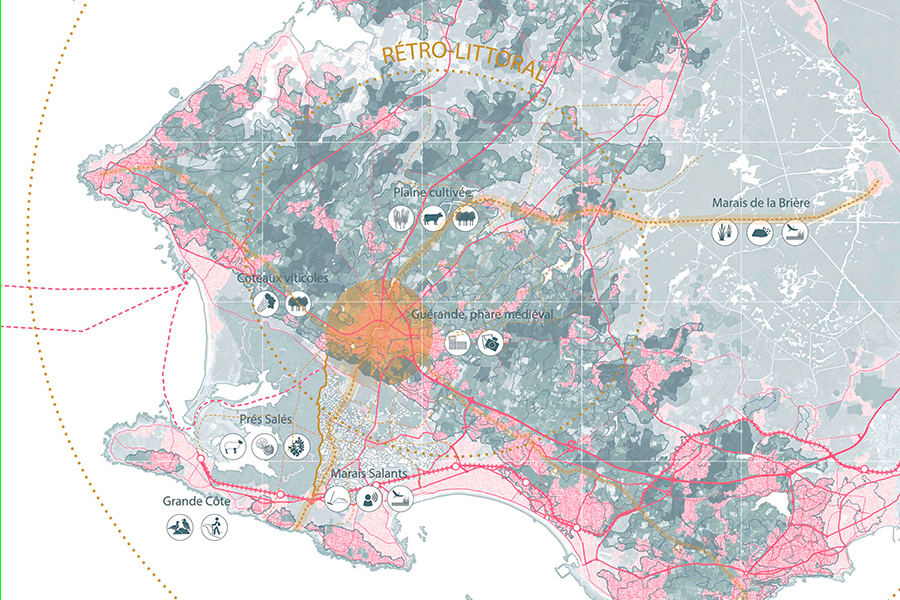
For the past six years, we have been collectively involved in various projects. Part of the team has already won an award at Europan 17 in 2023, on the Guérande site. Furthermore, we are driven by the desire and ambition to work together. Examples of our collaborations include the DSA studies (2019-2020), the Decathlon architecture competition (2017), and the architecture residency in Saint-Sauveur Villages, supported by Territoire Pionniers (2021).
WORKS: