Racines et Horizons
Dembeni (FR) - Winner
TEAM DATA
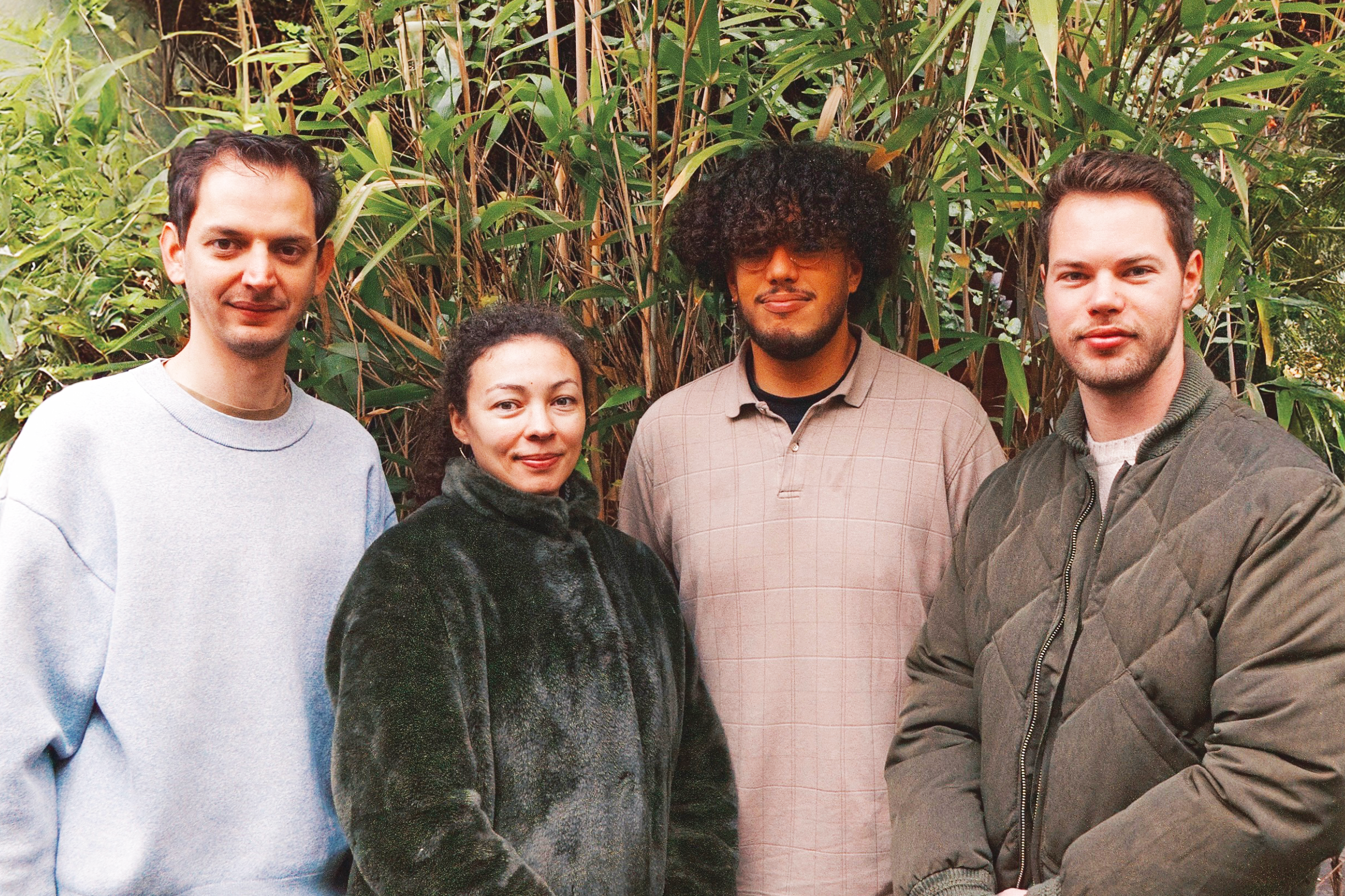
Associates: Mathis Augustin (FR), Akram Lemouchia (DZ) – architects, Sophie Régal (FR) – landscape architect, Raphaël Zéphir (FR) – architect urbanist
Contributor: Oumaïma Sabbar (FR) – student in architecture
racinesethorizons976@gmail.com
See the complete listing of portraits here
See the site here
TEAM PORTRAIT
VIDEO (by the team)
INTERVIEW
Click on the images to enlarge
1. How do you define the main issues of your project in relation with the theme “Re-sourcing”? Re-sourcing thanks to nature, to social dynamics, to new materiality? In which way do you think your project can contribute to an ecological and/or social evolution? And in which way do you think your project can be called a “regenerative project”?
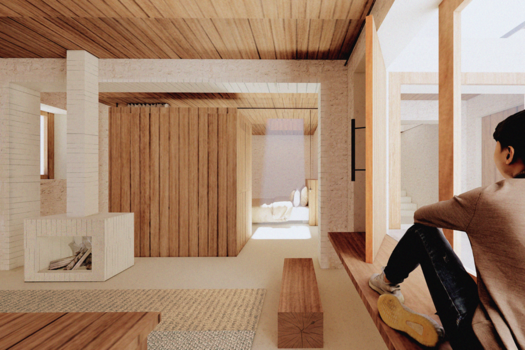
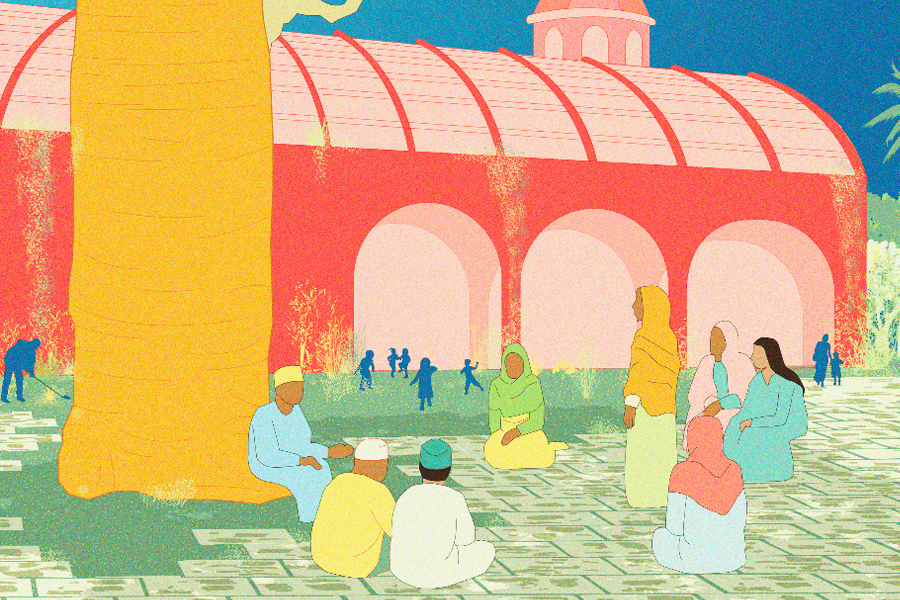
Our project frames “re-sourcing” as a return to roots, reconnecting place, environment, and socio-cultural dynamics. By revealing latent qualities (biotopes, local knowledge, and bio- and geo-sourced materials), the project builds a resilient socio-ecosystem adapted to risks through sustainable landscapes. Regenerative, it restores environments while enhancing residents’ autonomy and agency.
2. How did the issues of your design and the questions raised by the site mutation meet?
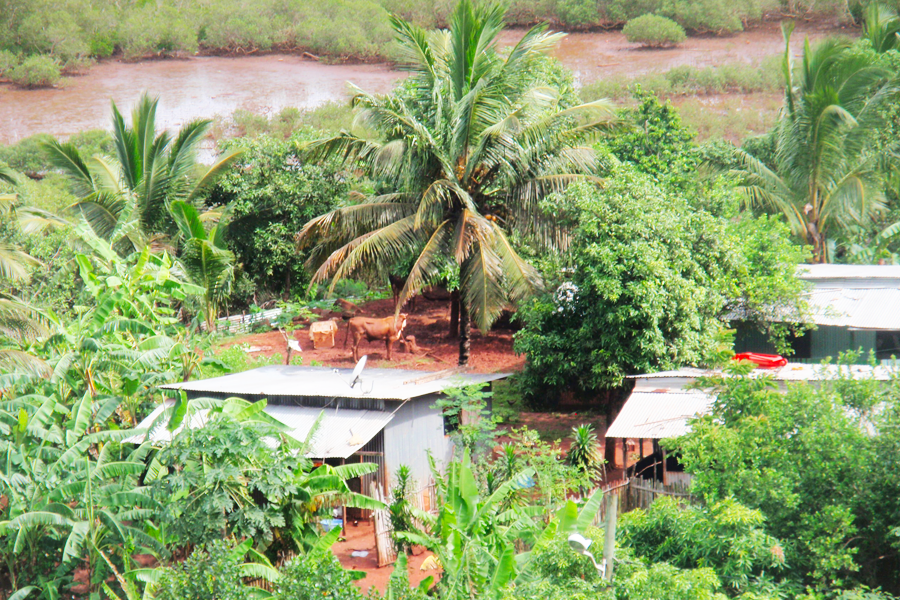
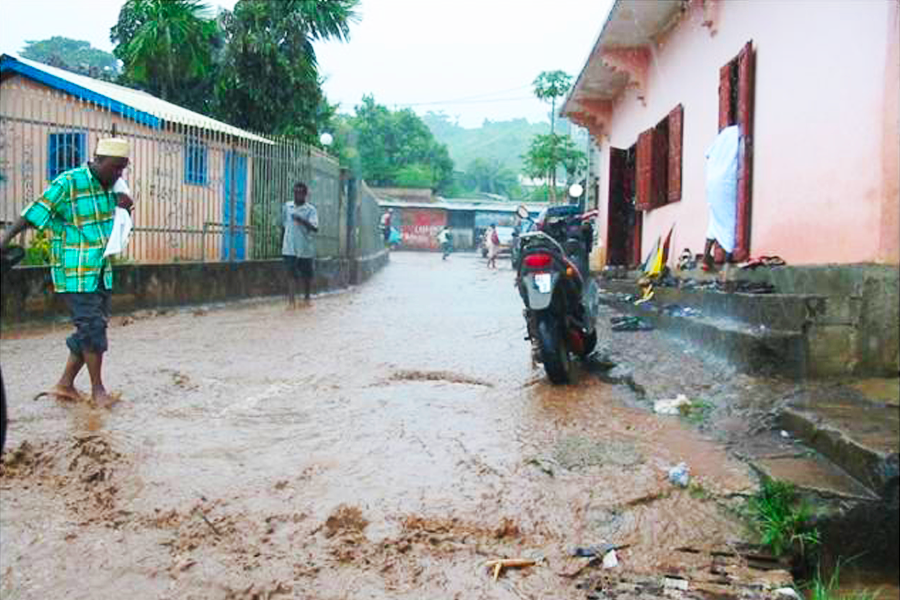
A situated form of urbanism integrates social and cultural realities alongside environmental and climate risks. Site transformations are embedded in a territorial landscape framework, conceived across multiple spatial and temporal scales, regenerating ecosystems and flow path, enabling controlled urban densification, improving housing, and questioning commons and legal and customary rights.
PROJECT:
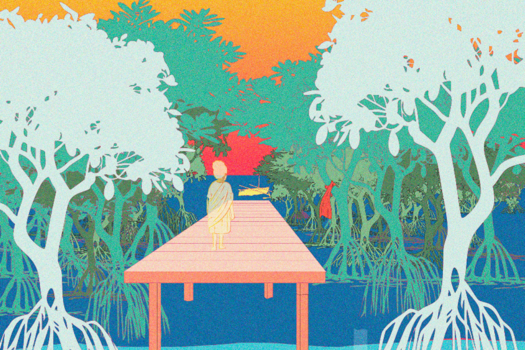
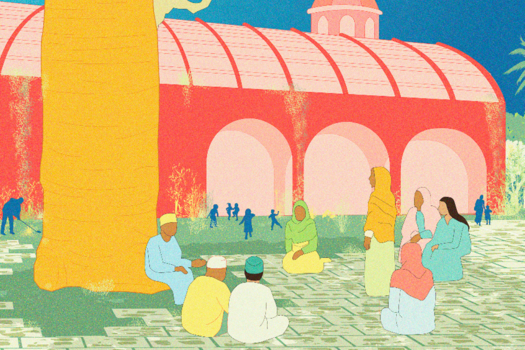
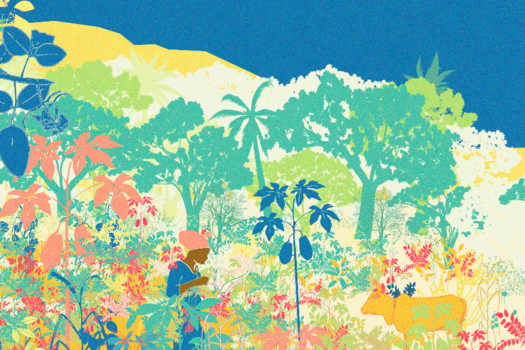
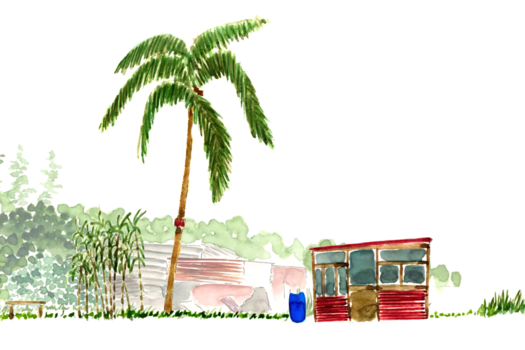
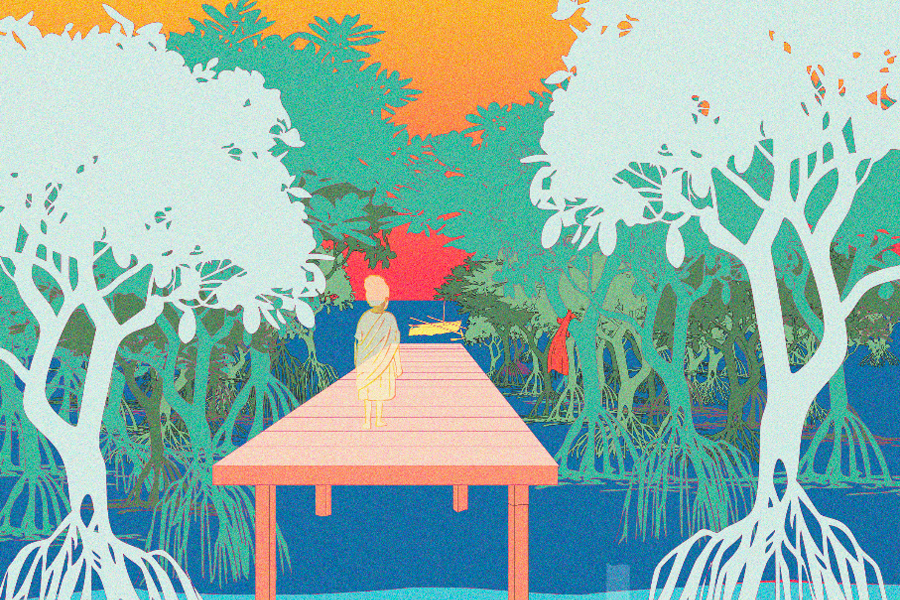
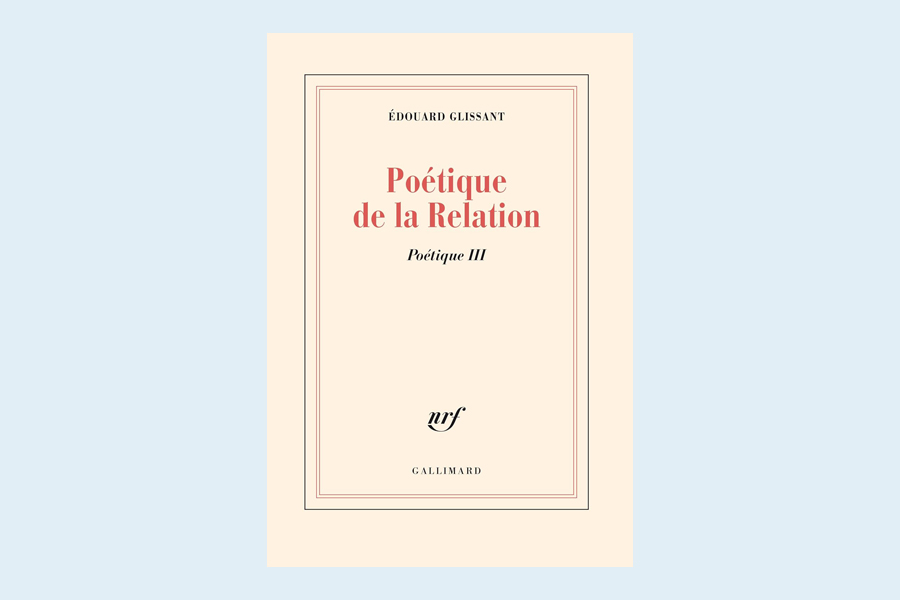
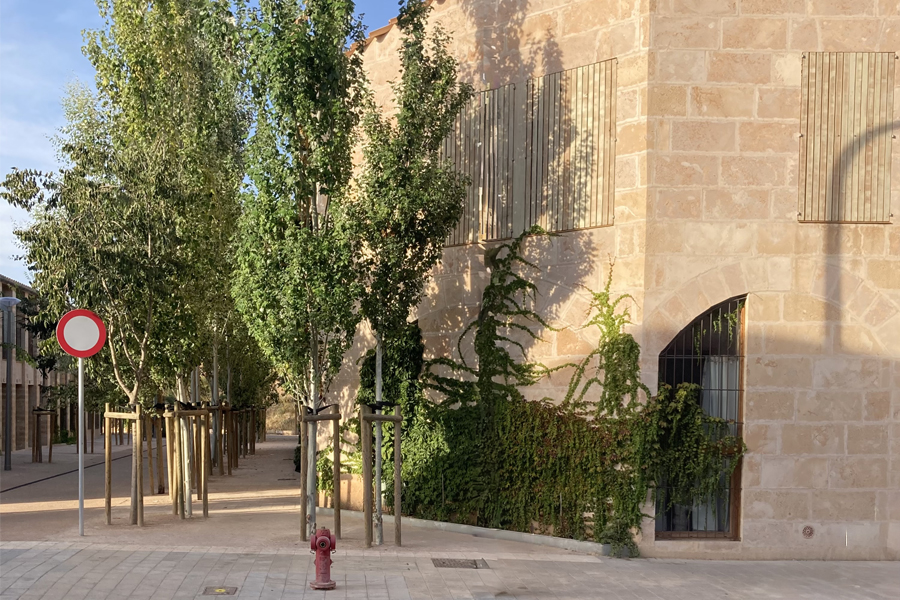
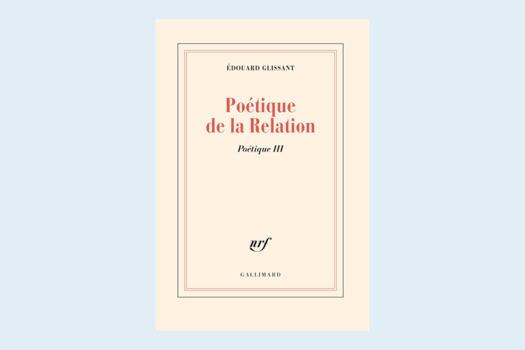
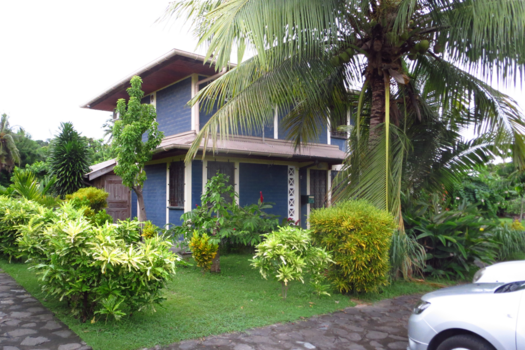
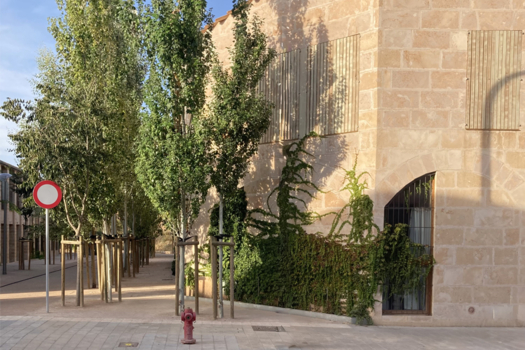
Forged by diverse island experiences (Réunion, Martinique, New Caledonia…), our team explores post-colonial realities across the French Overseas Territories. We root our projects in local specificities to restore resilience and local autonomy. Our inspirations come from Édouard Glissant’s Poetics of Relation, Serge Letchimy’s concept of the urban mangrove, as well as contextual planning initiatives such as the SIM in Mayotte (1980s) or the work of IBAVI in the Balearic Islands.
SITE:
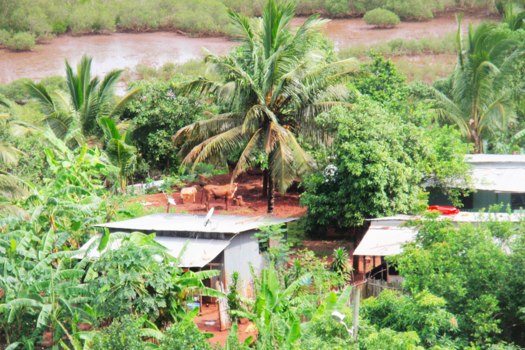
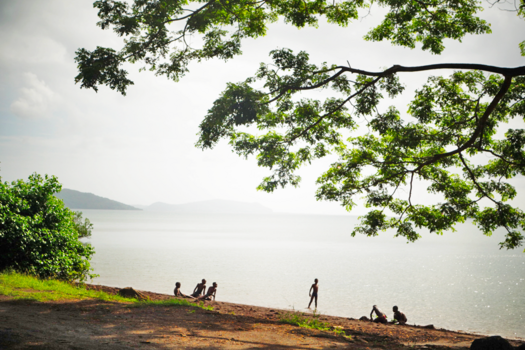
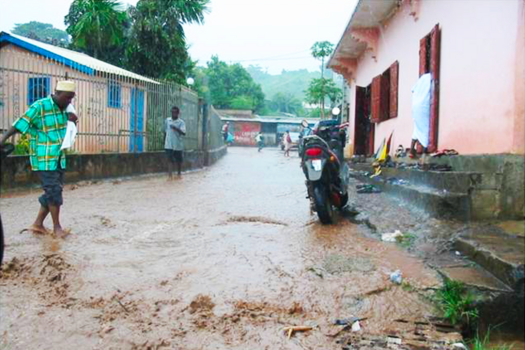
Driven by a social science-based operational approach, our project uses participant observation to identify needs and rapid actions like sanitary shelters to build community trust. Ultimately, our collaborative design process creates user-owned solutions, bringing together local stakeholders and experts to manage the commons collectively.
REFERENCES:
The team formed around a core of architects (Raphaël, Akram, Mathis) united by an interest in decolonial dynamics and the Mahoran context. Sophie joined to complement the group with her expertise in landscape and environmental anthropology, bringing a sensitive approach to the territory and to human and non-human relationships.
6. How could this prize help you in your professional career?
As young professionals, this prize would recognize our work and support our strategic vision at a territorial scale. Developing ultramarine island territories is a research focus for us, and this project offers the opportunity to concretely test our situated, resilient, and regenerative urban and landscape approach.
TEAM IDENTITY
Legal status:
Team name:
Average age of the associates: 31 years old
Has your team, together or separately, already conceived or implemented some projects and/or won any competition? if so, which ones?
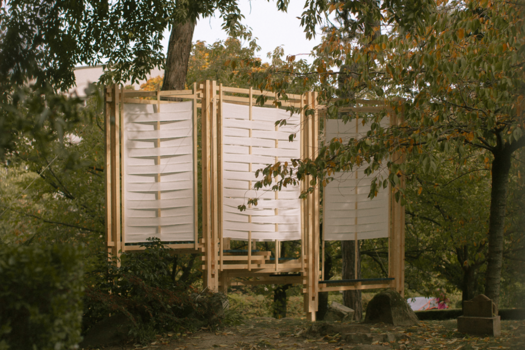
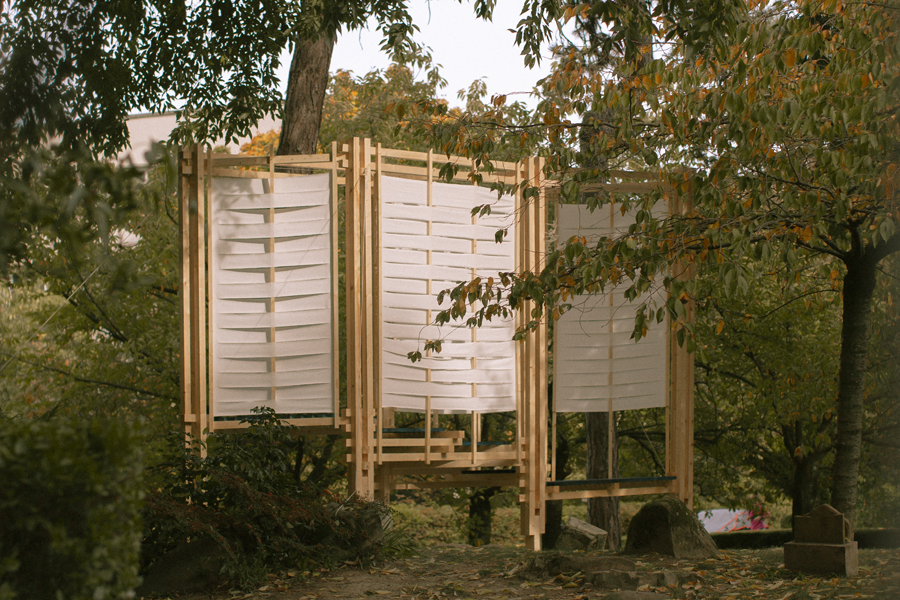
Raphael Zephir: festival des cabanes
Mathis Augustin: Pavillon au sein de cité internationale universitaire de Paris
WORKS: