Reverse Structuralism - What once was, becomes more
Amersfoort-Flint (NL) - Winner
TEAM PORTRAIT
VIDEO (by the team)
INTERVIEW
Click on the images to enlarge
1. How do you define the main issues of your project in relation with the theme “Re-sourcing”? Re-sourcing thanks to nature, to social dynamics, to new materiality? In which way do you think your project can contribute to an ecological and/or social evolution? And in which way do you think your project can be called a “regenerative project”?
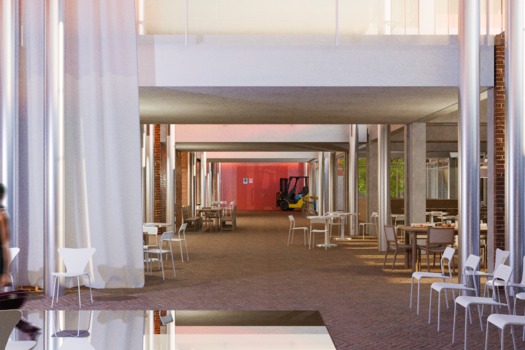
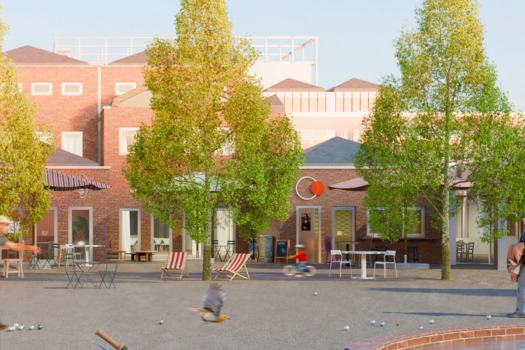
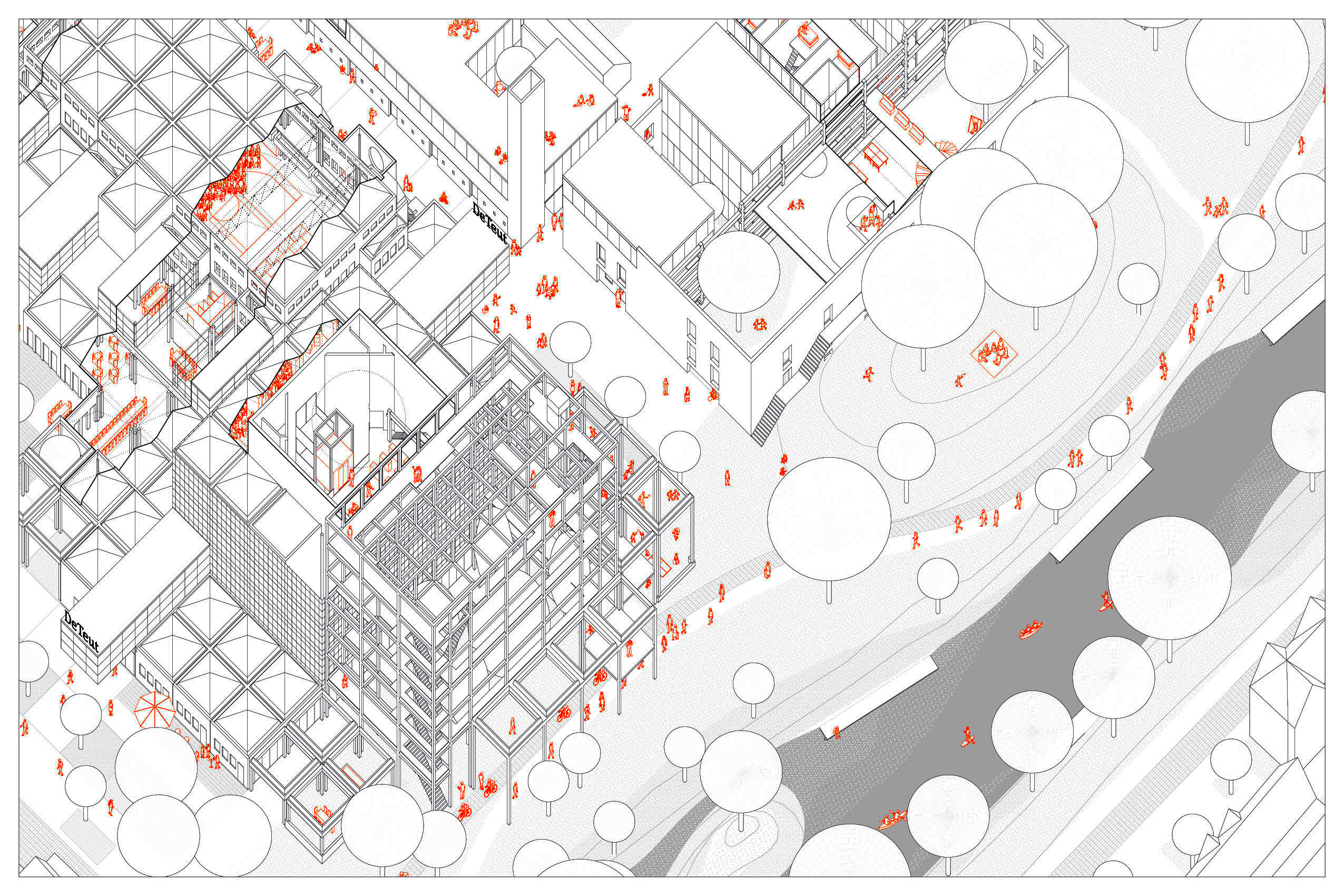
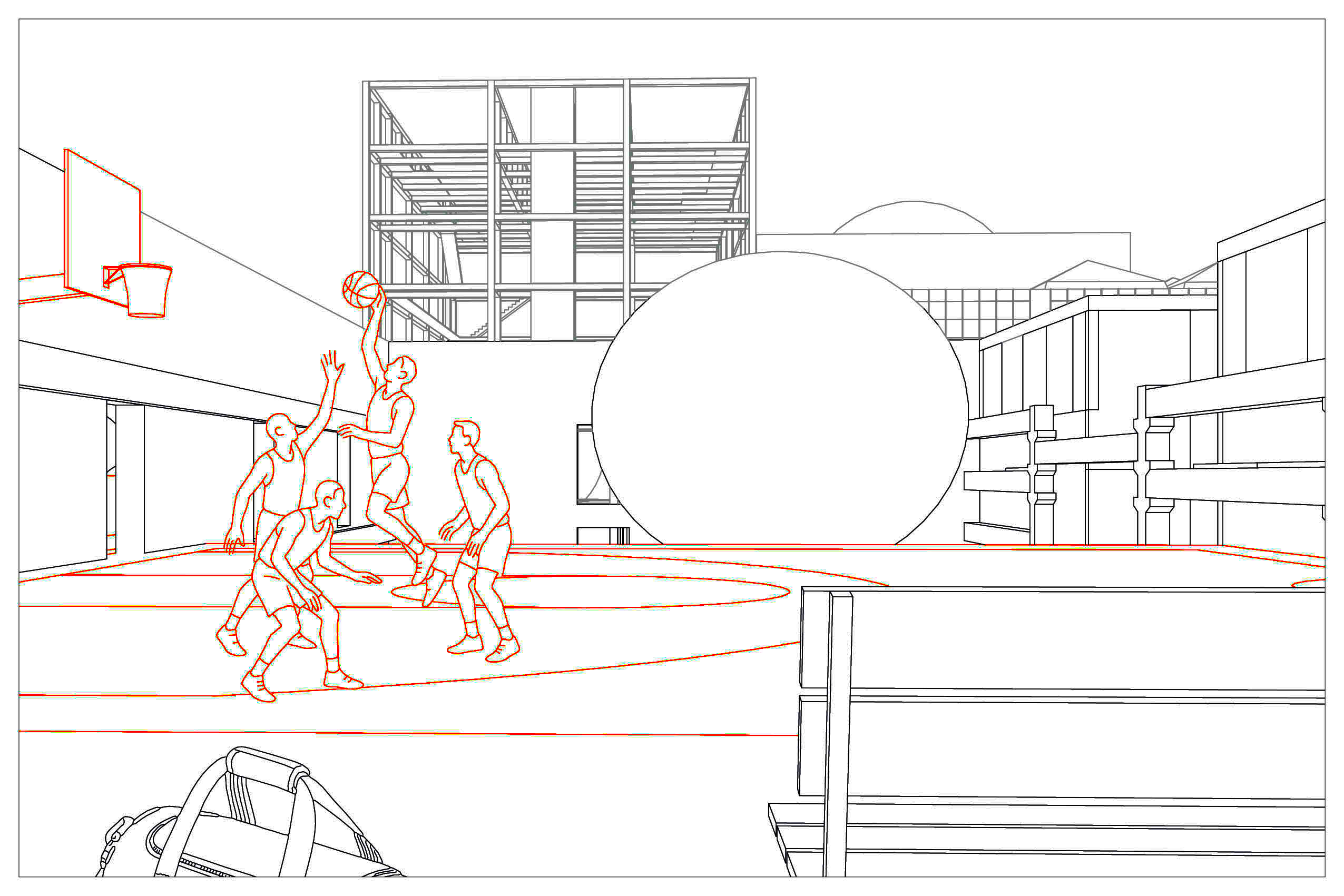
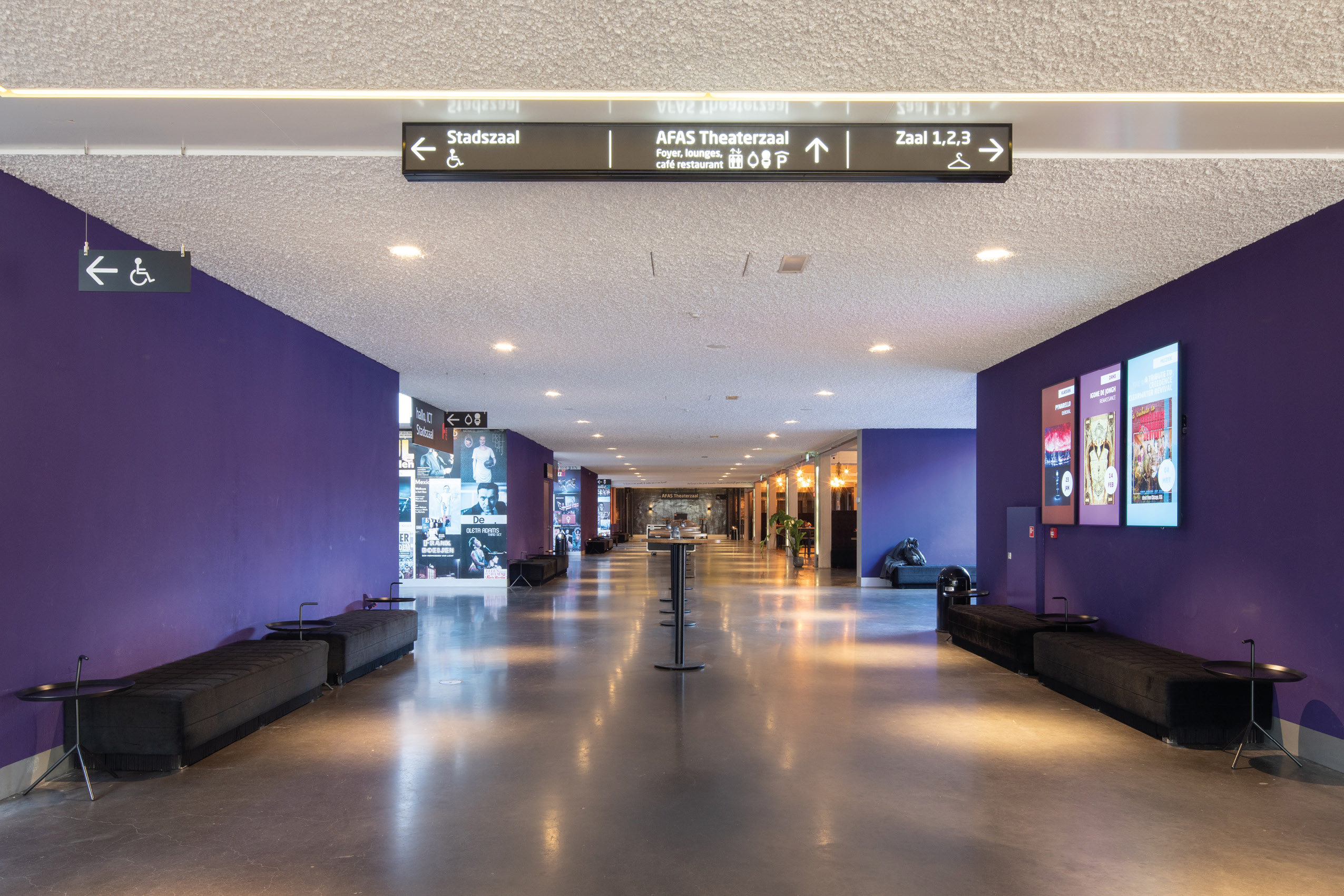
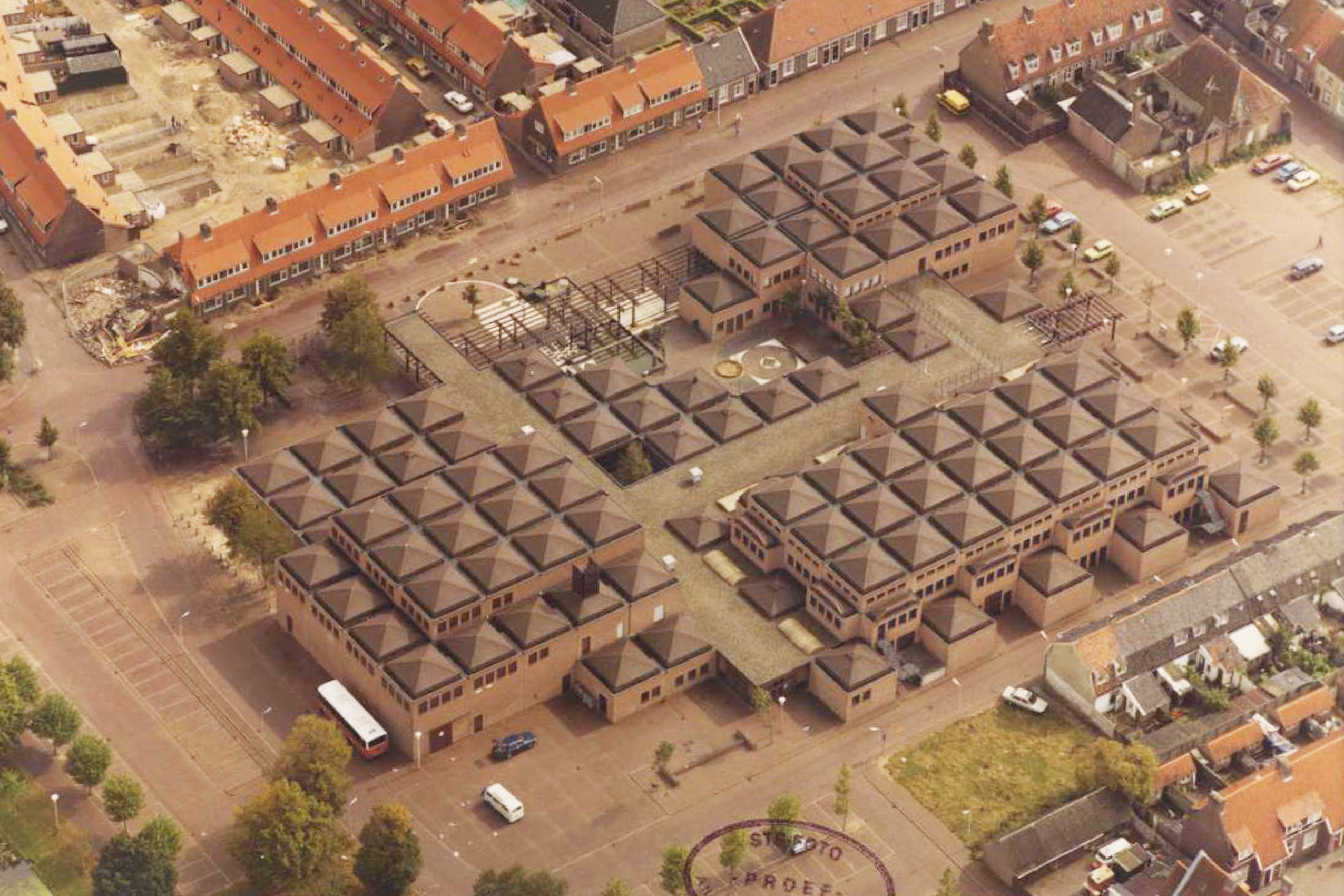
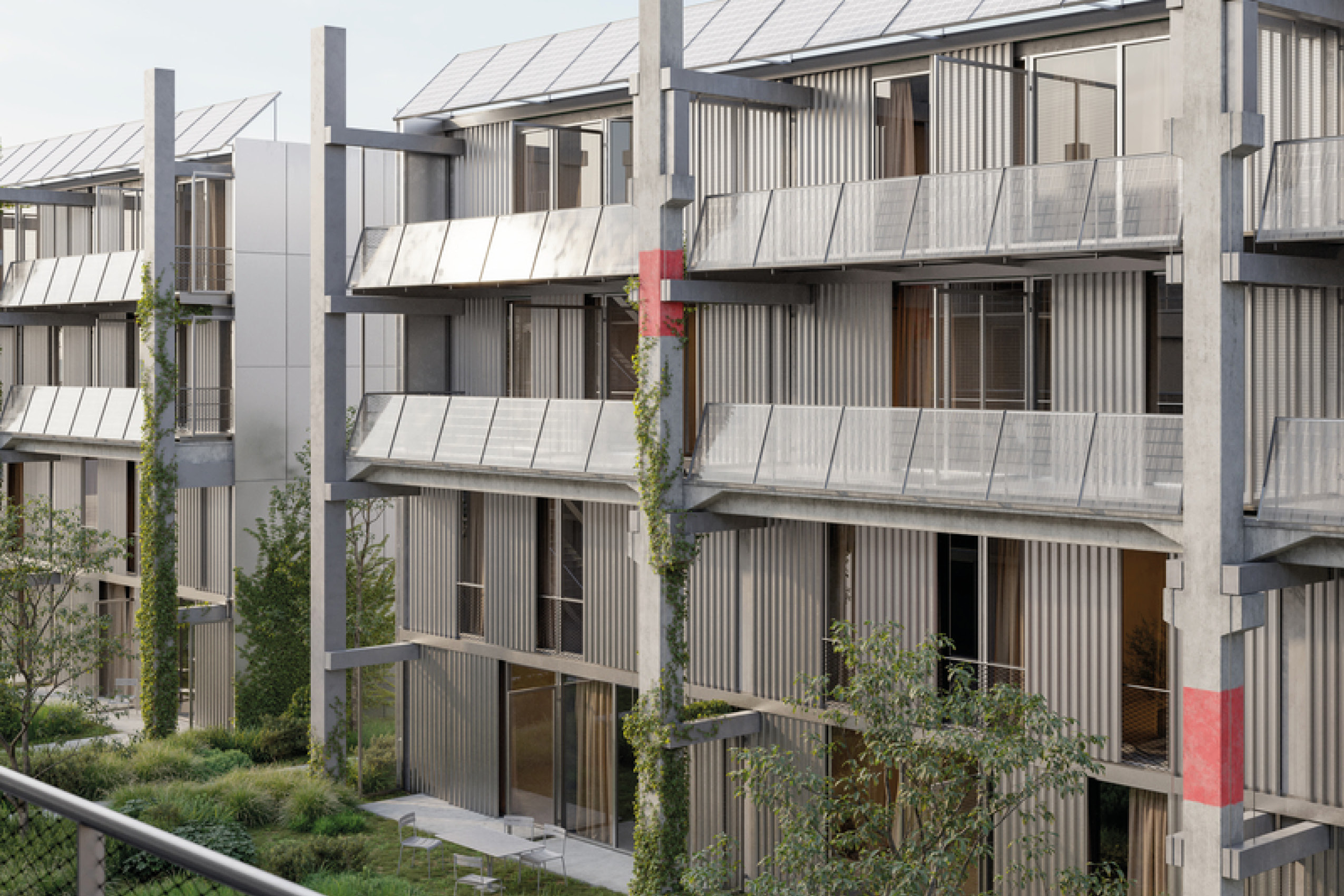
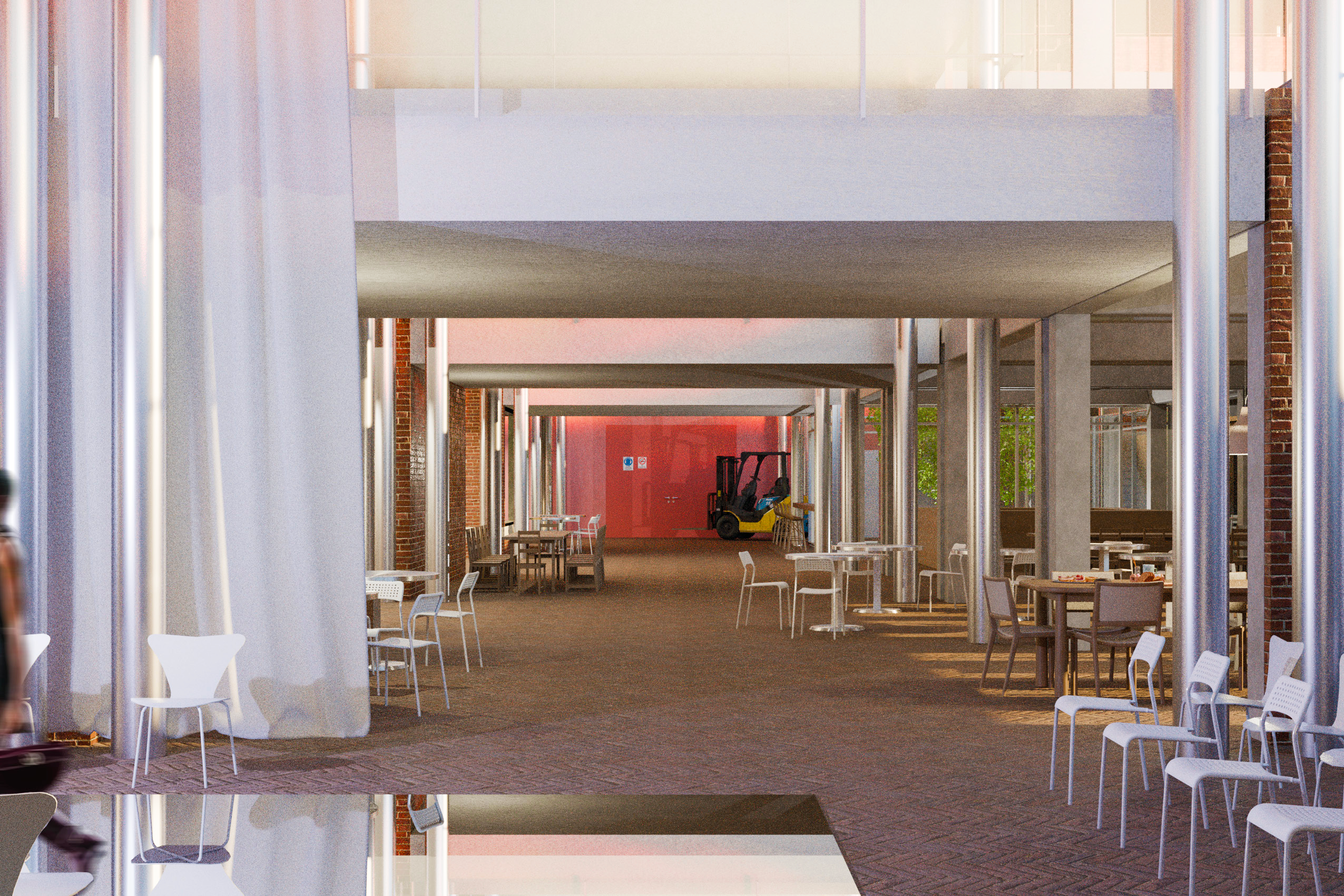
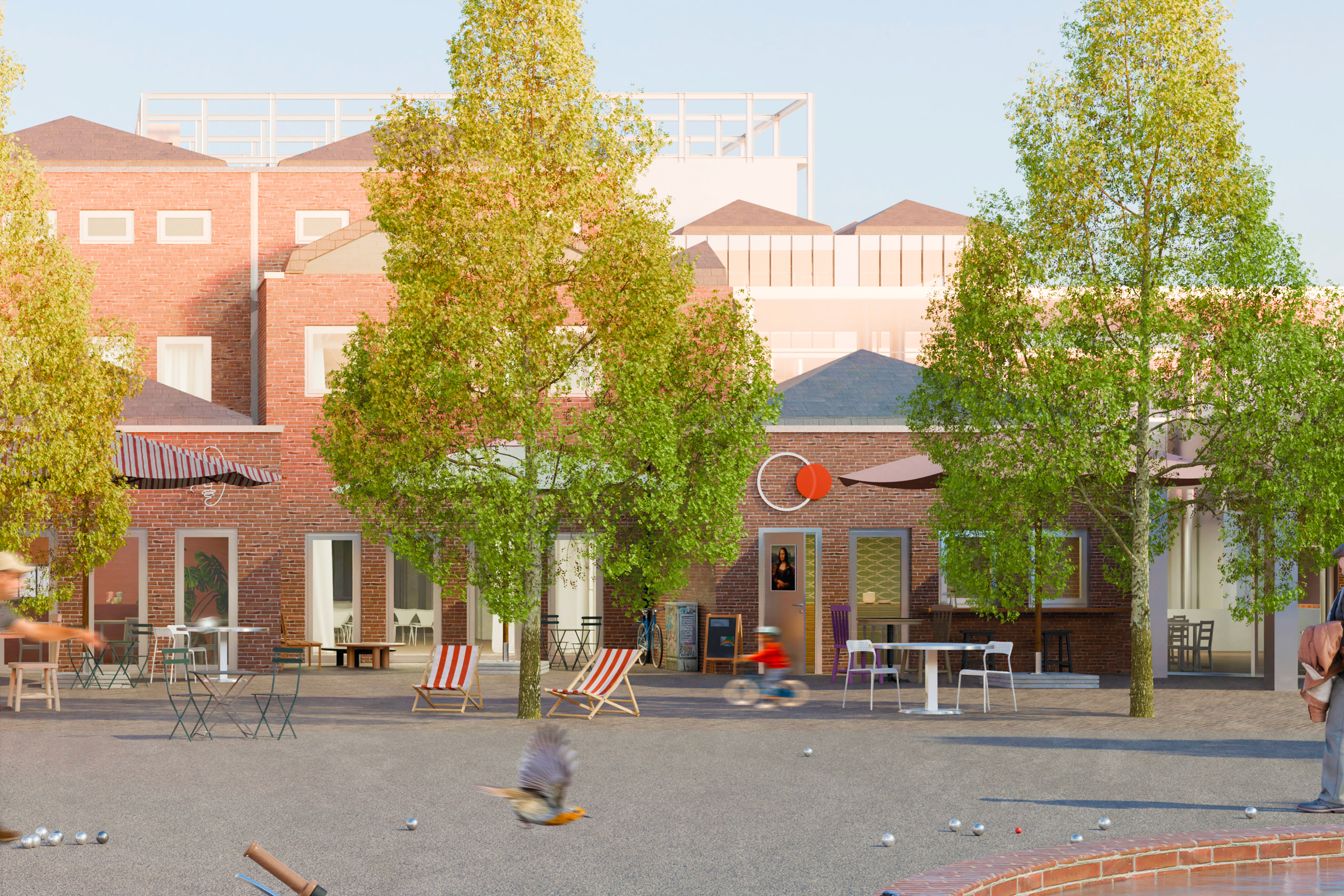
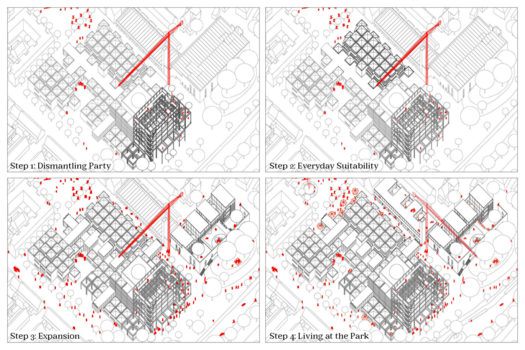
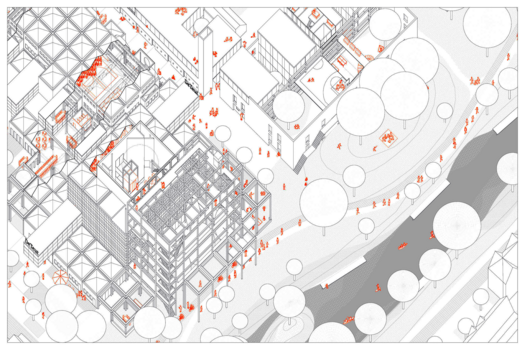
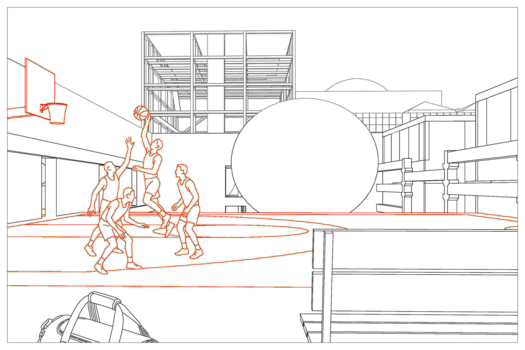
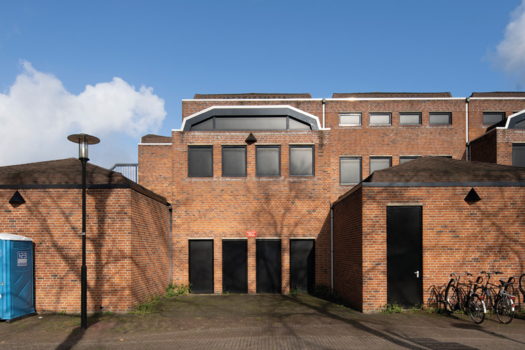
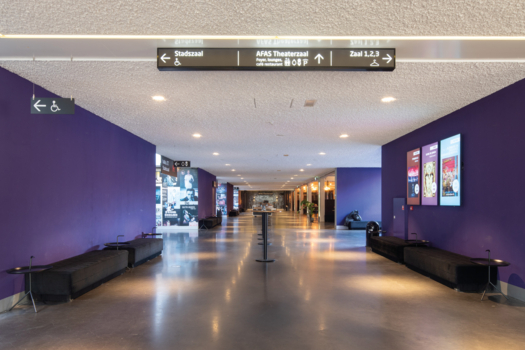
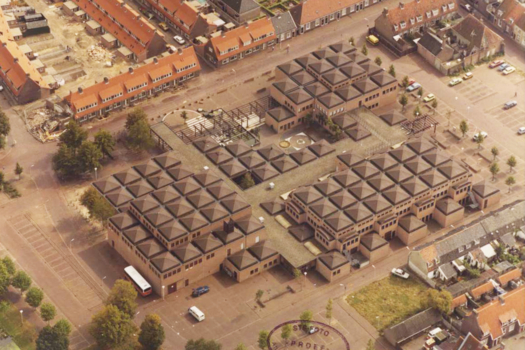
Our project understands “Re-sourcing” as a spatial, social, and material reactivation of Flint’s structuralist heritage. The existing open and dynamic structuralist framework forms the foundation of our design, which we deliberately re-interpret by introducing a heterogeneous social mix. Flint’s structuralist legacy is based on a network of hierarchically linked spaces. While this creates rich spatial situations, it has also produced introverted, windowless areas over the time. The modular logic of the building expresses its original expandability and its initial ambition as a multifunctional “play cave for everyone.” Over time, however, the building has been reduced to a largely monofunctional theater. Building on this legacy, we selectively create new connections and remove others in order to reopen the structure and dissolve its monofunctional character. By celebrating the modular system and reusing existing materials, we transform Flint into a spatial and social resource: a source for a diverse, adaptable framework that can host multiple uses, actors, and forms of appropriation. In this sense, the project contributes to ecological and social evolution by prioritizing reuse over replacement, enabling long-term adaptability, and fostering social heterogeneity. It can be understood as a regenerative project because it does not restore the building to a past state, but reactivates its latent potential to continuously generate new spatial, social, and material relations over time.
2. How did the issues of your design and the questions raised by the site mutation meet?
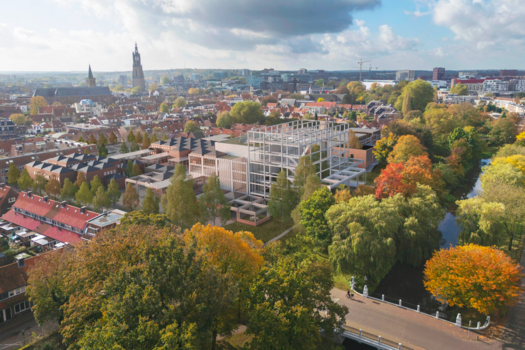
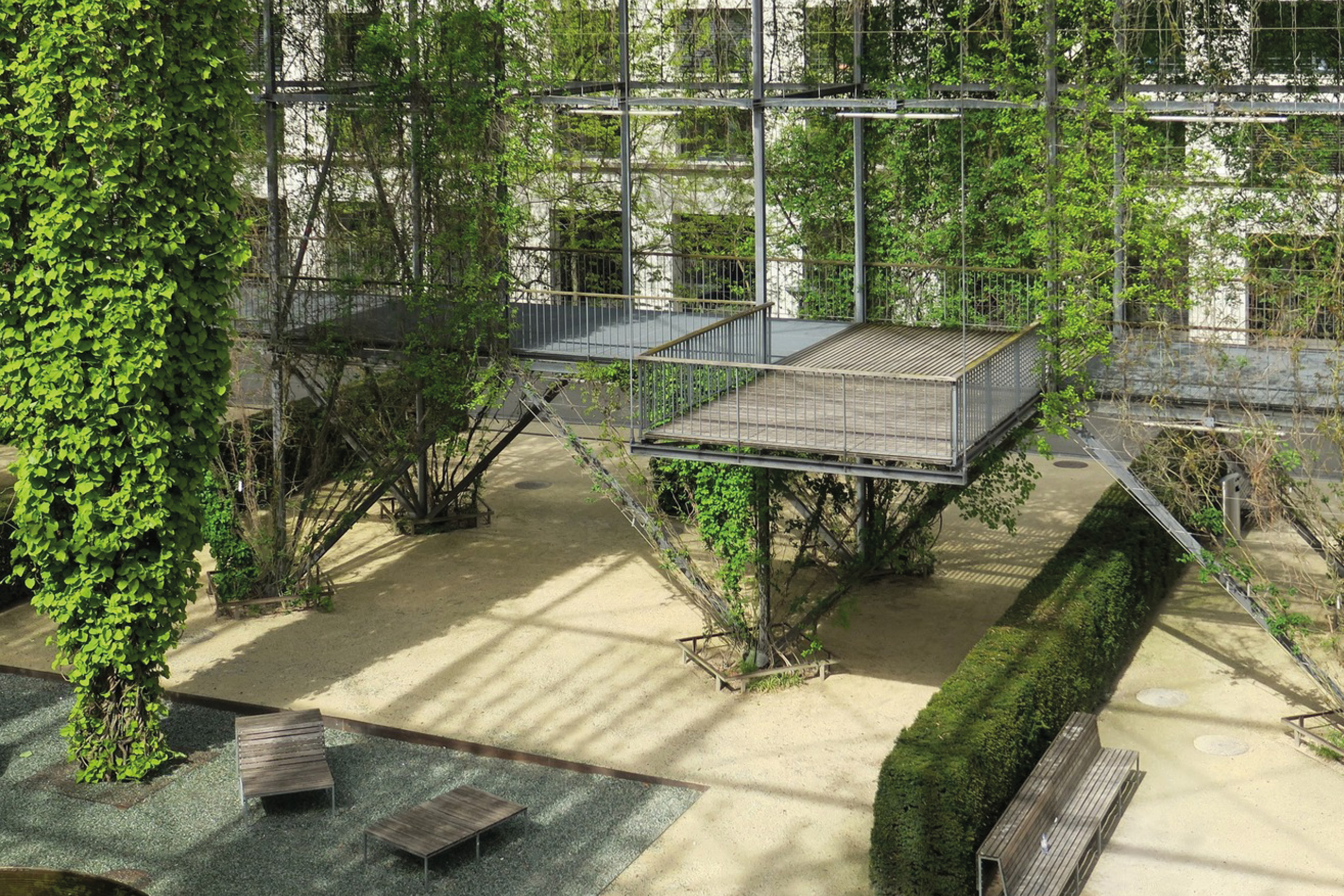
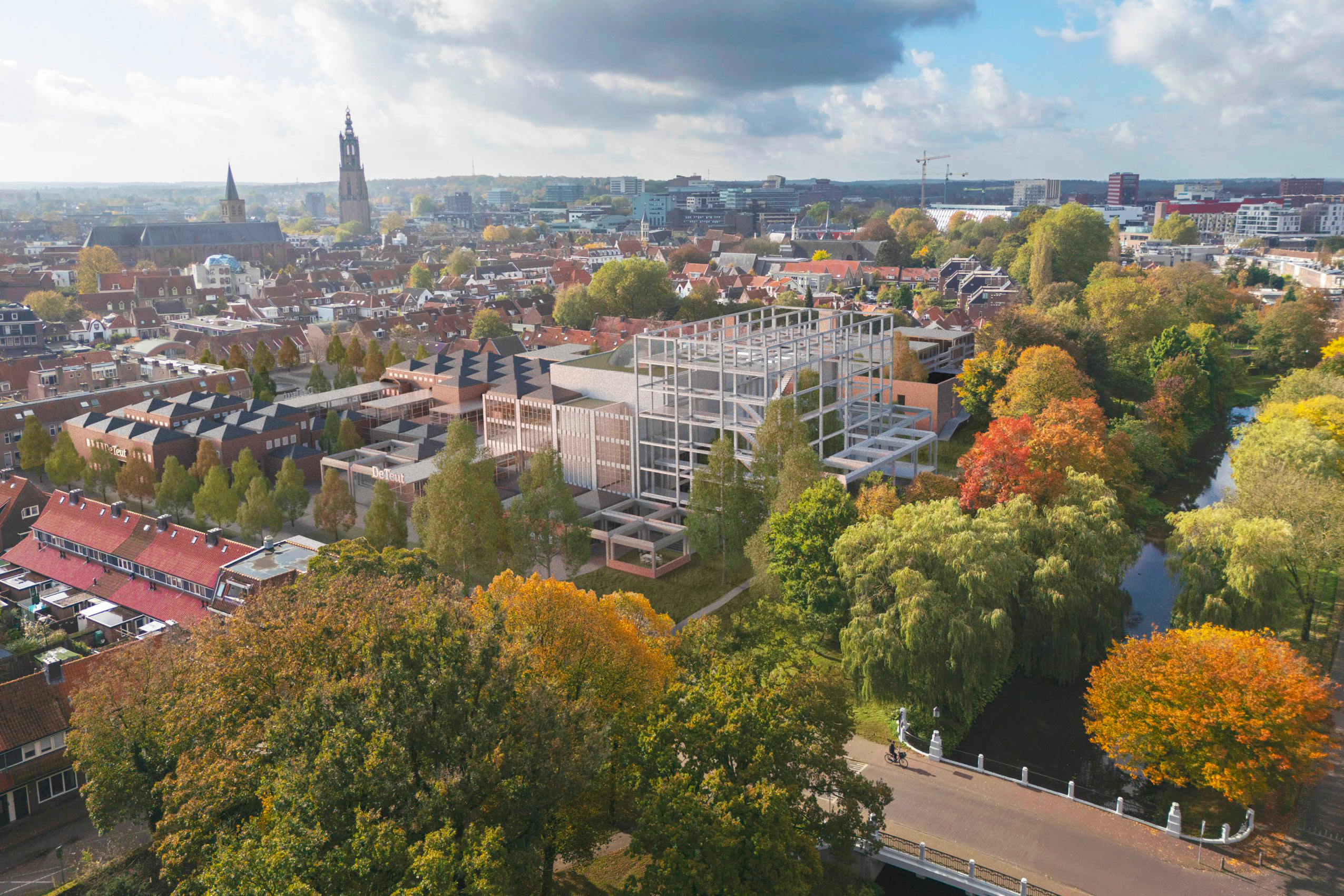
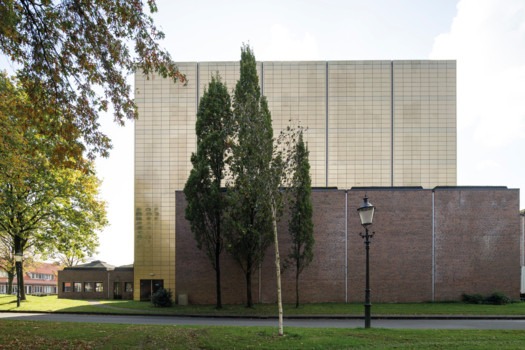
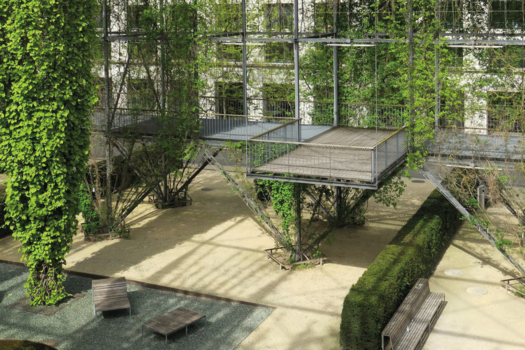
Both in the letter and during the on-site visit, strong emphasis was placed on the importance of the connection to the city and the Green Belt. We respond to these themes directly in the first phase of the project, transforming the stage tower into a vertical park that becomes an integral extension of the Green Belt. This intervention naturally draws attention and clearly articulates the transformation in Amersfoort’s skyline.
PROJECT:
Yes, during our studies we worked on several projects in which public participation was an integral part of the design process. These ranged from designs that could only function through active participation to projects within existing structures where participation was embedded in the design. On campus, we were also strongly involved in object and spatial planning projects aimed at encouraging communication between different disciplines. We are eager to bring our academic knowledge into practice in Amersfoort and value the opportunity to engage in dialogue with local stakeholders.
SITE:
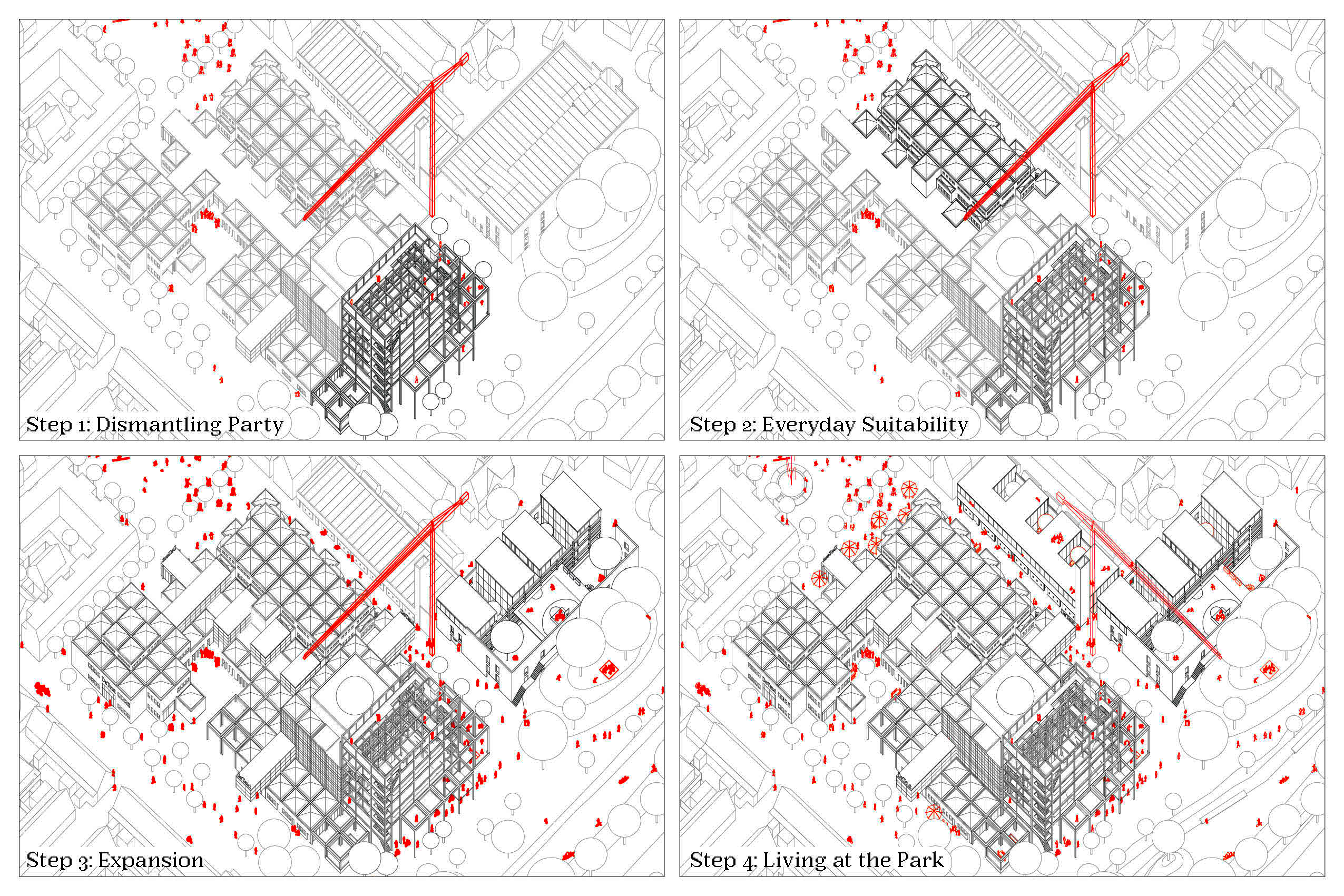
Our design includes many functions and spaces that cannot work without the involvement of local stakeholders. During our design process, there were several iterations in which we developed various participation concepts. However, within the context of the competition, these concepts seemed too prescriptive. Such concepts need to be developed together with the people on site. Nevertheless, our proposal offers a great deal of design flexibility – both spatially and in terms of the sequence in which our design is to be implemented. The redevelopment of DeFlints is planned to take place in phases. The first phase, in particular, includes a so-called “Dismantling-Party”, which is intended to bring together the surrounding area, the planners, and the local community.
REFERENCES:
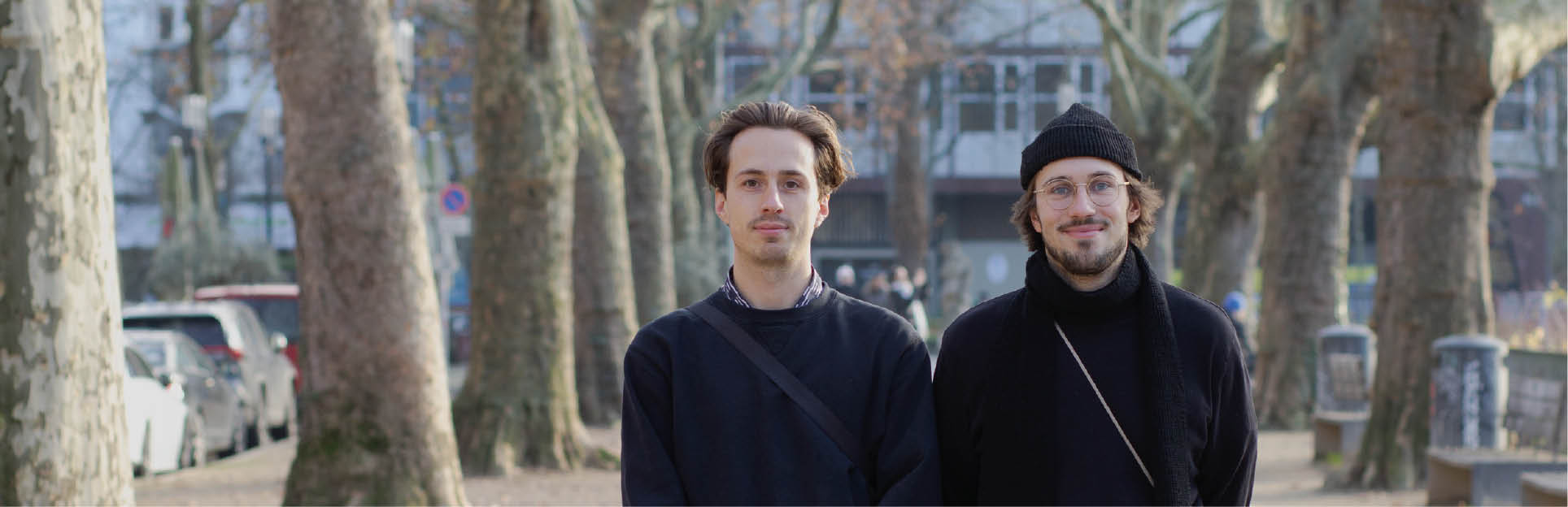
We had already collaborated on projects during our studies and decided to participate in Europan as a team. Our working methods are quite contrasting, which makes both the collaboration and the projects themselves exciting. Together, we form a strong combination of solid know-how, boundless creativity, and a constant desire to learn. Our shared goal is to create places that are accessible and meaningful for everyone.
6. How could this prize help you in your professional career?
Yes, we are convinced that this prize can support our professional development. It offers us the opportunity to showcase our work and ideas through the Europan platform and to present our skills in the public realm. We are excited to see what lies ahead and already look forward to engaging in a stimulating exchange with the representatives of Europan and the City of Amersfoort.
TEAM IDENTITY
Legal status:
Team name:
Average age of the associates: 29 years old
Has your team, together or separately, already conceived or implemented some projects and/or won any competition? if so, which ones?
Together, we designed and built a mobile bar (apérobar) at the State Academy of Fine Arts Stuttgart. Individually, Paul has conceived and realized several small-scale projects with his self-founded collective “RAUMSUCHE”, including a small wooden house, a tiny house, and a pavilion, and has contributed to projects and competitions in renowned offices such as wulf Architekten (DE), cn-architekten (AT), MGF-Architekten (DE), and LAMOTT.LAMOTT Architekten (DE). Gabriel is currently working on the research project str.auch at str.ucture in Stuttgart. He was part of the NEIGHBORHOODS project and contributed to a Bamboo Membrane Pavilion in Munich. He has also been involved in the execution planning and complex modeling of various membrane and timber structures, including the Parkarena Fürth im Wald. During his studies, he participated in several exhibition, including one titled Schöner Wohnen at the Kunsthalle Tübingen.
WORKS: