Water's Journey
Santa Pola (ES) - Winner
TEAM PORTRAIT
VIDEO (by the team)
INTERVIEW
Click on the images to enlarge
1. How do you define the main issues of your project in relation with the theme “Re-sourcing”? Re-sourcing thanks to nature, to social dynamics, to new materiality? In which way do you think your project can contribute to an ecological and/or social evolution? And in which way do you think your project can be called a “regenerative project”?
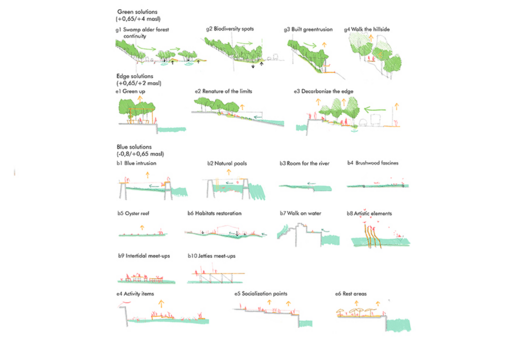
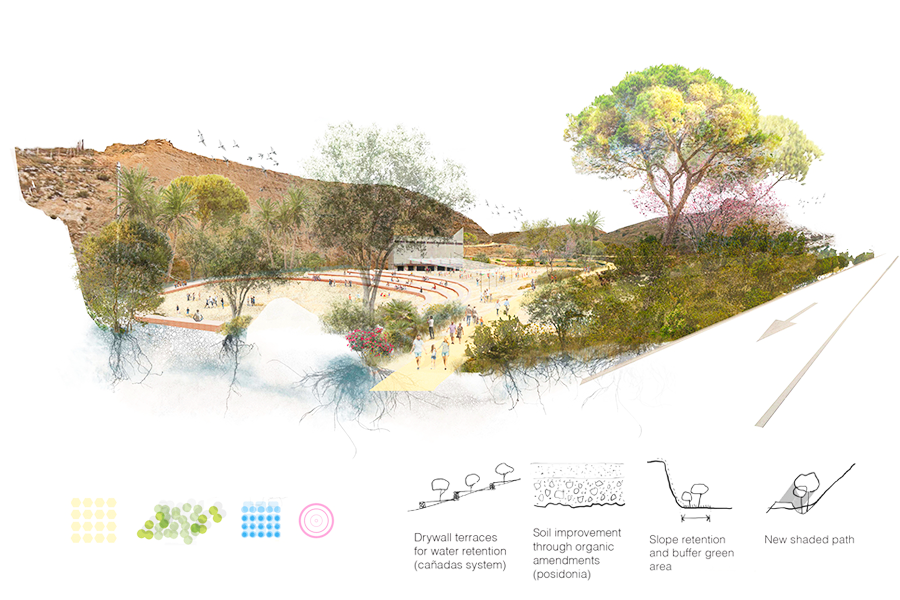
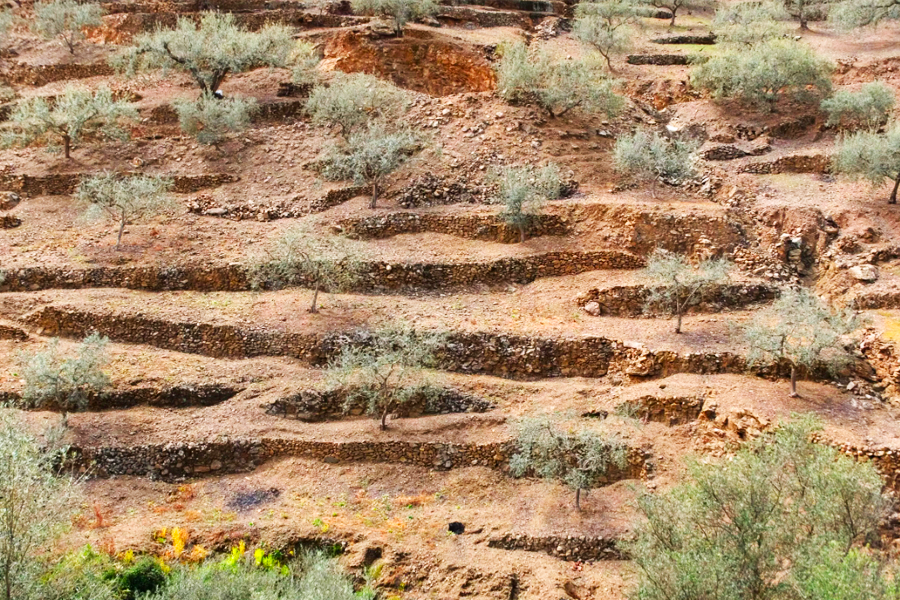
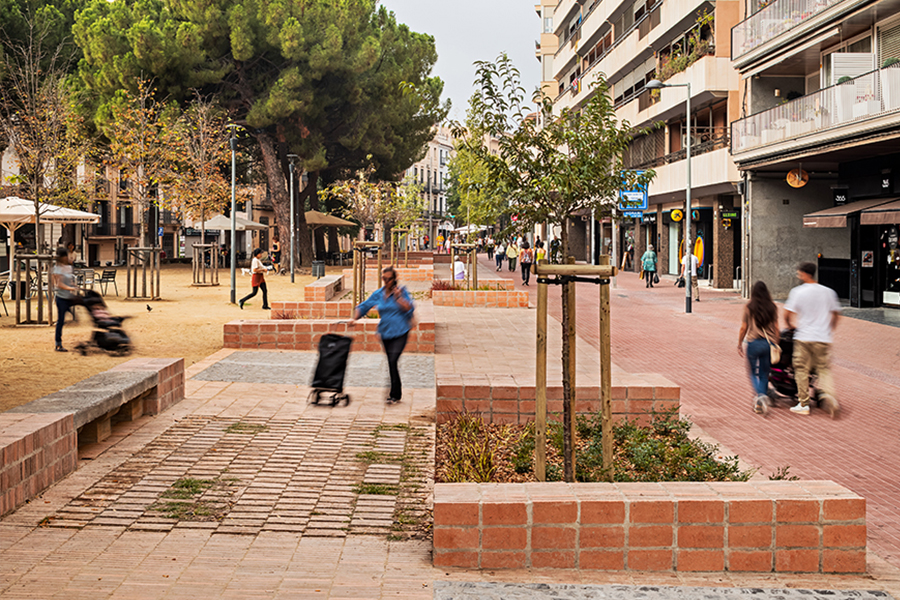
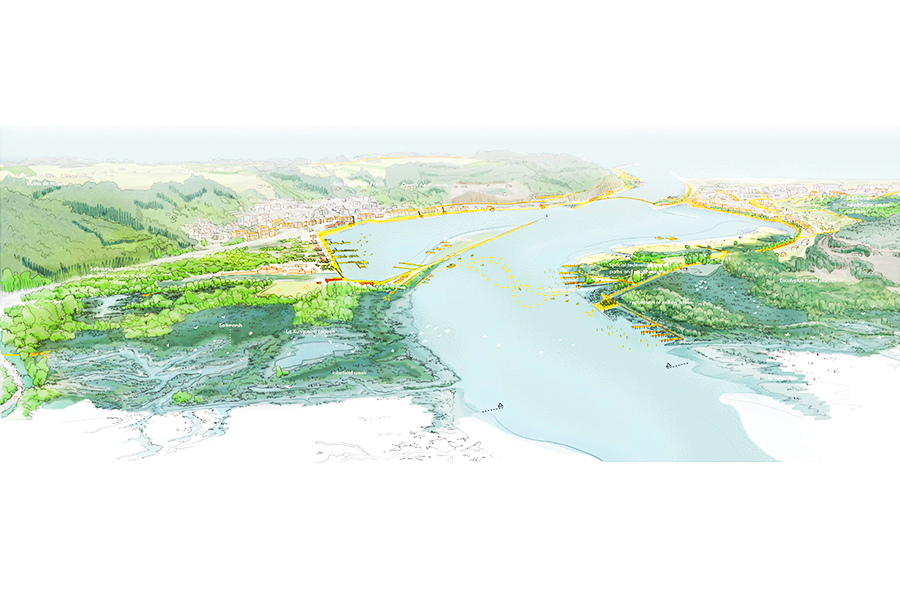
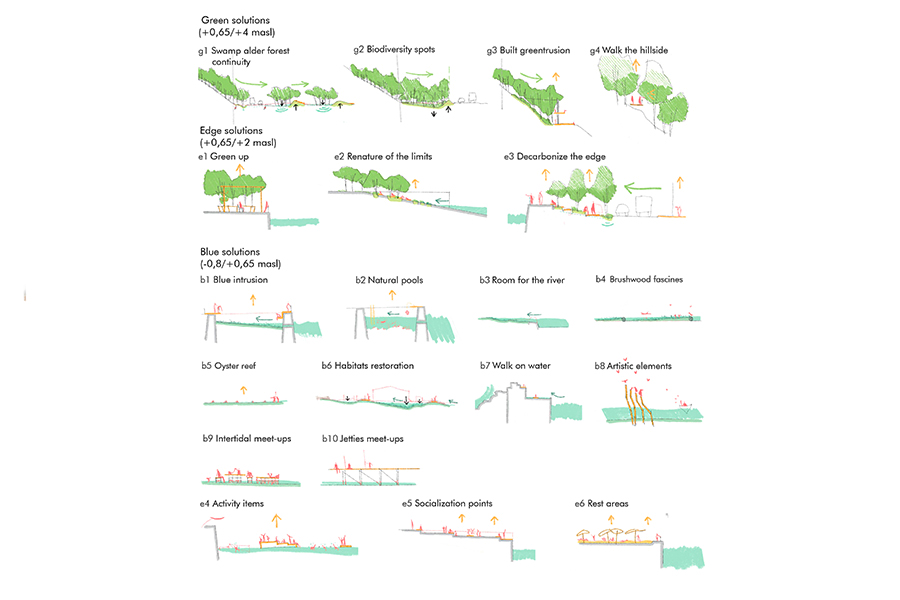
The project addresses ecological fragmentation, disrupted water systems, and climate vulnerability by re-sourcing natural and territorial systems as key drivers of urban resilience. It re-sources through nature by restoring water and green networks, through society by transforming urban voids into shared public spaces, and through materiality by using nature-based, low-impact solutions. The project strengthens ecosystems, improves climate adaptation, and fosters healthier, more inclusive public spaces that reconnect people with nature and diversifies economic activities and ways of meeting. It is regenerative because it restores degraded landscapes and natural cycles, creating long-term ecological and social value.
2. How did the issues of your design and the questions raised by the site mutation meet?
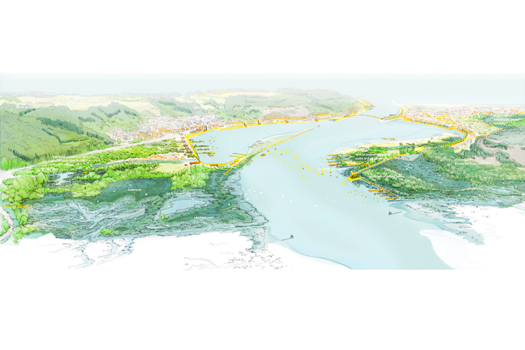
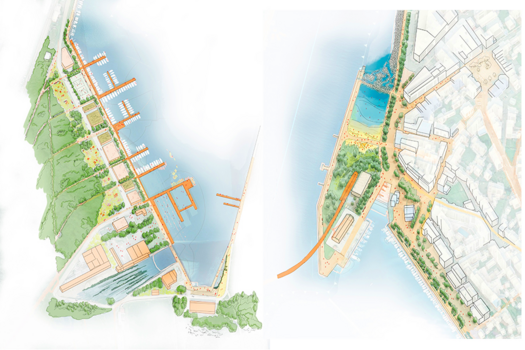
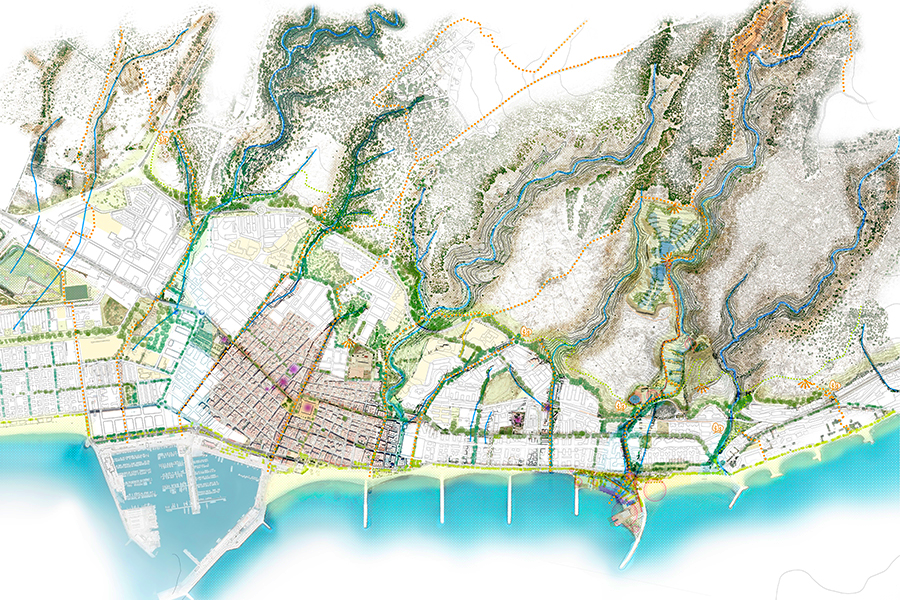
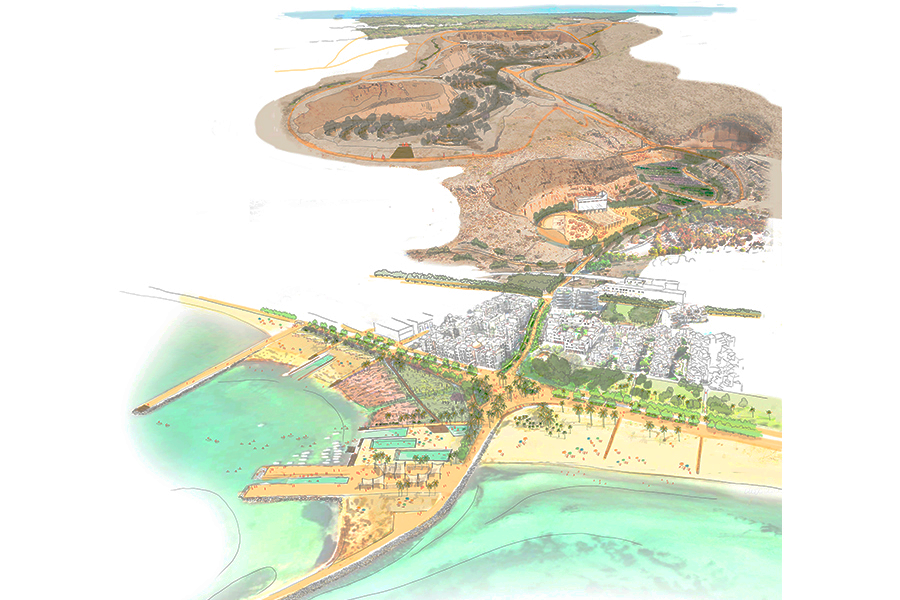
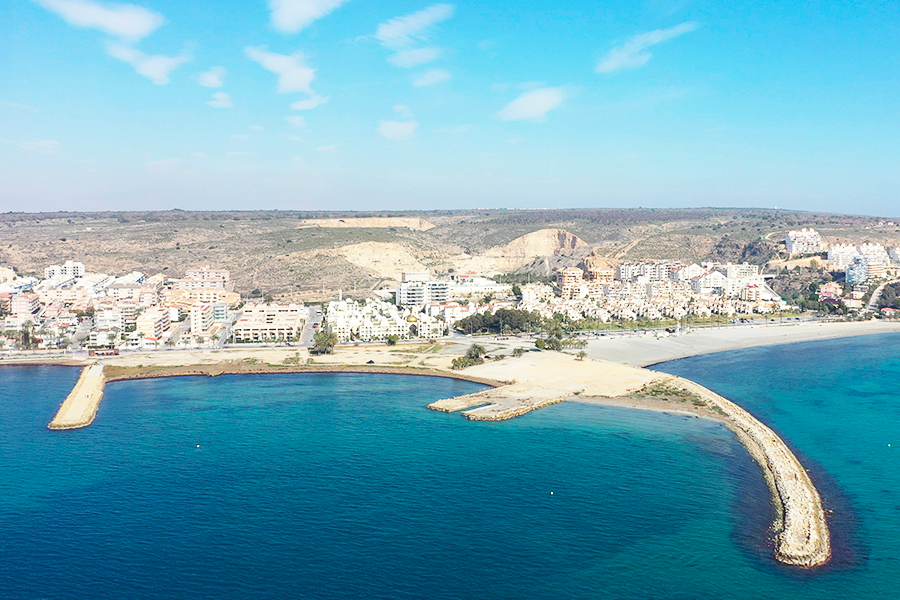
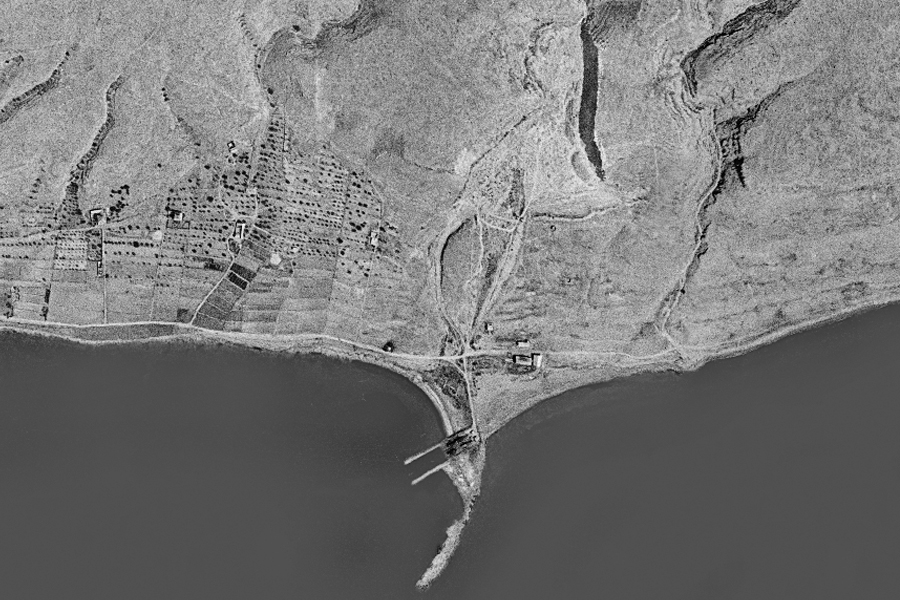
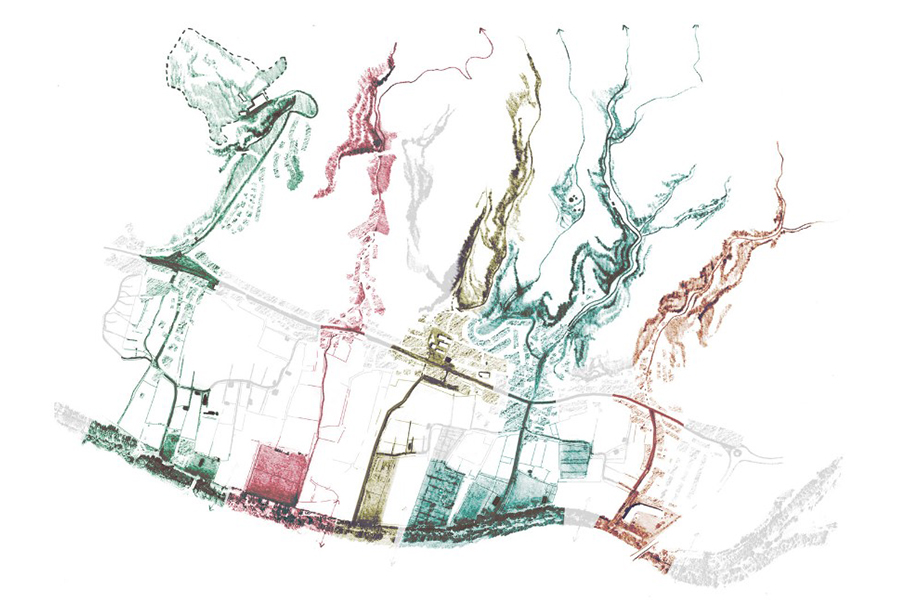
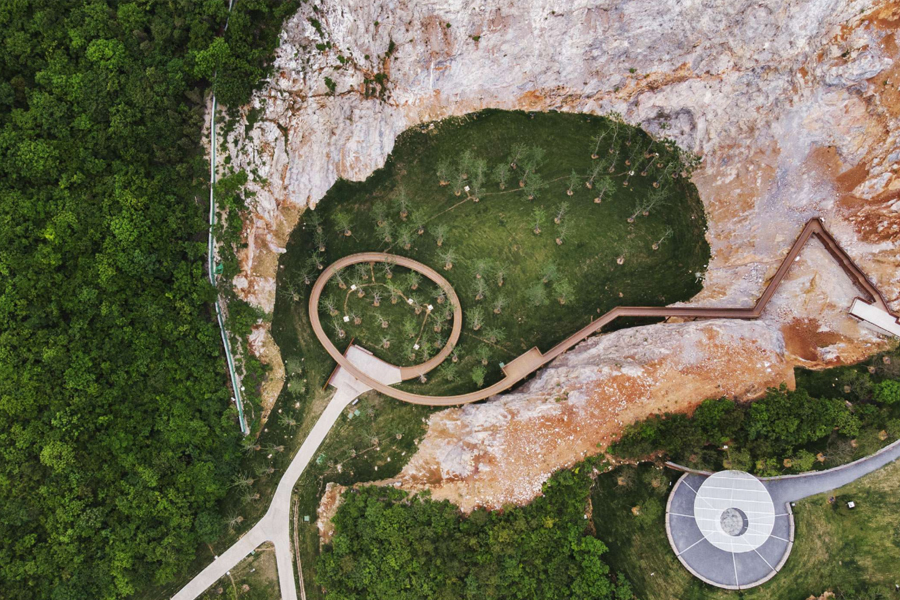
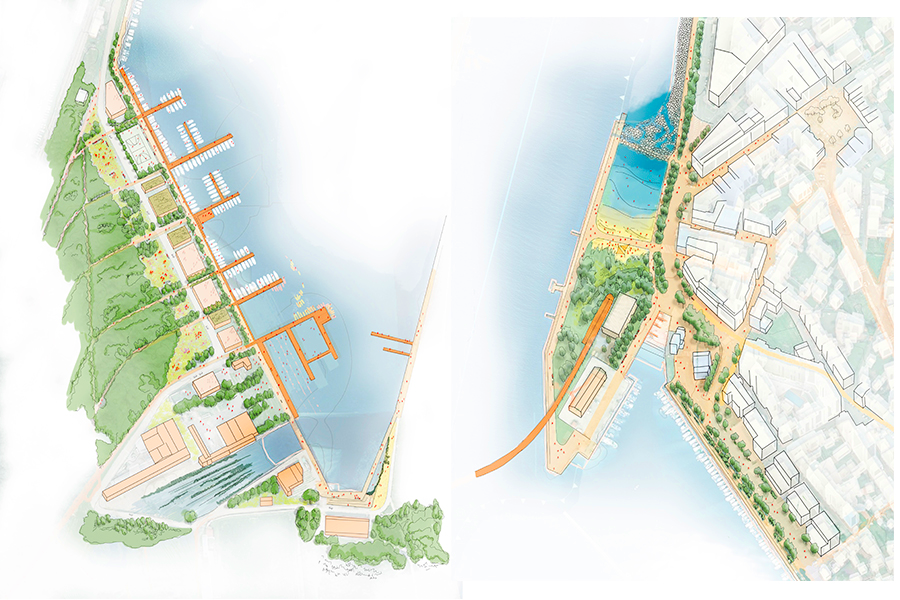
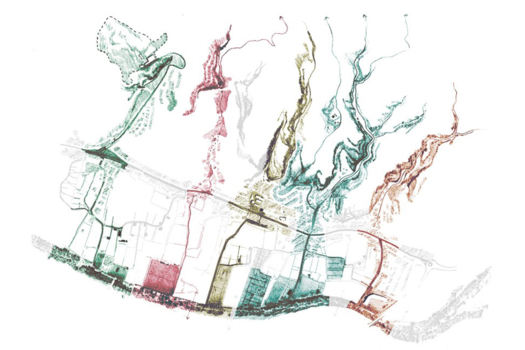
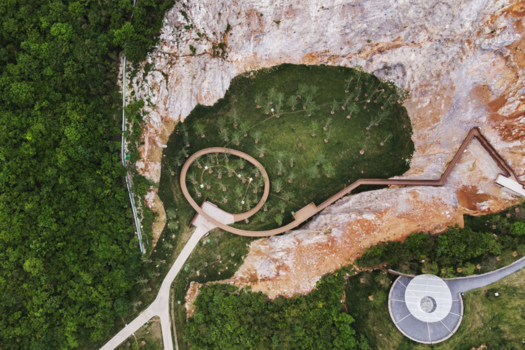
The project responds to the disruption of the hydrological system caused by urbanization by recovering the Barranc del Fondo as an ecological and social axis that reconnects the mountain range, the city, and the sea. Degraded urban voids resulting from territorial mutation, such as the quarry and Varadero Beach, are transformed into resilient green infrastructures that integrate water management, ecological restoration, and high-quality public spaces. In response to climate change, tourism pressure, and the loss of landscape identity, the proposal applies nature-based solutions to improve urban livability and strengthen the relationship between inhabitants and their natural environment. In this way, the project’s design challenges and the site’s transformations converge using water as a structuring element to regenerate Santa Pola’s ecological and social balance.
PROJECT:
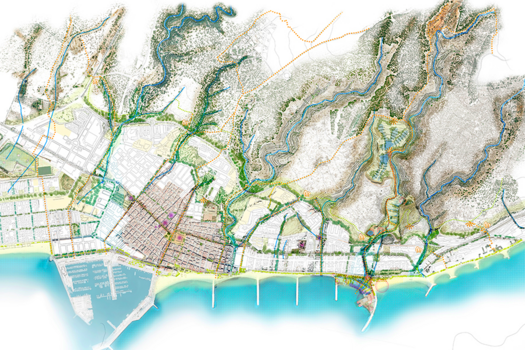
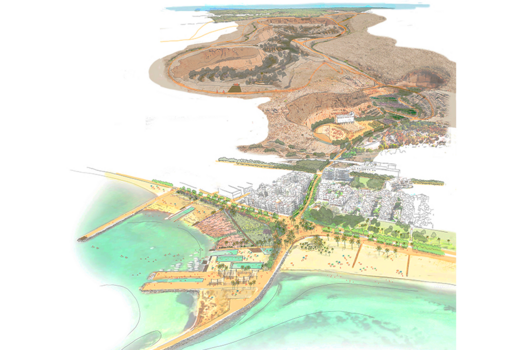
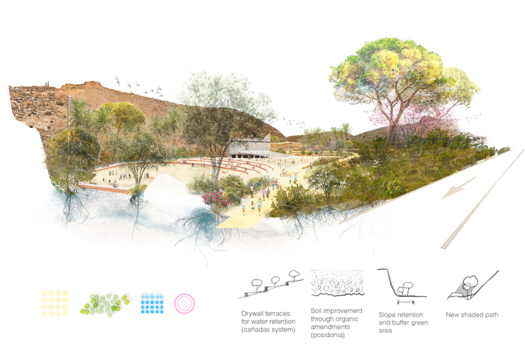
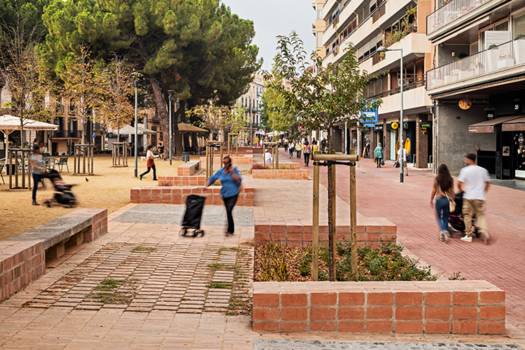
We have addressed similar issues in other competitions in the landscape design offices where we have worked and even in our master's studies. Some Reference projects that inspired ours are related to restoration of extractive activities strategies of green axis, connect the mountain with the coast, through new interactions between landscape and humans and the re-naturalization of the city through pacification of streets, water management and reduction of heat island.
SITE:
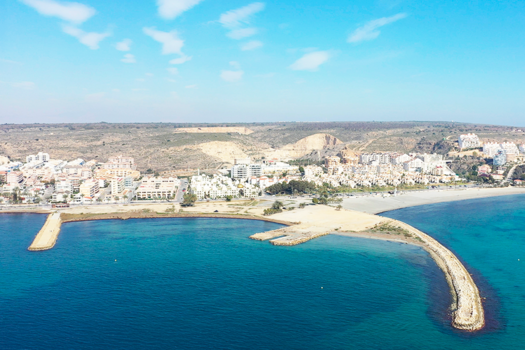
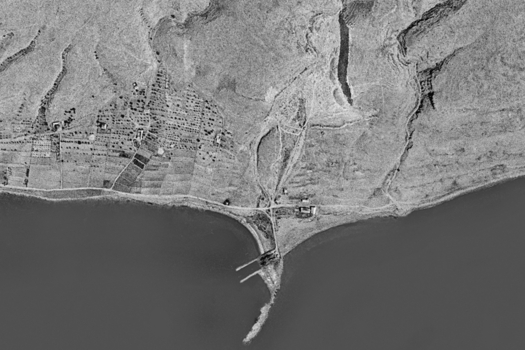
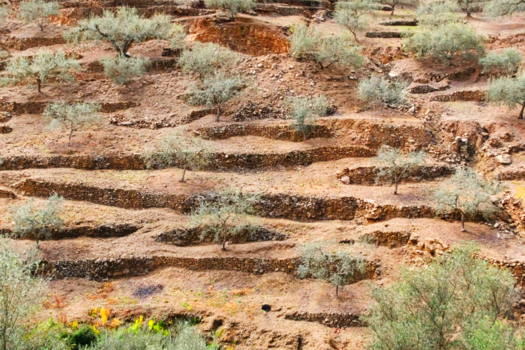
It is necessary to establish a connected and holistic vision of the entire Cabo de Santa Pola to ensure that interventions at a specific scale are successful. The “Water’s Journey” project proposes a set of territorial strategies that could be incorporated into a Cape Plan, developed with the consensus of local citizens and the municipality’s key stakeholders. This new comprehensive vision for integrating green infrastructure into the city through a prototype axis makes it possible to define a series of guidelines that can be replicated at a territorial scale: the restoration and conservation of natural and geological areas of interest; the recovery of transversal waterways; connectivity with existing routes and mountain trails; traffic calming along civic corridors; and the diversification of tourism.
REFERENCES:
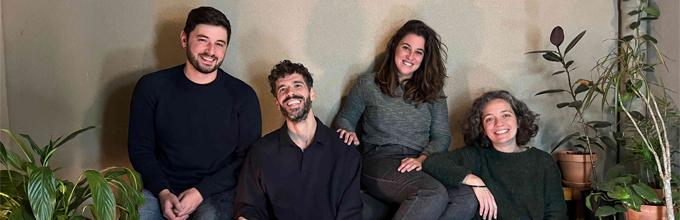
We are a team formed in the Master’s in Landscape Architecture in Barcelona. Javier, a biologist, works as a landscape architect at the City Council of Terrassa. Andrea and Carla, architects, are part of the Martí Franch landscape studio in Girona. Ibon, also an architect, works on territorial strategy for the Government of Cantabria. Our collaboration arises from shared education and overlapping professional experiences, as well as a common and enduring interest in landscape, that give very different perspectives to the projects. Our skills in cartography in GIS, Photoshop, research by design through drawing by hand and Autocad allow us to carry out interesting projects.
6. How could this prize help you in your professional career?
As a team, we participated in the previous edition of Europan, winning the second prize for the Nalón Estuary. For all of us it is the second time that we won such a recognition and because we implicated ourselves a lot on this project, we are very happy and grateful. This prize will give us visibility in the Landscape Architecture professional field, it makes us eager to participate in more competitions together, it adds value to our curriculum and opens up the possibility of creating an office together in the future.
TEAM IDENTITY
Legal status:
Team name:
Average age of the associates: 33 years old
Has your team, together or separately, already conceived or implemented some projects and/or won any competition? if so, which ones?
Yes, we won the second prize of Europan 17, with our project Between Waters, ubicated in Nalón river, Asturias, Spain.
WORKS: