A 100 Years Playbook
Nome (NO) - Special mention
TEAM DATA
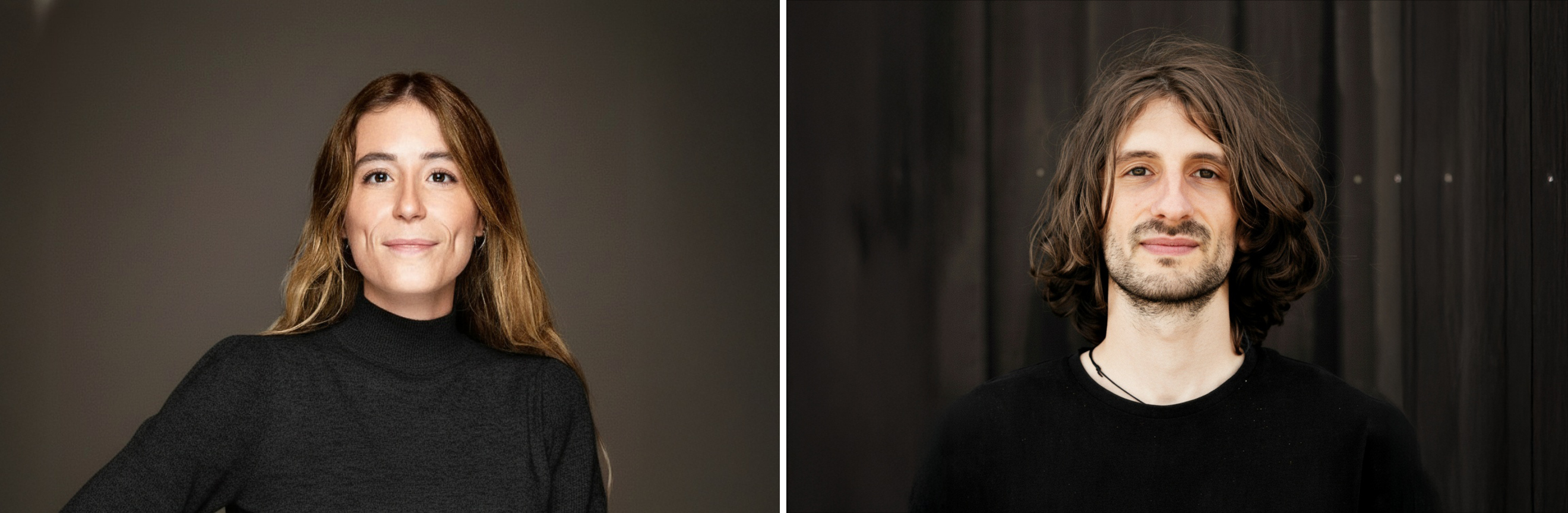
Associates: Nicole Vettore (IT) – urban designer, Alberto Roncelli (DK) – architect
studio@albertoroncelli.com / roncelli-studio.com
See the complete listing of portraits here
See the site here
TEAM PORTRAIT
INTERVIEW
Click on the images to enlarge
1. How do you define the main issues of your project in relation with the theme “Re-sourcing”? Re-sourcing thanks to nature, to social dynamics, to new materiality? In which way do you think your project can contribute to an ecological and/or social evolution? And in which way do you think your project can be called a “regenerative project”?
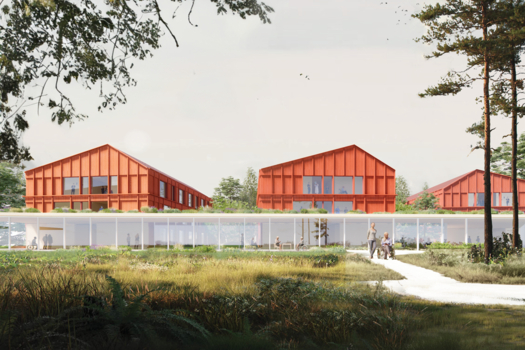
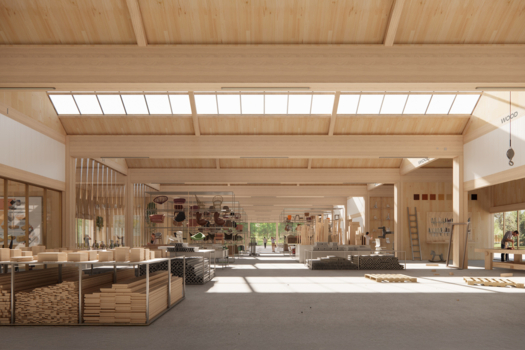
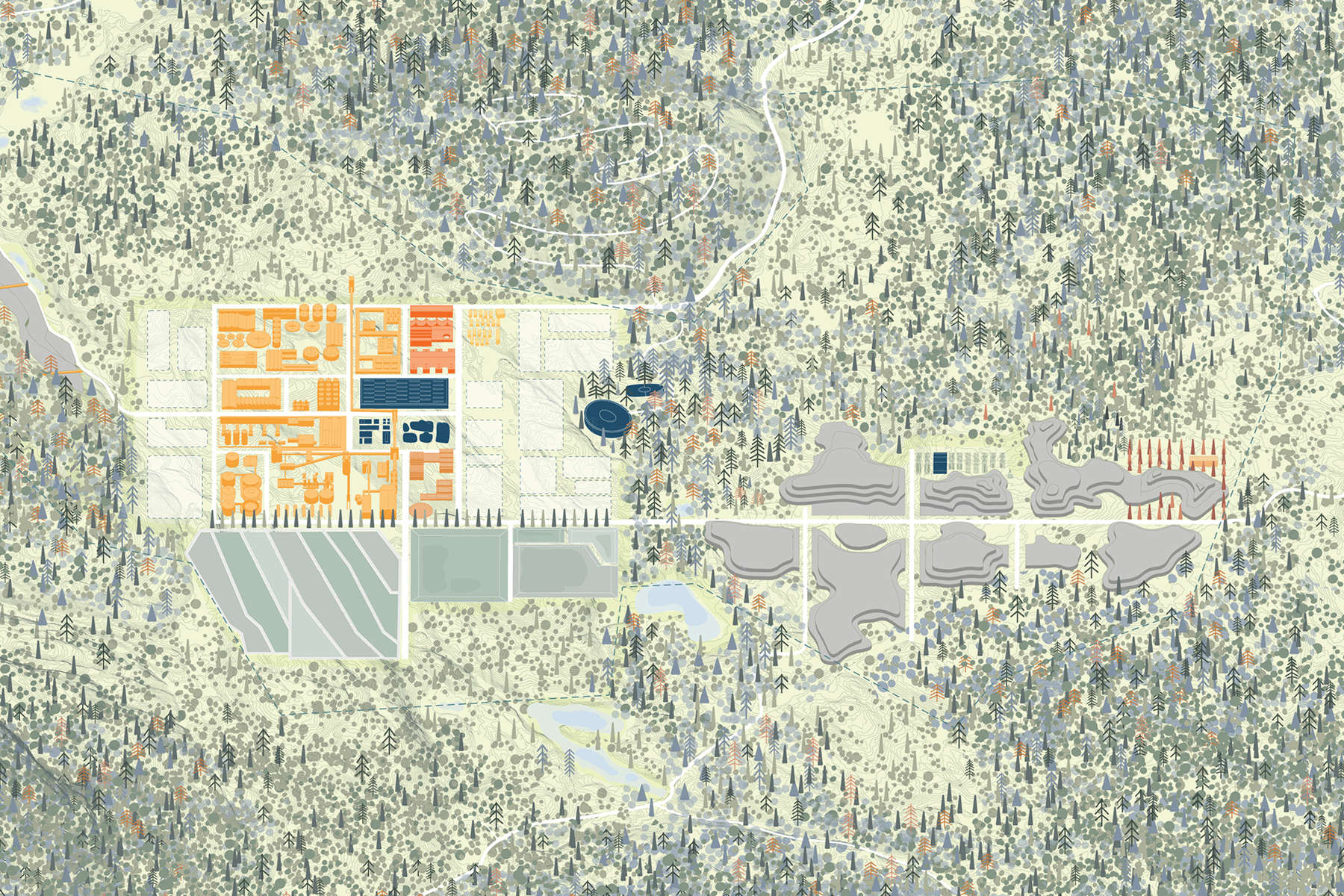
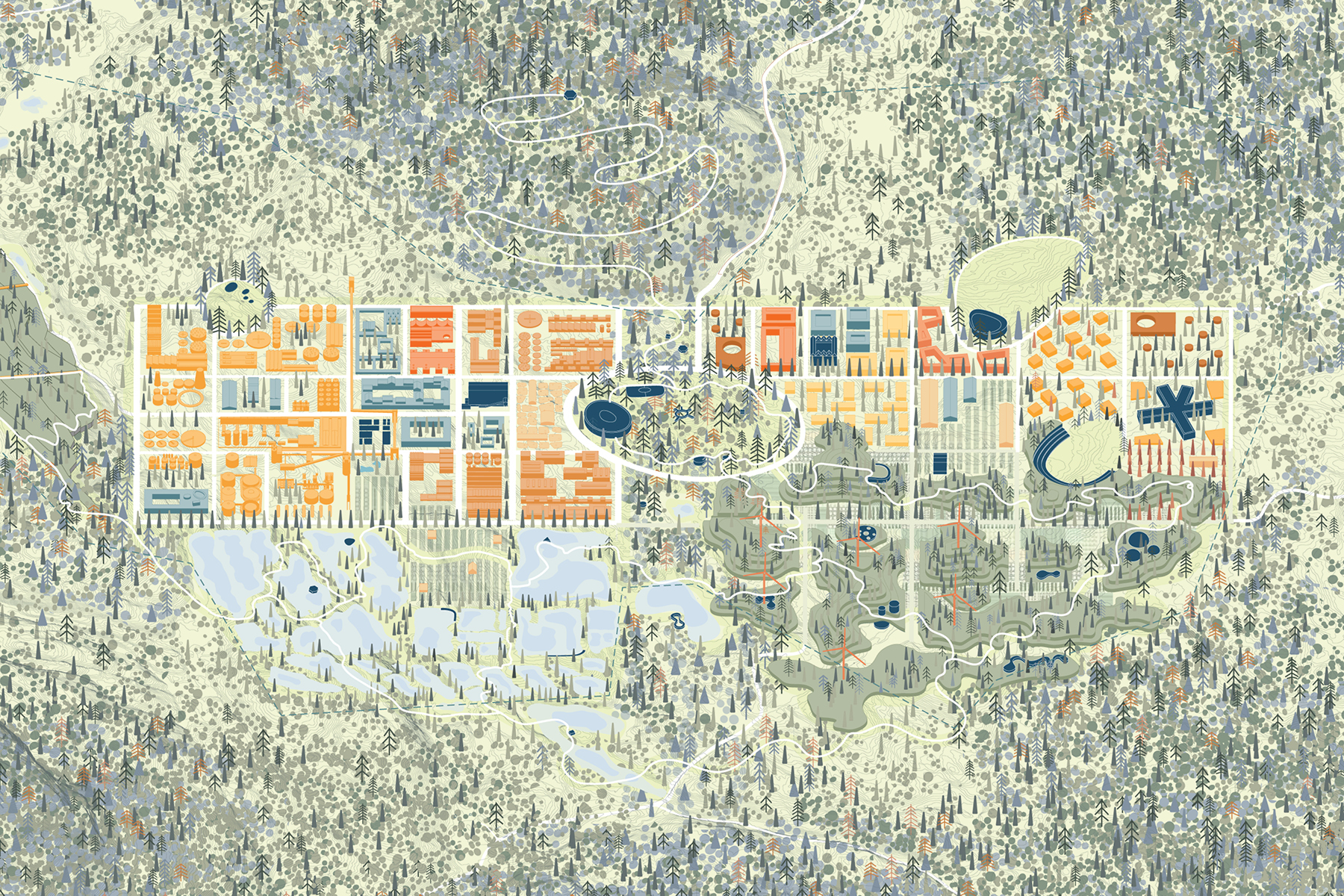
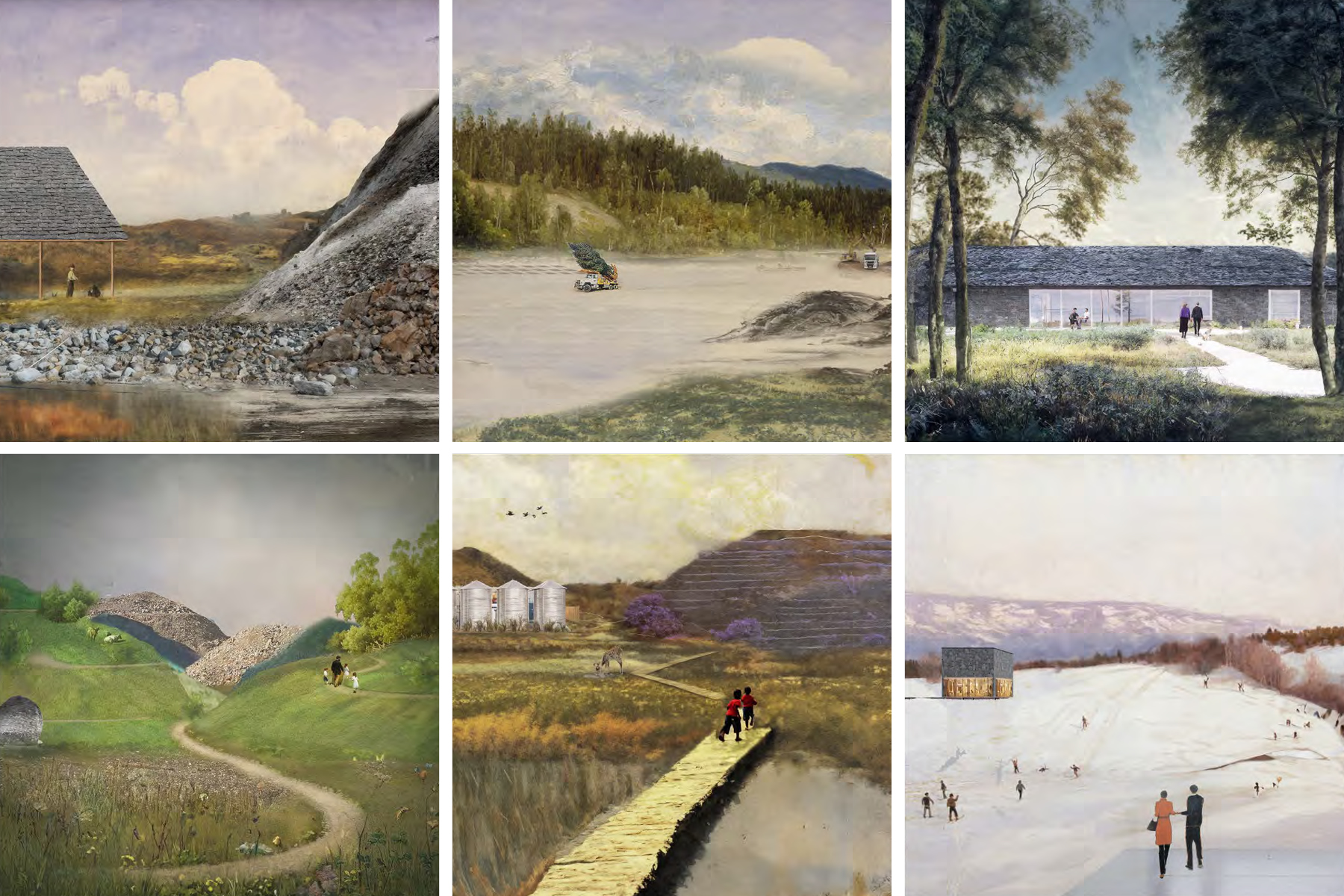
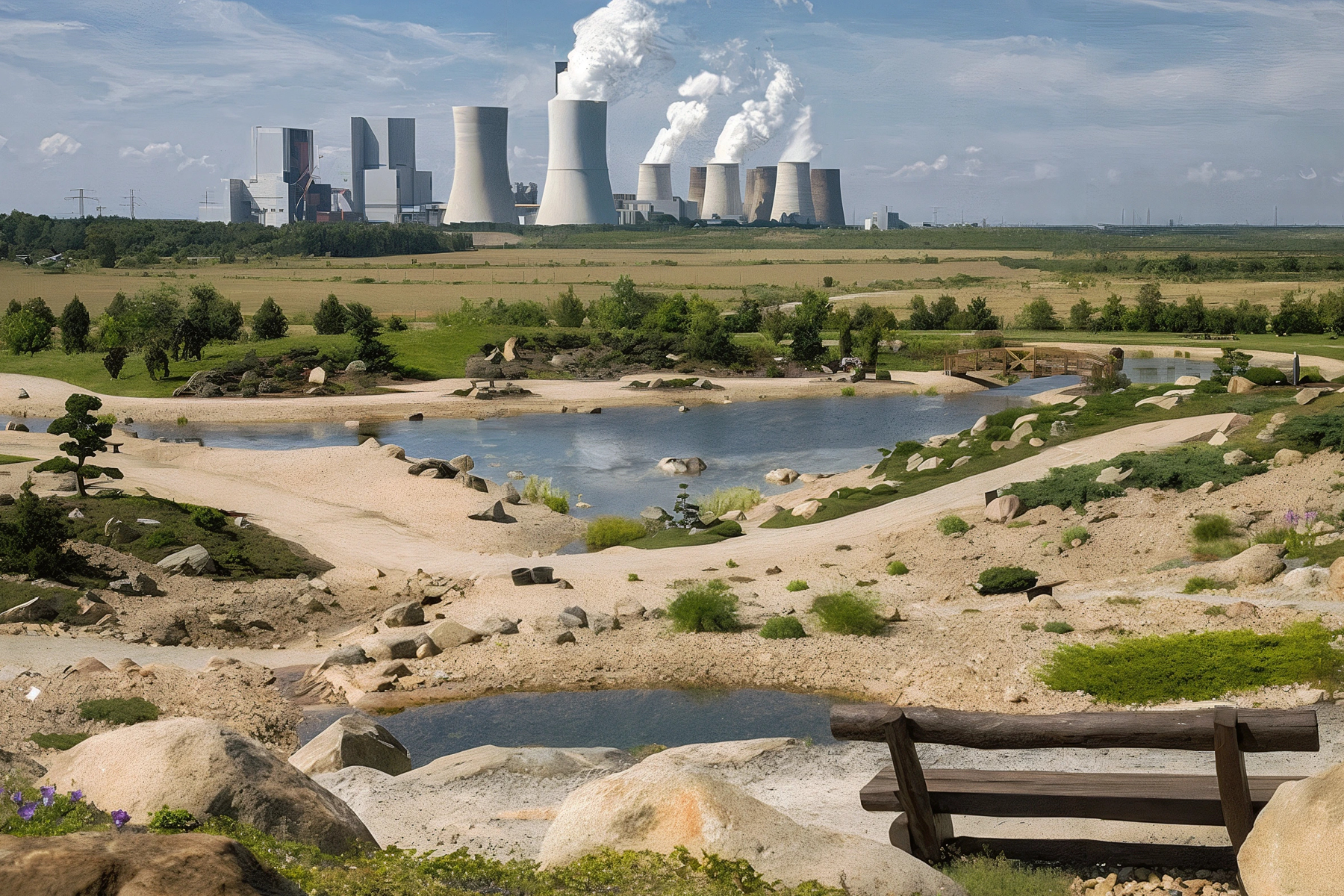
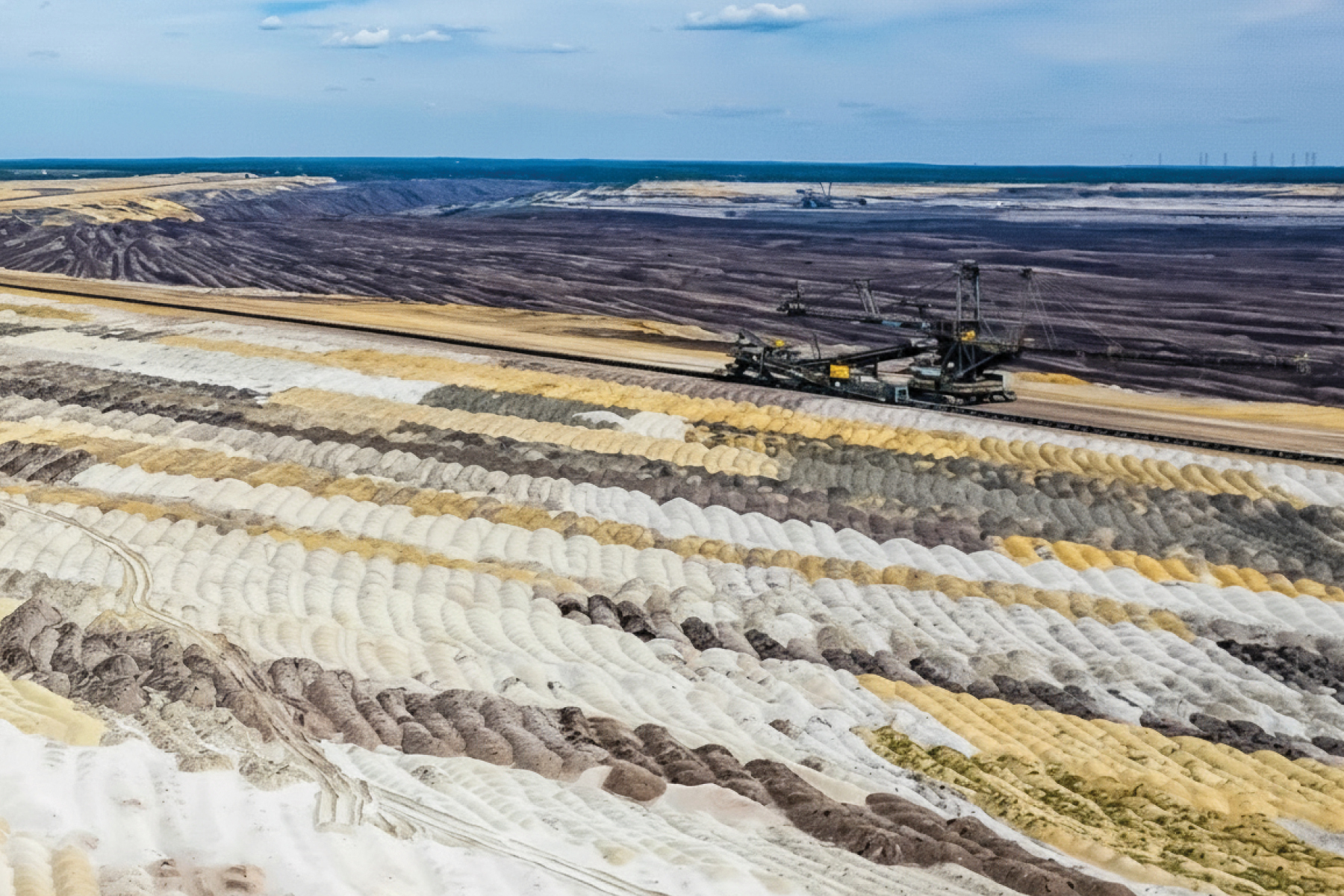
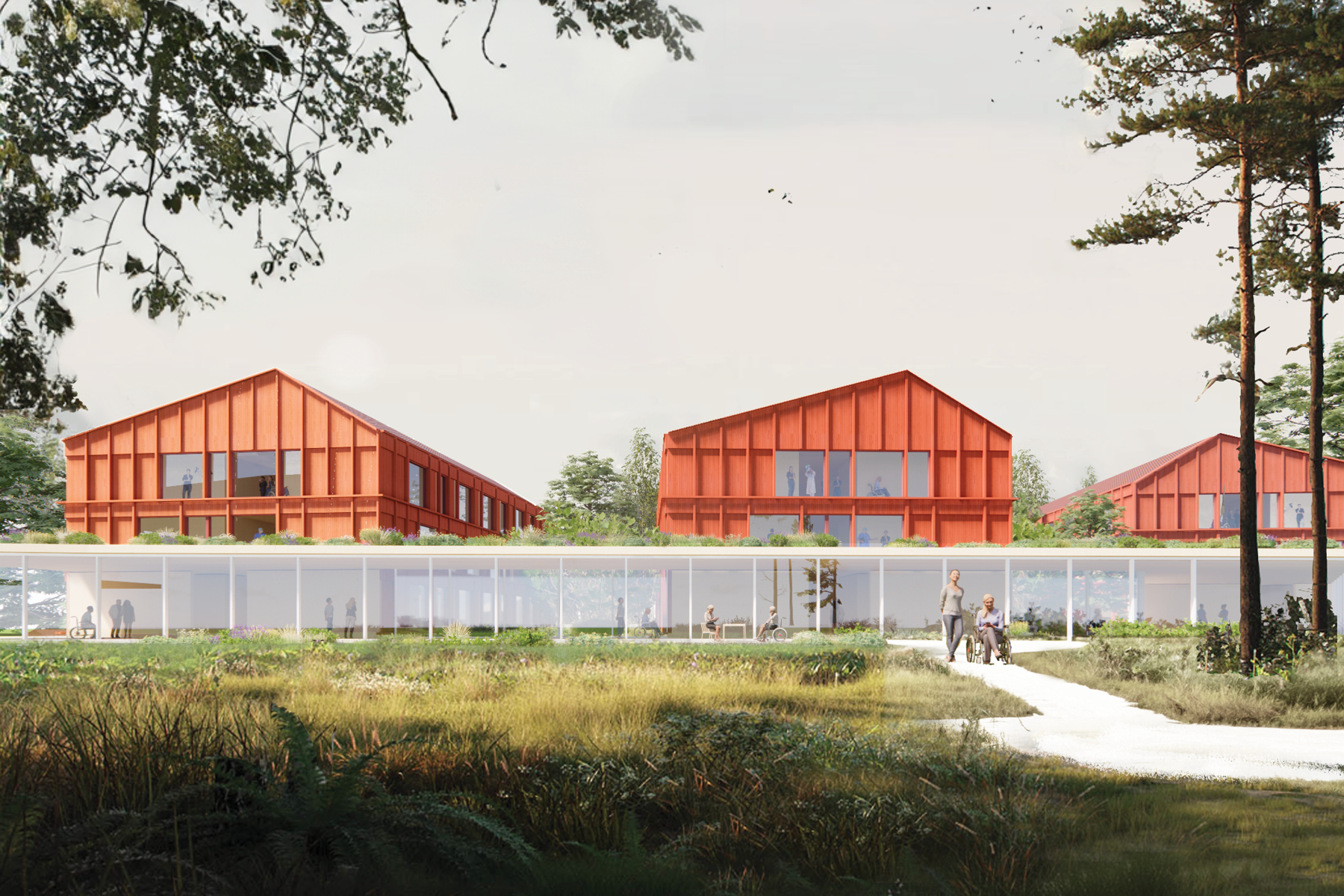
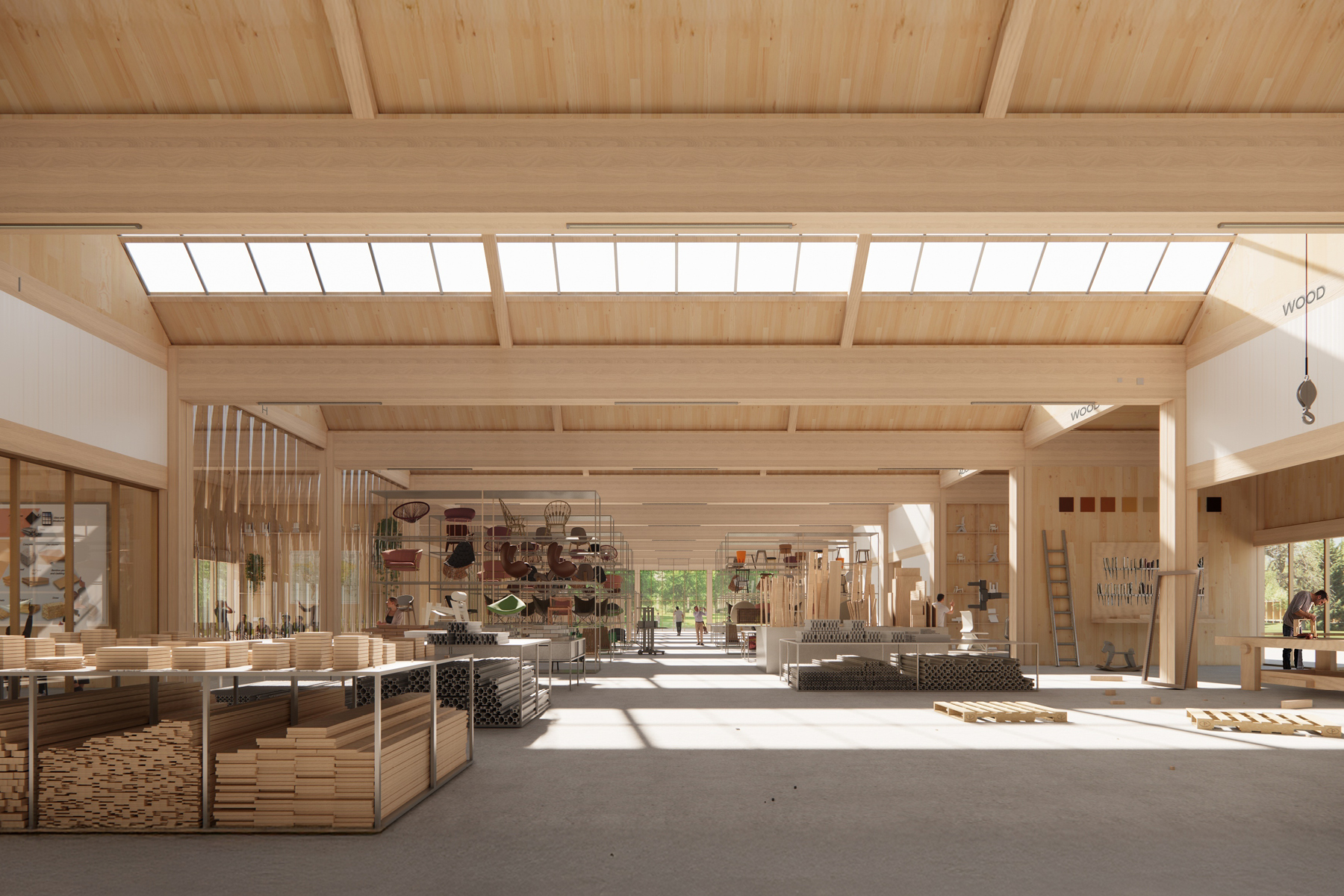
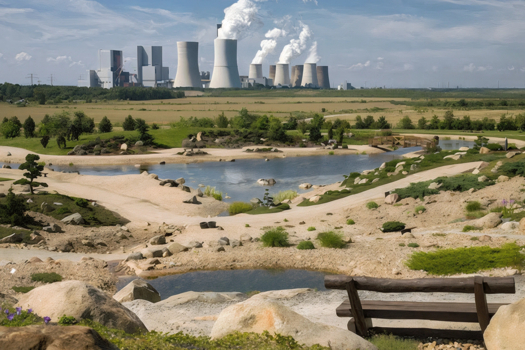
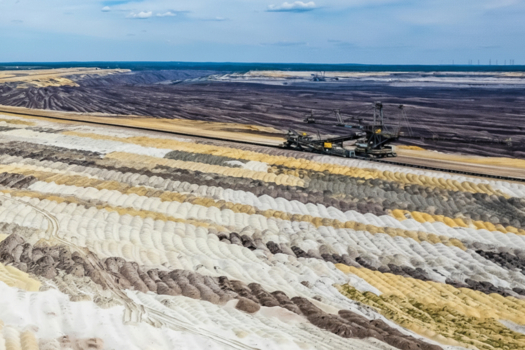
Re sourcing is understood as a systemic shift. The project re sources materials through circular use of tailings, space through long term adaptability, and value through social and ecological processes. It is regenerative because extraction and regeneration happen simultaneously, producing future landscapes rather than residual damage. This project is partially based on the Refshaleøen Development Playbook by EFFEKT (CC BY-SA 4.0)
2. How did the issues of your design and the questions raised by the site mutation meet?
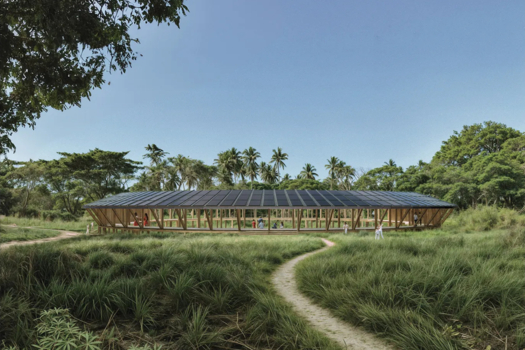
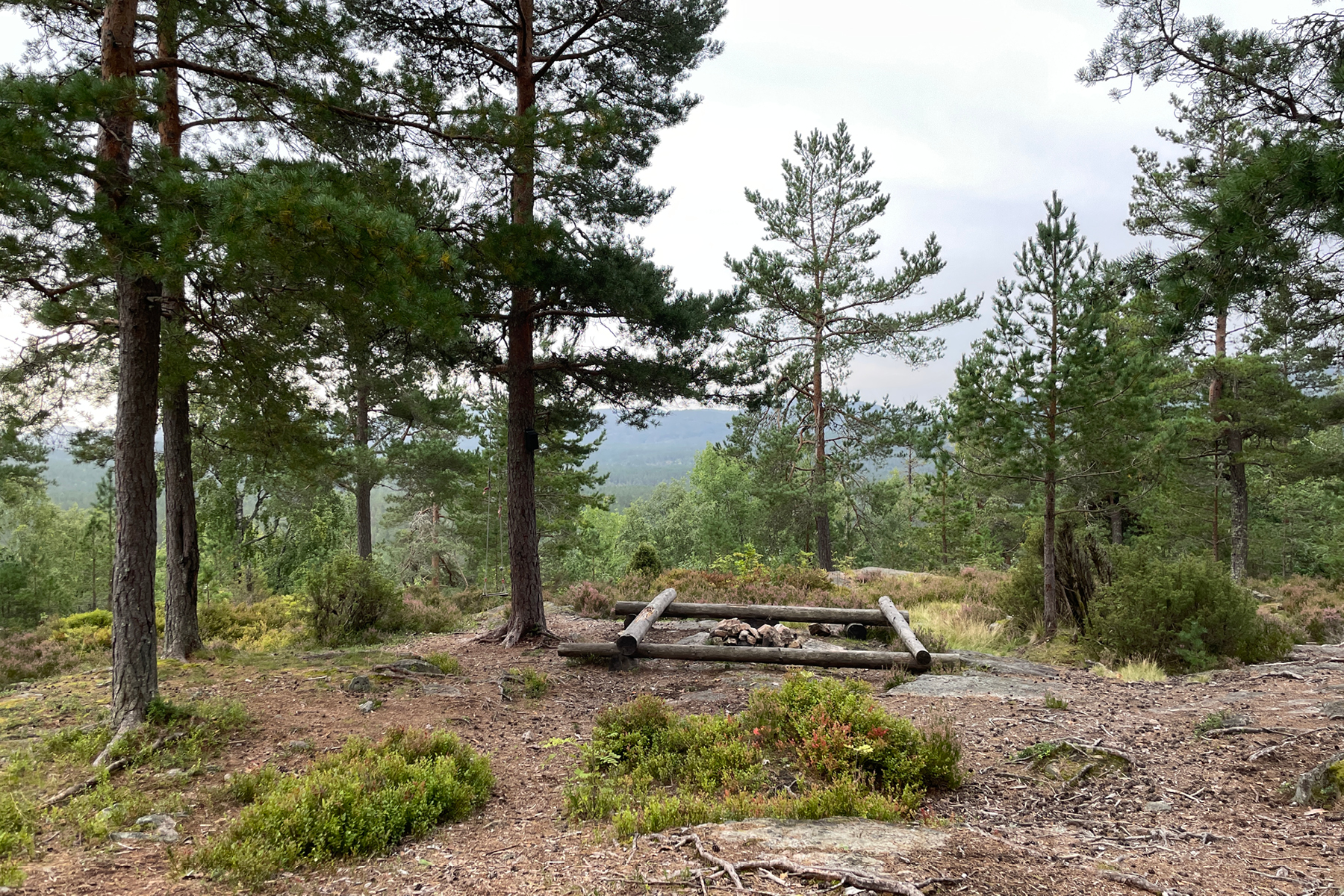
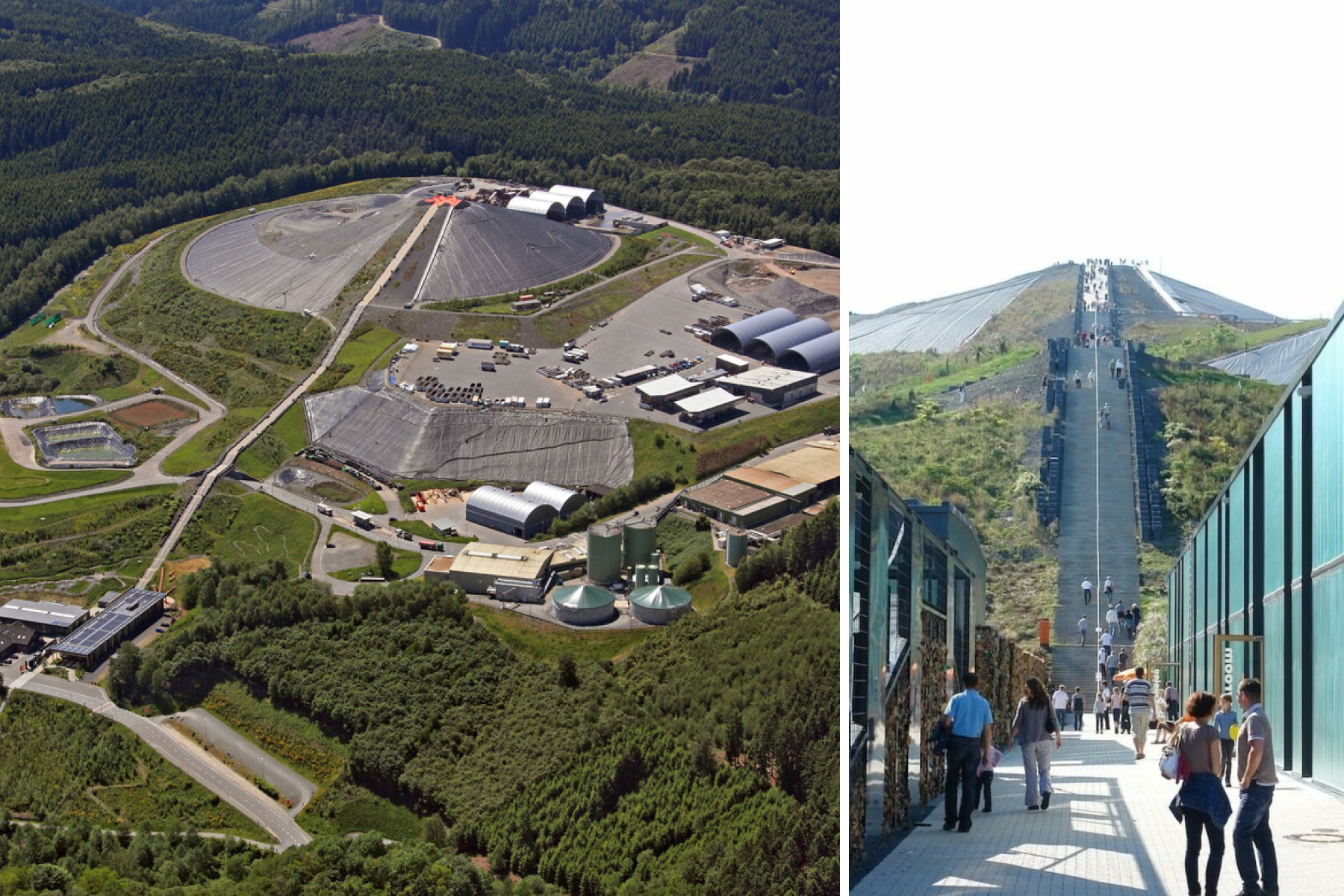
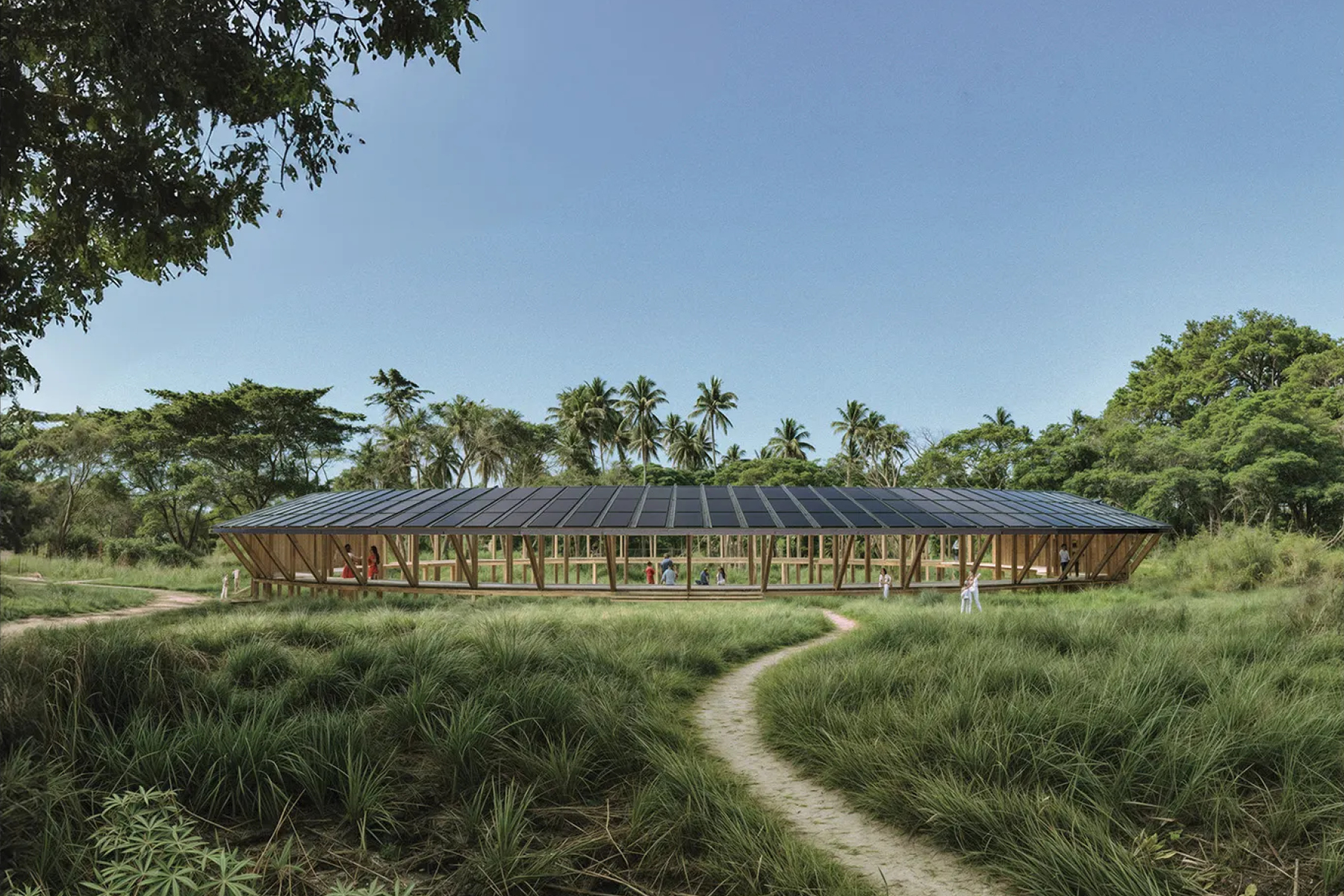
The project starts from the idea that the site will inevitably change for over a century. Instead of resisting mutation, the design turns it into a driver. Spatial flexibility, phased landfills, and shared infrastructures respond directly to uncertainty, allowing the site to evolve while maintaining ecological and social continuity.
PROJECT:

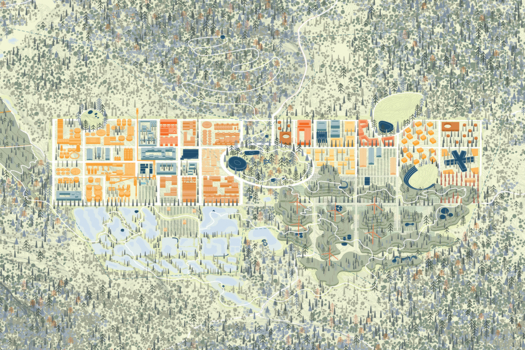

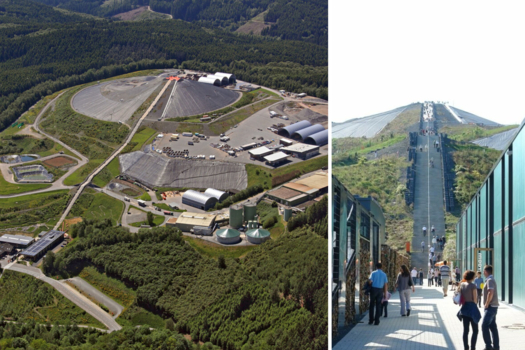
The project builds on previous academic and professional research on post industrial landscapes, circular territories, and adaptive masterplans. References include large scale mining landscapes in Scandinavia, regenerative infrastructure projects, and design research on open ended planning frameworks rather than fixed end states.
SITE:
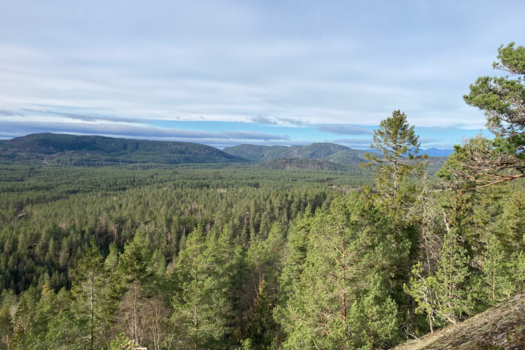
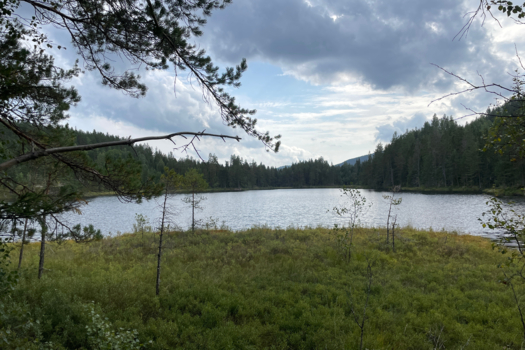
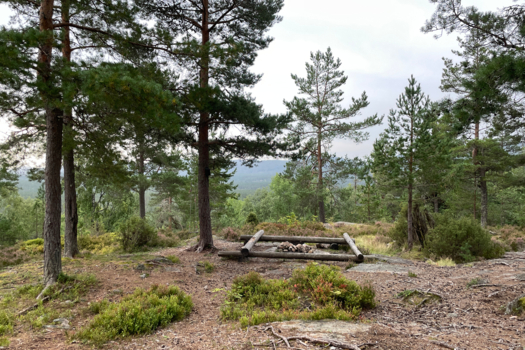
Implementation is based on negotiation and phasing. The Playbook acts as a shared framework rather than a fixed plan, allowing different actors to enter over time. Common infrastructures, shared landfills, and co managed spaces enable collaboration while keeping the system adaptable to future needs.
REFERENCES:
The team was formed by combining complementary skills in architecture, landscape. Shared interest in circular design and ecological transition allowed us to work across scales, from material processes to governance and spatial vision.
6. How could this prize help you in your professional career?
Yes. The prize would support our ambition to work on circular thinking, speculative research and material experimentation. It would help us continue using design as a way to explore new relationships between resources, processes, and future uses, beyond conventional architectural outcomes.
TEAM IDENTITY
Legal status:
Team name:
Average age of the associates: 30 years old
Has your team, together or separately, already conceived or implemented some projects and/or won any competition? if so, which ones?
Yes, we got different awards in competitions such as Superscape, Ethical Design Award, Prix Wilmotte, the Prix de Genève for Experimental Architecture, LAGI 2025 as well as Runner up on Europan 17.
WORKS: