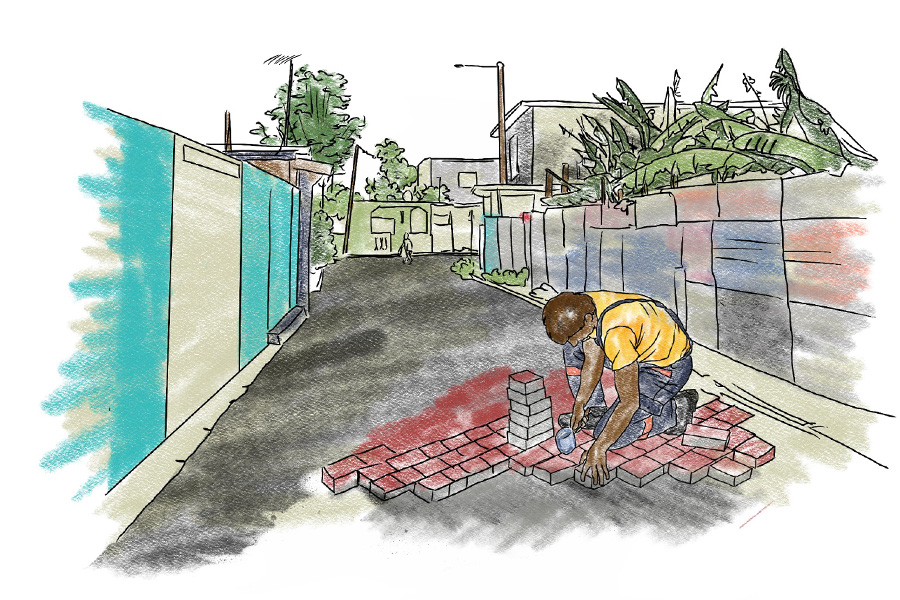
Chronicles of a living pact, Dembéni a breath in three waves
Dembeni (FR) - Special mention
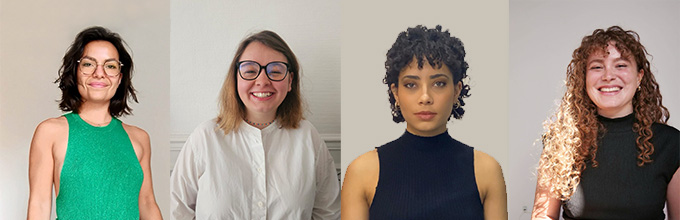
TEAM PORTRAIT
INTERVIEW
Click on the images to enlarge
1. How do you define the main issues of your project in relation with the theme “Re-sourcing”? Re-sourcing thanks to nature, to social dynamics, to new materiality? In which way do you think your project can contribute to an ecological and/or social evolution? And in which way do you think your project can be called a “regenerative project”?
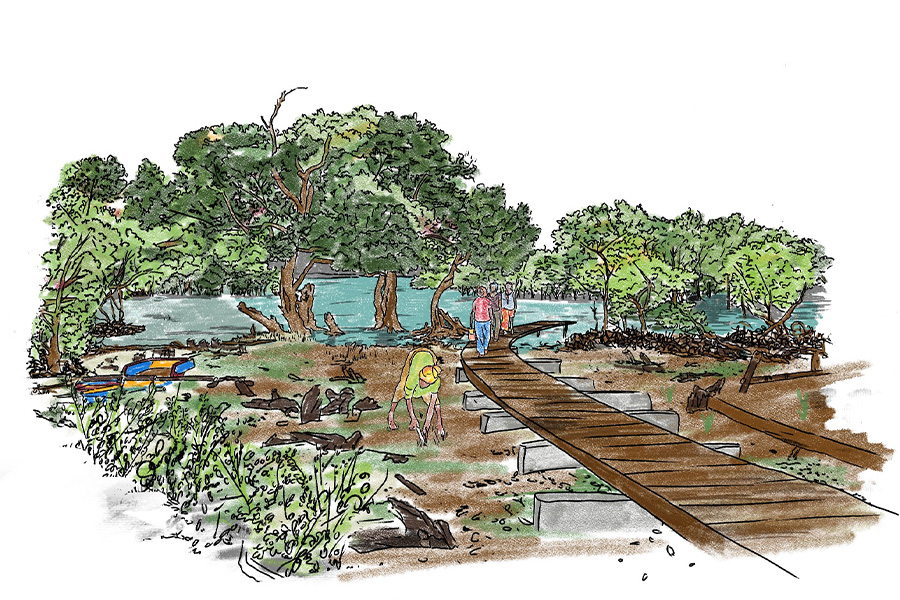
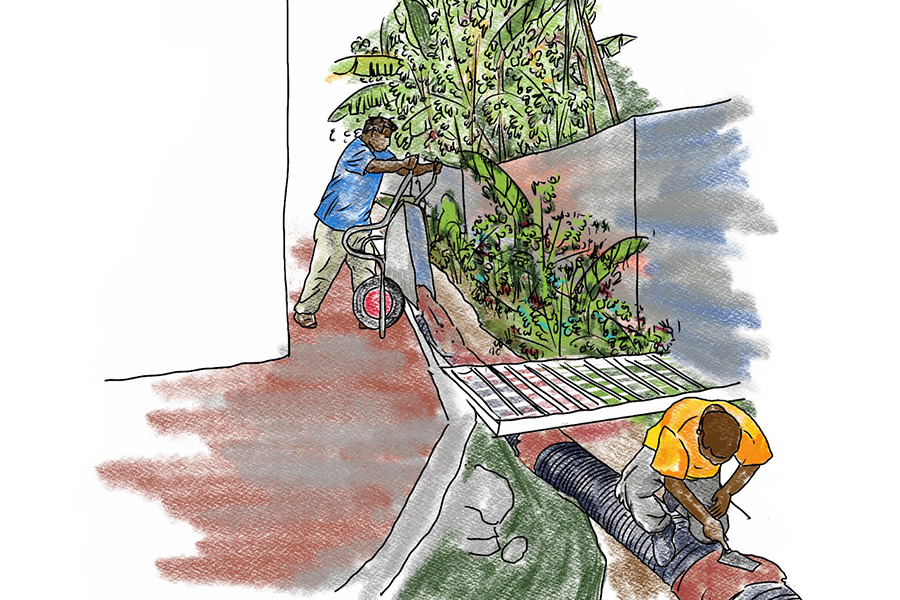
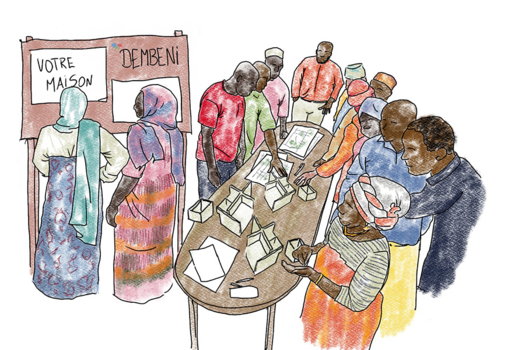
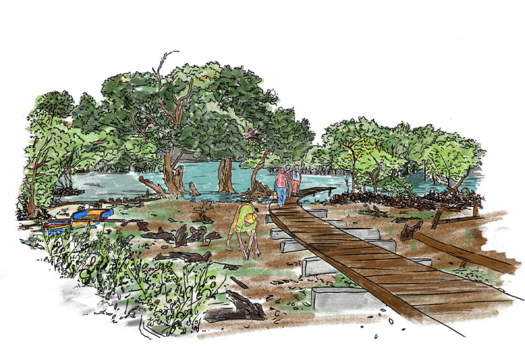
Our project approaches Re-sourcing by reactivating three fundamental resources: natural dynamics, social solidarities, and local materiality. Faced with the imbalances caused by runoff, land movement and rising water levels, we chose to work with living forces rather than against them. Landscaped swales, agricultural terraces and refuge structures create a slow, layered system that infiltrates, retains and redirects flows, repairing soils and relieving pressure on vulnerable areas. At the same time, mangrove renaturation, participatory clean-up actions and ecological education initiatives rebuild the relationship between residents and their environment. The project is also social: it proposes coordinated rehousing in which each family gains access to collective housing and a cultivable plot, strengthening a daily economy rooted in terraced agriculture, local species and productive commons.
2. How did the issues of your design and the questions raised by the site mutation meet?
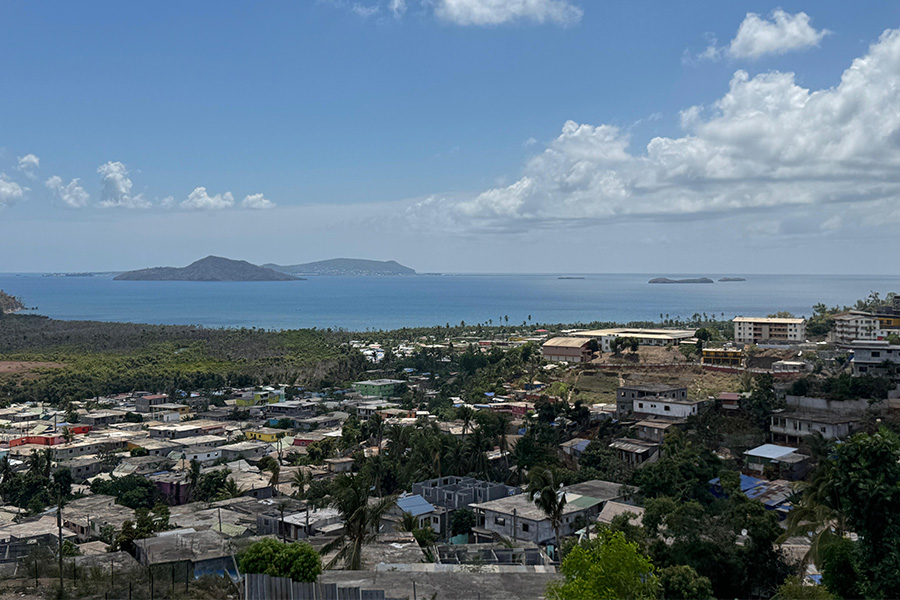
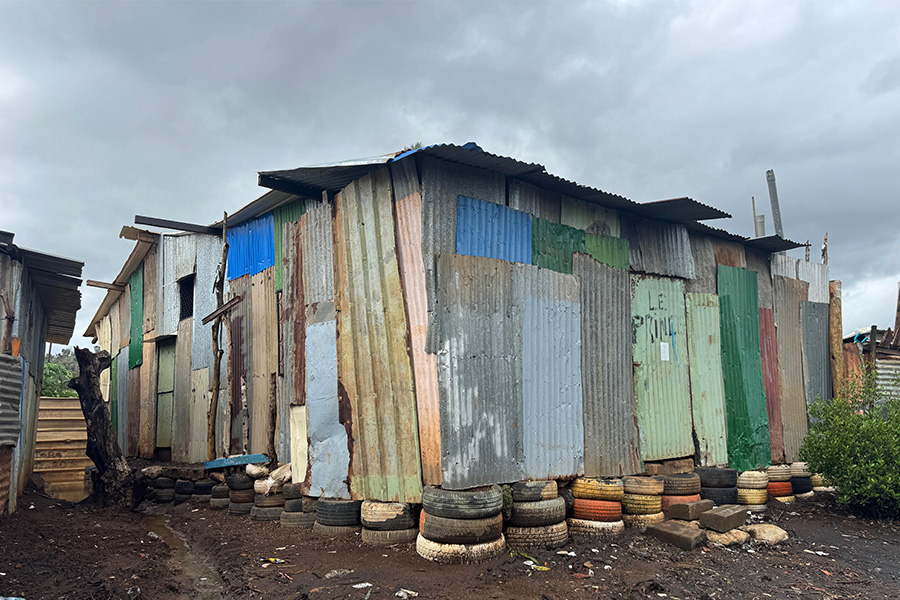
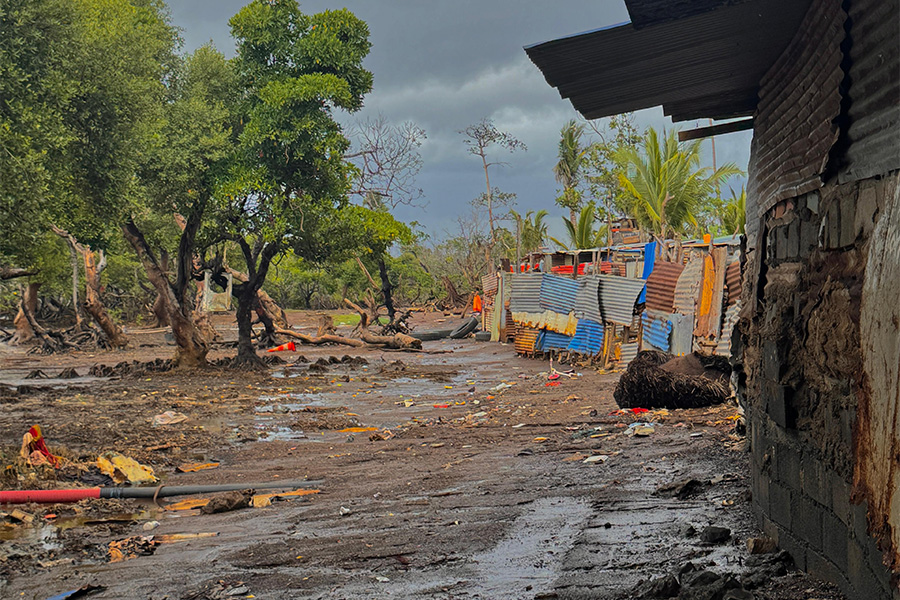
Transforming Dembéni requires action on multiple fronts: relieving congestion, responding to demographic pressure, addressing natural hazards, dealing with precarious housing within the mangrove, and repairing urban fragmentation. These constraints directly shaped our approach, which places the mangrove at the centre as an ecological, social and territorial resource. The site calls for a reconciliation between urbanisation and natural environments. Our three axes respond precisely to this need: – repairing weakened soils and managing water to make the city habitable; – rebuilding a relationship between residents and their landscapes to ensure the project’s long-term anchoring; – developing local know-how so that the transformation is both durable and genuinely appropriated.
PROJECT:
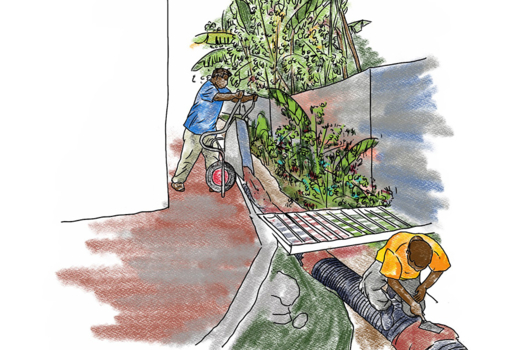
Yes, we have previously worked on similar issues, across various scales and contexts that questioned territorial resilience, informal housing, risk mitigation, and ecological anchoring of urban design. For instance, we work on the territorial resilience, on natural hazard-prone areas (flooding, landslides, sea level rise) where we explored design tools that turn constraints into resources like surface water management, topography-driven layouts, and ecological reclamation of degraded street in Saint-Louis (Sénégal). We drew inspiration from exploratory strategies such as coastal retreat planning in Guadeloupe and the climate relocation of Miquelon village. For the dialogue with the living system we worked with different projects of Dembéni where the mangrove was viewed as a structuring ecosystem. This reflects our broader interest in living infrastructures, with references including: CRAterre’s work on soil-water-material dynamics in tropical contexts but also the work of Rudy Bueno and the work of the BOREA laboratory.
SITE:
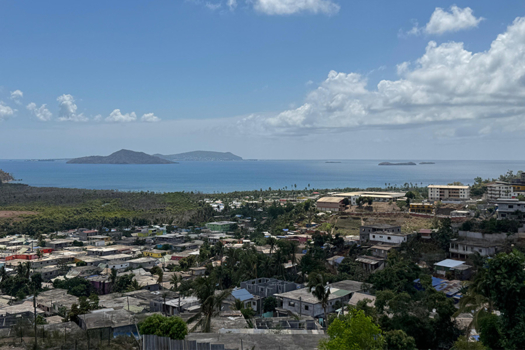
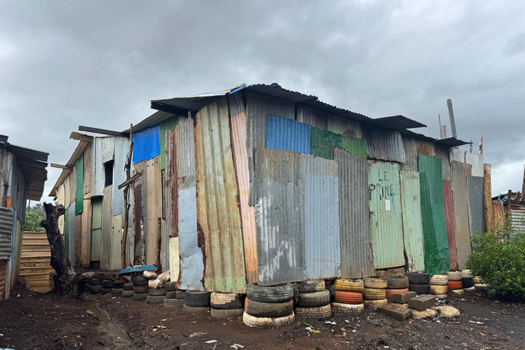
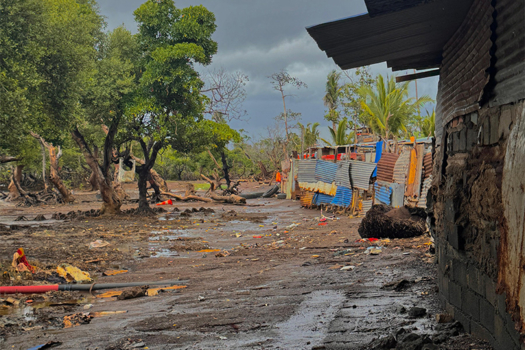
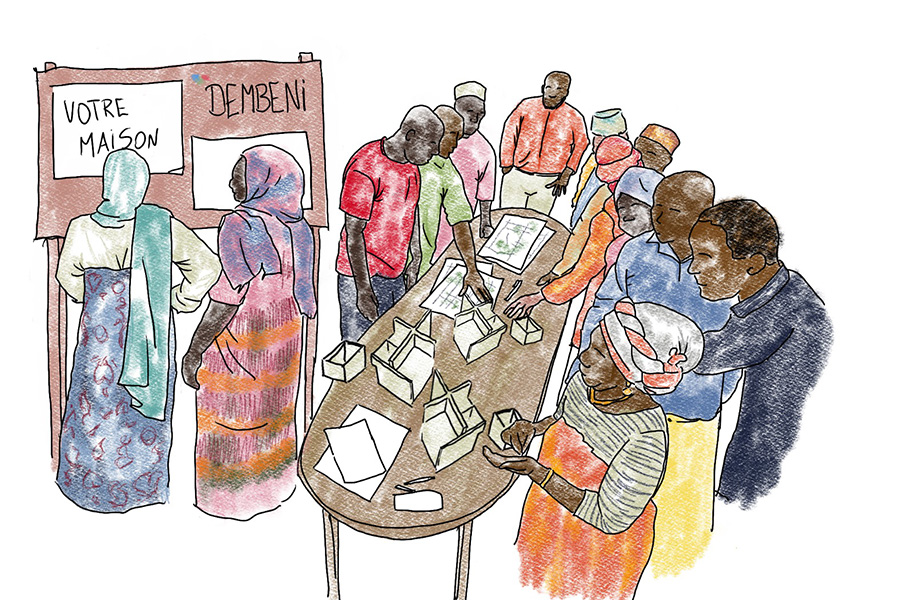
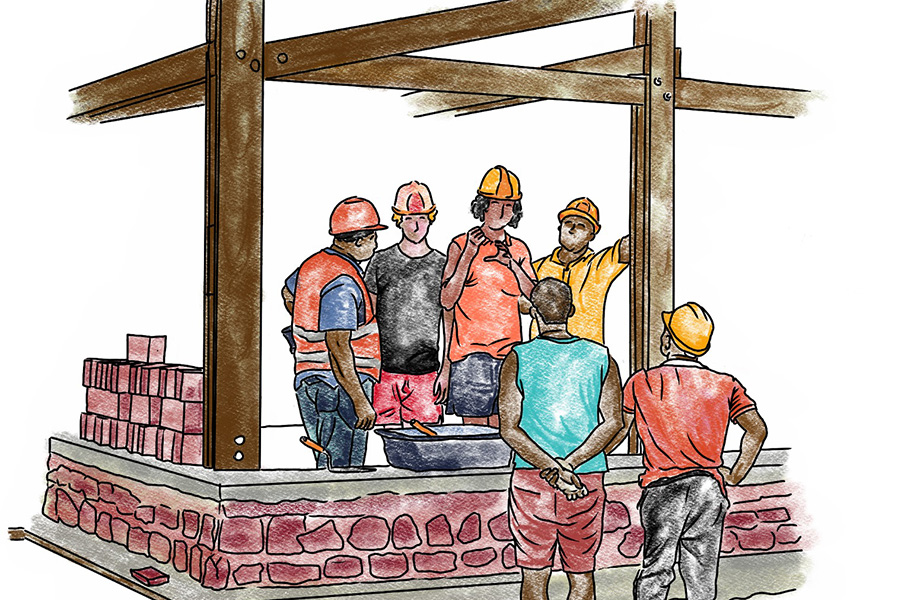
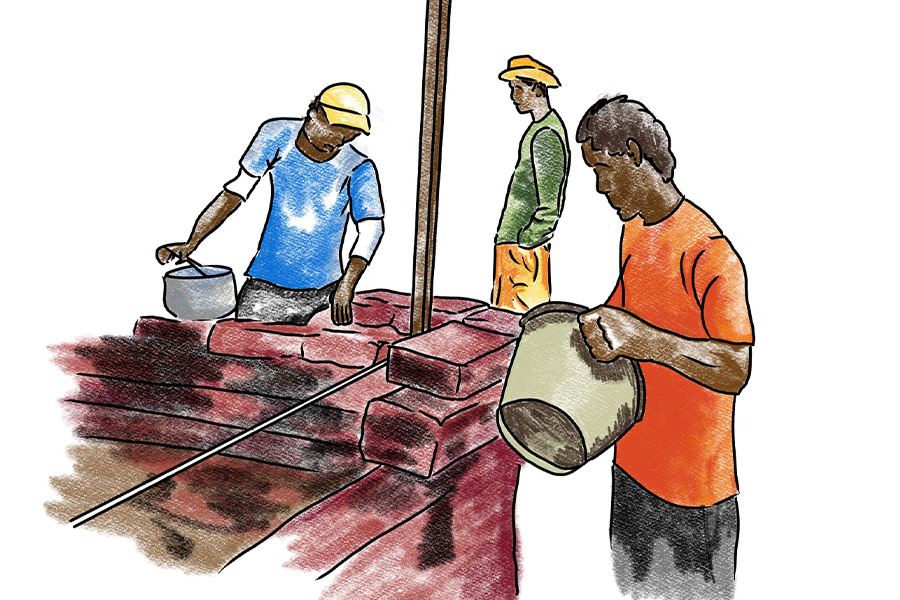
The project is conceived as an incremental process, built through continuous negotiation. Residents, technicians, local collectives, the municipality and departmental institutions become co-authors, not just beneficiaries. The actions begin with immediate interventions(renaturation, participatory clean-up, ravine stabilisation) and progressively expand toward soil consolidation, the creation of agricultural terraces, housing production and the establishment of training workshops.
REFERENCES:
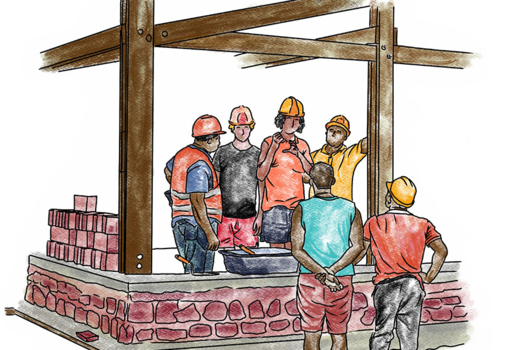
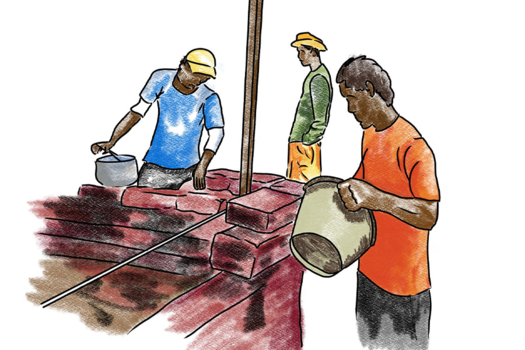
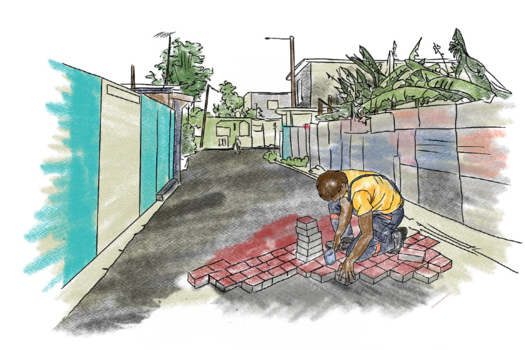
Our team was formed within the DSA Architecture and Major Risks program at the École Nationale Supérieure d’Architecture de Paris-Belleville. Initially graduating from different schools, our combined sensibilities and skills in architectural design, vulnerability assessment, and territorial strategy allow us to approach risk not as a problem to avoid, but as a material to transform.
6. How could this prize help you in your professional career?
This Special Mention is a springboard. It strengthens our legitimacy in risk-exposed territories and opens concrete opportunities: engaged architectural practice, applied research, post-disaster missions, and support for public policies. For us, it marks the beginning of an impulse that firmly anchors our work within environments where architecture must be protective, inventive, and just.
TEAM IDENTITY
Legal status:
Team name: Collectif ACFO
Average age of the associates: 26 years old
Has your team, together or separately, already conceived or implemented some projects and/or won any competition? if so, which ones?
Amélie Chézeaux has already won a Special Mention during the workshop ATK (2018) organised by the UNEAP (national union of architecture and landscape students), with a proposal of a project for Rennes 2050, the notion of projection and prospection where already in the storytelling of this project. Adriana Filain has already won a Special Mention at the CNSA competition “Lieux de vie collectifs et autonomie” (2021), with a proposal to implement a facility for people with psychosocial disabilities on a brownfield site located near the Kawéni informal settlement, in Mayotte.