Colectivo Colonia
Madrid (ES) - Special mention
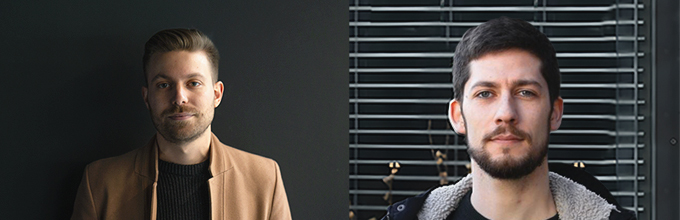
TEAM PORTRAIT
INTERVIEW
Click on the images to enlarge
1. How do you define the main issues of your project in relation with the theme “Re-sourcing”? Re-sourcing thanks to nature, to social dynamics, to new materiality? In which way do you think your project can contribute to an ecological and/or social evolution? And in which way do you think your project can be called a “regenerative project”?
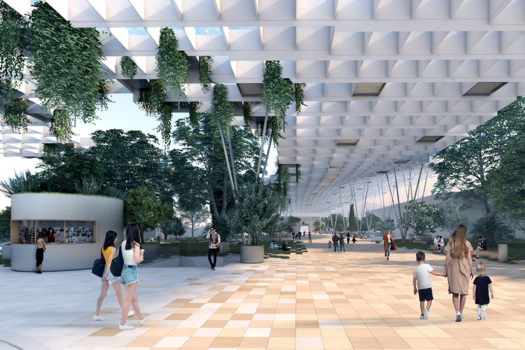
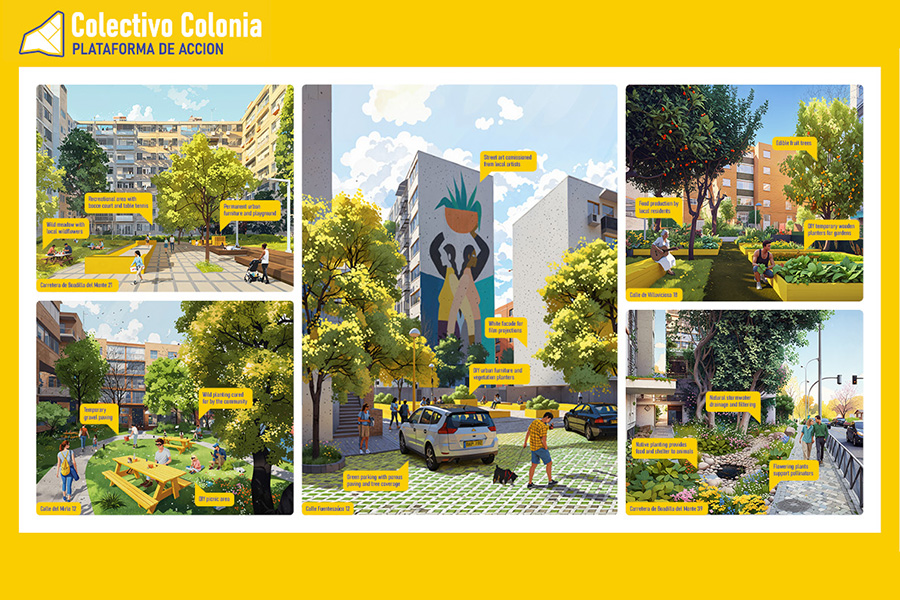
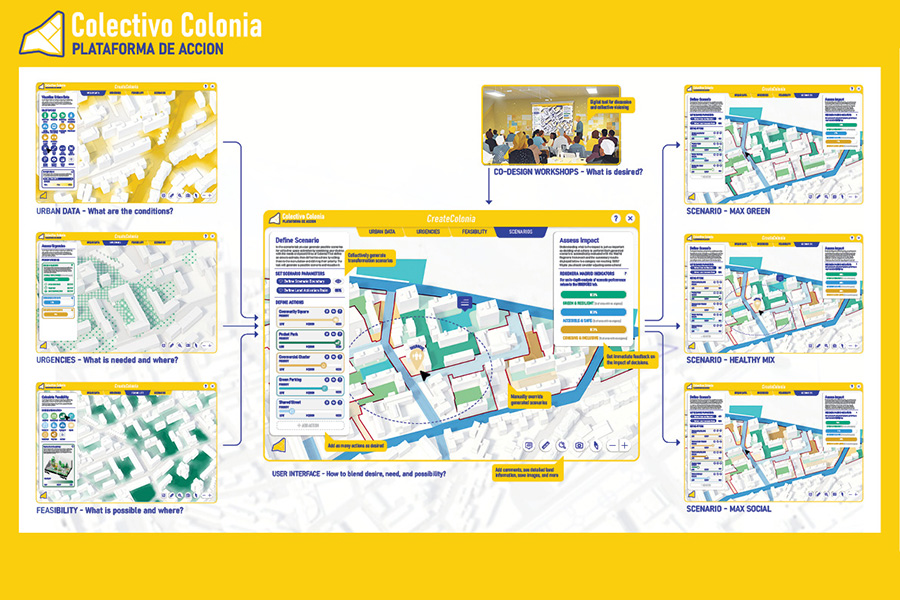
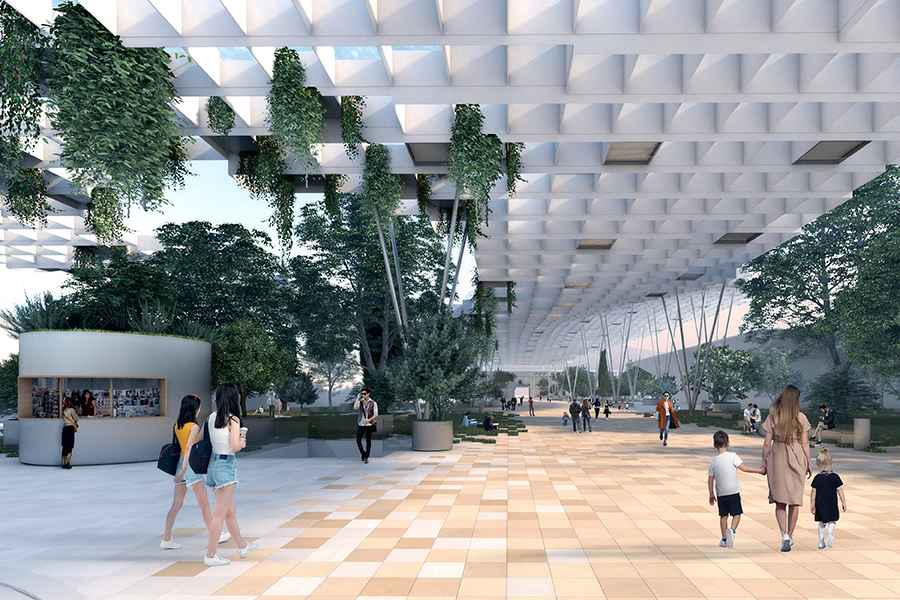
The project re-sources the 100,000 m2 of underutilized, fragmented spaces in Colonia Casa de Campo by transforming these voids intoa vital social, ecological, and mobility infrastructure. The CreateColonia tool's systematic spatial analysis facilitates intelligent re-sourcing, ensuring potentials, needs, and desires are successfully negotiated, and every space is used to its maximum potential. The project is regenerative as it fosters a resilient urban commons by reimagining existing territory through community-led collective action.
2. How did the issues of your design and the questions raised by the site mutation meet?
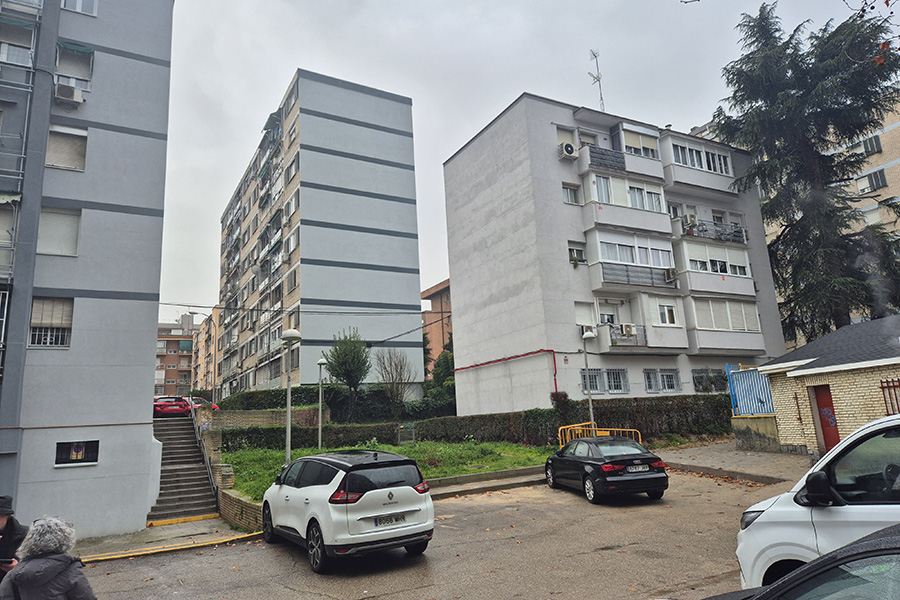
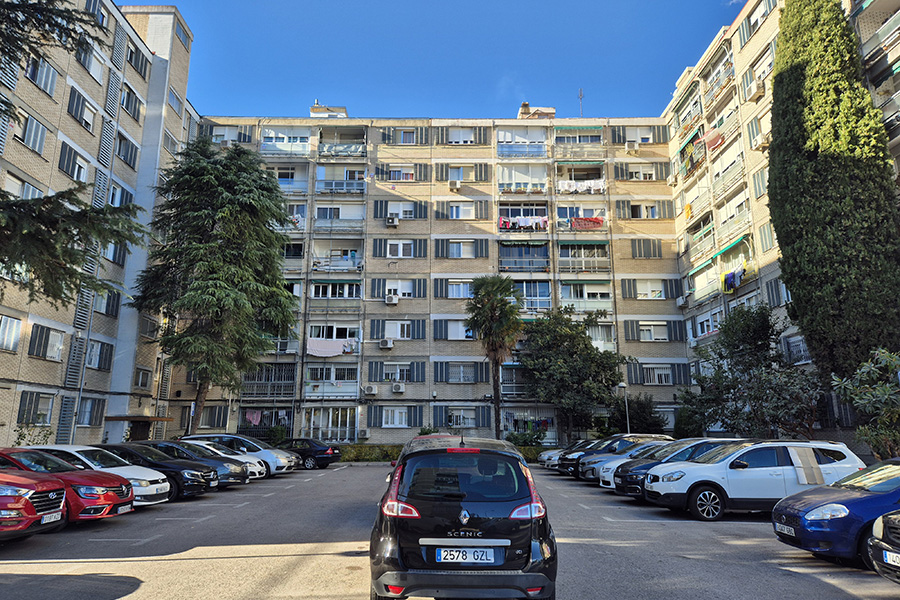
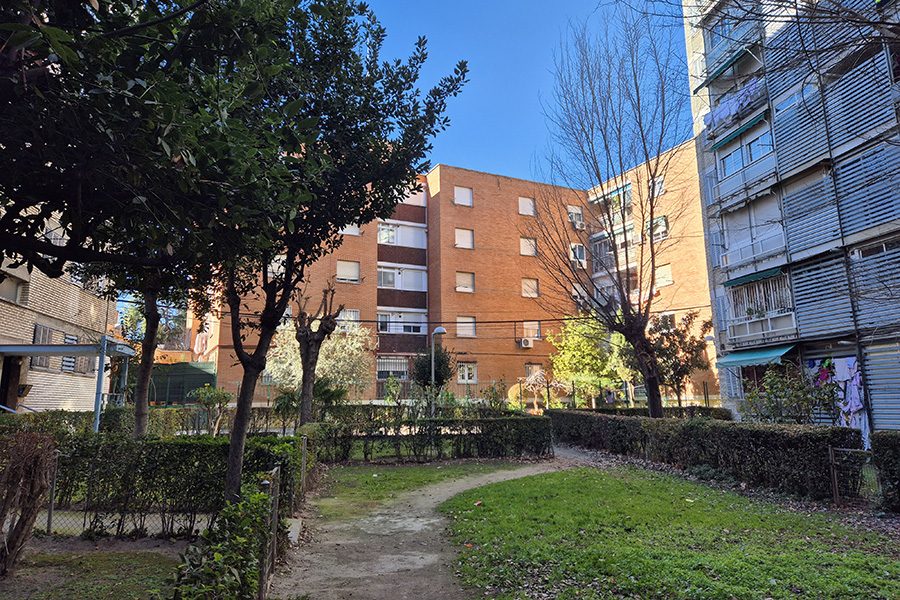
The core issue is Colonia's built form, with dozens of ambiguous, neglected plots. The project meets this by proposing to transform this 100,000 m2 of fragmented in-between spaces into a resilient urban commons, reinventing the neighborhood from within. It seeks to address challenges like fragmentation, car-dominance, and spatial inequality by transforming these voids into essential social, mobility, and ecological infrastructure.
PROJECT:
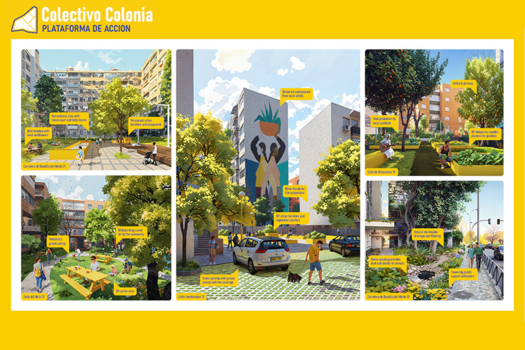
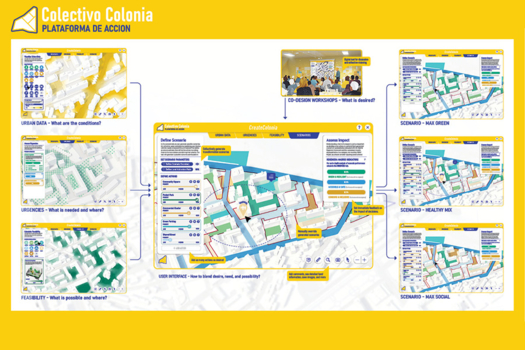
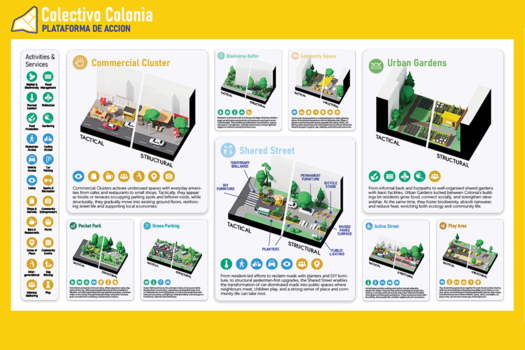
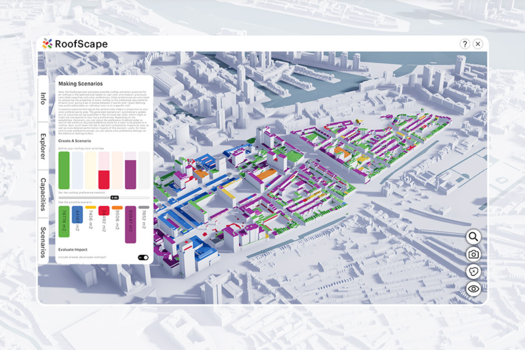
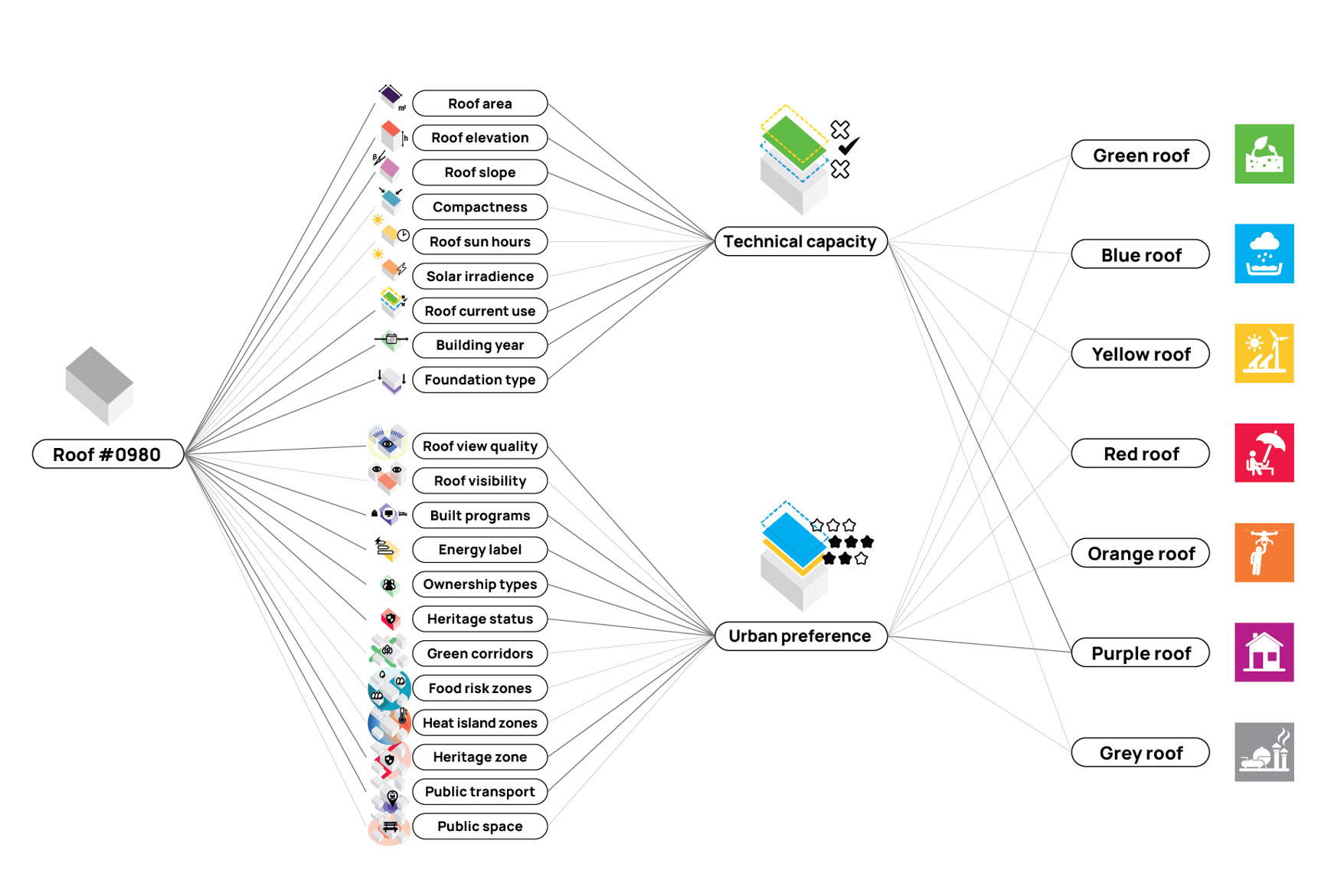
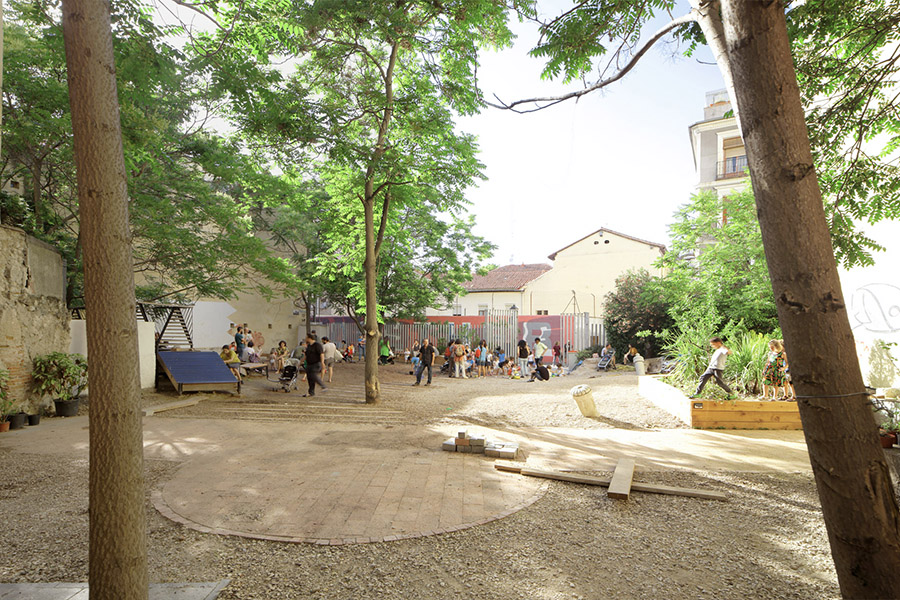
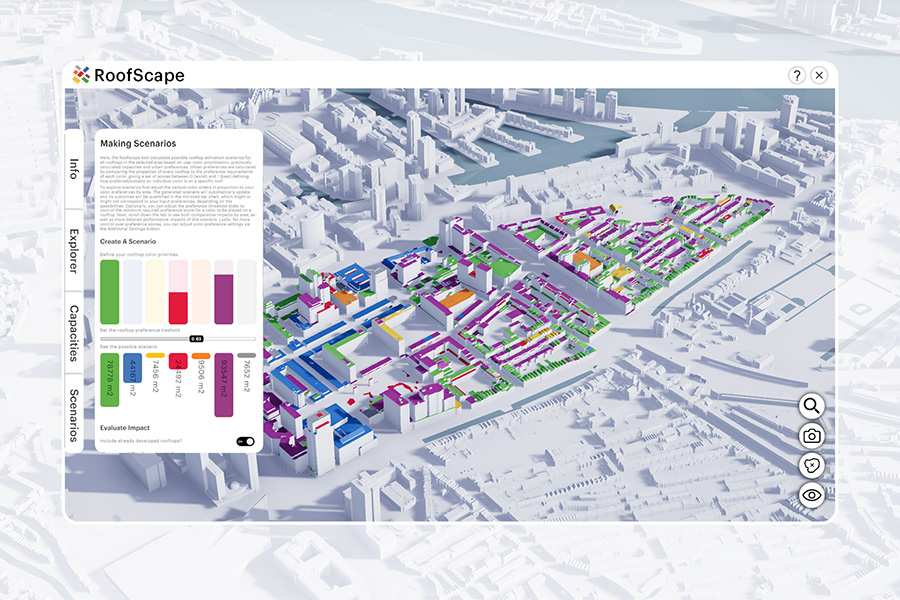
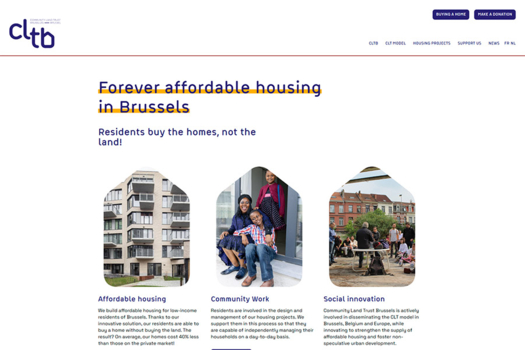
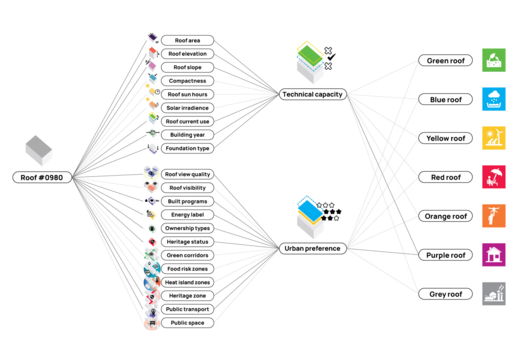
While the specific combination of challenges on this site was new for the authors they have engaged similar issues of transformation, participation, and governance in their previous work. Reference projects include the Rotterdam RoofScape software (for the CreateColonia tool) and the Brussels Community Land Trust (for the CLT model), as well as local Madrid initiatives like Puente de Colores and Almendro 3 illustrating the potential of bottom-up tactical interventions.
SITE:
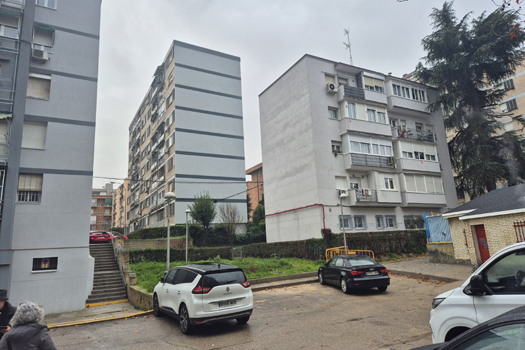
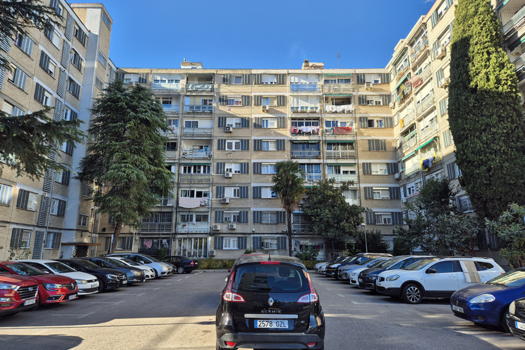
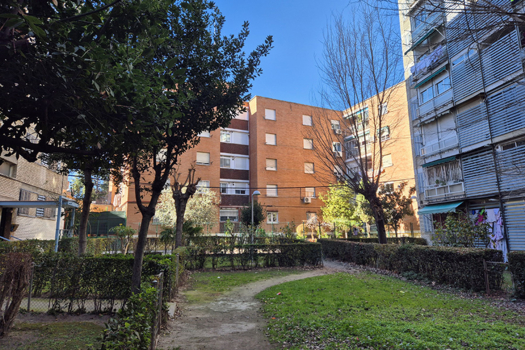
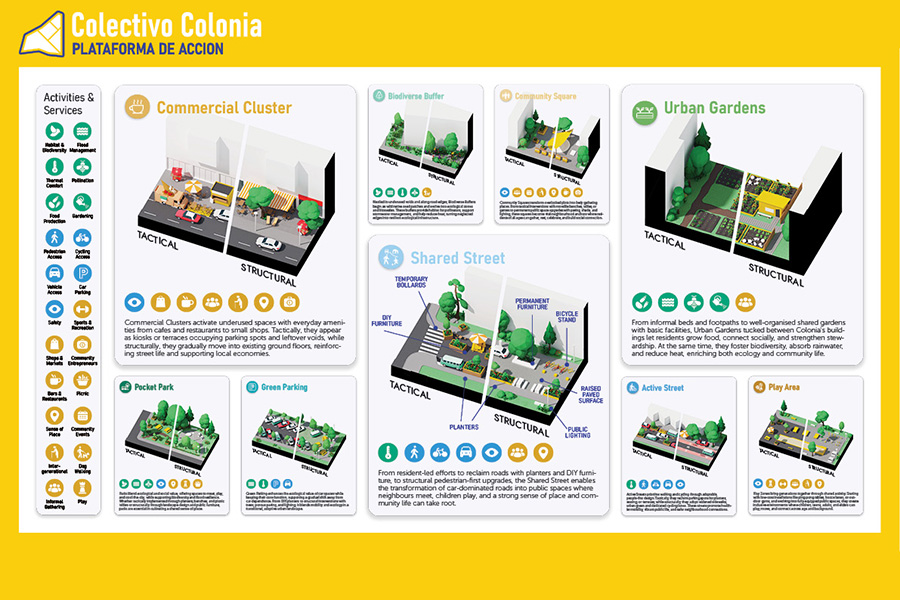
The Colectivo Colonia Action Platform facilitates a negotiated process by linking People, Space, and Data. The CreateColonia tool (Data) generates and visualizes scenarios based on objective constraints, community desires, and priorities, fostering consensus before investment. The Spatial Strategy uses a dual-phasing: rapid, low-cost tactical interventions led by residents to test ideas, and long-term structural upgrades for permanence. The Commons Framework (People), via the expanded Neighborhood Association and the Community Land Trust, enables residents to co-create and govern solutions in a way that evolves with time.
REFERENCES:
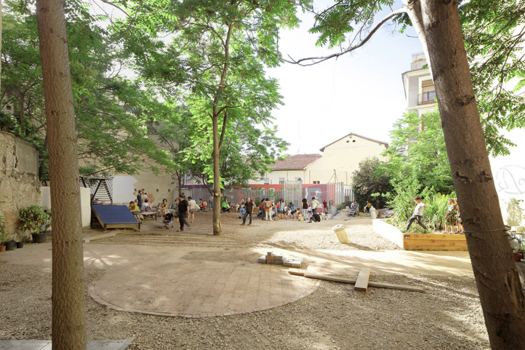
In composing the team we recognised the need for broad experise going beyond a traditional urban design and planning skillset to also include systems thinking, process and tool design, public engagement and participation, as well as knowledge of alternative governance models.
6. How could this prize help you in your professional career?
It's a great opportunity to push the boundaries of planning and design through a research-by-design process.
TEAM IDENTITY
Legal status:
Team name:
Average age of the associates:
Has your team, together or separately, already conceived or implemented some projects and/or won any competition? if so, which ones?
WORKS: