COMPLEMENTARY COLOURS
Polignano a Mare (IT) - Special mention

TEAM DATA
Associate: Anna Vittoria Zuliani (IT) – architect
annavittoria@zuliani.re.it / www.annavittoriazuliani.pb.design
See the complete listing of portraits here
See the site here
TEAM PORTRAIT
INTERVIEW
Click on the images to enlarge
1. How do you define the main issues of your project in relation with the theme “Re-sourcing”? Re-sourcing thanks to nature, to social dynamics, to new materiality? In which way do you think your project can contribute to an ecological and/or social evolution? And in which way do you think your project can be called a “regenerative project”?
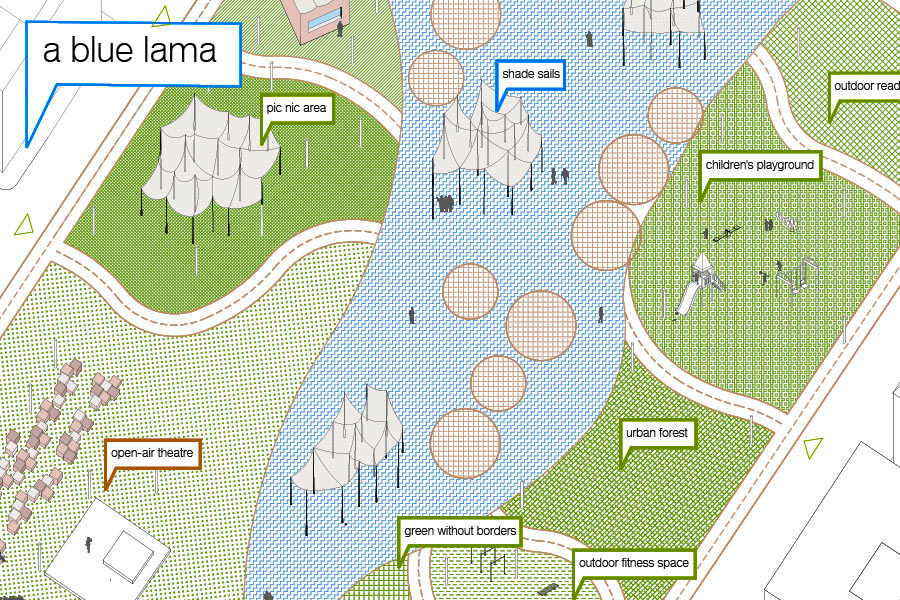
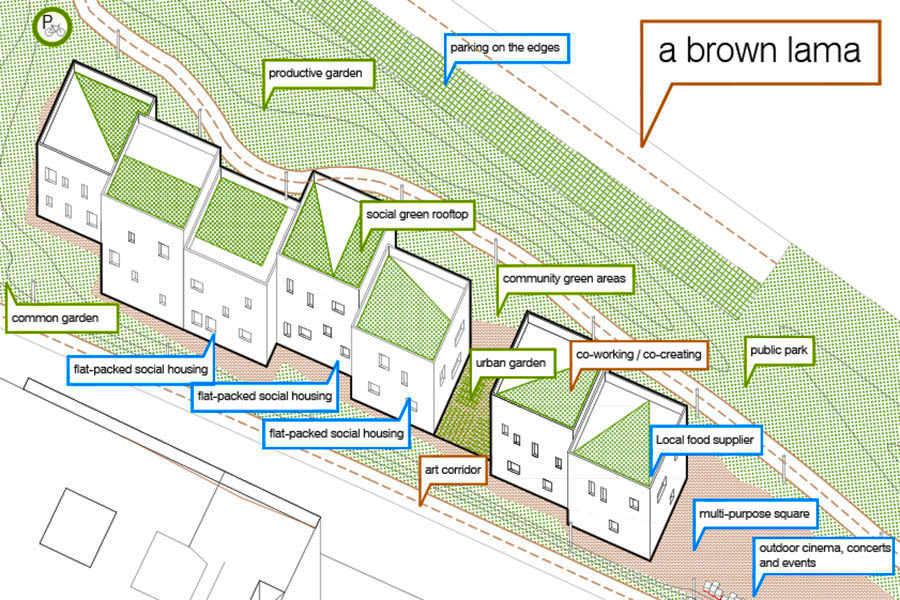
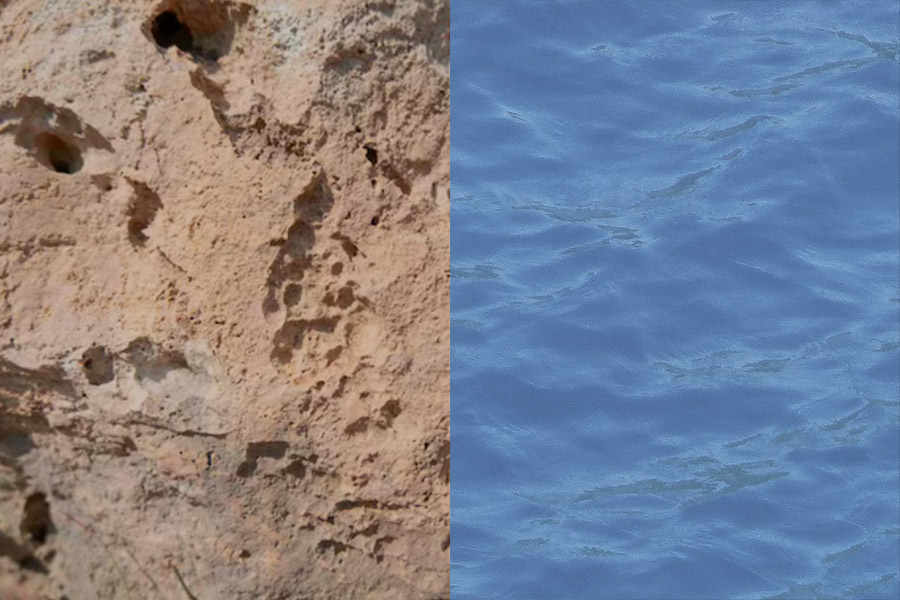
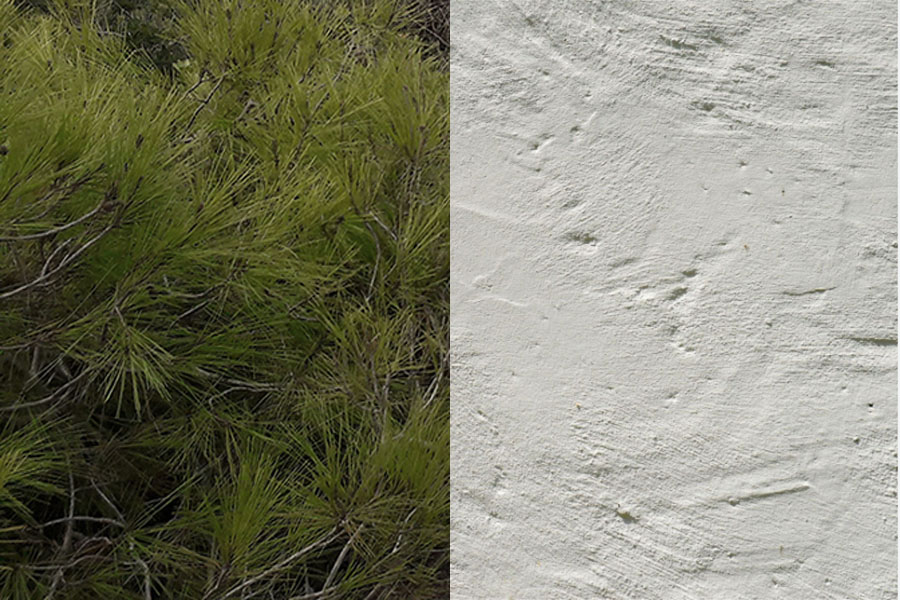
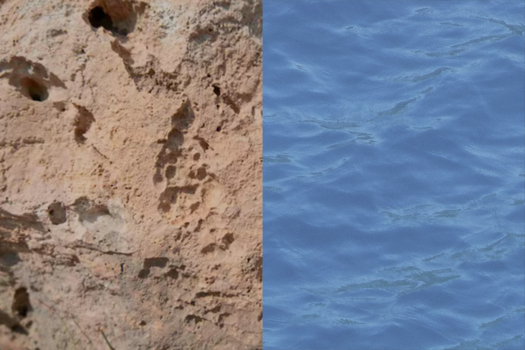
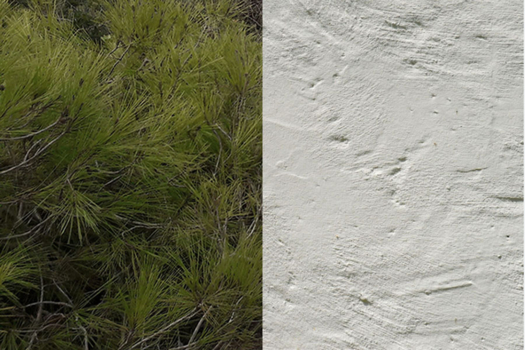
The project draws on the colors of Polignano: sea blue, limestone brown, Mediterranean scrub green, and lime white. "Complementary colors" by definition enhance each other. The project seeks a new balance of meaning—functional, chromatic, and material—starting with the concept of complementarity as the catalyst for the "Re-Sourching" theme. Polignano is marked by its natural landscapes, repurposed as the driving force behind the project areas. Nature and culture are the regenerative engine, suggesting new development prospects to the community, to be implemented through highly sustainable social actions.
2. How did the issues of your design and the questions raised by the site mutation meet?
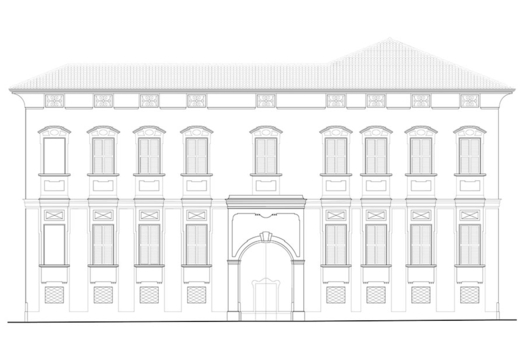
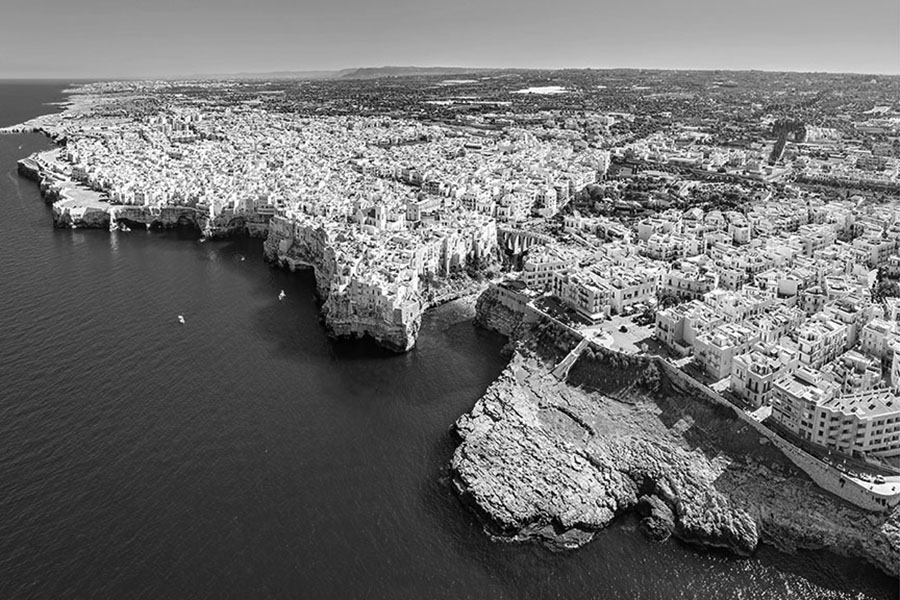
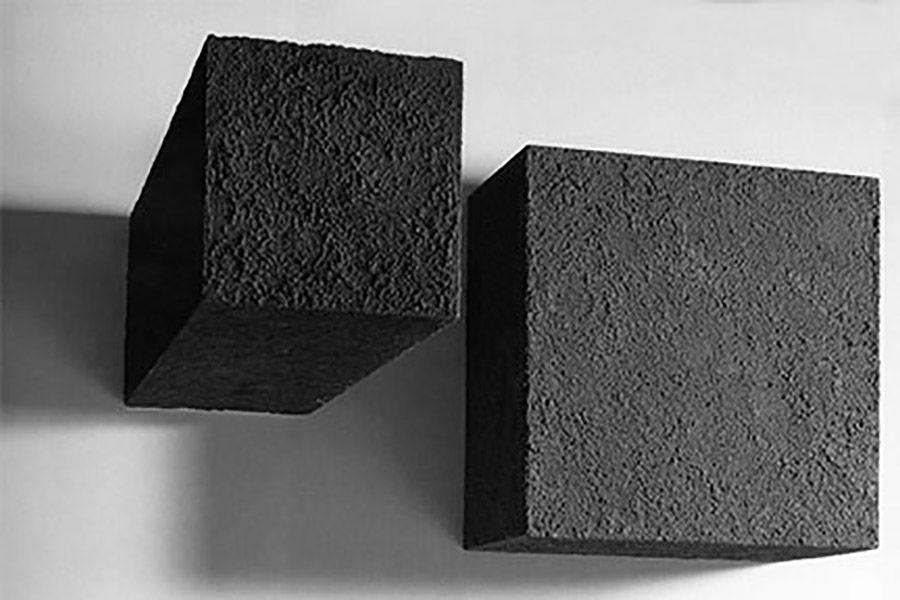
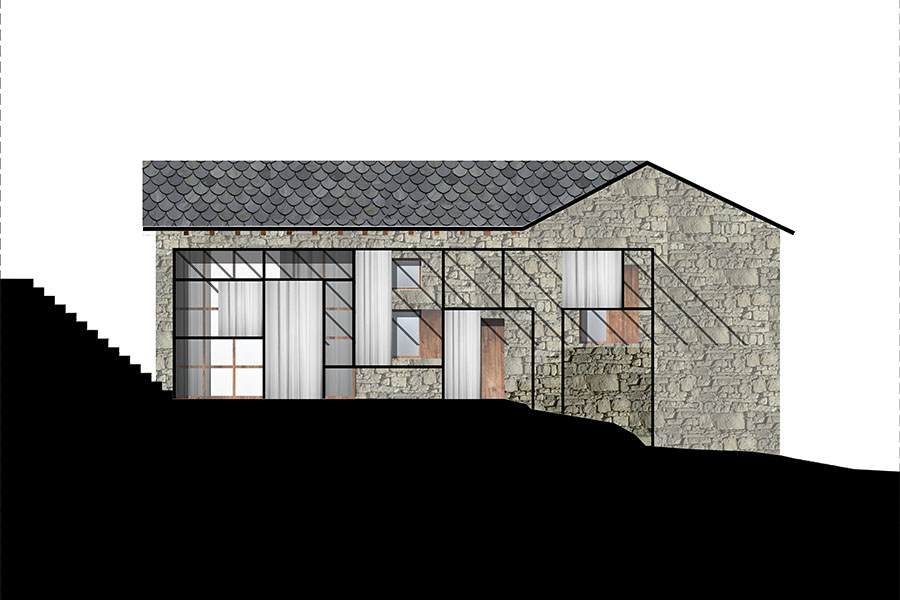
We know Polignano and many other places in Southern Italy for their colors and landscapes of lime and asphalt. Even asphalt, formed from limestone rocks like those on which Polignano stands, is part of the familiar image of this area. The proposal therefore focuses on the use of the landscape's colors, similar yet permeable, sustainable, and technological materials. The project implements a form of resistance, preserving the town's nature and identity through contemporary formal syntheses of the traditional buildings of the historic center.
PROJECT:
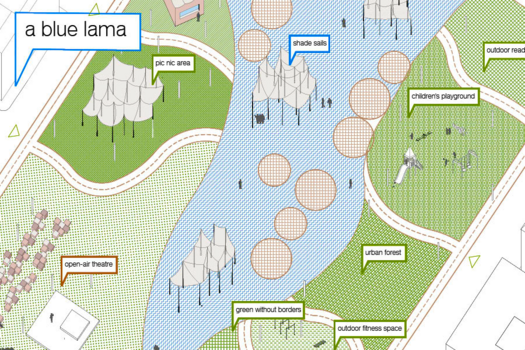
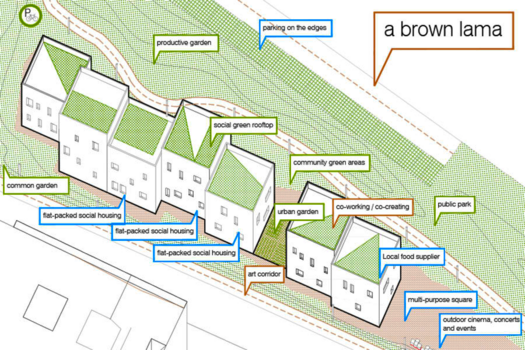
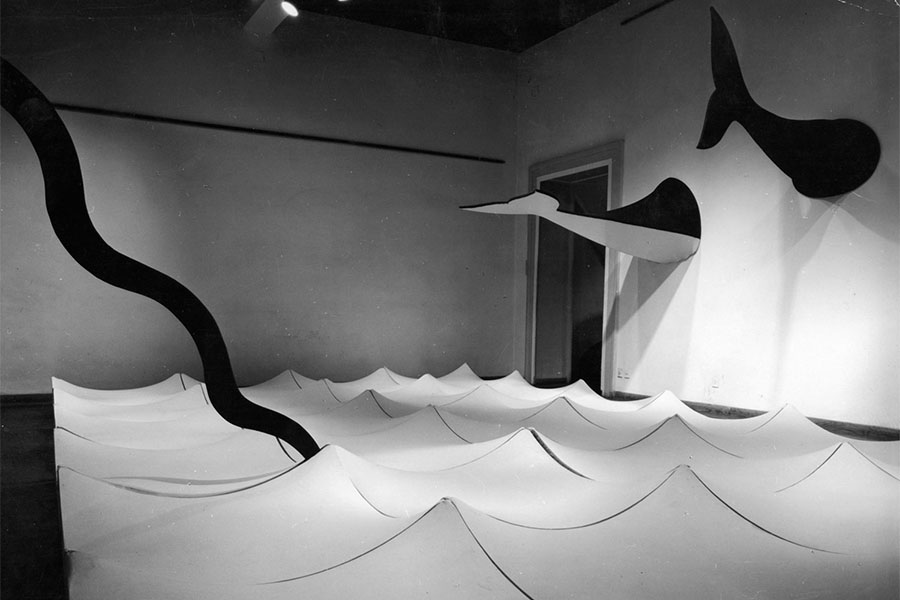
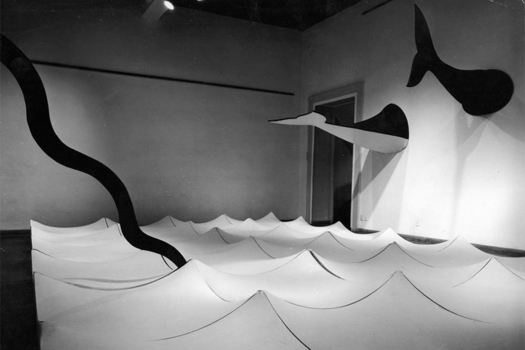
These topics are now part of every project. The theme is transversal and concerns resources, new social balances, and the search for sustainable materials and typologies. I didn't follow design references, but rather natural and artistic ones. Studying the morphology, as well as cinematographic and artistic works, was fundamental. Mario Monicelli and Pino Pascali were able to convey the soul of Polignano, to which the project aims, in many respects, to remain faithful.
SITE:
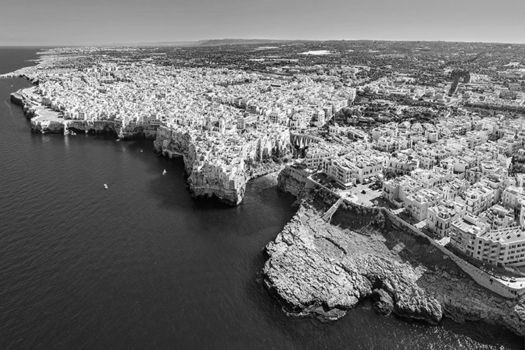
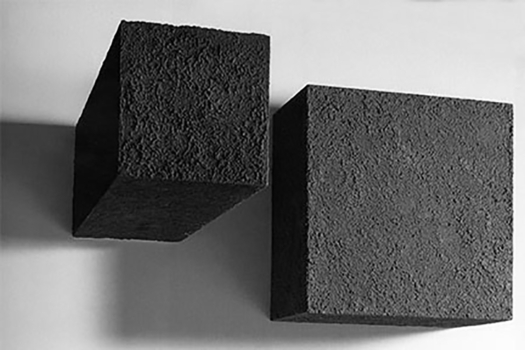
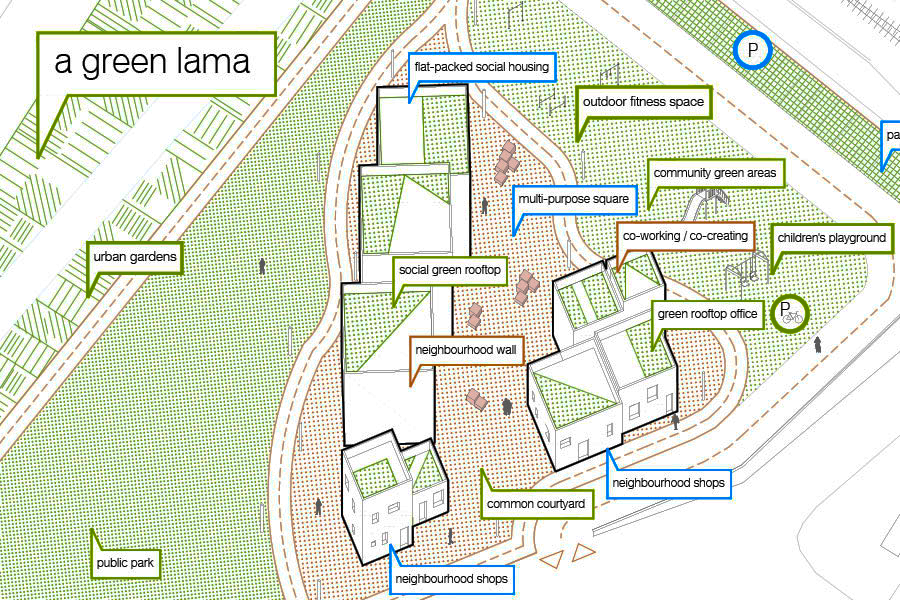
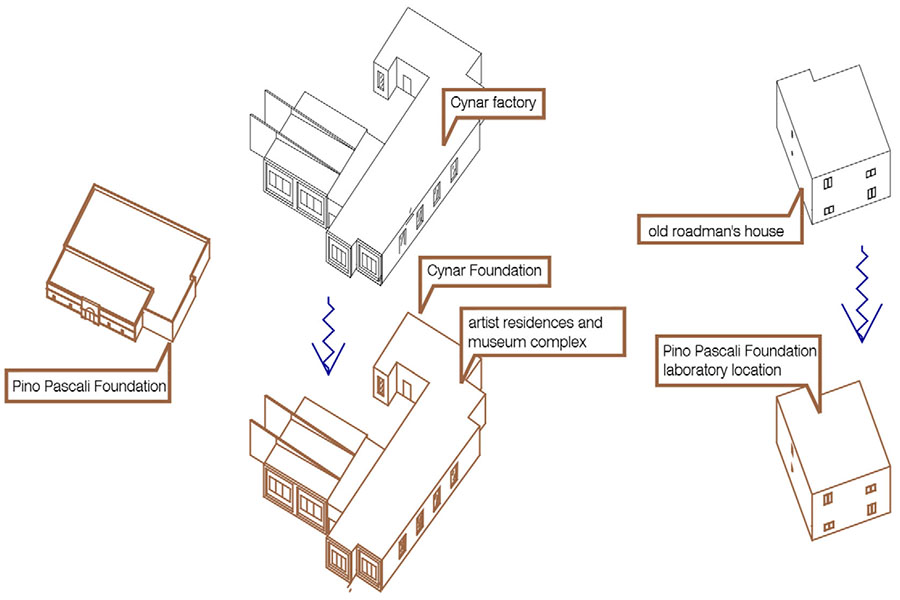
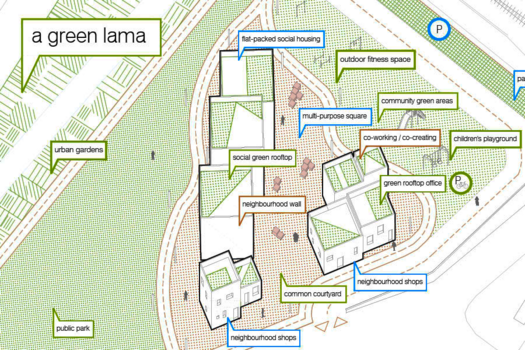
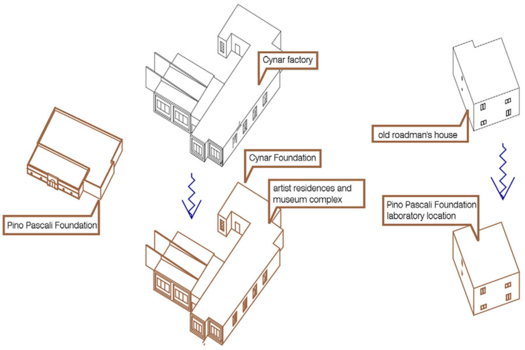
The plan identifies new life strategies: its goal is to serve as a catalyst for the areas as part of a sustainable and vibrant urban strategy. Precisely because the project leverages the complementarity of existing local elements, they can also act as gradients in other areas, ensuring coherence and cohesion within the urban planning system, suggesting new development prospects and new local initiatives to be implemented over time.
REFERENCES:
My professional preparation is transversal and takes shape in the fields of architectural design, urban planning, restoration, and personal research. Contextual analysis—geographical, social, historical, artistic, and symbolic—is, for me, the fundamental starting point for oriented design.
6. How could this prize help you in your professional career?
Winning an Europan Award is an honor and a great personal satisfaction. Throughout my professional career, I've always tried to approach urban planning projects with a holistic vision and constant leaps in scale. It also means having the opportunity to initiate a participatory process with the municipality involved and to engage with the young authors of the other winning projects to develop a concrete plan for Polignano a Mare.
TEAM IDENTITY
Legal status:
Team name:
Average age of the associates: 37 years old
Has your team, together or separately, already conceived or implemented some projects and/or won any competition? if so, which ones?
I've gained experience in design competitions by collaborating with professional firms. As a freelancer, I've designed and implemented residential, industrial, and restoration projects, from the architectural to the detailed scale.
WORKS: