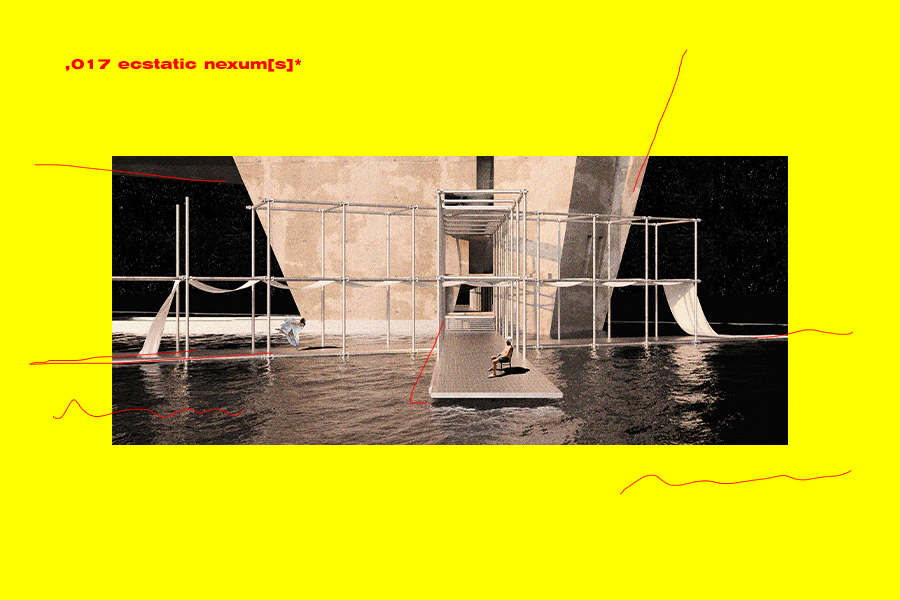
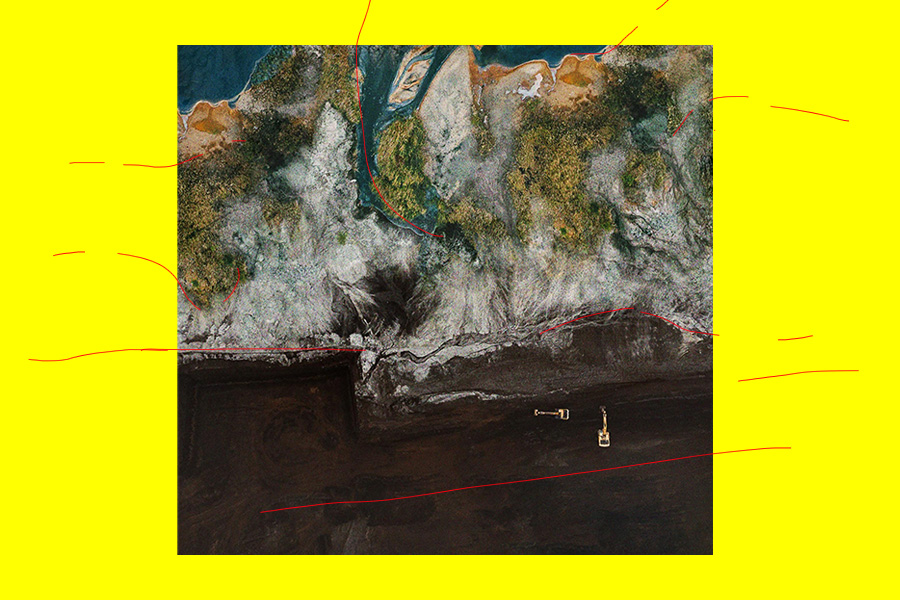
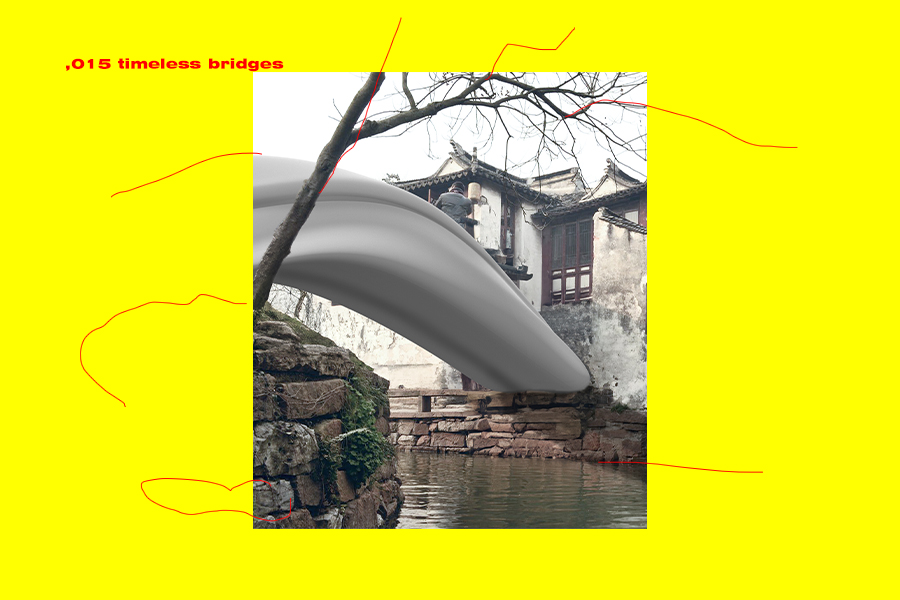
green mineral park
Nome (NO) - Special mention
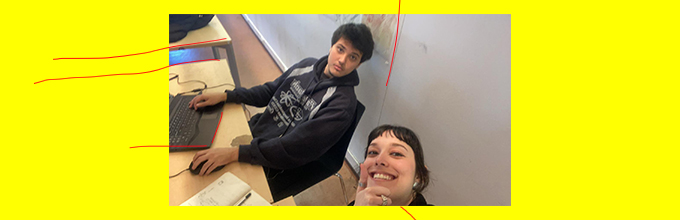
TEAM PORTRAIT
INTERVIEW
Click on the images to enlarge
1. How do you define the main issues of your project in relation with the theme “Re-sourcing”? Re-sourcing thanks to nature, to social dynamics, to new materiality? In which way do you think your project can contribute to an ecological and/or social evolution? And in which way do you think your project can be called a “regenerative project”?
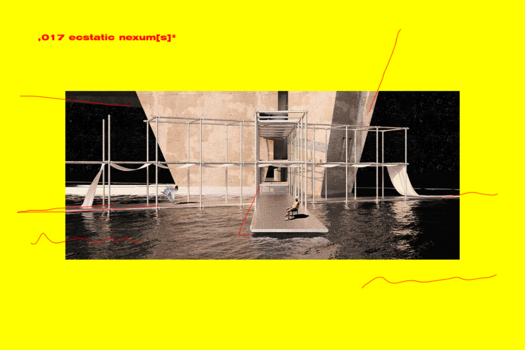
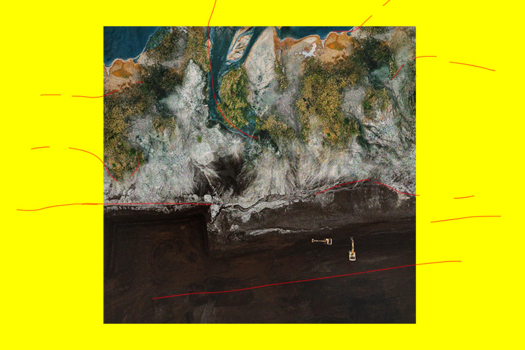
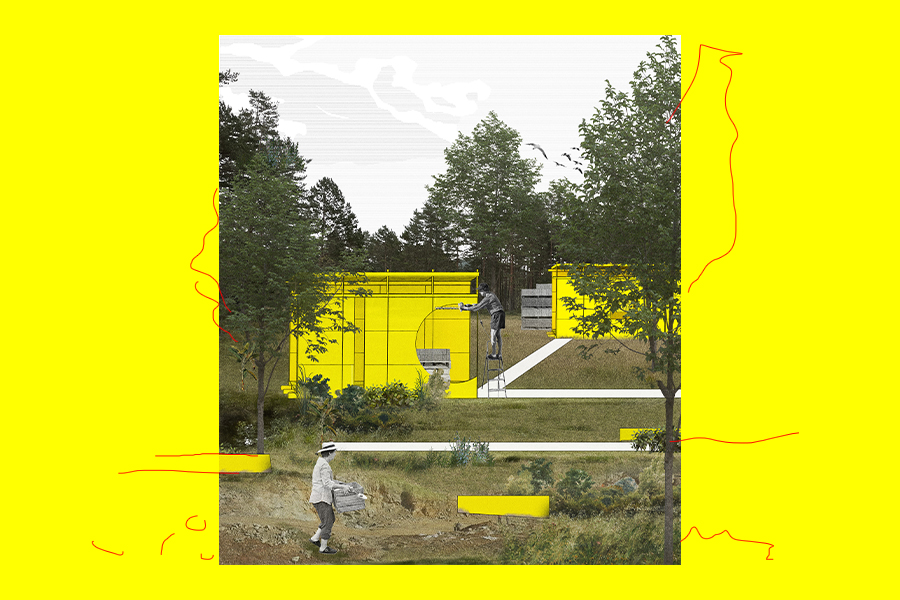
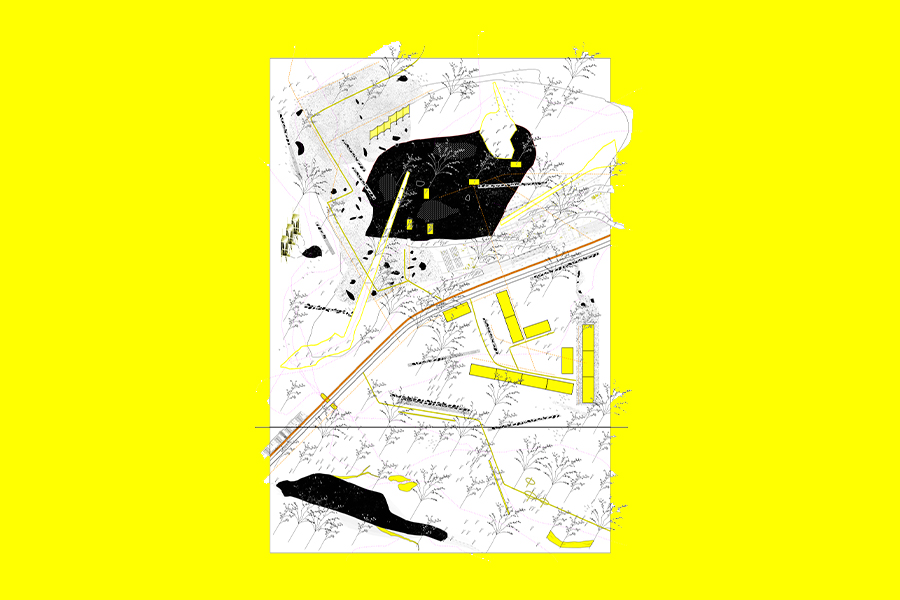
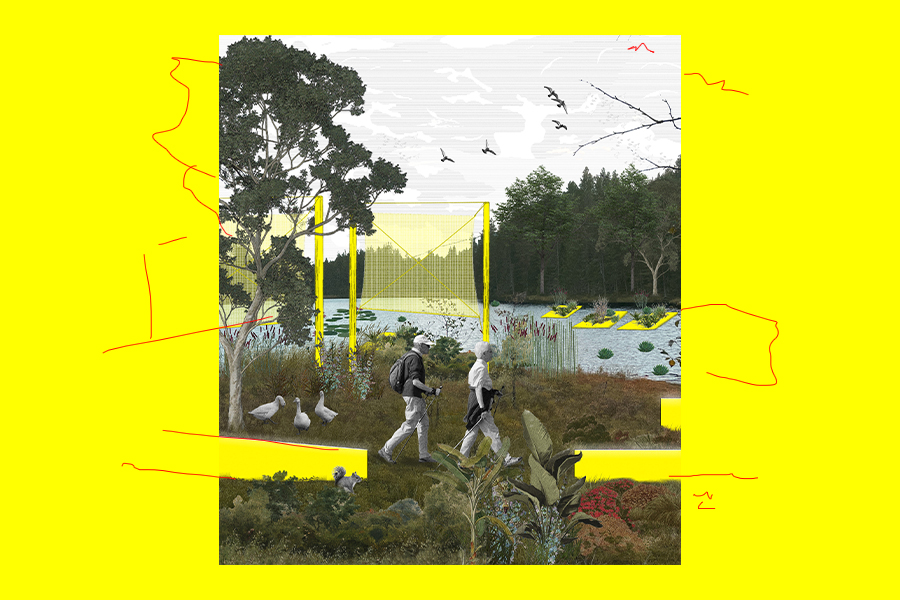
“green mineral park” reframes re-sourcing as working with what already exists: ecological processes, social practices, and material waste. Nature becomes an active agent, landfill and by-products become building resources, and care becomes a shared social act. By embedding extraction within ecological corridors and temporal cycles, we propose a continuous regeneration rather than post damage repair.
2. How did the issues of your design and the questions raised by the site mutation meet?
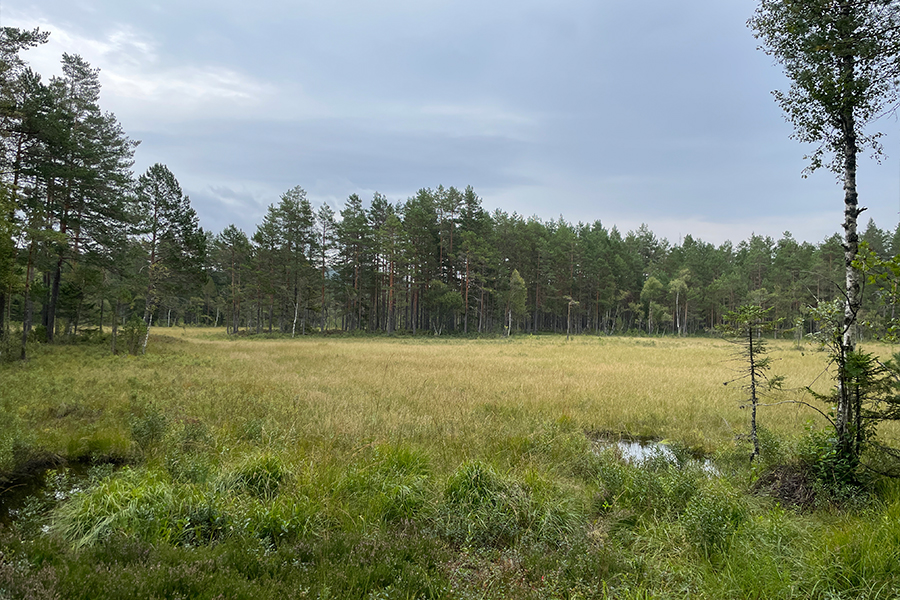
Once the brief made clear the scale of change imposed on a green area, we began by asking who and what would be affected, and how. rather than prioritizing profit, the project starts from ecological and social consequences. the uncertainty of the proposed change pushed us toward openness rather than a single solution, resulting in a matrix of over 25 design possibilities.
PROJECT:
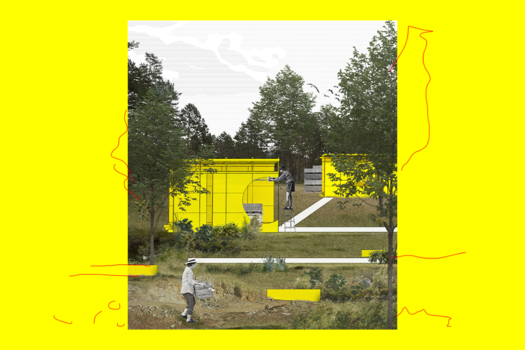
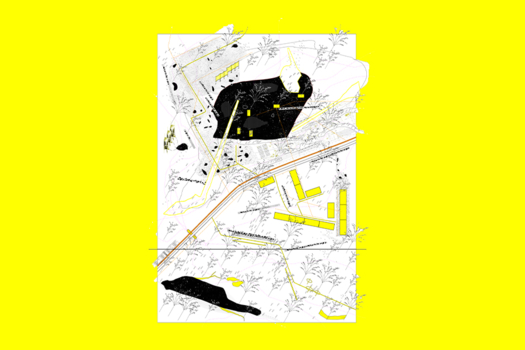
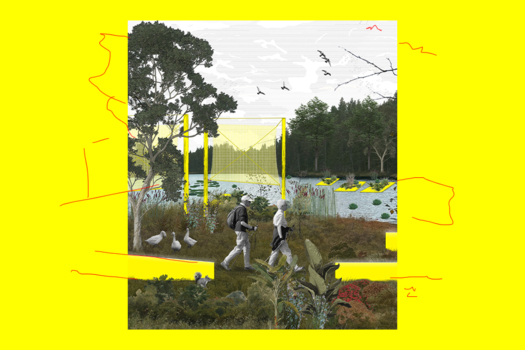
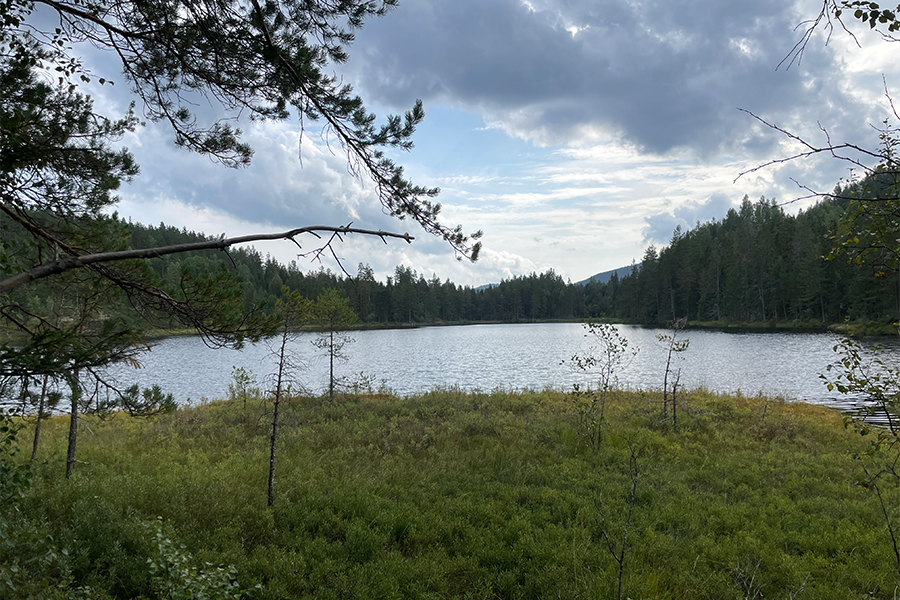
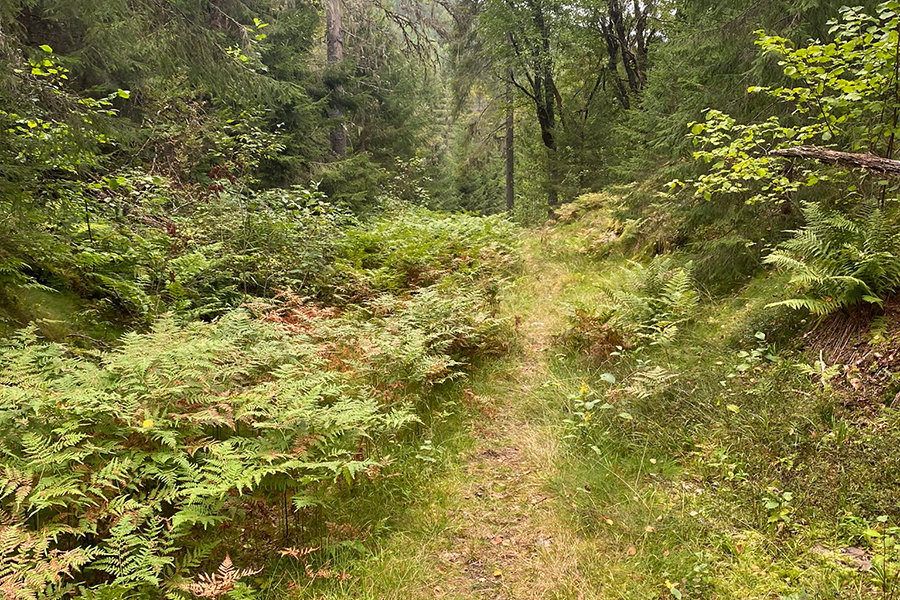
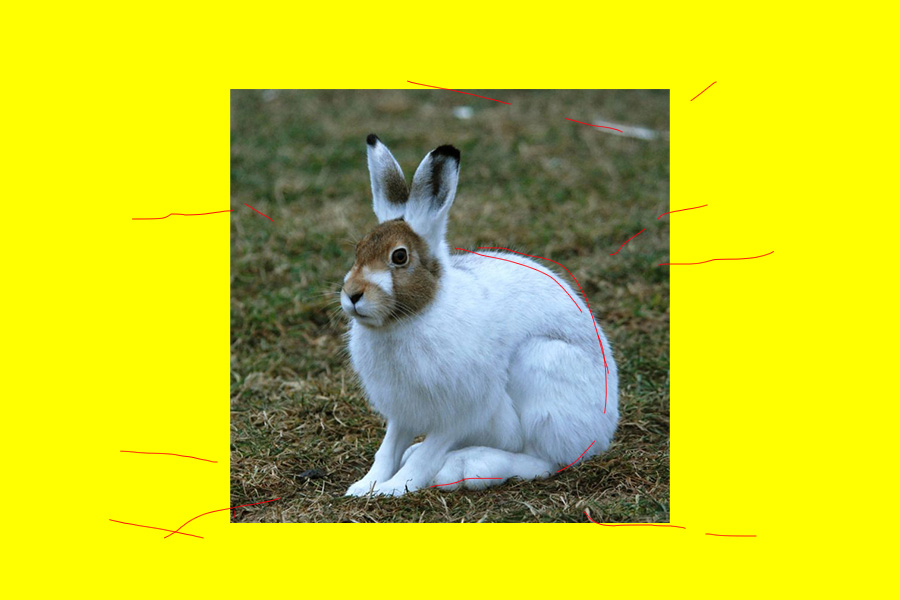
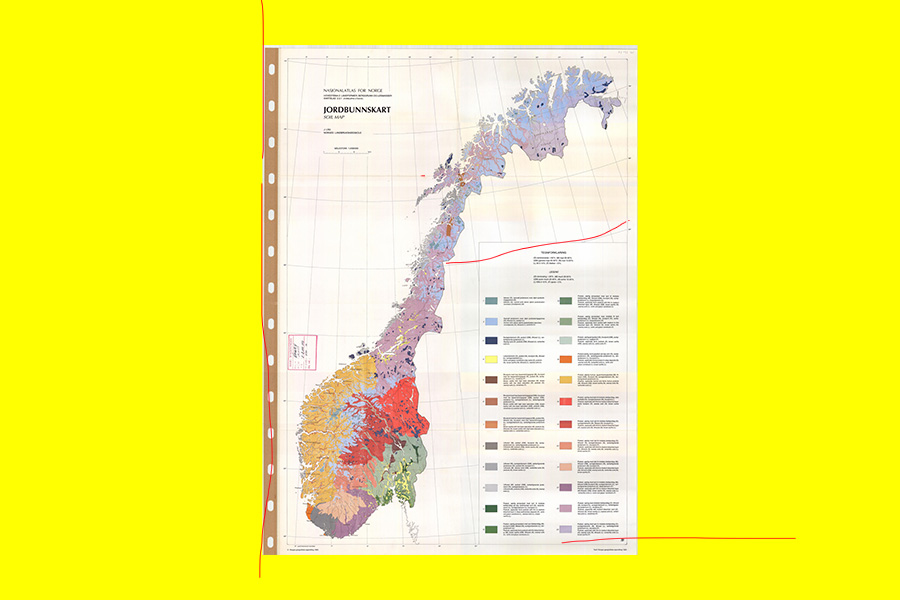
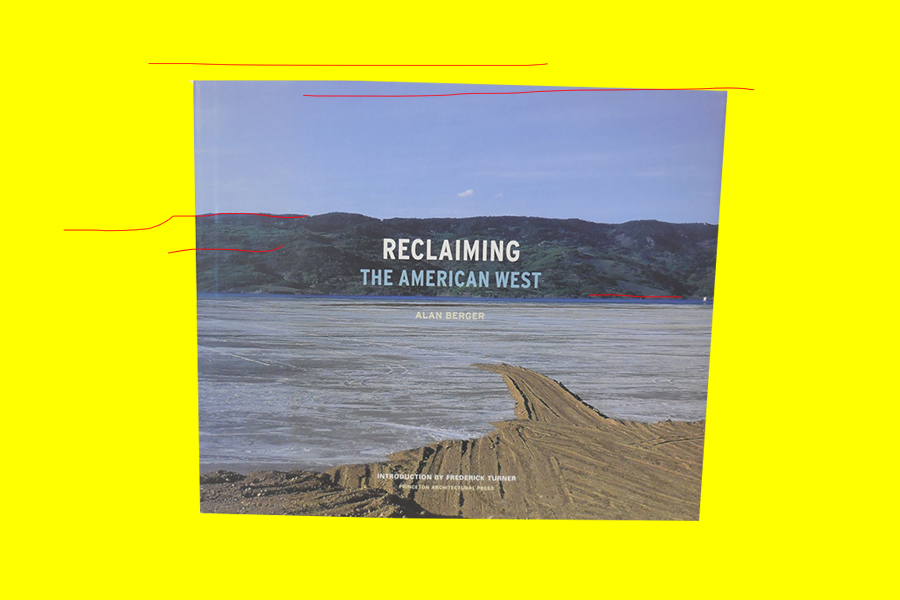
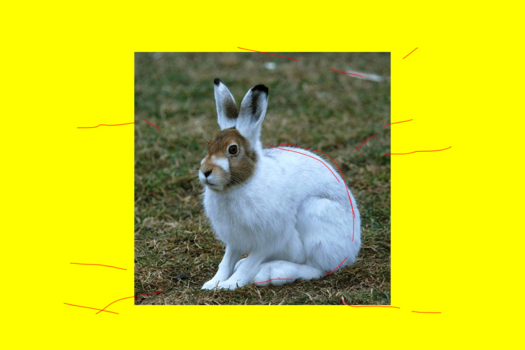
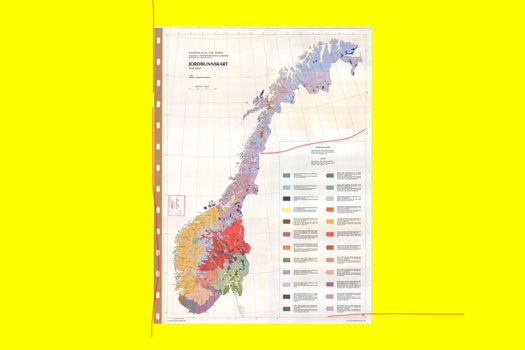
Yes. our graduation design studio at ODTU (METU), led by Prof. Dr. Ayşen Savaş and Prof. Dr. Arzu Gönenç Sorguç, sparked a shared curiosity to think deeply about the ground as an ecological and post human condition. both of our diploma projects sought similar answers and critically engaged with such systems. our references have been nome’s own inhabitants, such as lepus timidus, as well as the soil itself.
SITE:
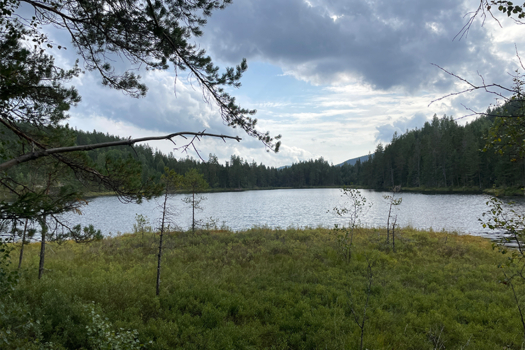
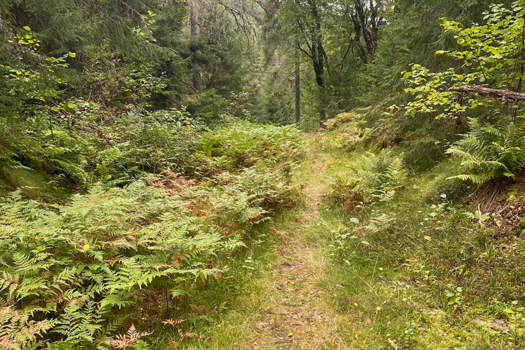
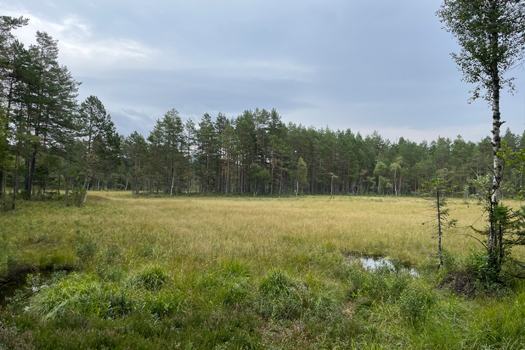
Our project establishes a system that unfolds through time and across different actors. time, alongside other species, forms the ground of the project. aware that we are designing something that may outlive us, but not the trees, we propose a gradual assembly that evolves through phases, adapting to shifting ecological and extractivist conditions.
REFERENCES:
We formed the team as university classmates. it was an easy decision, we were curious to see where it would go, as our representational skills and the way we think complement each other, and we are both interested in design driven by research.
6. How could this prize help you in your professional career?
Yes. we do, but more importantly this prize felt like a recognition of our ideas. as recent graduates, it reassured us that what we are proposing resonates with today’s architectural and ecological concerns, of which we admittedly have many.
TEAM IDENTITY
Legal status:
Team name:
Average age of the associates: 24 years old
Has your team, together or separately, already conceived or implemented some projects and/or won any competition? if so, which ones?
Derin was awarded second place at archiprix turkey 2024 + pelin’s diploma project was exhibited at the 19th venice architecture biennale.
WORKS: