Regensburger Nordstern
Regensburg (DE) - Special mention
TEAM PORTRAIT
INTERVIEW
Click on the images to enlarge
1. How do you define the main issues of your project in relation with the theme “Re-sourcing”? Re-sourcing thanks to nature, to social dynamics, to new materiality? In which way do you think your project can contribute to an ecological and/or social evolution? And in which way do you think your project can be called a “regenerative project”?
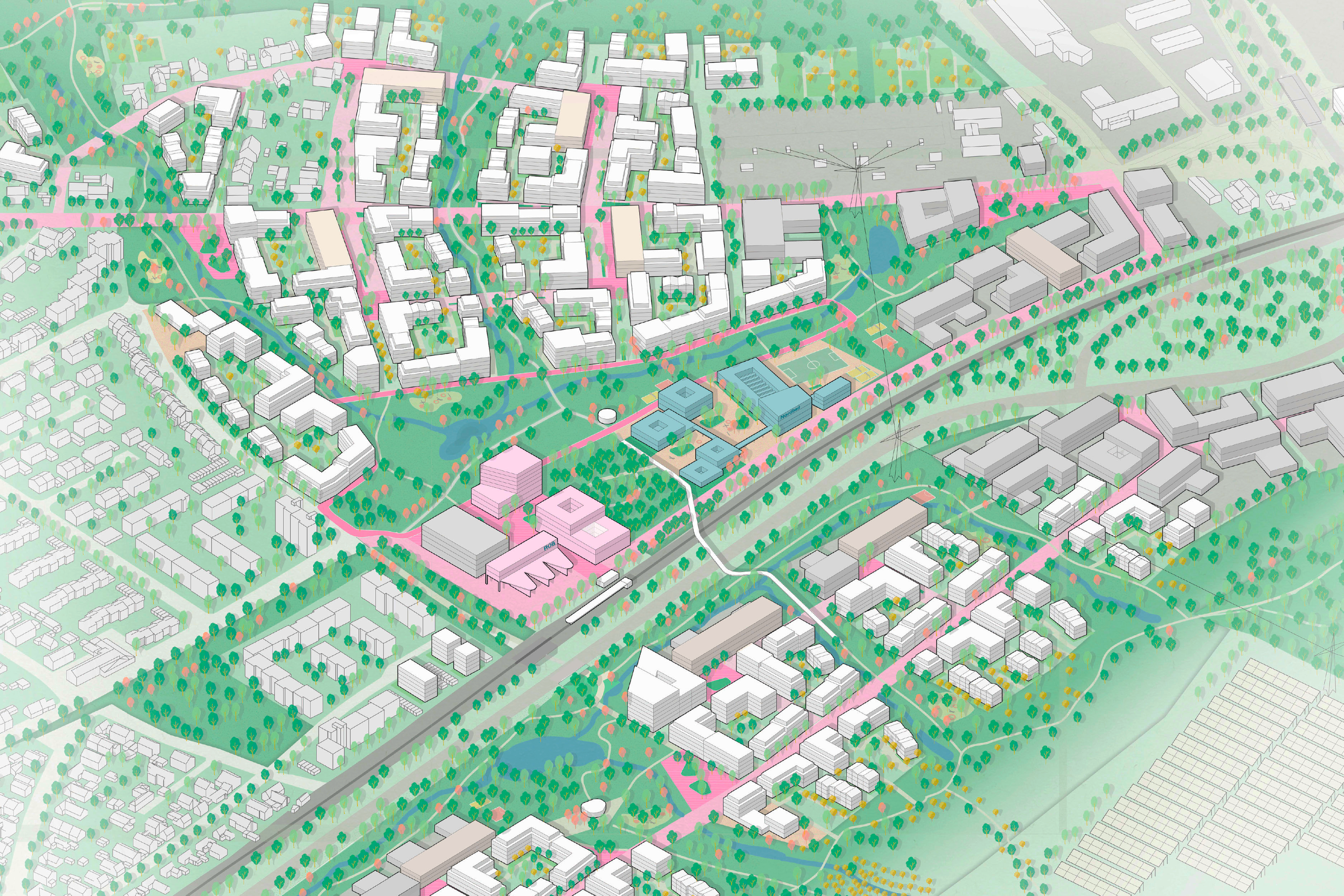
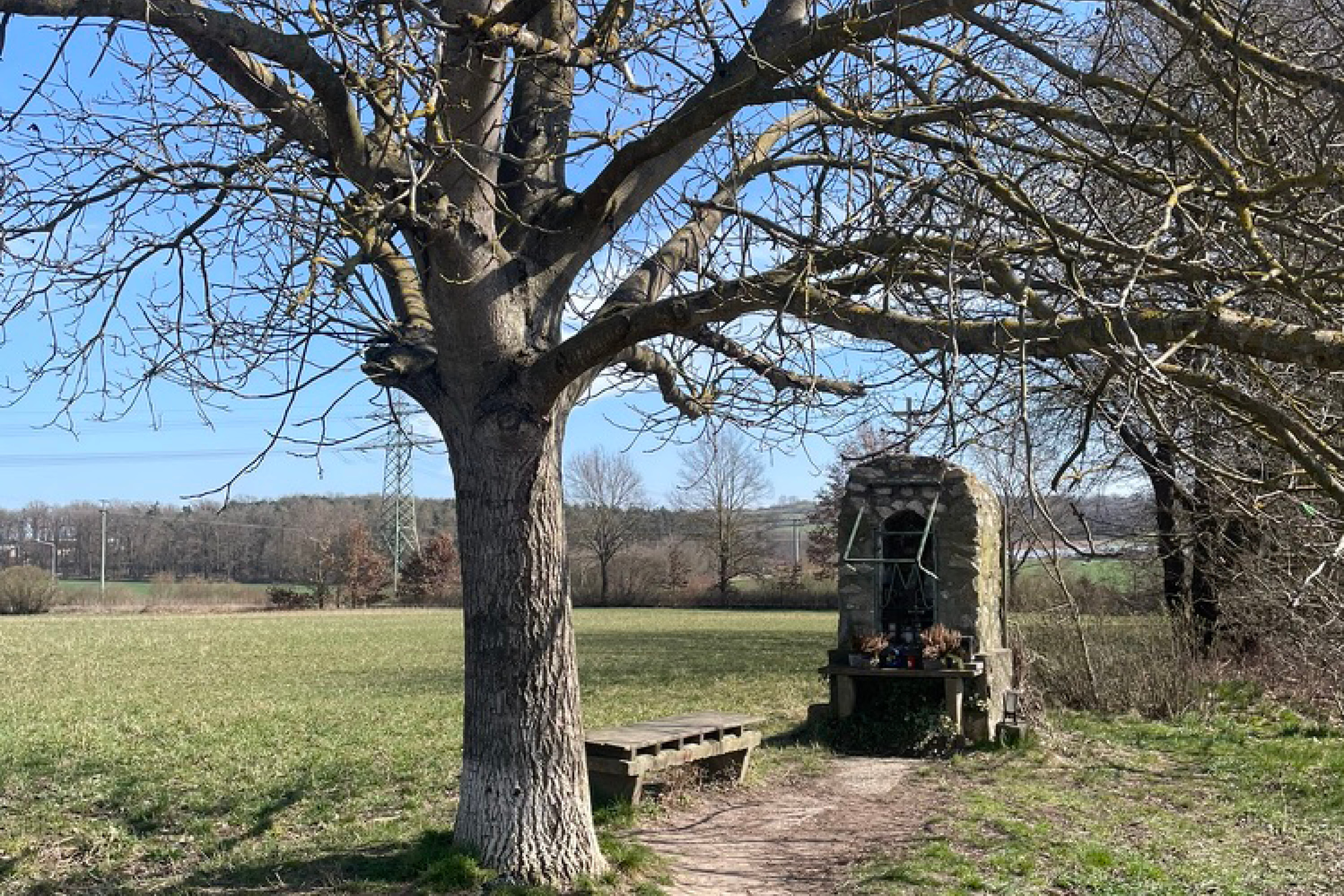
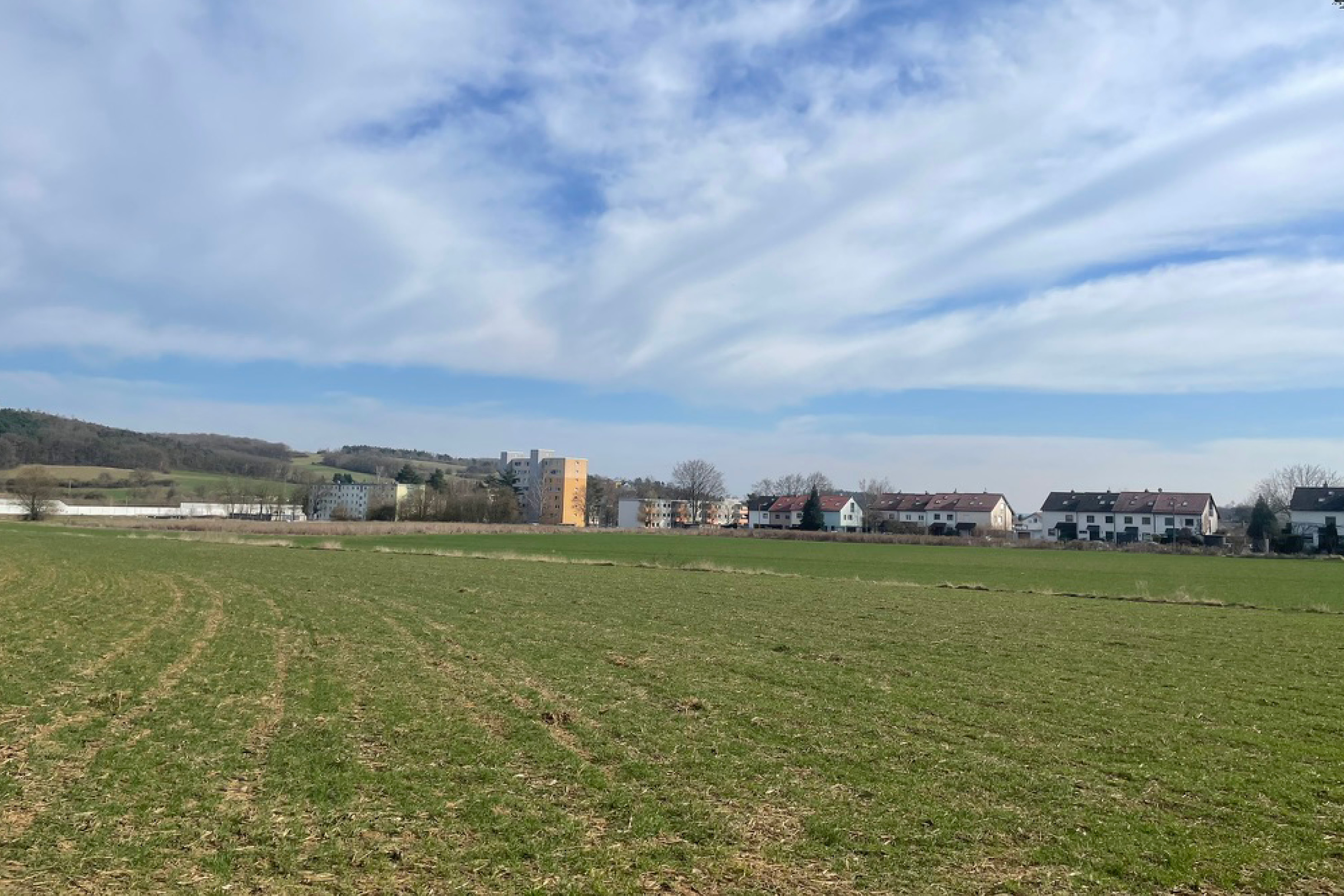
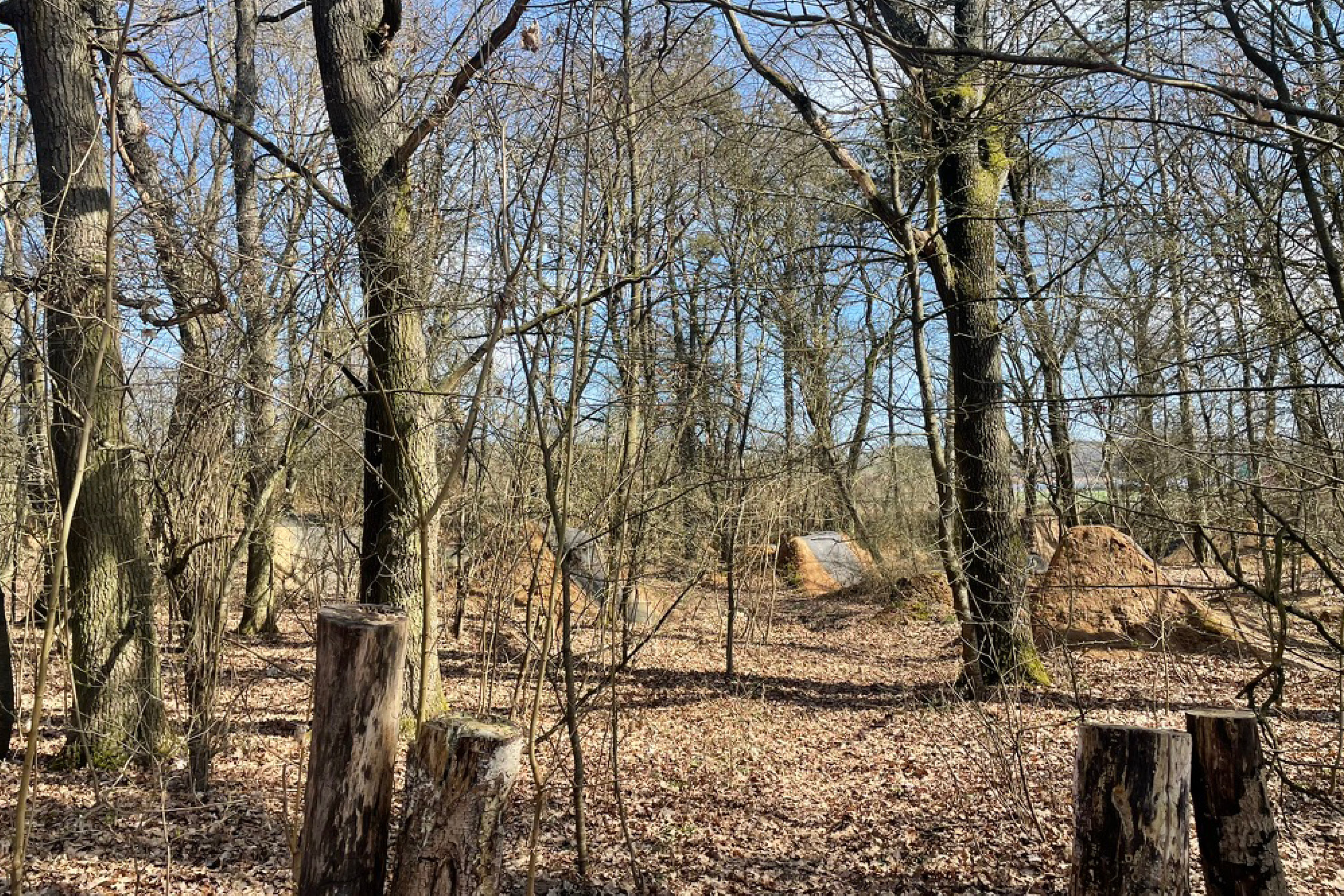
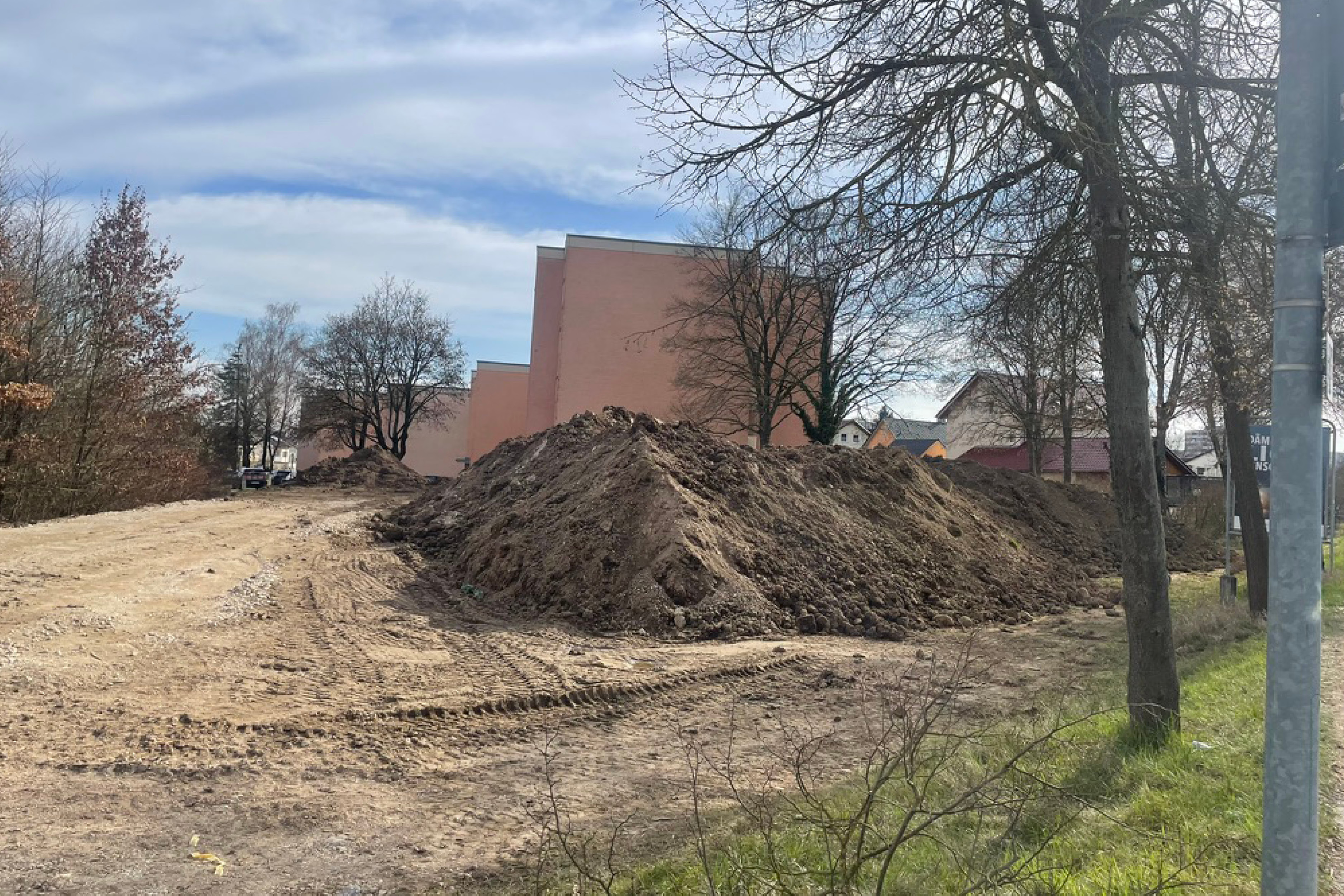
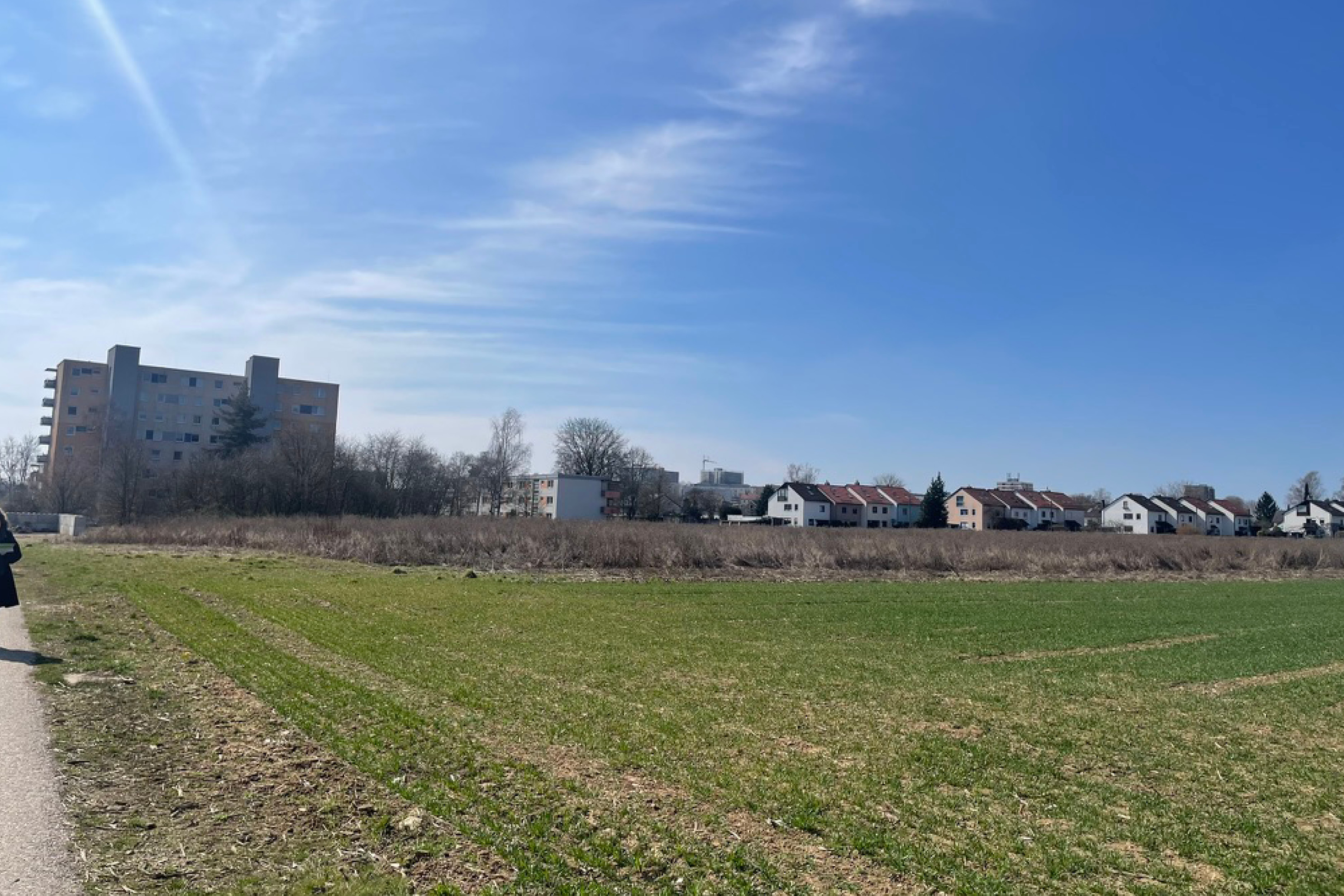
Re-sourcing is not an obvious topic for the site in Regensburg, which is largely agricultural land between the edge of a residential area and an industrial park. From our perspective, the key to re-sourcing on this abstract scale lay in minimizing soil sealing and implementing an innovative energy concept.
2. How did the issues of your design and the questions raised by the site mutation meet?
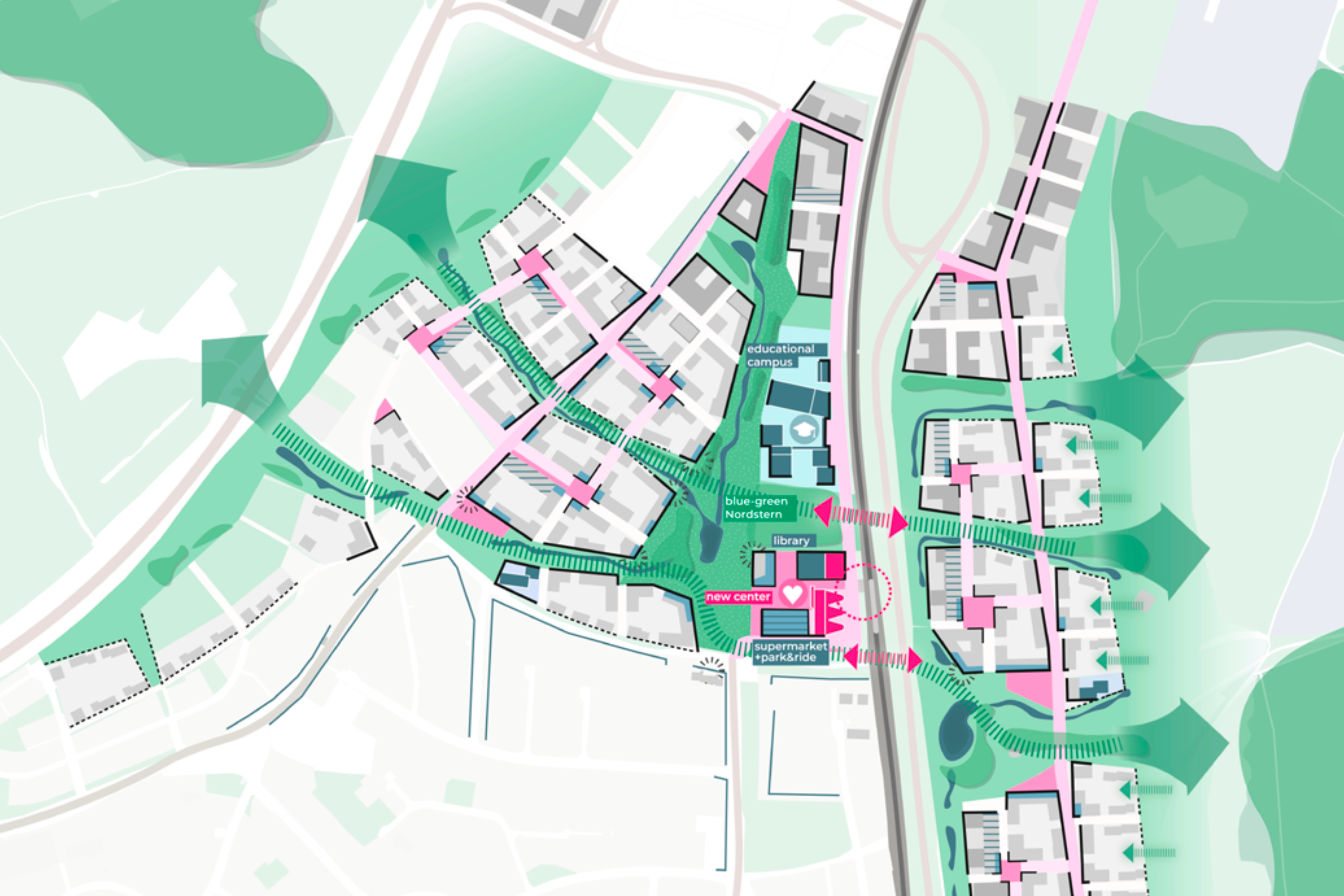
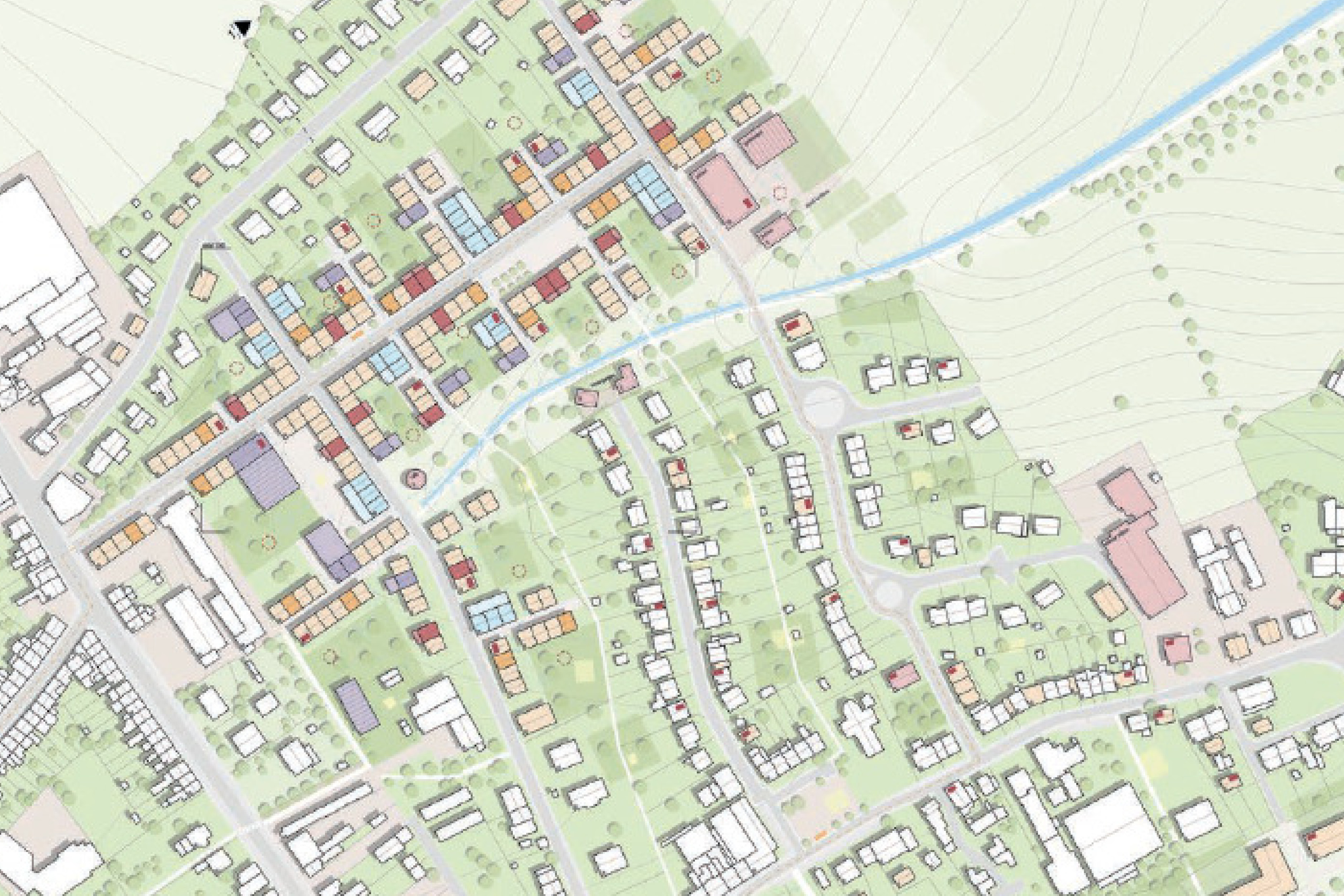
For us, therefore, the buildings should be located in the open space and not the other way around. This resulted in a star-shaped open space that radiates in all directions and forms the transition to the landscape. This open space also provides a suitable structure for decentralized rainwater management and the design of the neighborhood as a sponge city.
PROJECT:
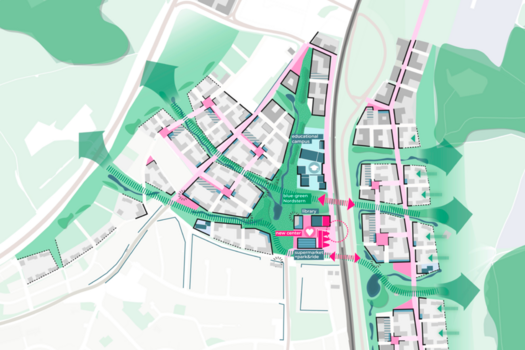
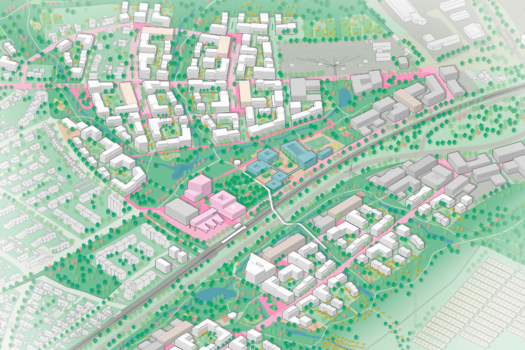
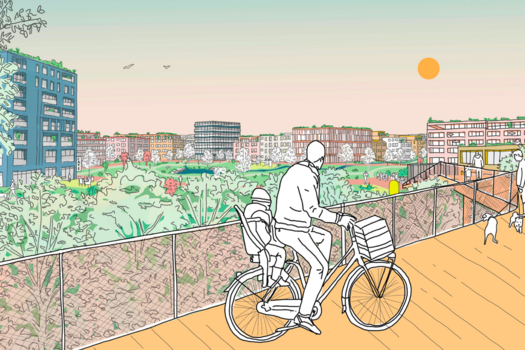
We each brought different experiences in urban design and circular construction to the table and were able to apply the knowledge we had gained. Nevertheless, this scale in connection with the topic of re-sourcing was something new for us and therefore particularly appealed to and challenged us.
SITE:
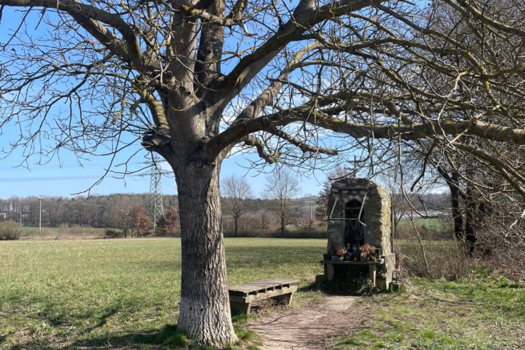
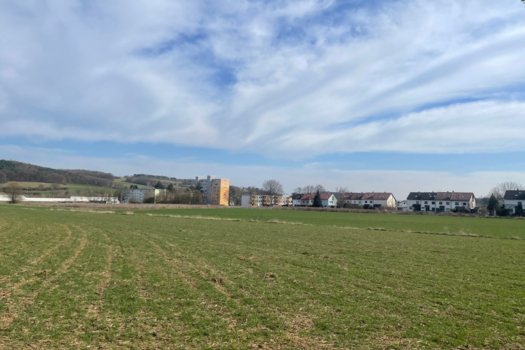
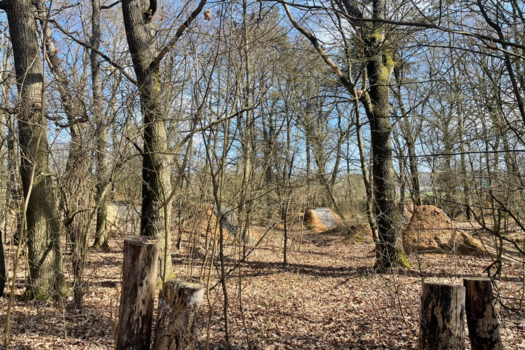
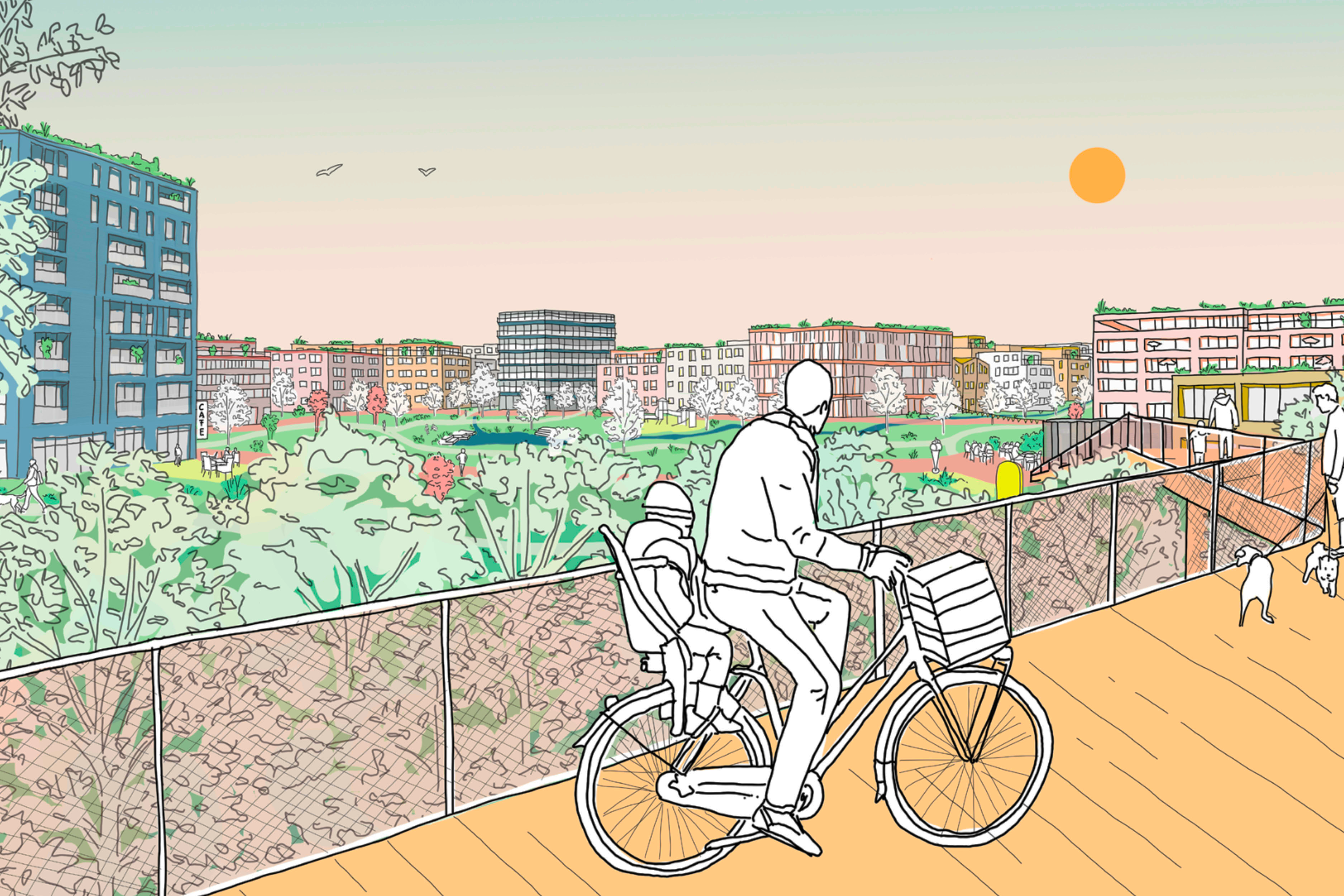
From our perspective, a vibrant neighborhood can only be realized if it is implemented in a co-productive process with various actors from urban society. With our proposal, we also wanted to contribute to the gradual and sensible implementation of the neighborhood.
REFERENCES:
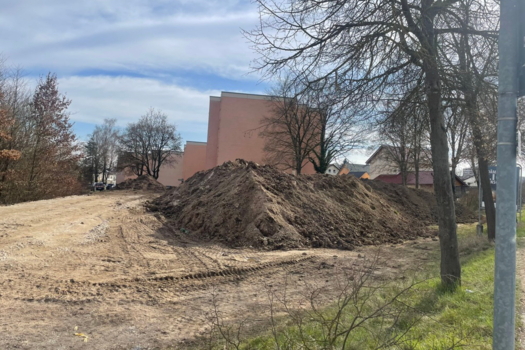
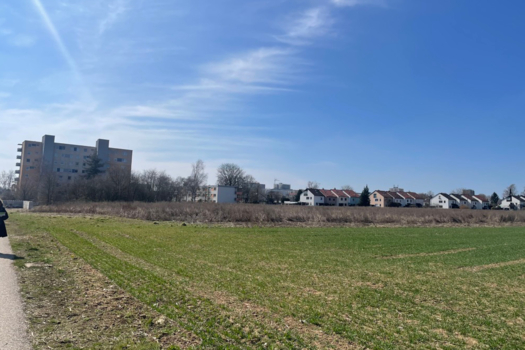
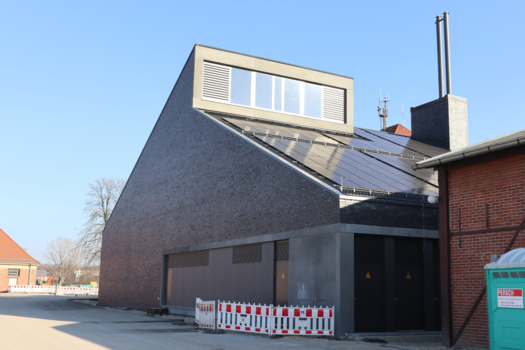
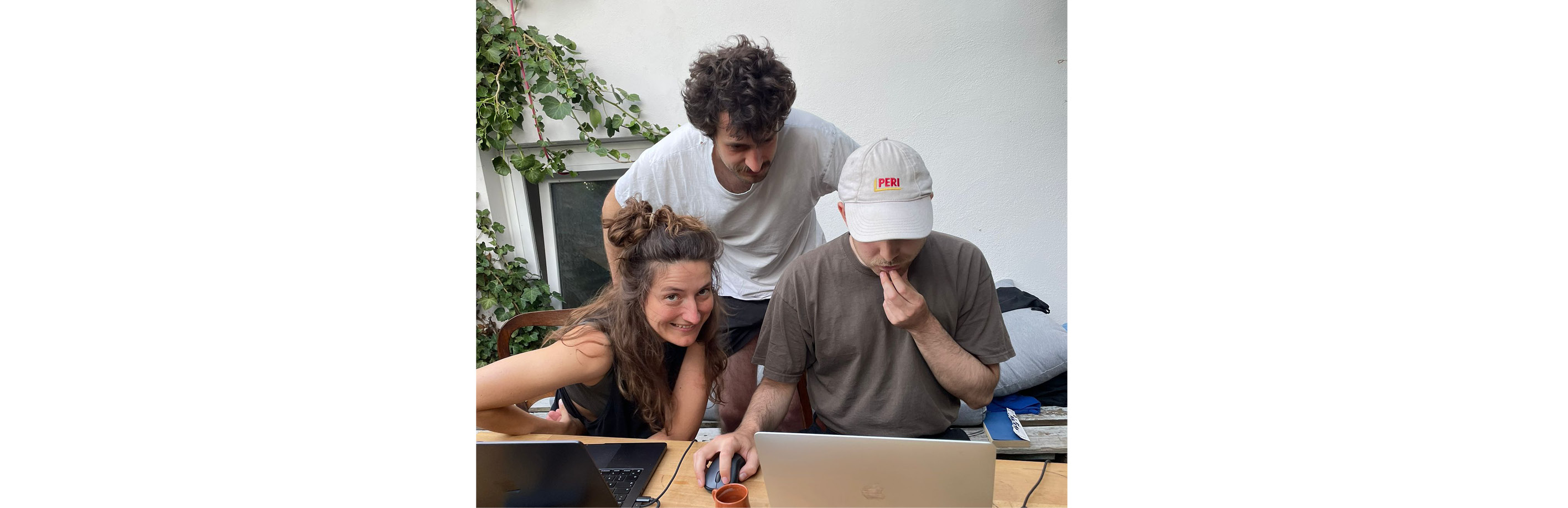
We know each other from different contexts, from university or work, and have collaborated on various projects. Each of us brings different skills and topics to the table: from process design in urban development, timber construction, and circular construction to climate adaptation in existing buildings. As urban planners and architects, we also cover different scales.
6. How could this prize help you in your professional career?
Participating in Europan was an exciting experience for us. We learned a lot for our professional careers from working together on the design and exploring the topic of re-sourcing. Of course, we hope that the special mention will also be helpful for our own résumés.
TEAM IDENTITY
Legal status:
Team name:
Average age of the associates: 28 years old
Has your team, together or separately, already conceived or implemented some projects and/or won any competition? if so, which ones?
No.
WORKS: