contrefort communal
Riez (FR) - Special mention
TEAM DATA
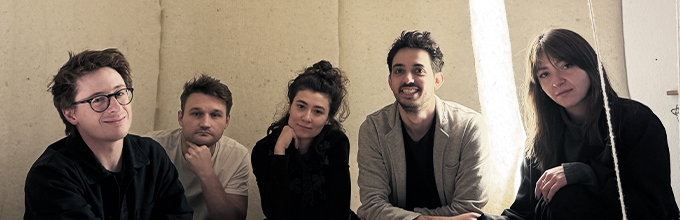
Associates: Sebastian Caballero (AT), Maria Covrig (RO), Stephanie Ganahl (AT), Daniel Koller (AT) – architects, Dominik Tschabrun (AT) – student in architecture
mail@studiomargarita.com / www.studiomargarita.com
See the complete listing of portraits here
See the site here
TEAM PORTRAIT
INTERVIEW
Click on the images to enlarge
1. How do you define the main issues of your project in relation with the theme “Re-sourcing”? Re-sourcing thanks to nature, to social dynamics, to new materiality? In which way do you think your project can contribute to an ecological and/or social evolution? And in which way do you think your project can be called a “regenerative project”?
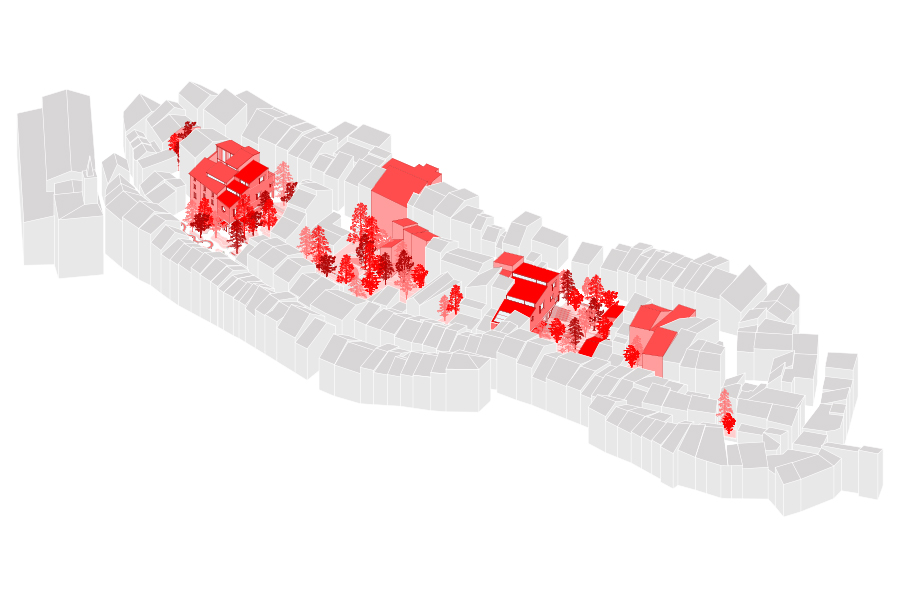
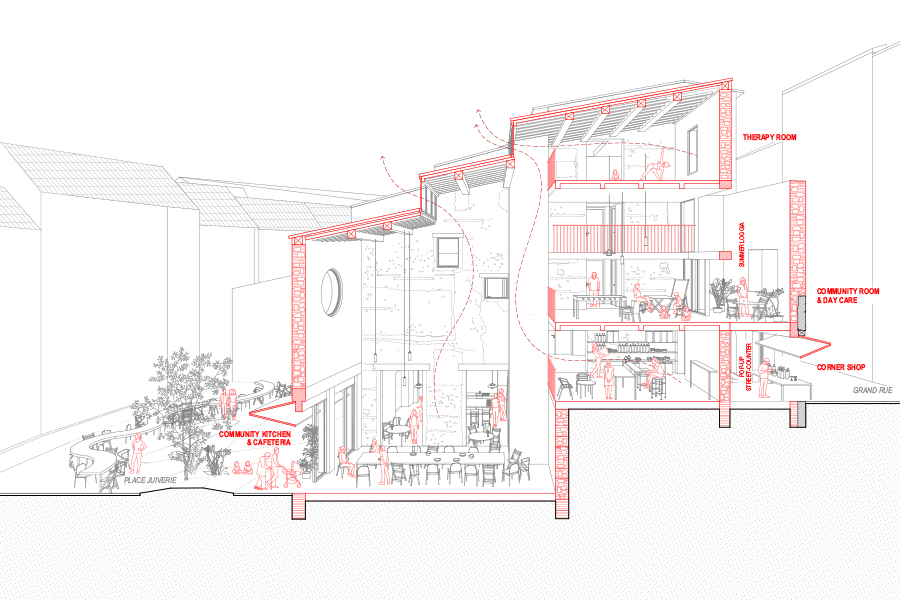
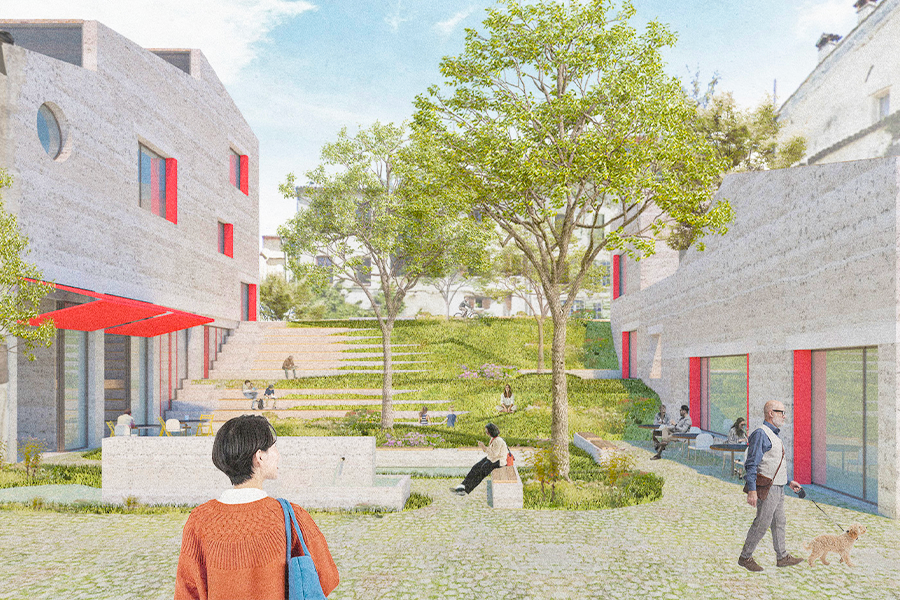
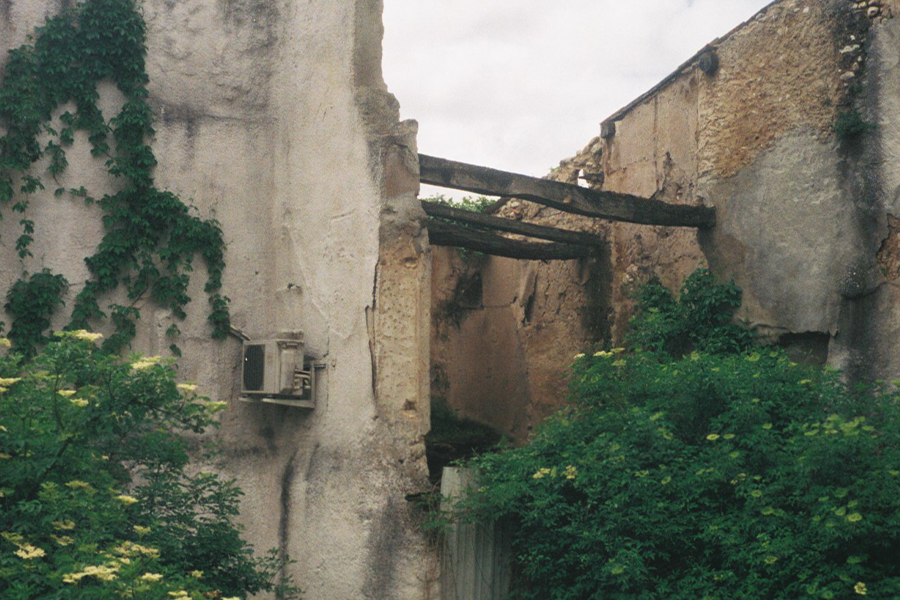
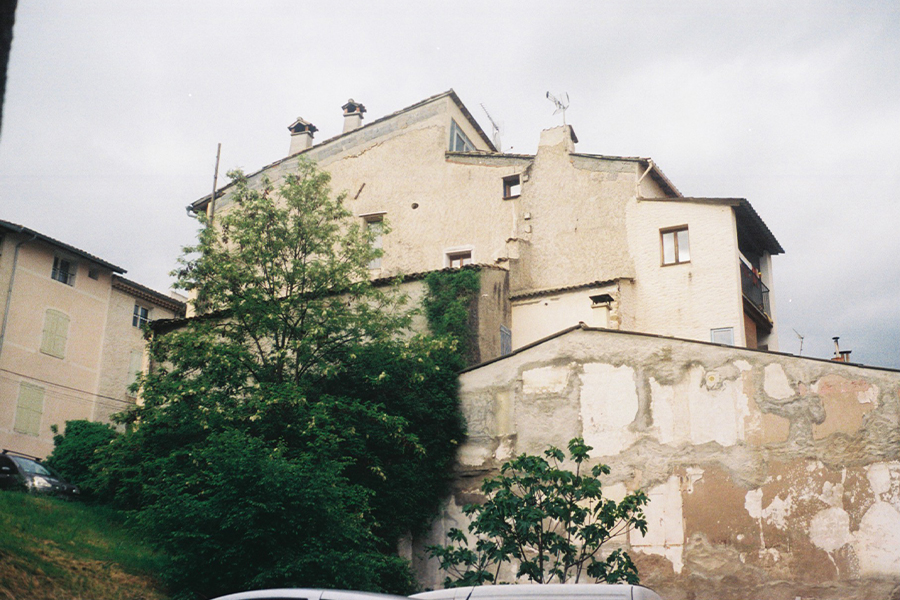
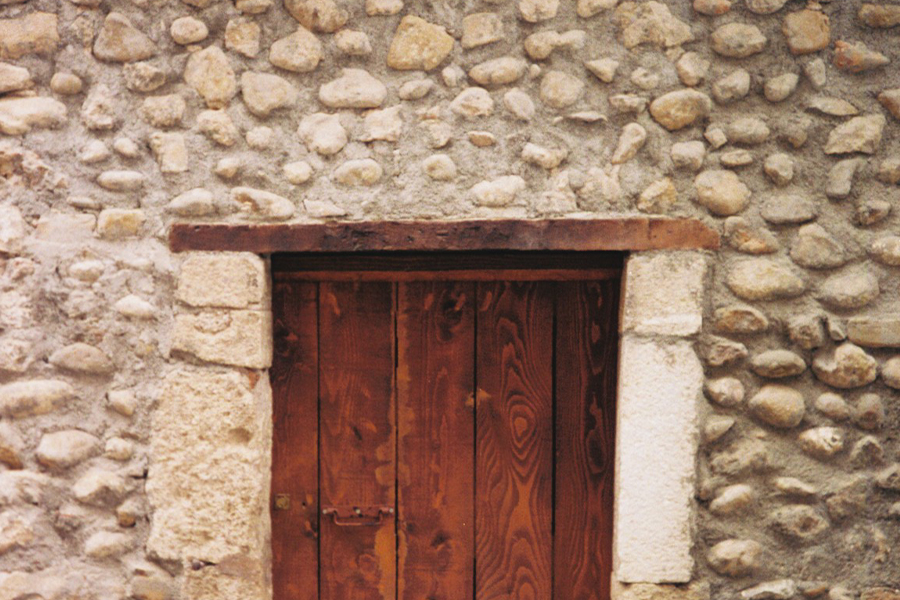
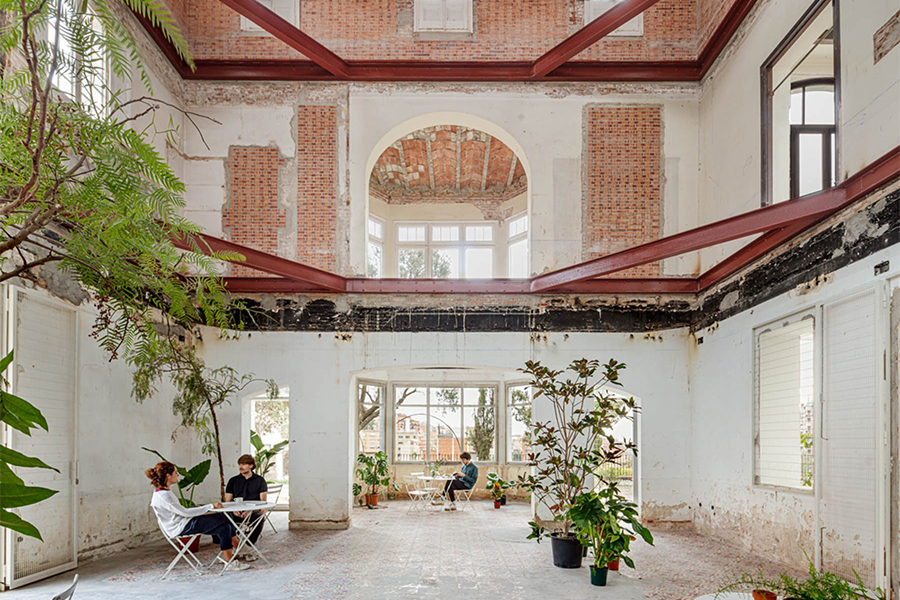
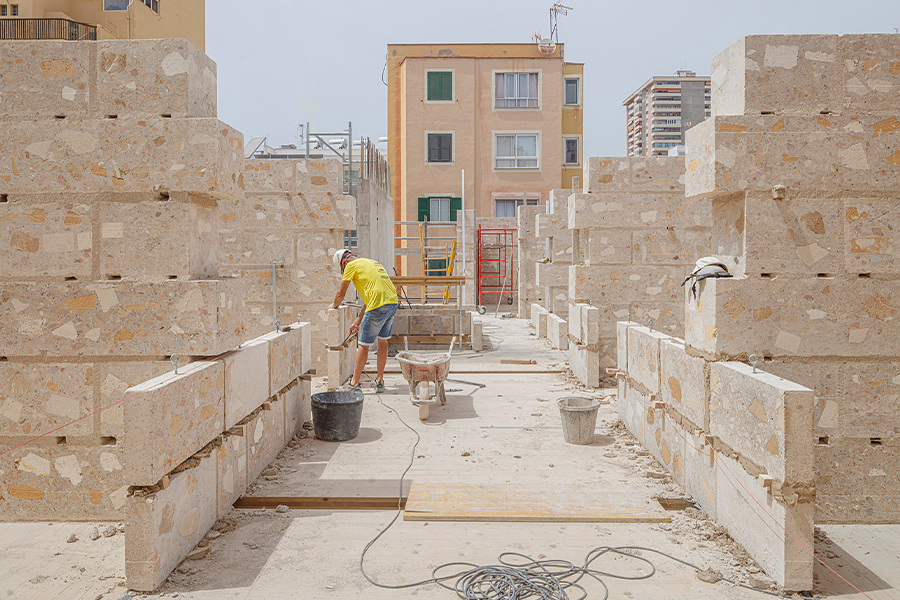
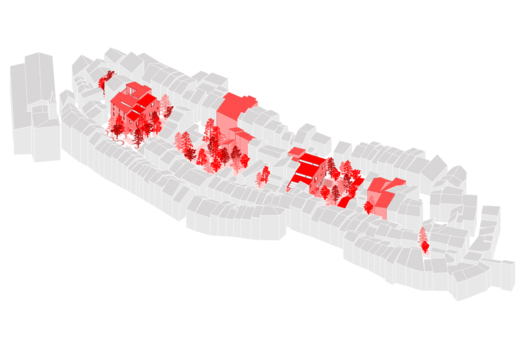
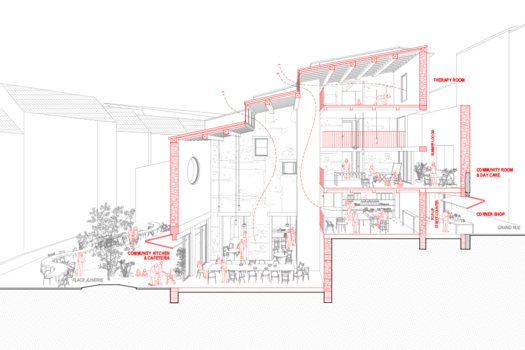
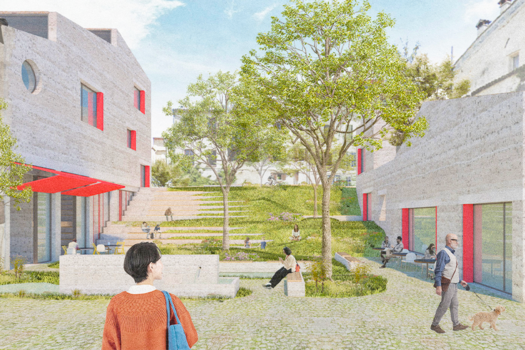
The project proposes a sensitive support, reuse and expansion of the historic building fabric in Riez. The existing housing typology is enhanced and functionally combined to create a vibrant and social organism. Additional structures made of mineral rubble support the collapsing wall remains and host community programs of care, education, and culture, creating a ContrefortCommunal. We understand not only the local material on site as valuable resources, but also the dense social networks in rural areas, which promise a participatory planning process and a communal way of living.
2. How did the issues of your design and the questions raised by the site mutation meet?
One of the central questions concerned the appropriate scale and adaptation of the project to its social and built context. We aim to view the perceived limitations of the existing structure as opportunities, emphasizing the unique characteristics of the location. Questions regarding the usability of such a dense building fabric reveal possibilities that would be difficult to imagine elsewhere: a walkable, climate-friendly town and a self-sustaining social cycle spanning multiple generations, demonstrating how Riez could serve as a model for countering rural exodus.
PROJECT:
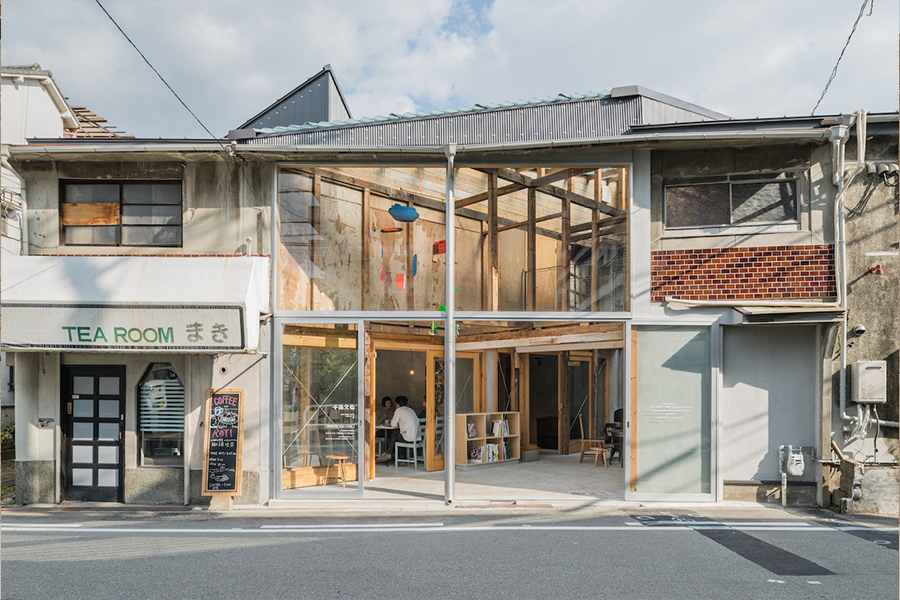
We constantly focus on socially oriented design with a strong appreciation for the surrounding context. In our own studio, we explore issues like hospitality as spatial production by regularly hosting events like talks, concerts, and exhibitions to sustain and curate a joyful and creative environment. We aim to bring urban and spatial development closer to the users, approach architecture as a continuous process, and prioritize raw, local building materials as seen in projects of Carles Enrich Studio, HARQUITECTES, and Dot Architects.
SITE:
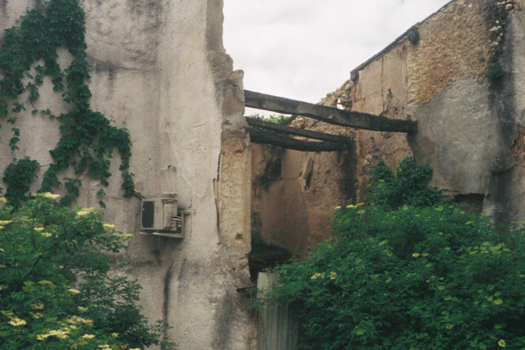
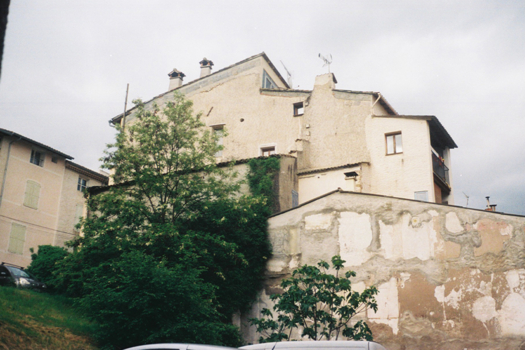
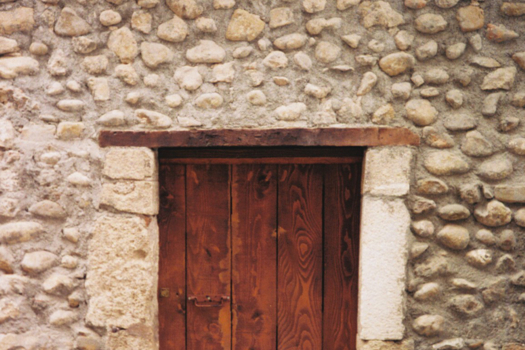
The project envisions a gradual, long-term and participatory process. The first priority is to stabilize the endangered building fabric. Only then will it be adapted to appropriate living standards and communal housing through targeted interventions, attracting a creative community and self-organized initiatives. As a final step, the supporting extensions will be constructed by responding to locally sourced materials and familiar construction techniques, thereby supporting local crafts and businesses.
REFERENCES:
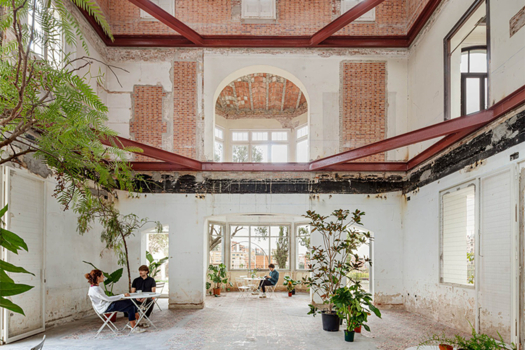
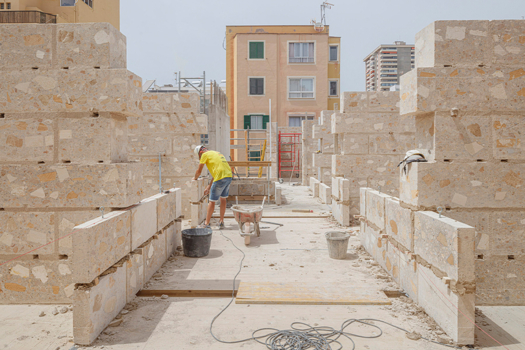
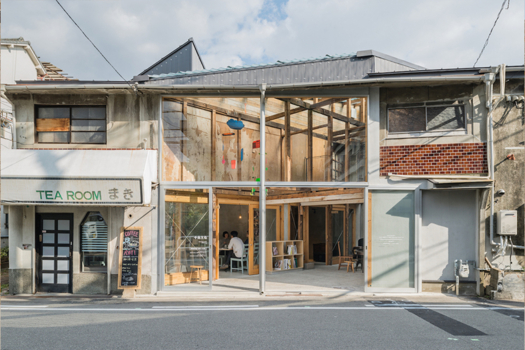
Our team consists of members of Studio Margarita, a transdisciplinary architecture collective based in Vienna’s district Margareten. Complementary skills and research focuses like innovative reuse of vacant properties and materials, building renovation, communal housing, and social design strategies naturally led us to the building site in Riez. Furthermore, we value cultural exchange and see great potential in learning about different ways of living together, working practices, and building cultures.
6. How could this prize help you in your professional career?
The international network of this program can be used as a starting point for young architects to expand their reach and gain new experience in the culture of competition. In many large cities, the market is dominated by large, renowned firms, leaving little room for innovative solutions and newly founded architectural collectives. In addition, we observe a competition culture that risks being misused as a political tool, exploiting the commitment of young practices. We see great potential in this alternative format, offering equal opportunities and exchange across Europe, and we hope that this approach will continue to be preserved.
TEAM IDENTITY
Legal status:
Team name:
Average age of the associates: 30 years old
Has your team, together or separately, already conceived or implemented some projects and/or won any competition? if so, which ones?
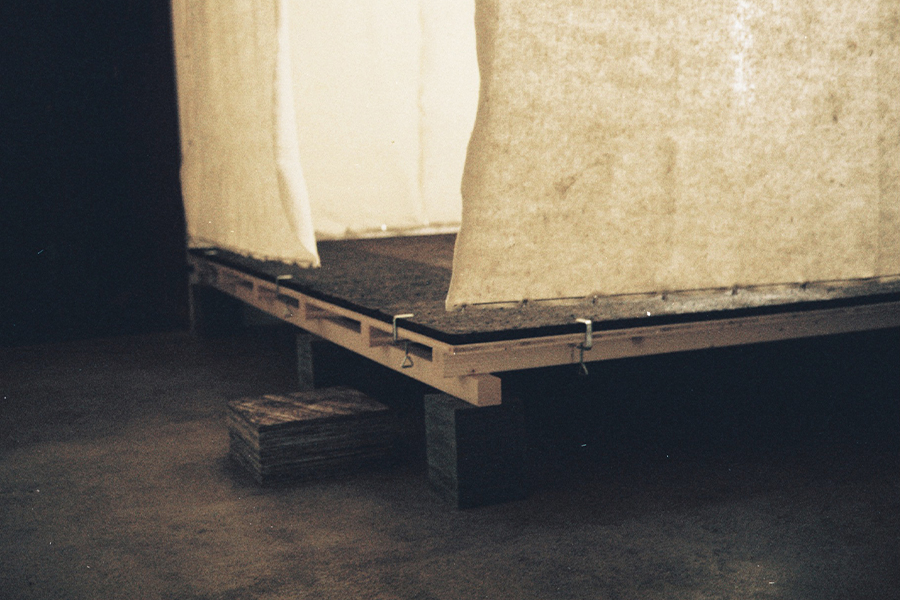
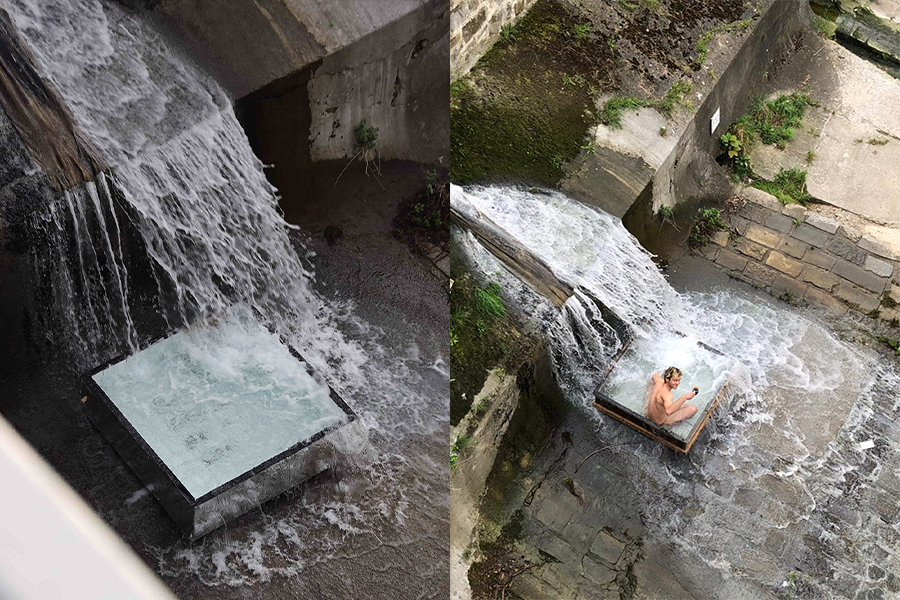
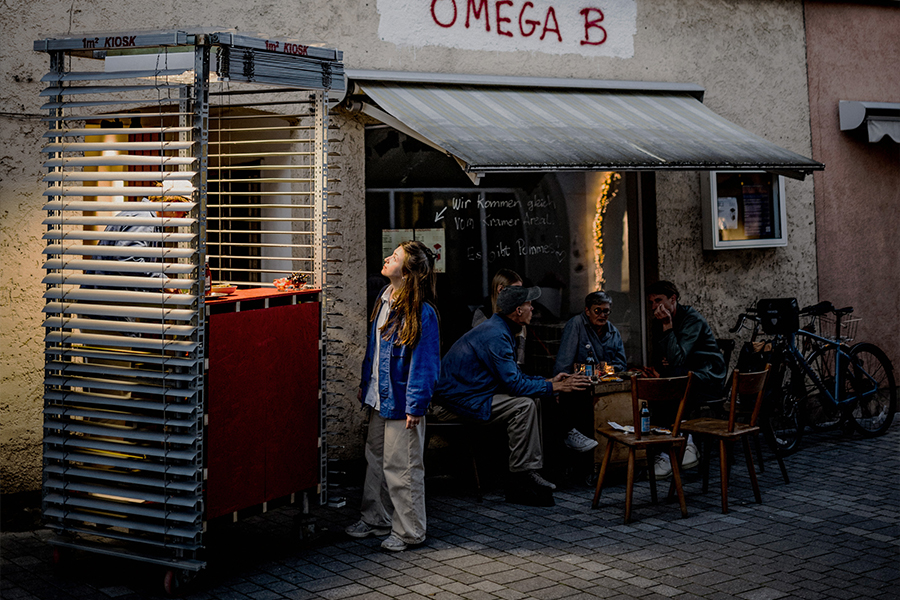
As a fluid team, we work together in changing constellations within the collective and have already carried out several interventions in public space, exhibitions, and small renovation projects. We are always open to cross-disciplinary collaborations with practitioners beyond the boundaries of our studio, as we have done on past projects.
WORKS: