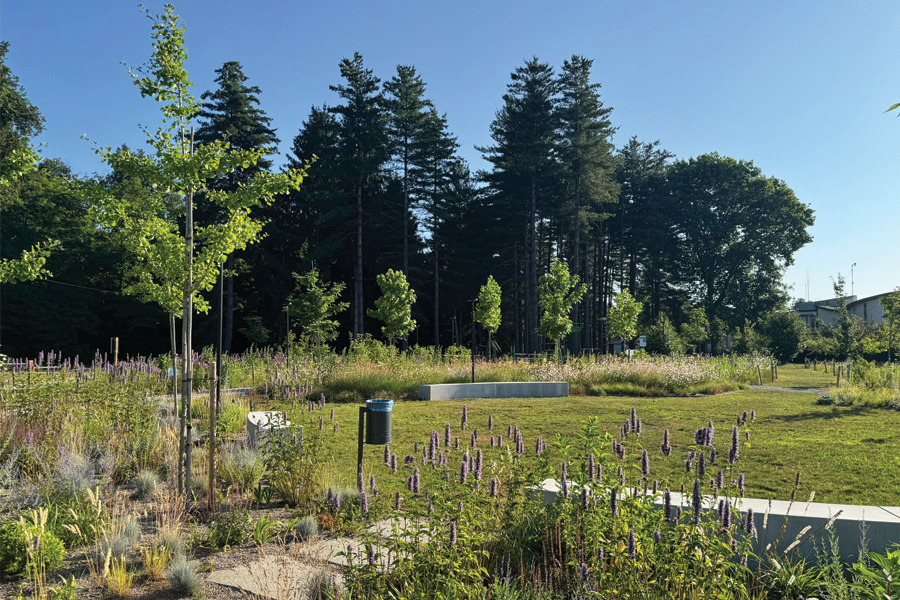
Hyllie, a stone’s throw away
Malmö (SE) - Special mention
TEAM PORTRAIT
INTERVIEW
Click on the images to enlarge
1. How do you define the main issues of your project in relation with the theme “Re-sourcing”? Re-sourcing thanks to nature, to social dynamics, to new materiality? In which way do you think your project can contribute to an ecological and/or social evolution? And in which way do you think your project can be called a “regenerative project”?
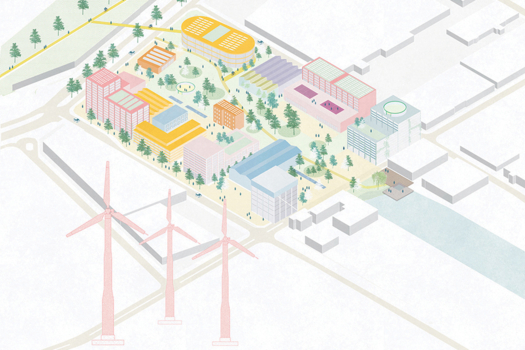
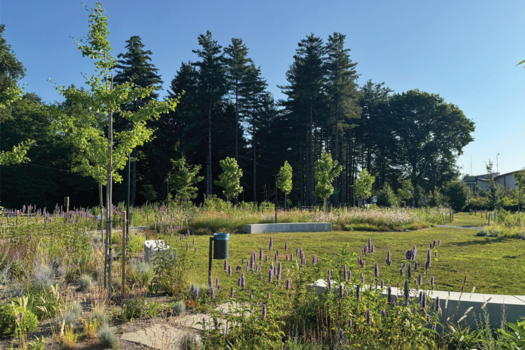
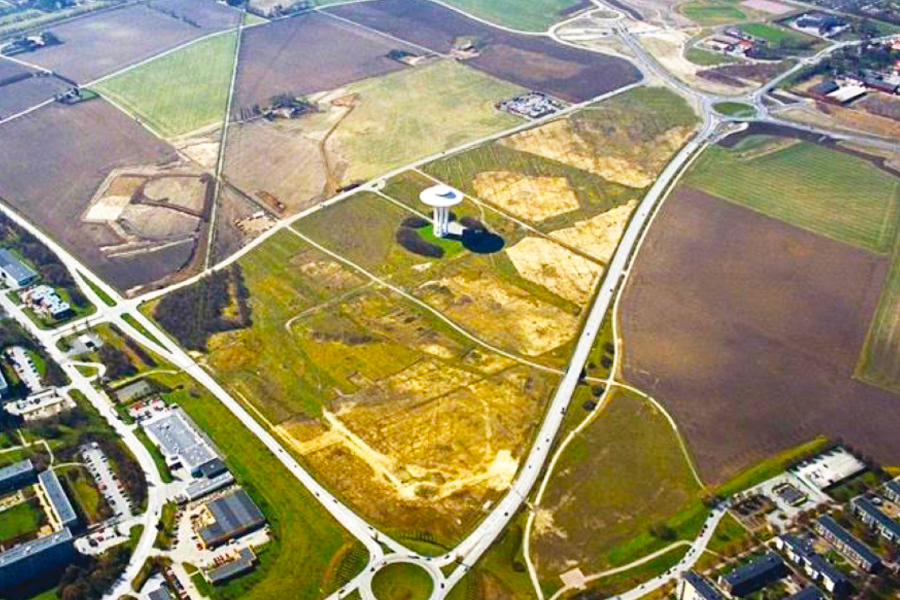
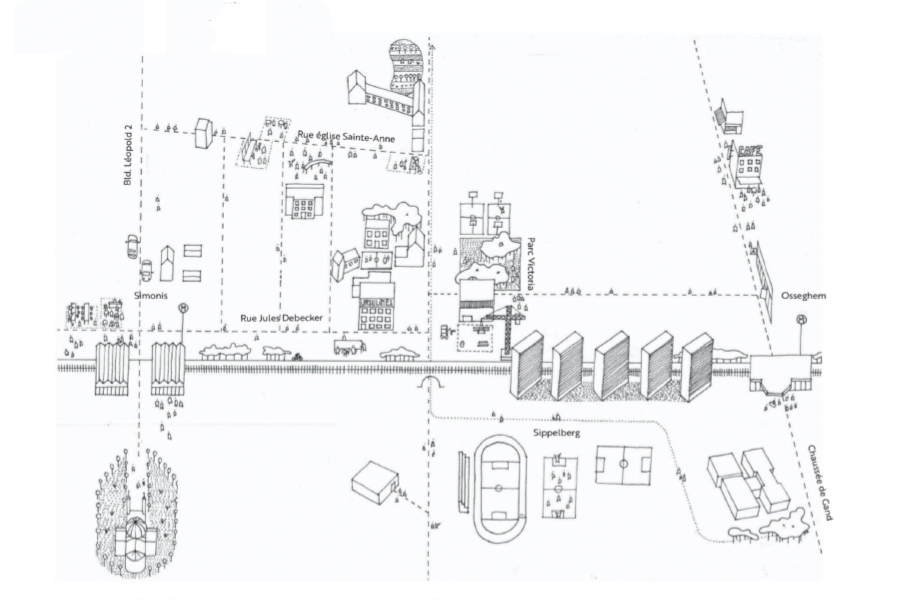
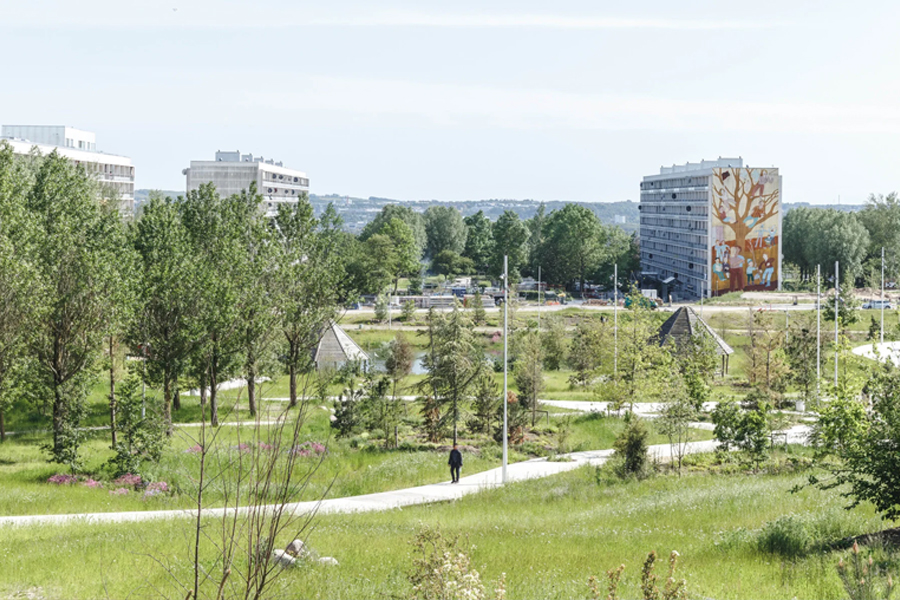
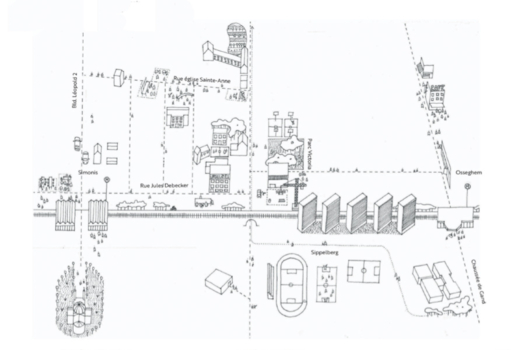
Hyllie is a place in flux. Our project brings in the foreground what’s already there - people, wildlife, memories, connections. We looked at the site’s history, aspirations, current dynamics, physical barriers, areas on the site’s boundaries and beyond to come up with a framework for openness rooted in regenerative principles that supports everyday life, nurtures ecological connections and allows for new stories to emerge.
2. How did the issues of your design and the questions raised by the site mutation meet?
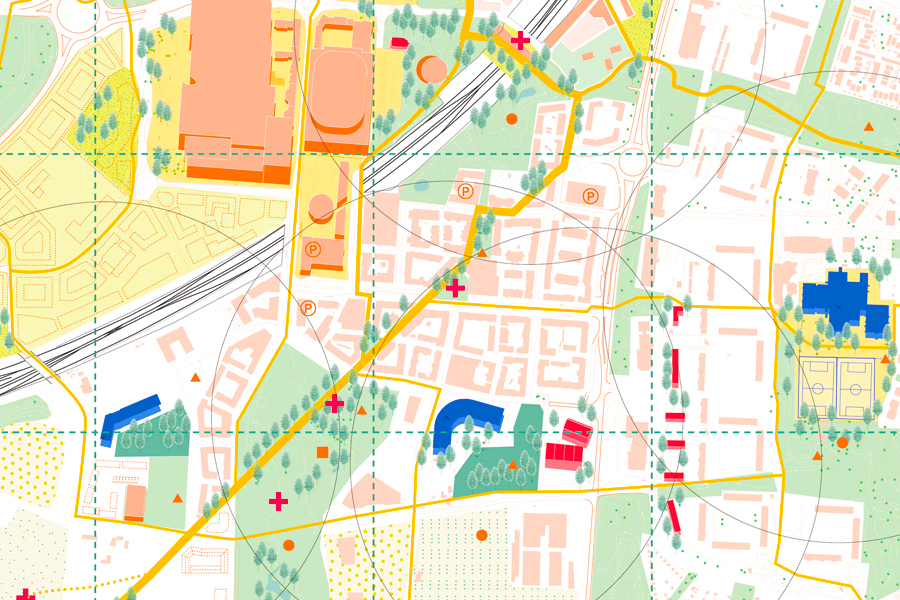
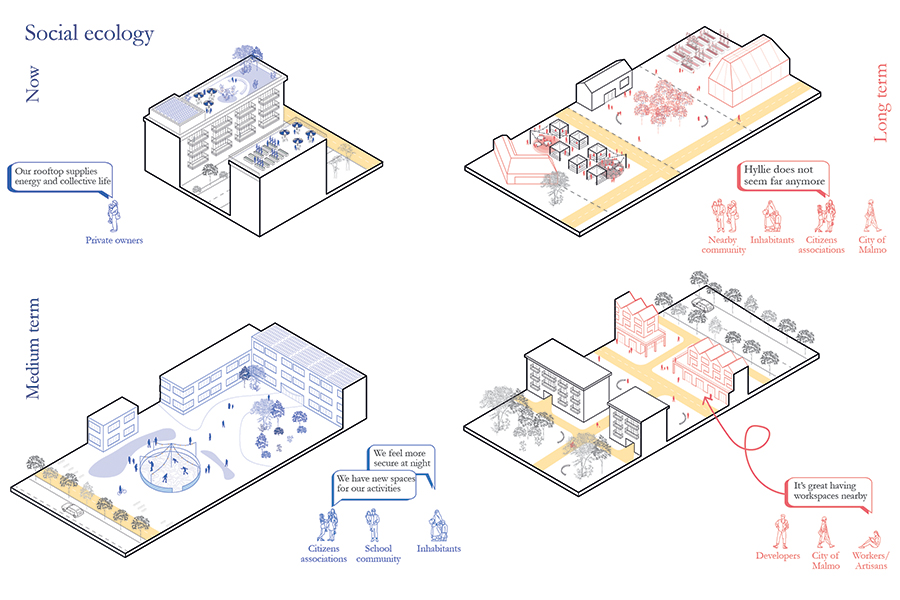
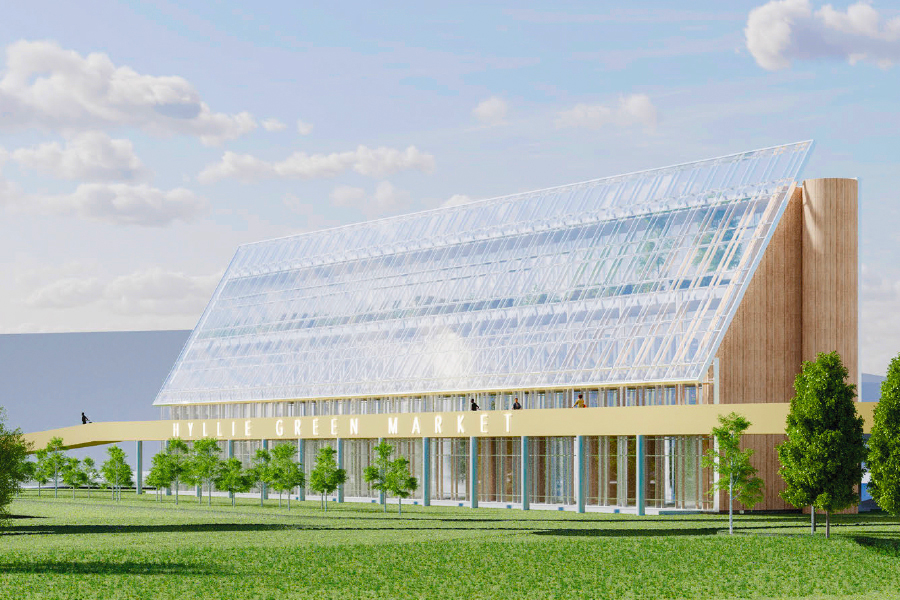
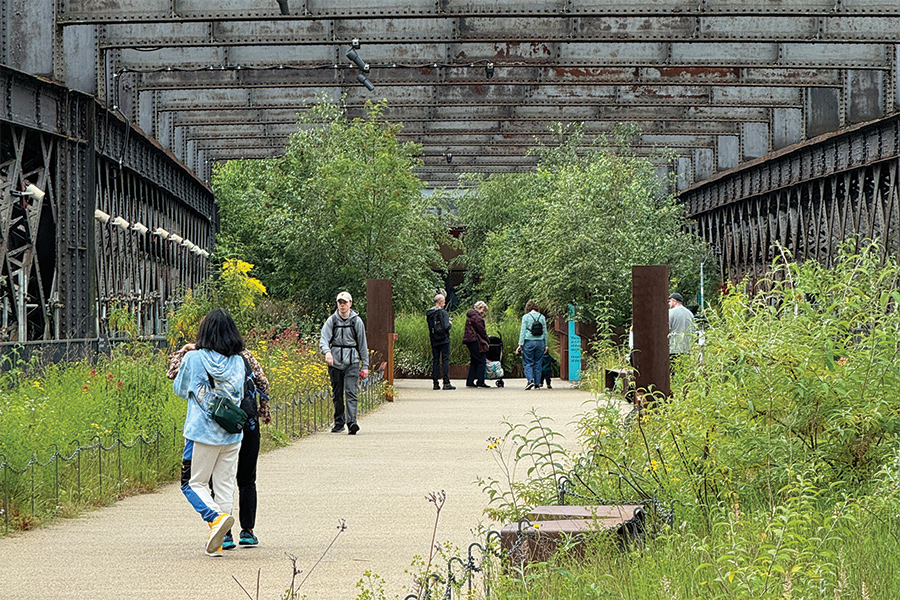
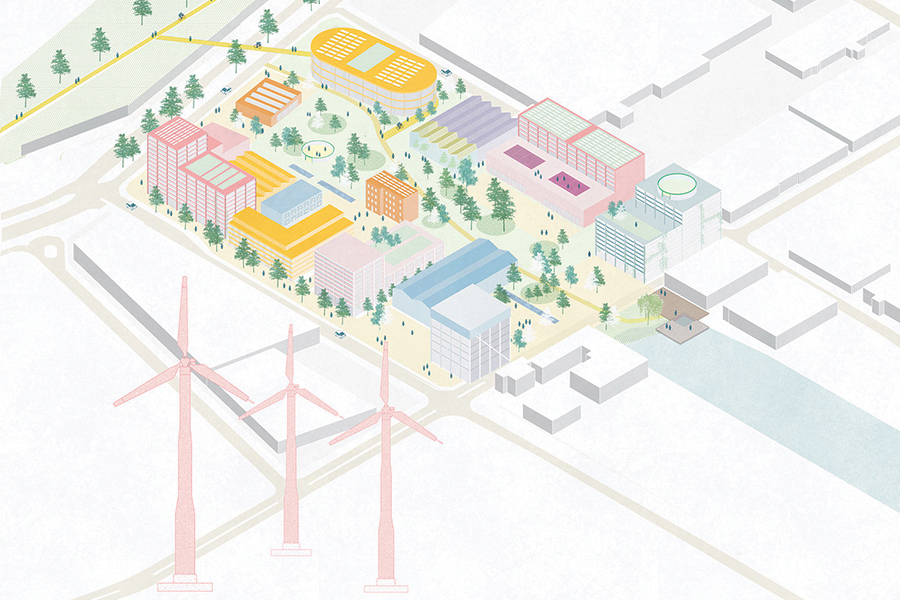
Our proposal responds to Hyllie’s fragmented condition and physical barriers by embracing its incompleteness as a space for open-ended transformation. Rather than imposing a new masterplan, our project activates existing ecosystems - social, natural and mental - through a network of shared threshold interventions, or ‘lanterns’, that reconnect Hyllie to its surroundings in a different perspective.
PROJECT:
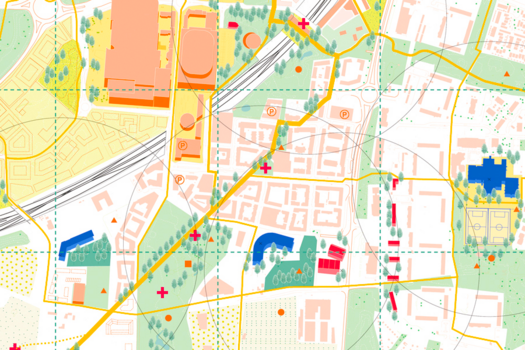
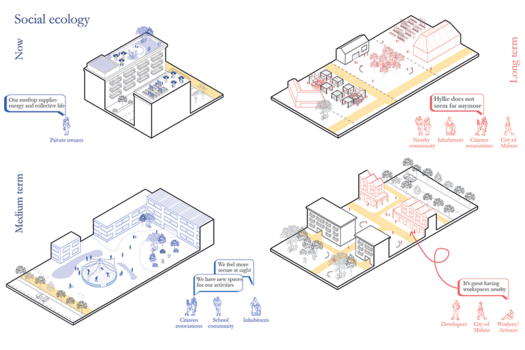
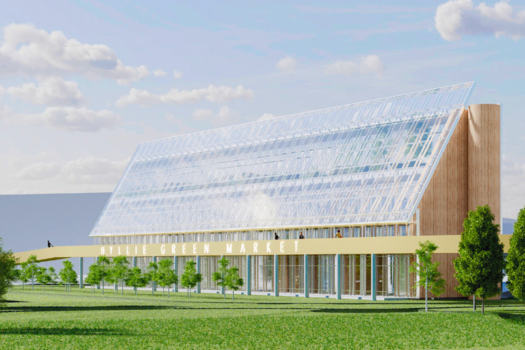
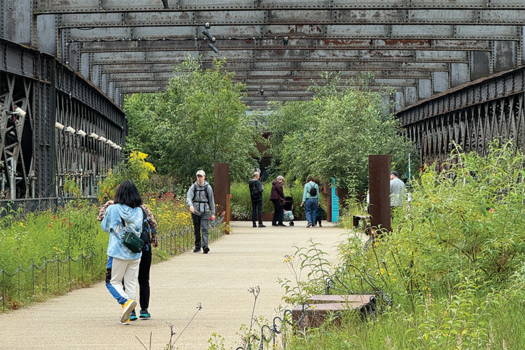
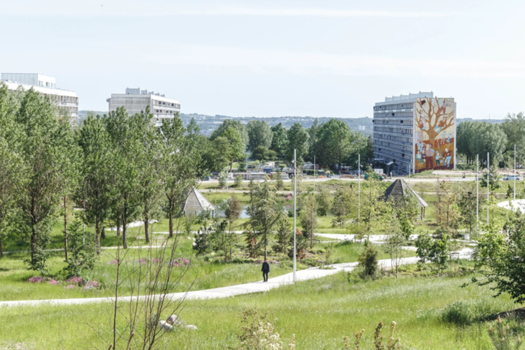
As urban designers we have worked on complex projects like Hyllie in terms of character. However, for Hyllie we drew inspiration from the book Designing Disorder by R. Sennett and P. Sendra. We also looked at various examples of networks of multi-dimensional socio-cultural spaces such as the ‘Contrat École’, a Belgian programme that integrates schools into the urban fabric by activating their spaces for the neighbourhood.
SITE:
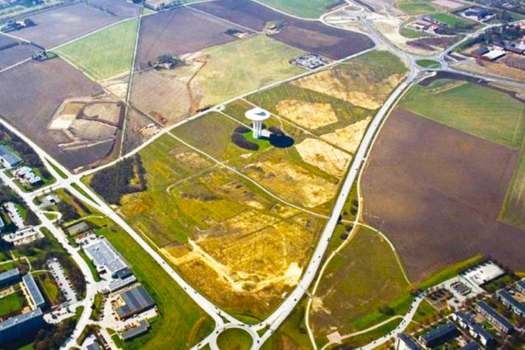
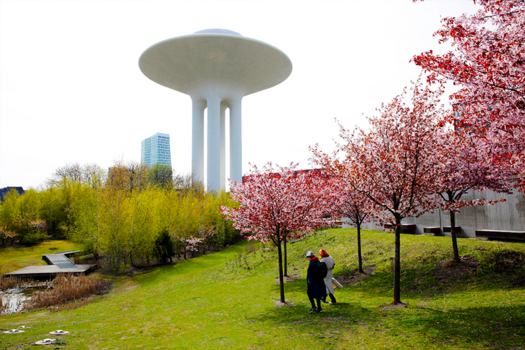
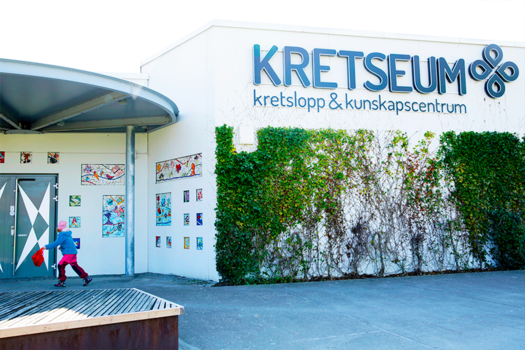
We began our project by reflecting on what was already there - the relationship between local actors and the spatiality of the area - with the aim to acknowledge the complexity of the place as an ecosystem, encompassing both humans and other-than-humans.The development process is conceived in phases where actors - local and city-wide - can be involved in all stages progressing from informal proposals to well-structured strategies.
REFERENCES:
The formation of our team was driven by the recognition of the value of our diverse skill sets and experiences, which collectively form a complementary foundation. We believe that a holistic approach should also combine a strong cultural and social component alongside the spatial disciplines, like urban design, architecture, landscape architecture and agronomy.
6. How could this prize help you in your professional career?
We hope that the Special Mention we received for Europan 18 will offer us the opportunity to engage in a constructive and beneficial dialogue with the city of Malmo together with the other winning teams and collaborate with new insights on the future of Hyllie and its involved actors.
TEAM IDENTITY
Legal status:
Team name:
Average age of the associates: 37 years old
Has your team, together or separately, already conceived or implemented some projects and/or won any competition? if so, which ones?
Alessandra and Alexandra won the Runner-up award at Europan15 with the proposal Platform of Commons in Rotterdam’s Vierhavenblok. Also, Alessandra and Consuelo won an award for a culture-based territorial regeneration project - Anfibia - funded by the Compagnia di San Paolo Foundation. Raffaele runs his own office and is the author of several projects of urban spaces and green areas, mainly in northern Italy.
WORKS: