From ideas to process-projects
Reinterpreted heritage
1 / Re-embedding territories
Introducing ecological resources into re-use. How to anchor re-using processes into ecological traces and natural heritage (former agricultural practices, water cycles, biodiversity…)? The idea is to re-vitalise this heritage, to make it visible in contemporary projects, and to transform territories into living supports of memory, experimentation and collective ecological adaptation.
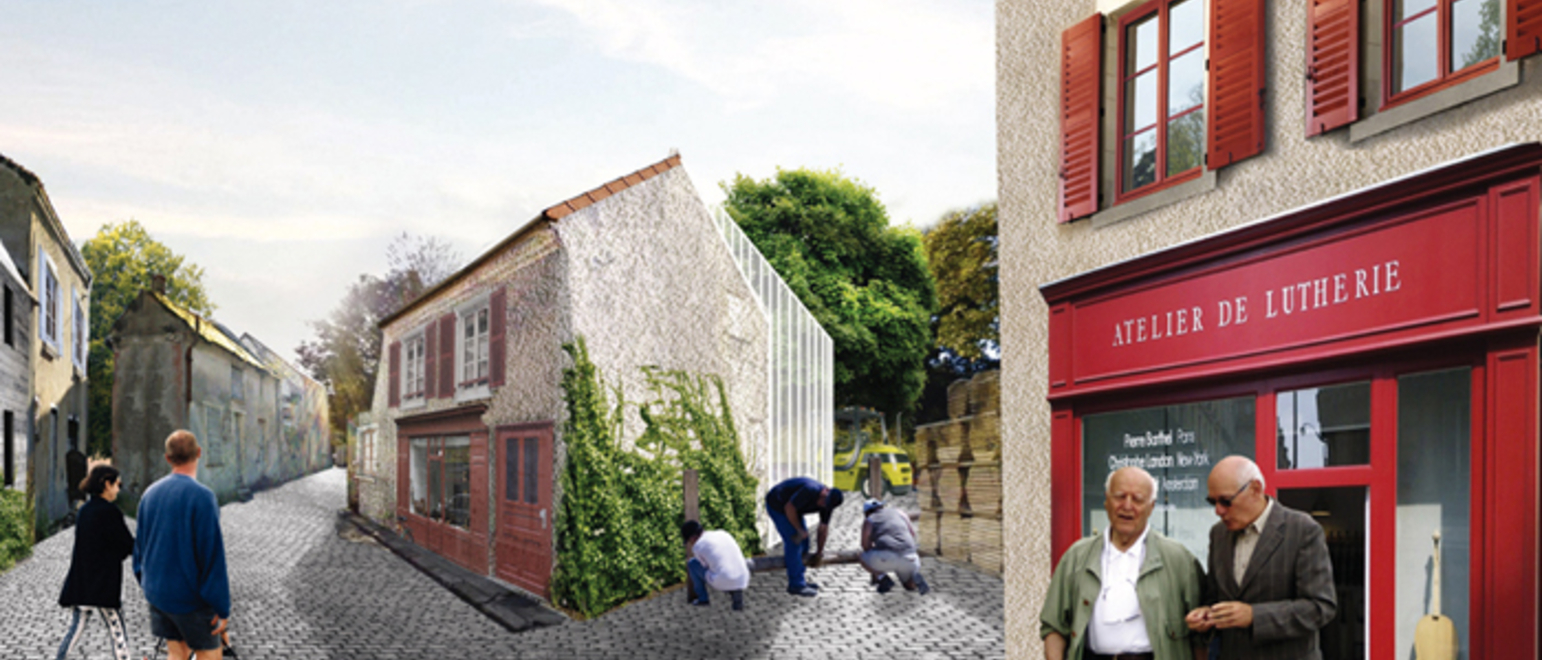
Vieux Pays - Nouvelle étape
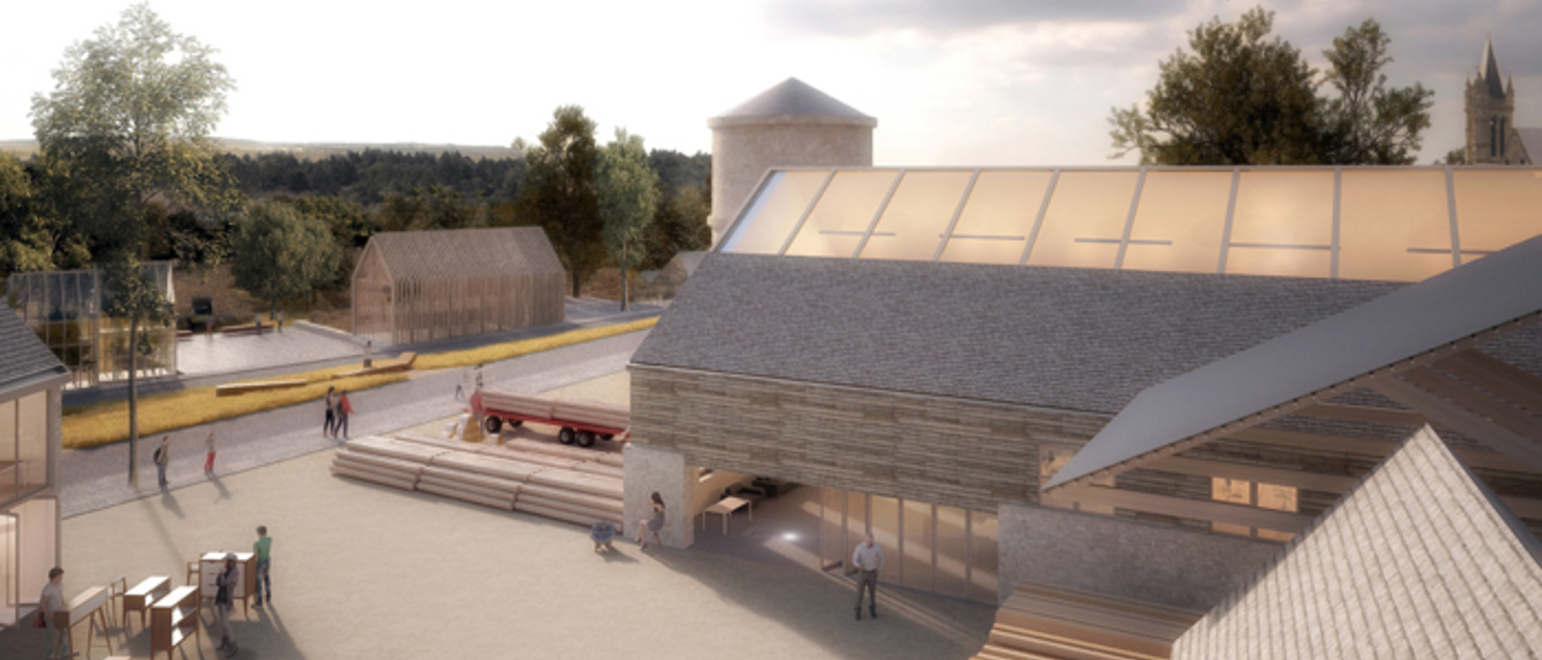
Des ailes et des racines
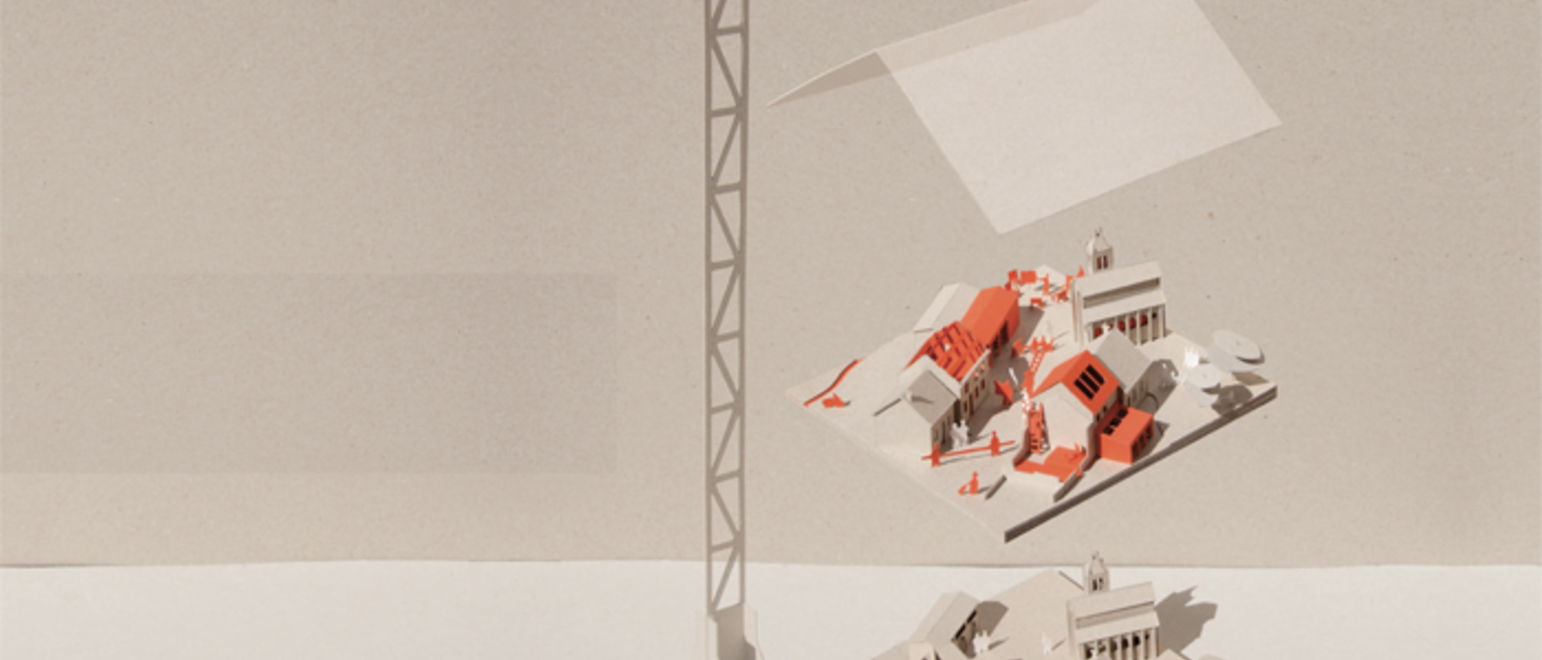
BASE VIE
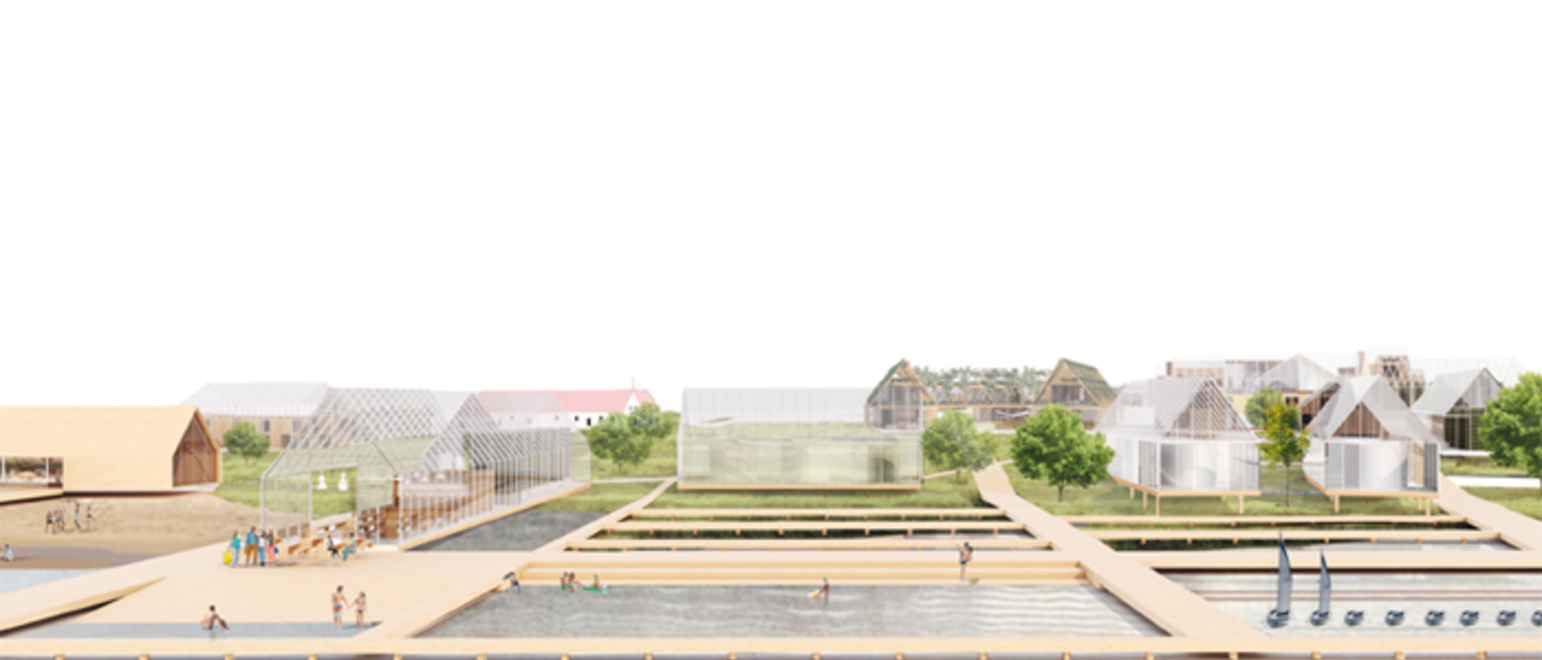
Anttila Farm Incubator
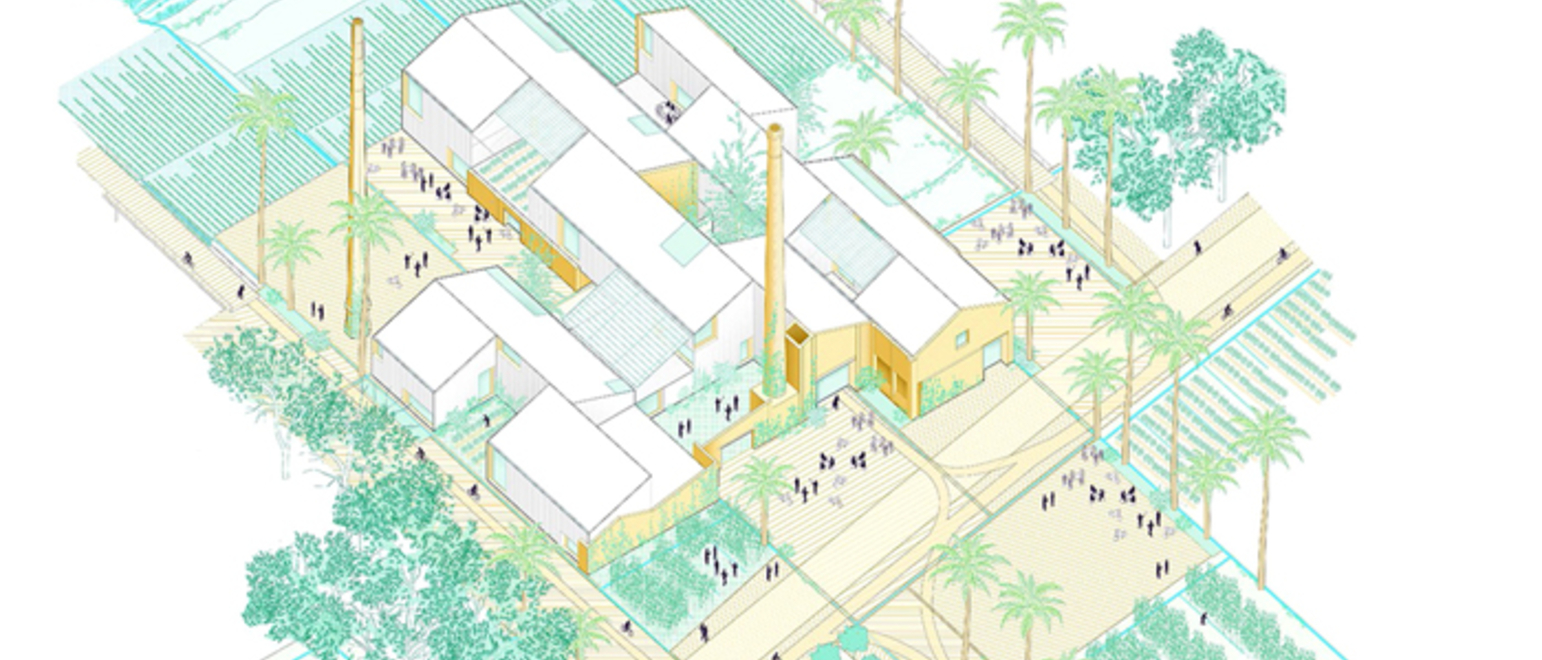
Productive Memories
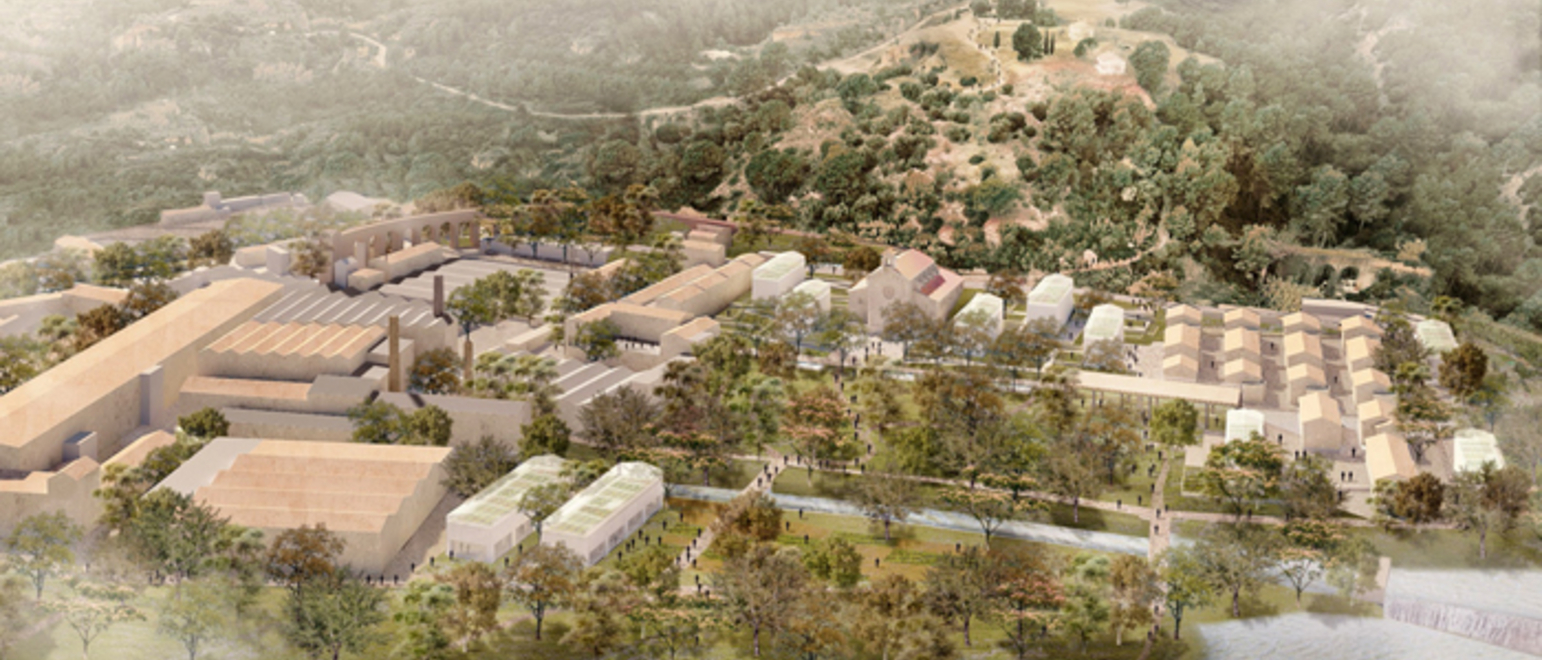
Deconfining the colony
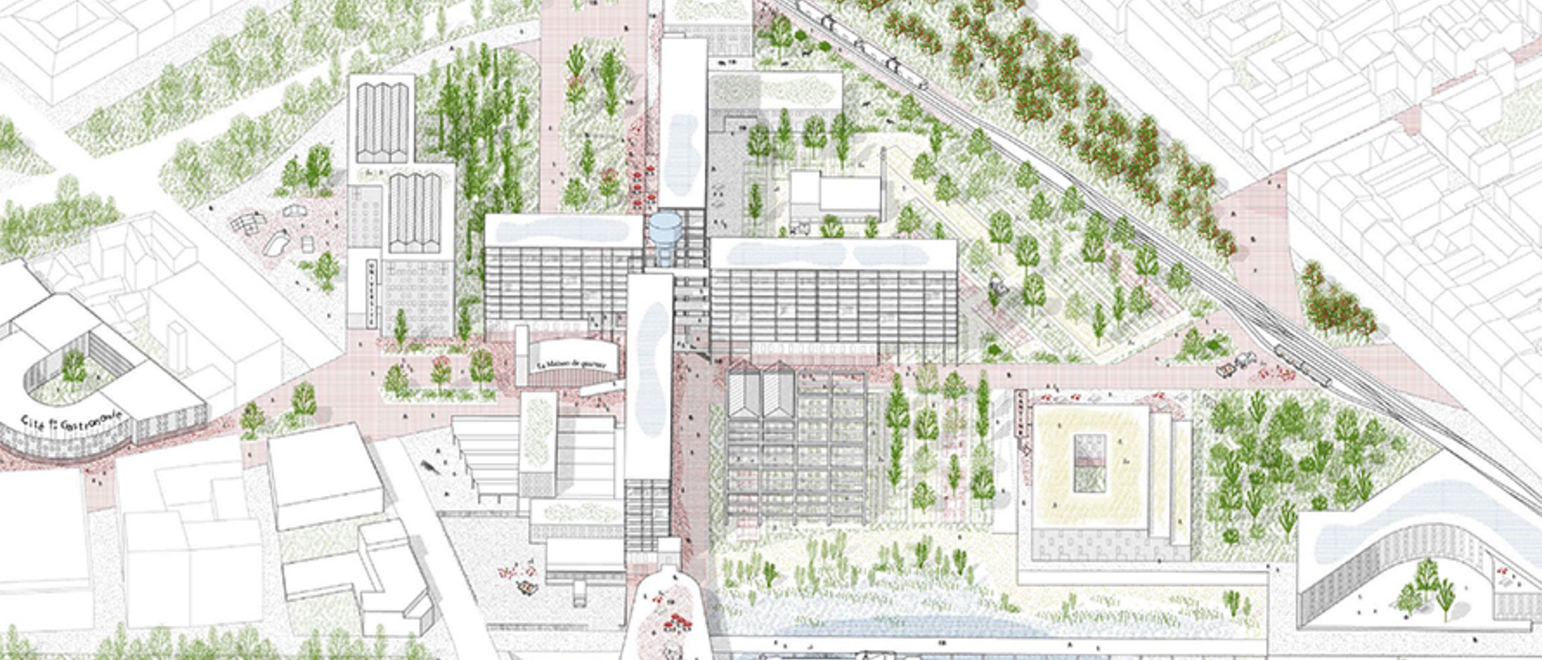
PACTE ALIMENTAIRE LIGÉRIEN
2 / Re-coding typologies
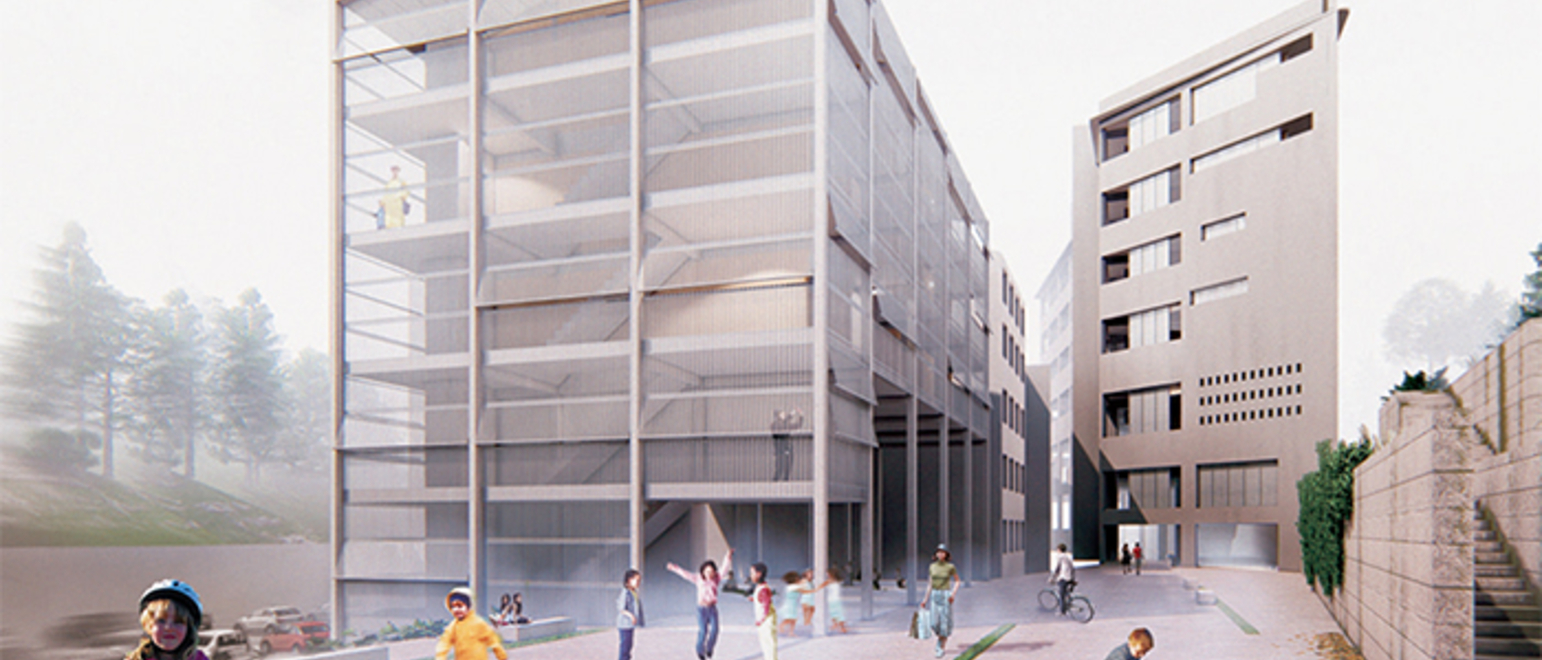
Opening up transformative ways of re-use. Experiment with minimal, reversible interventions that require few material resources, and capable of extending the life of existing buildings and their structures. Re-coding building typologies by adding new uses, or simple spatial or technical features, which transform the ways of inhabiting, working and sharing spaces without resorting to major demolition work.
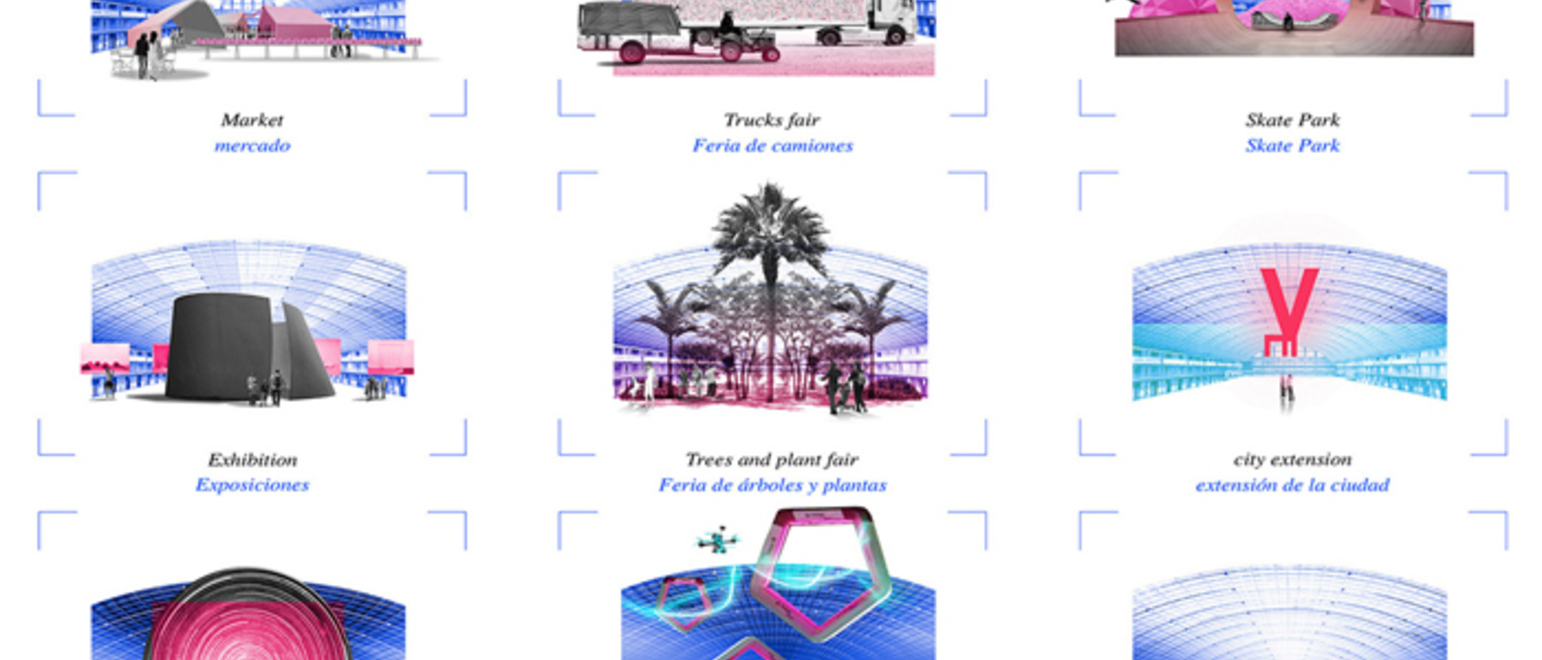
Vacant Space
Ulysses Began his Odyssey