From ideas to process-projects
Inclusive morphologies
1 / Adaptable patterns
Negotiating neighbourhood diversity. Creating new urban extensions integrating multiple housing typologies adapted to new ways of life, family life cycles and patterns of occupancy. Encouraging mixed-use development, adaptable forms of living and shared spaces in order to foster sustainable diversity at neighbourhood level and strengthen the urban fabric’s capacity to adapt.
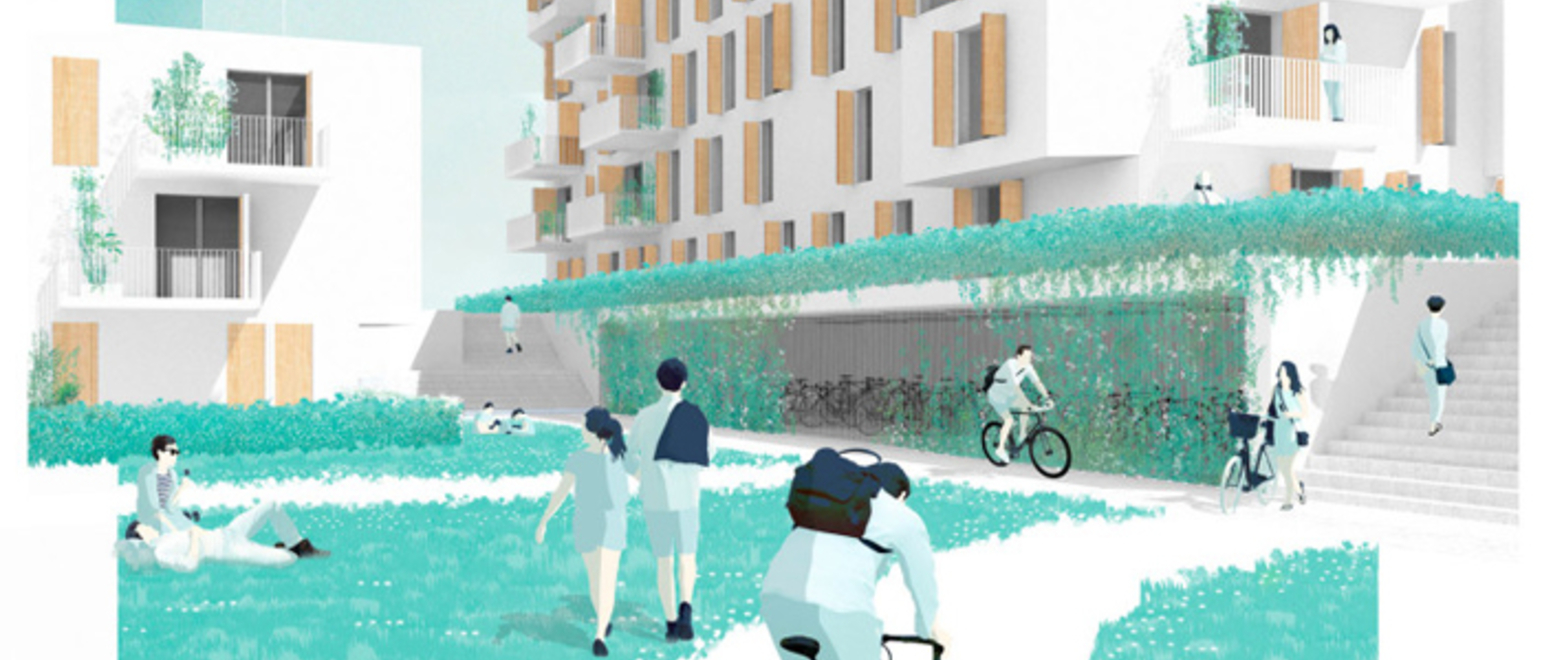
Urban software
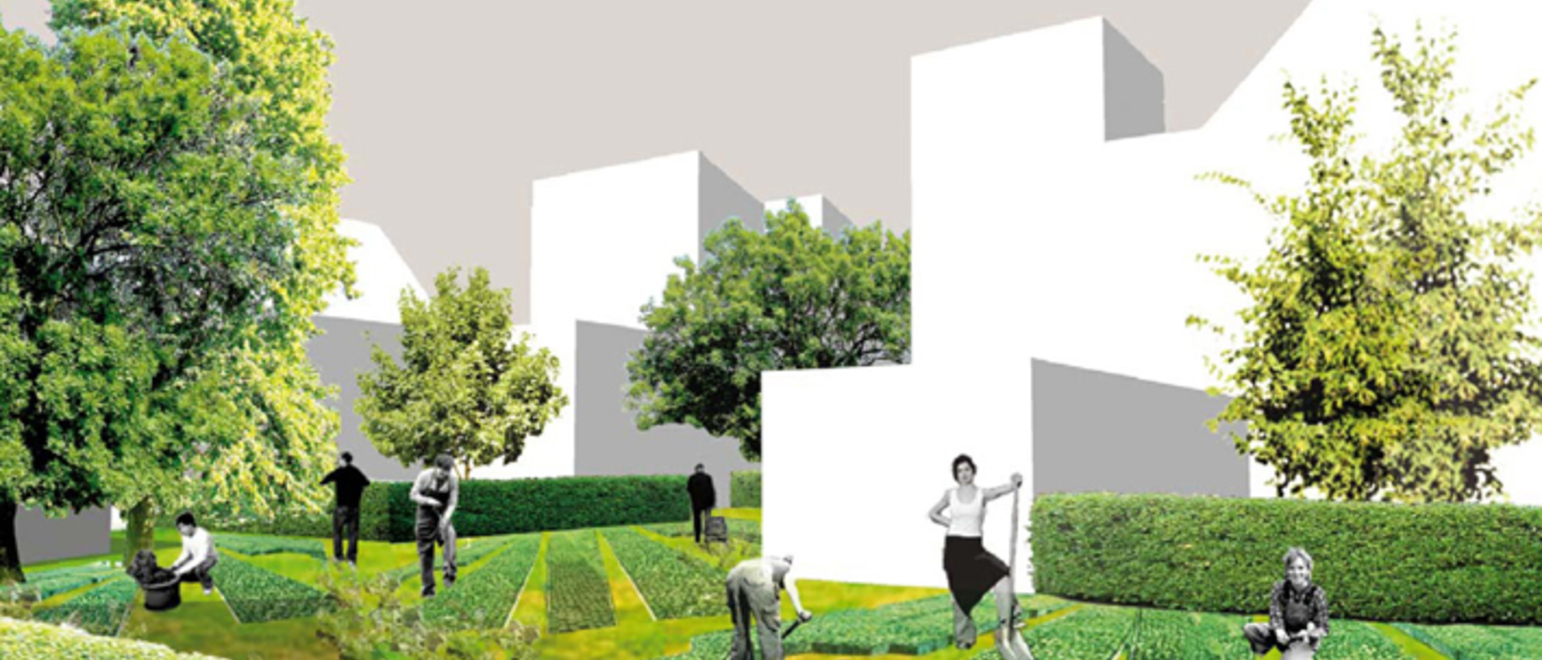
Garden>Courtyard
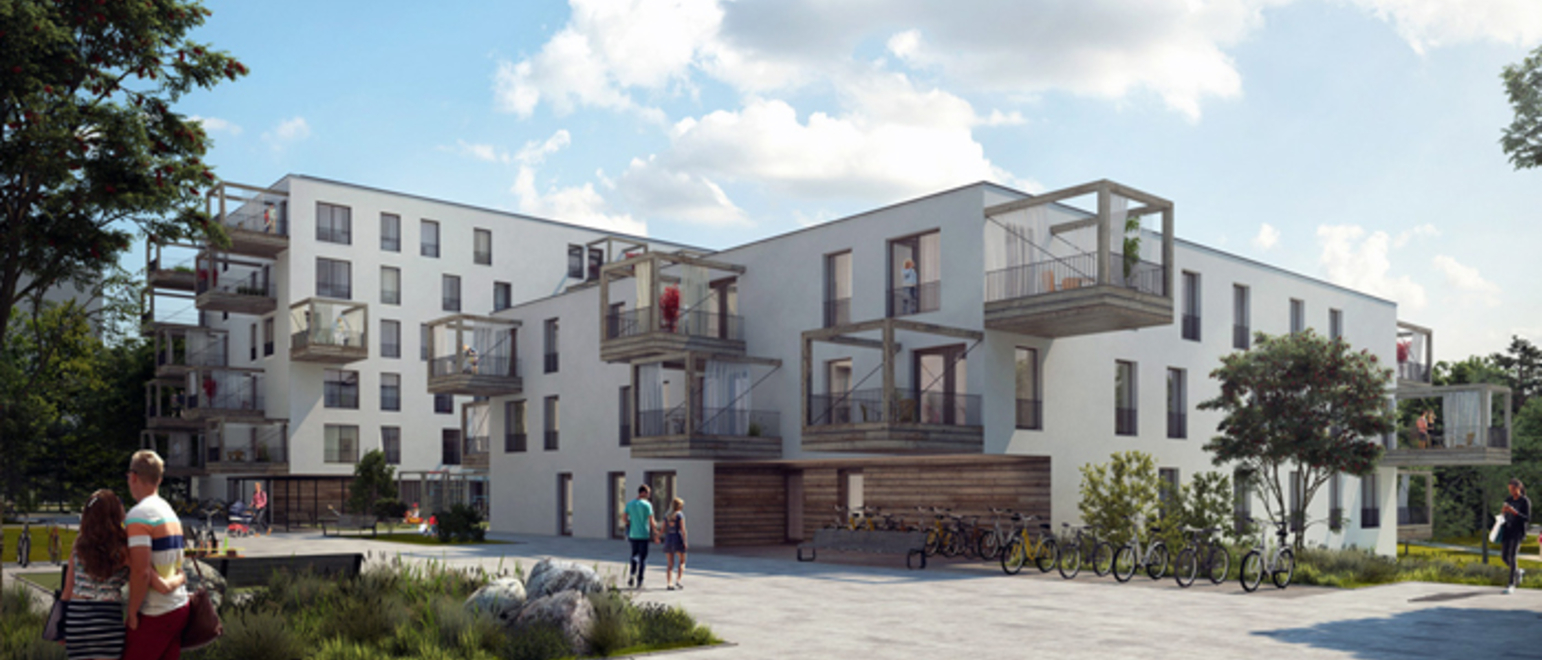
Cluster / Streetscape
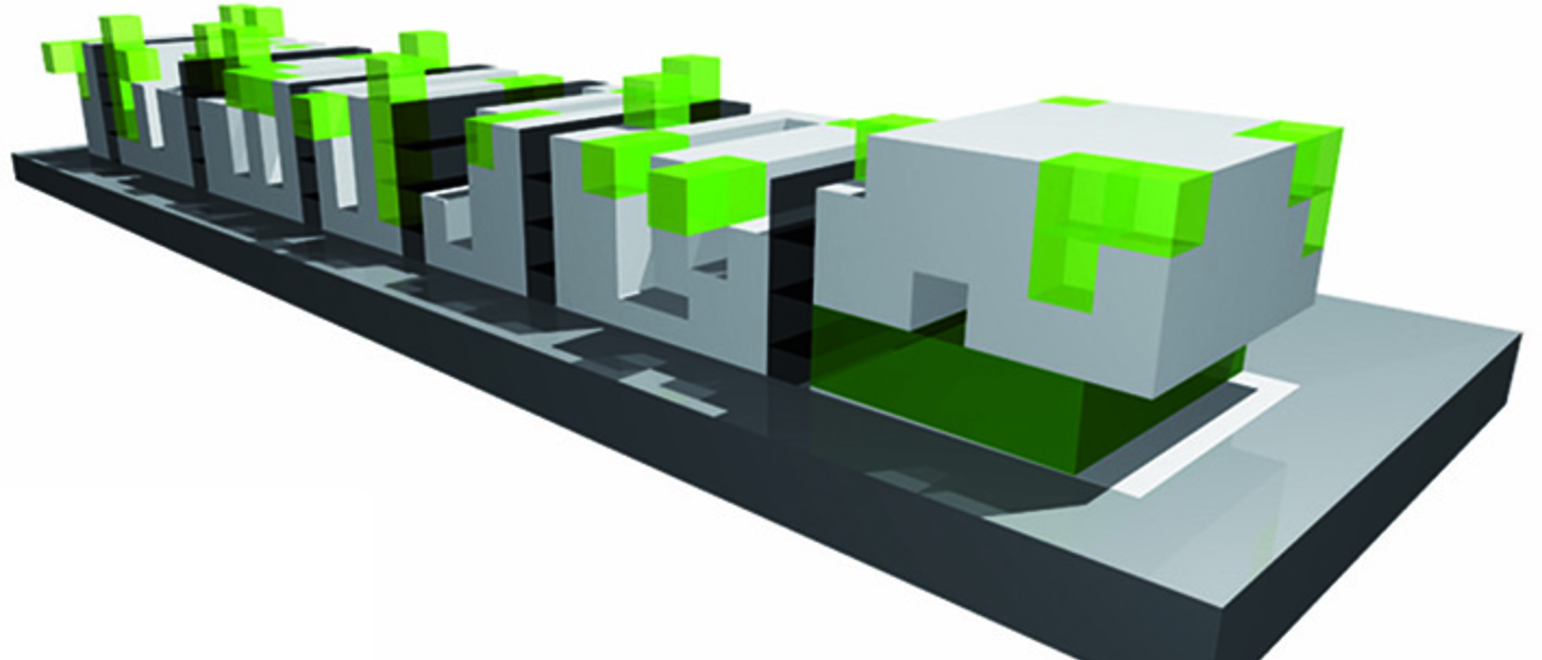
Neighbourhood knitwork
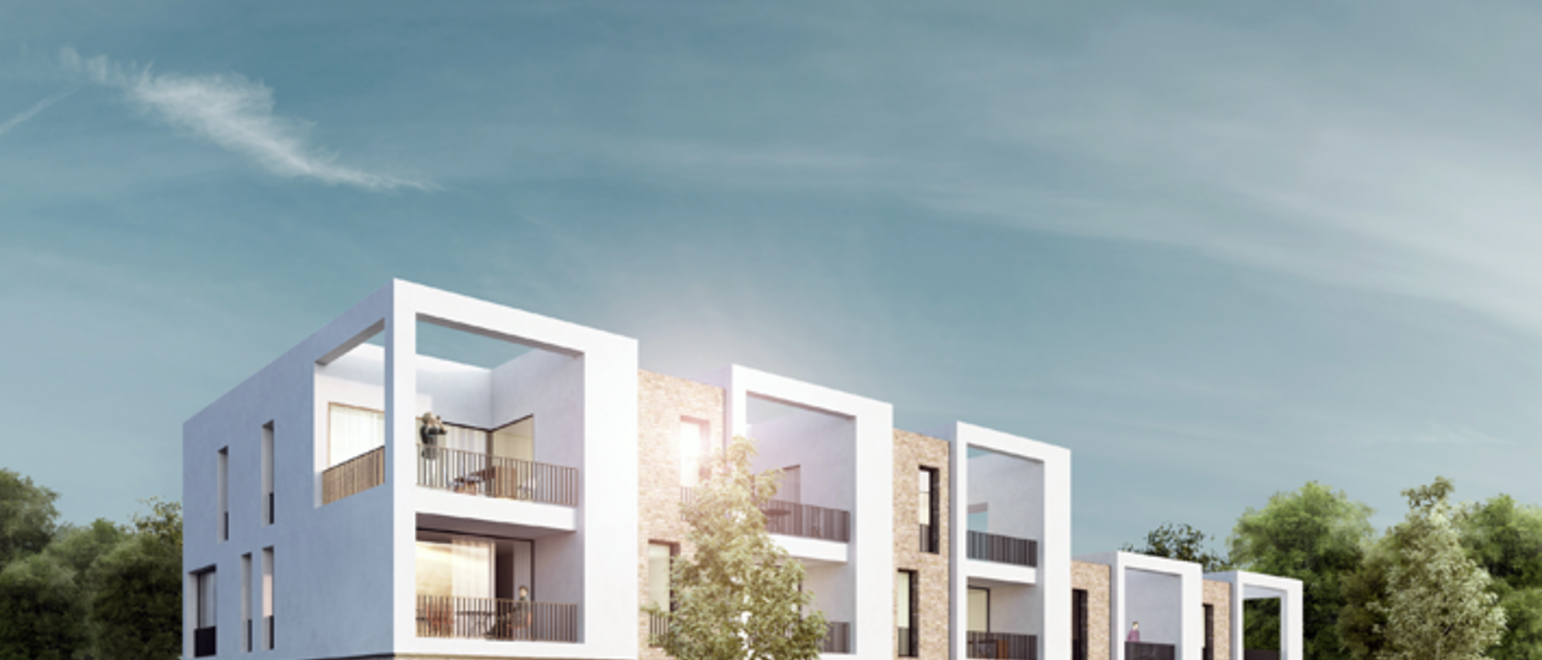
Between the courtyards
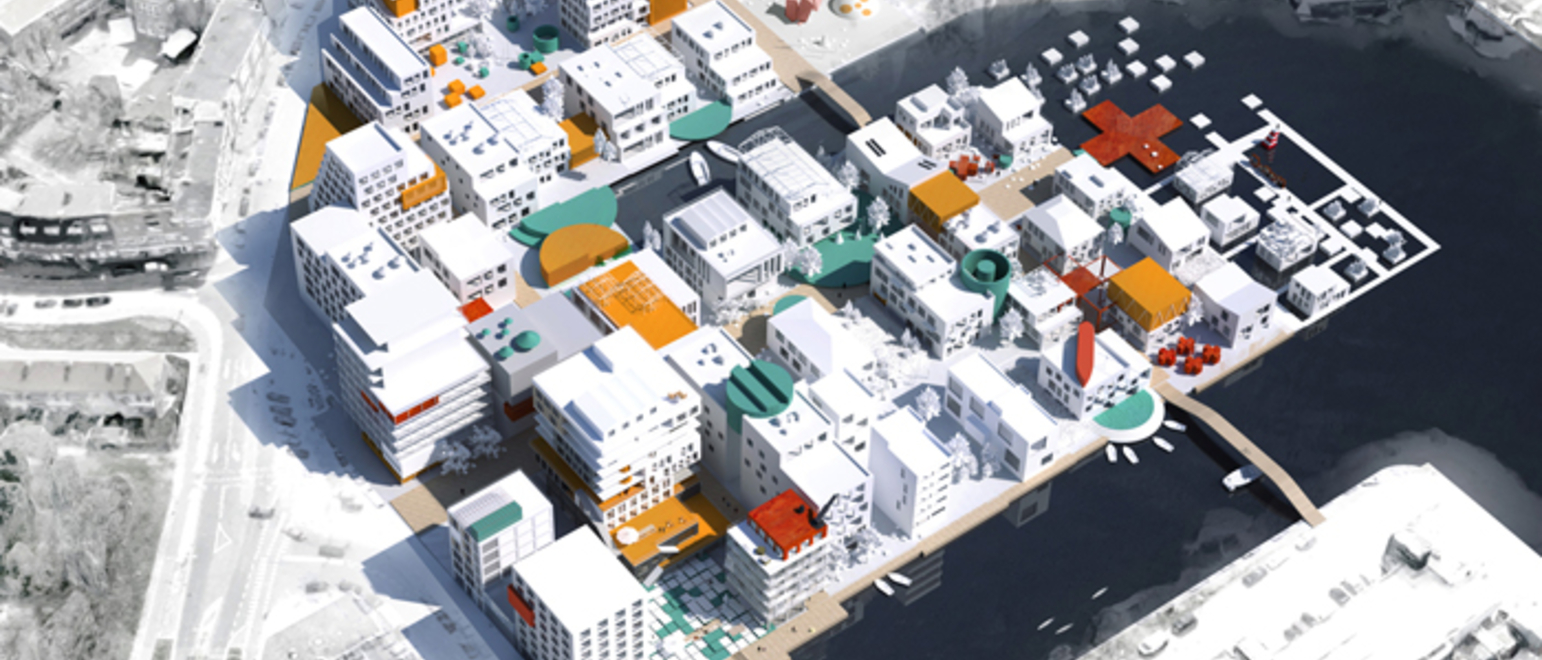
Makers Neighbourhood
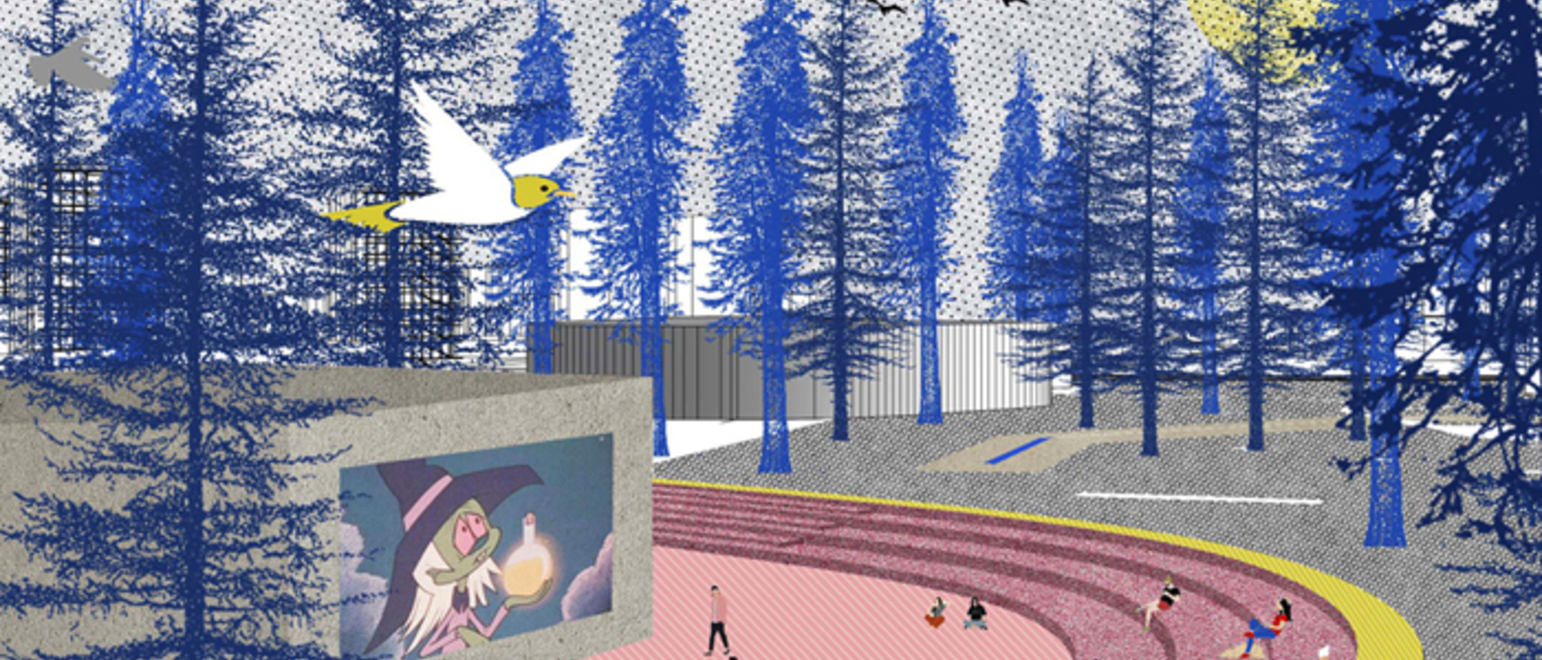
The fantastic forest phenomenon: testing a new narrative
2 / Mediating patterns
Densifying and interweaving fragmented areas. In the existing built environment introducing new spaces densifying and connecting the fragmented areas, making the most of gaps, brownfield sites and urban fringes. These Intermediary Models create built and landscape continuities, promote soft mobility and shared uses, and strengthen cohesion between neighbourhoods that are currently isolated or poorly connected.
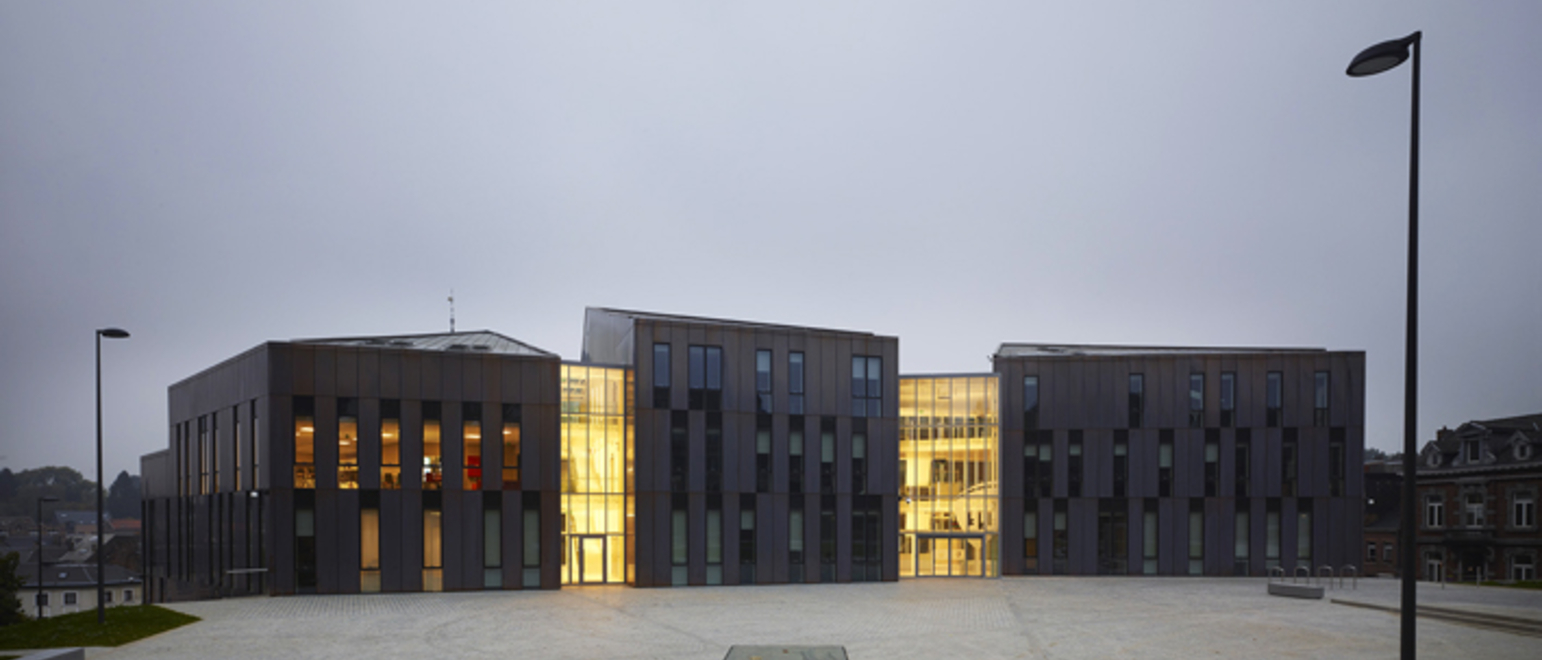
Looking through
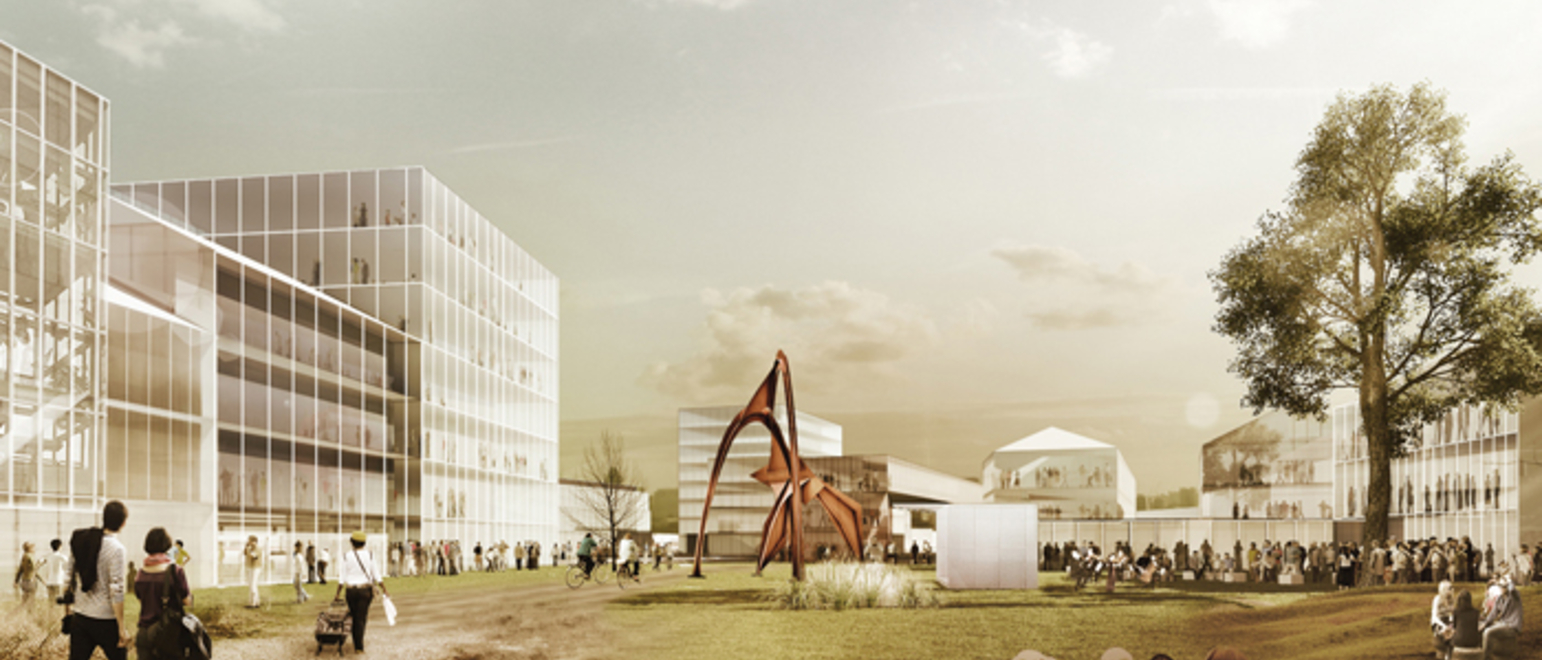
OPEN
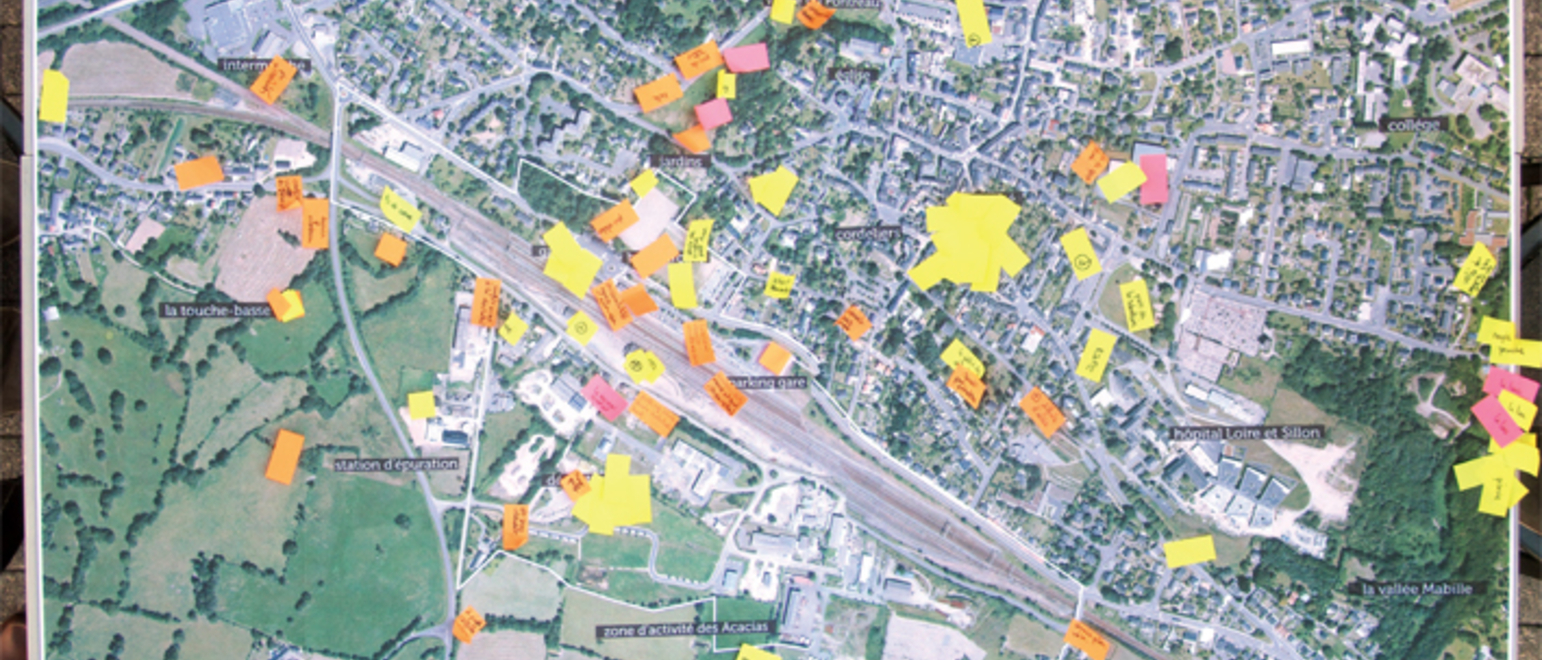
Mesures ligériennes
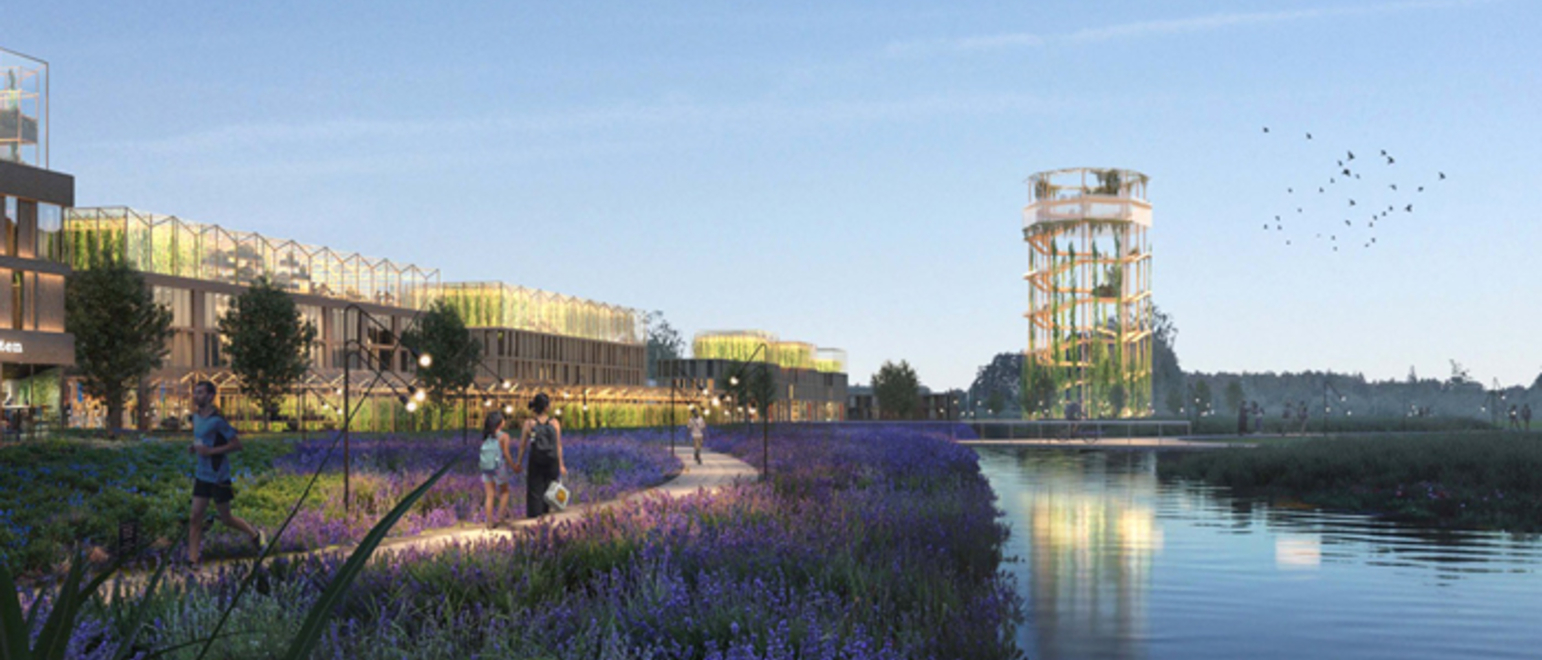
Root City
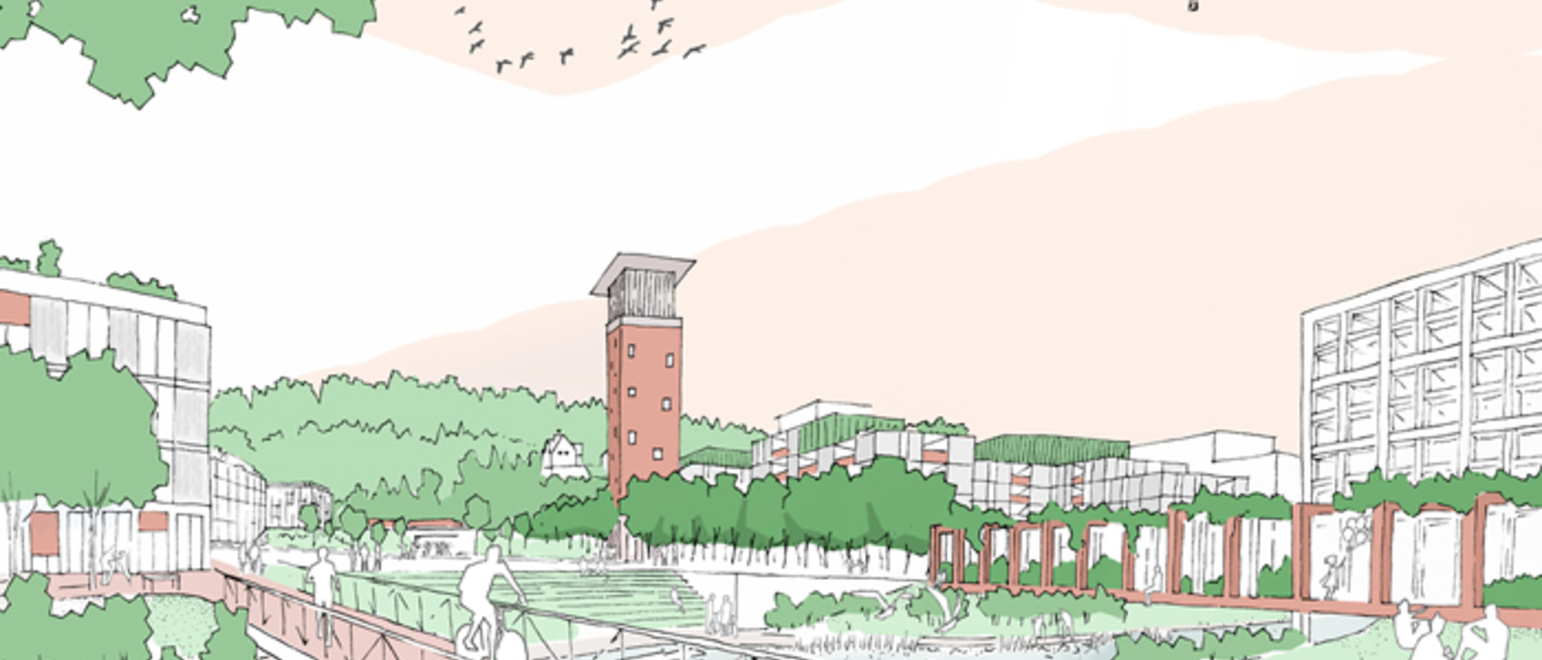
VIRIDITAS ANTE PORTAS
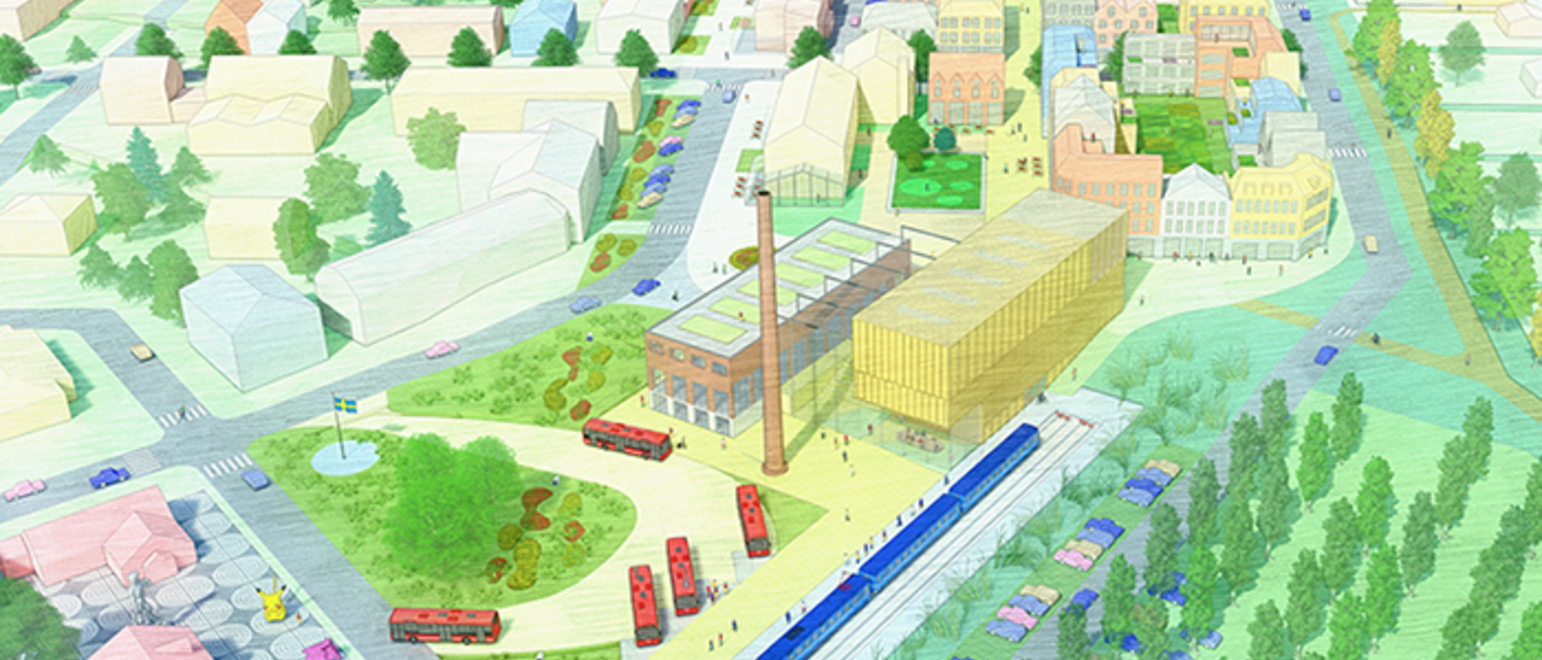
Somewhere over the RINGBO